





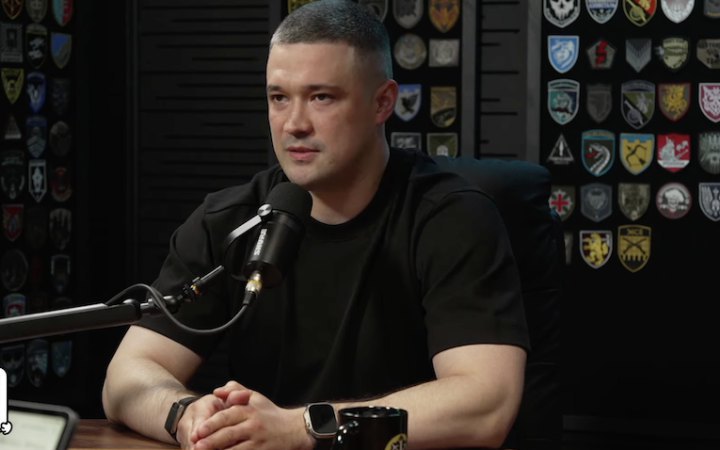
Former Defence Minister Mykhaylo Fedorov said the president has not given a clear “no” on his return to the post. He said this on Serhiy Sternenko’s podcast.
Fedorov said he has “no moral right” to go into business or do anything else while protests in his support continue. He added that once the Verkhovna Rada returns from recess, it must make a decision and appoint a full-fledged defence minister, not an acting one.
The MPs’ return from the break is scheduled for 17–18 August, he added.
“While people are fighting for tomorrow and my surname is being heard, and people generally believe this can be done, and today there is no clear no, I believe we have a chance,” he said.
Mykhaylo Fedorov’s dismissal
In July, President Volodymyr Zelenskyy unexpectedly announced plans to reshuffle the government. Serhiy Koretskyy, who had headed Naftogaz, became prime minister, replacing Yuliya Svyrydenko. The president said Koretskyy was the best prepared for the premiership in the context of preparations for a very difficult winter. Some ministers kept their posts in the new government, but not Defence Minister Mykhaylo Fedorov. After seven months in office, the president decided not to submit his candidacy for reappointment.
Initially, according to sources at LB and other media outlets, Ihor Klymenko, who headed the Ministry of Internal Affairs, was considered for the post of defence minister. Against the backdrop of protests, Klymenko was never put forward for the job at the Ministry of Defence. The president decided that the duties of defence minister would be carried out by General Yevhen Khmara, head of the SBU’s Alpha Special Operations Centre. Khmara led the SBU in an acting capacity, and later the government appointed him acting defence minister. For a full appointment, he would need to be discharged from military service.
Ihor Klymenko ultimately did not receive a new post in the government and became secretary of the National Security and Defence Council.
Volodymyr Zelenskyy held several conversations with Fedorov. The president also held numerous consultations with brigade commanders and force commanders. Since 16 July, protests have been ongoing in Ukrainian cities demanding Fedorov’s return to the Ministry of Defence.
The president has not communicated the exact reason for the decision to replace the head of the Ministry of Defence, but he said there was a conflict between the ministry and the army leadership that prevented them from establishing cooperation. Fedorov himself accused Syrskyy of issuing an ultimatum demanding his dismissal. The former minister said that instead he had proposed to the president replacing the commander-in-chief and the chief of the General Staff.
Last week, the Armed Forces received a new commander-in-chief, Mykhaylo Drapatyy. The head of the General Staff also changed. The president offered Mykhaylo Fedorov various positions, from adviser to deputy prime minister for military innovation. However, he said he would agree only to the post of defence minister.
The president also, commenting on the change of commander-in-chief and Fedorov’s dismissal, said he needed unity between the military leadership and the Ministry of Defence, as Ukraine faces challenges including a shortage of anti-ballistic defence and a possible new mobilisation by the Russians.