





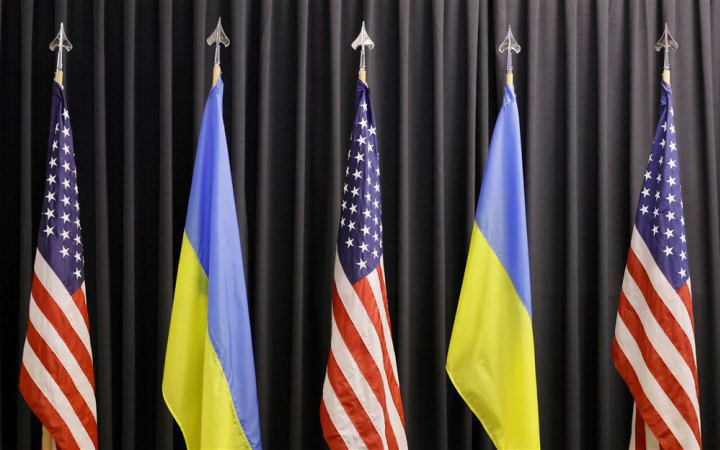
American partners did not warn Ukraine about the first wave of the ballistic attack that Russia carried out at around 11pm on 18 October. Air Force spokesperson Yurii Ihnat said this on the national telethon.
There was already a warning about the second wave, which began at 3am. In other words, the situation is the same as it was last week.
“But I want to note that we also have our own sources that inform us about launches. There is radar coverage that is monitored as far as possible,” Ihnat said.
He said that this time the Air Force warned about the ballistic missiles about a minute before they appeared in the sky.
“To clarify, the first time, indeed, the information did not come through for certain reasons. Our experts are looking into it together with partners, because this is not the first time such a situation has occurred. And by 3am the information came through. Here, too, it must be understood that there is so little time that even the algorithm for activating the same loudspeakers and sirens lags behind the impacts,” Yurii Ihnat said.
He said that when the enemy attacks with ballistic missiles around midnight, it cannot be ruled out that it will repeat the strikes later in the night.
Context
On 12 October, Russia attacked Ukraine with ballistic missiles. The first explosions were heard even before an air-raid alert was announced. On 13 October, the situation repeated itself, and the President and the Air Force officially reported that partners had not passed on a warning.
The United States provides Ukraine with information about ballistic launches. Ukraine can detect high-speed targets directly on approach, which is too late to respond in time with an alert.
The President of Ukraine confirmed that there had been no warning from the United States.
A similar situation occurred last year, amid a new wave of US pressure on Ukraine. At that time, Washington also did not pass on information to Ukraine about ballistic launches. Later, the data sharing was restored.
This time, the United States said there were no warnings due to weather conditions and technical failures. At the same time, the warnings disappeared in sync with a sharpening of the American President’s rhetoric towards Ukraine, the lifting of sanctions on Russia, and limits on the speed at which the military can use Starlink.