





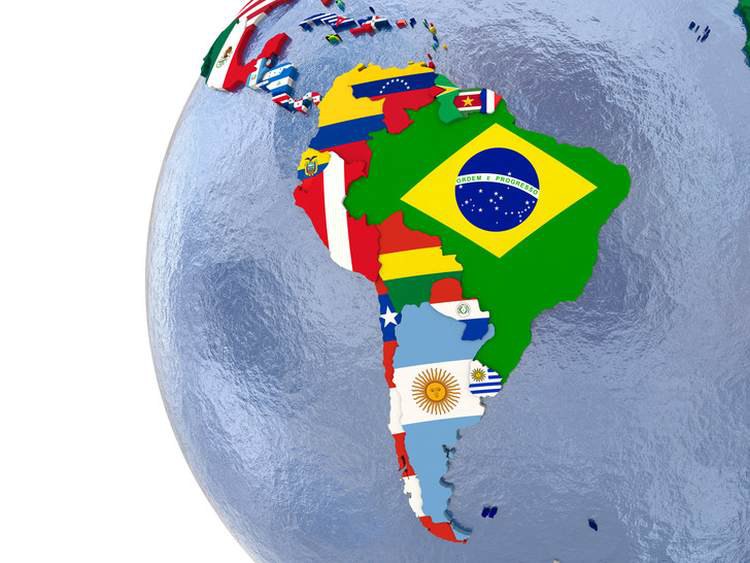
For many years, Latin America remained one of the regions most diplomatically neglected by Ukraine. Geographic distance and the lack of timely, substantive initiatives to expand co-operation between countries contributed to the formation of rather cool relations with many representatives of the Global South.
With the start of Russia’s full-scale aggression against Ukraine in 2022, Latin America became one of the key arenas for Russia’s disinformation campaign. In the region’s poorer countries, the Kremlin began actively recruiting mercenaries and also managed to use its connections to create the appearance of international support and to legitimise its own political actions, demonstrate the absence of international isolation, and counter pro-Ukrainian initiatives at the UN.
Latin America remains an important direction for Ukraine’s foreign policy and should not be underestimated. The region has strong positions in agriculture and exports, and is open to partnership in extractive industries and the defence-industrial sector. In recent years, Ukraine’s diplomatic engagement with Latin American states has been gradually intensifying, opening space to strengthen and create new political, economic and diplomatic ties.
Brazil
Brazil is one of the most important actors in Latin America, and relations with it are not straightforward for Ukraine. After diplomatic ties were established and a strategic partnership declared, closer engagement was hindered by significant geographic distance, limited trade and economic contacts, and the absence of sustained political dialogue. The failure of an ambitious space project did not help either: it envisaged the use of Ukrainian launch vehicles and next-generation satellites at Brazil’s Alcântara spaceport and a subsequent entry into the international space-launch market. The devaluation of the Brazilian real and the economic crisis in Ukraine caused by Russia’s aggression in 2014 led to delays in project funding by both partners, and in July 2015 Brazil officially notified Ukraine of its withdrawal from the agreement, citing an “imbalance in the technological-commercial model”. As a result, Ukraine’s total financial losses amounted to $805.86 million.
Since the start of the full-scale invasion, Brazil has not recognised Russia’s right to occupy Ukrainian territories and has consistently voted for the relevant UN General Assembly resolutions. President Lula regularly insists on negotiations mediated by third countries to end the war because, in his view, neither side has achieved its goals over years of active hostilities.
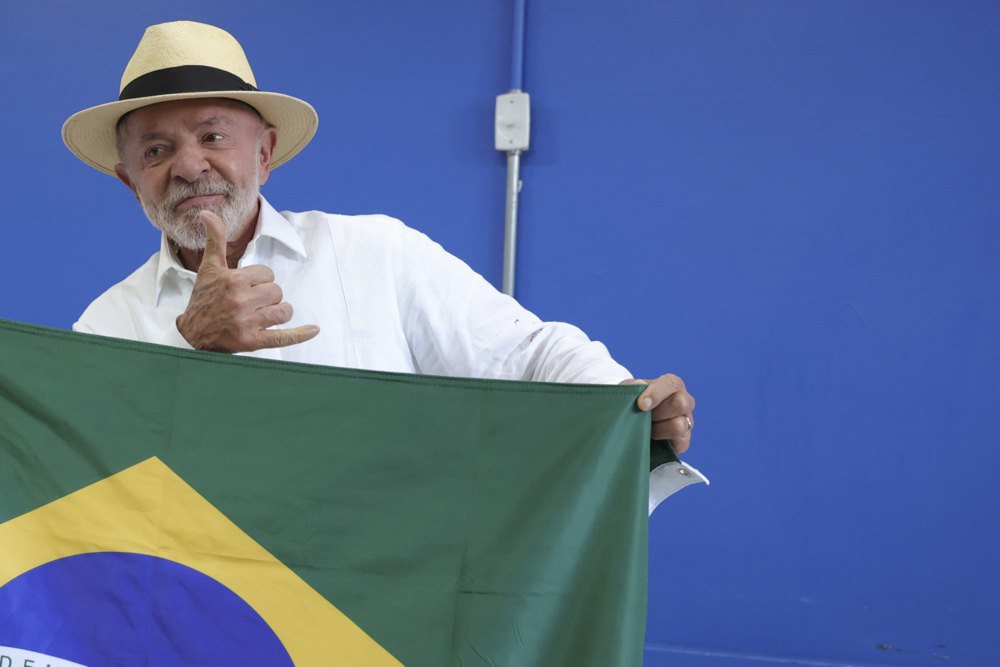
Brazil is laying claim to the role of one of the architects of an alternative world order, in building which it increasingly prefers engagement with China over the United States, and it is also in no hurry to worsen relations with its BRICS partner, Russia.
Ukraine should make more effective use of the channel of influence that Brazil represents—one of the few countries that talks simultaneously with both the West and Russia. At the same time, it is necessary to continue insisting that any peace initiative developed without Kyiv’s direct participation—including the Brazilian-Chinese proposal—cannot be considered without agreement with Ukraine.
Brazil is a direct competitor to Ukraine in global markets for grains and oilseeds. Recently, cheap Brazilian supplies have pushed Ukraine out of China’s maize market. Reversing this trend amid regular Russian strikes and the blockade of domestic agricultural maritime exports looks unlikely in the short term.
At the same time, the situation for Ukraine is worsened by the recently signed agreement between Mercosur and the European Union, which has strengthened the presence of Brazilian agricultural products on the European market. A market that until recently was “home” for Ukraine has become more competitive, reducing opportunities for our farmers to save on logistics and forcing them to expand their presence in more distant markets.
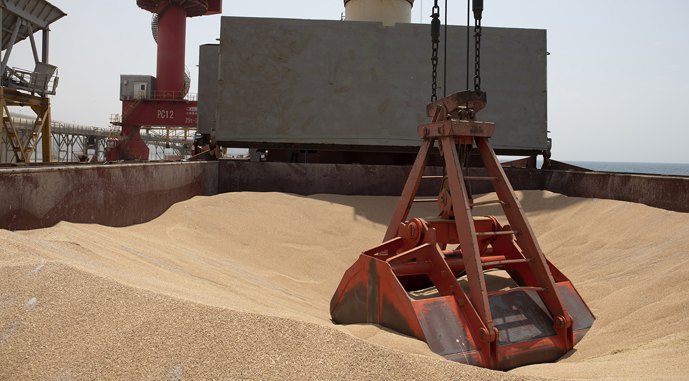
The fiercest competition with Brazil is precisely in the maize market. As of the end of September, Ukraine increased maize exports to 1.94 million tonnes, more than double last year’s figures. Exports of Ukrainian maize exceeded 20.5 million tonnes in 2025.
At the same time, according to forecasts for the new agricultural season, Brazilian maize production will increase by 2.8% compared with the previous year, setting a new record, and exports could reach 46 million tonnes. Such a large supply volume could potentially push down global prices, which, amid problems with maritime exports, could inflict even greater losses on Ukraine’s agricultural sector.
In soybean exports, Ukraine remains a much weaker player compared with Brazil. In poultry, Ukraine showed moderate growth over the summer: in the first half of the year exports rose by 9.7% to 248.4 thousand tonnes, and in August amounted to 40.6 thousand tonnes (1.5% less than in July), although export revenues fell due to a drop in global poultry meat prices. Brazil retains its status as the main exporter of poultry meat to the EU, so it is also a direct competitor to Ukraine in this area.
In exports of metallurgical products, Ukraine is losing ground due to strikes on the energy system and stoppages at mining and processing plants, while Brazil maintains stable positions as one of the world leaders. It is becoming increasingly difficult for Ukraine to compete in the EU market that is key for it (80% of Ukrainian steel exports go there) with other exporters, including Brazil. The EU has currently set an annual quota for Brazil of 227 thousand tonnes, and for Ukraine—1.05 million tonnes (40% of 2025 exports of 2.65 million tonnes).
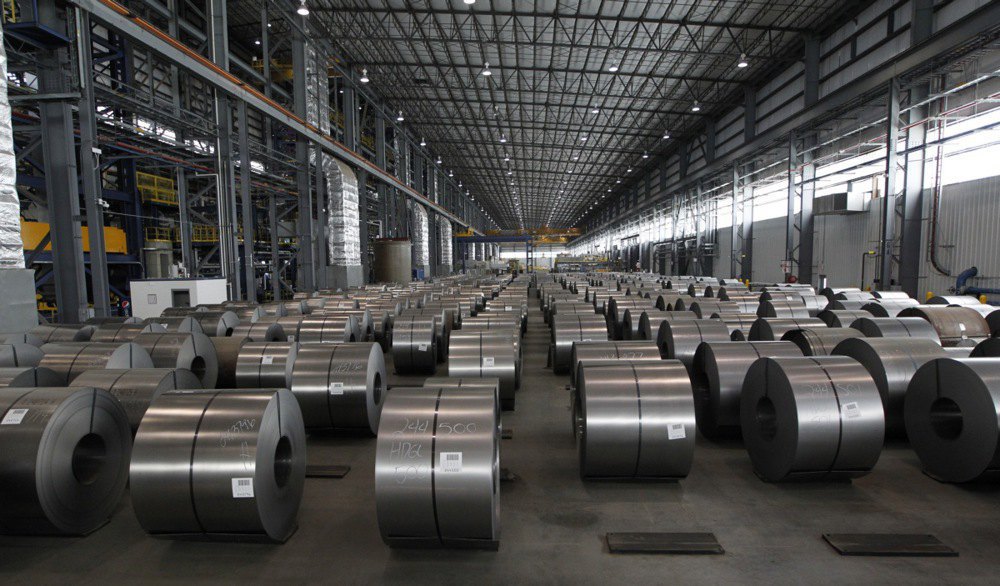
As the European market is currently in the process of partially reorienting towards South American supply, the factor that could help Ukraine’s position most is obtaining EU membership status, which would make it easier to compete with Mercosur countries for this market.
Aircraft manufacturing is another area where Ukraine and Brazil could, in the longer term, compete or co-operate. Ukraine’s Antonov and Brazil’s Embraer build aircraft of similar classes and compete for a share of the international military transport aviation market. For example, the Ukrainian An-178 and the Brazilian C-390 Millennium are new-generation transport aircraft oriented primarily towards military transport and special missions. At the same time, Embraer has already managed to build large-scale international co-operation around the C-390, while Antonov faces constraints linked to the war and the disruption of traditional production chains.
Ukraine’s aviation industry can offer Brazil its own experience in aircraft design and development, engine building, avionics systems, and creating aircraft capable of operating with non-standard infrastructure and carrying heavy loads. For Ukraine, such co-operation could be one way to preserve and restore aircraft-manufacturing competence; for Brazil, it would be an opportunity to gain access to the unique expertise of the Ukrainian school of transport aircraft engineering.

Ukrainian exports to Brazil have potential to expand through pharmaceuticals, chemical products, engineering components and electrical goods, gradually shifting the export structure from raw materials to products with higher added value.
Argentina
Argentina is another competitor for Ukraine in the agricultural sector. Due to intensified Russian strikes on export infrastructure in the ports of Greater Odesa, the largest buyers of maize, including countries in North Africa, prefer the Argentine product, which means more and more of the Ukrainian harvest either remains for the next season or is sold at significantly lower prices.
Brazil retains global leadership in exports of raw soybeans, but not in soybean meal, where Argentina, by contrast, is pulling ahead. It is critically important for Ukraine to expand diplomatic dialogue with Buenos Aires, including a distinct trade component. It is important to stress the need to exchange harvest forecasts and co-ordinate on pricing. In parallel, the two countries need to develop scientific and technological co-operation projects, including those that will focus on small and medium-sized producers in agriculture.

Unlike Brazil, politically Argentina is currently leaning towards the United States. Since 1998, the country has held the status of a major non-NATO ally of the US, and after Javier Milei’s administration came to power in 2023 it refused to join BRICS and declares a pro-Ukrainian position. However, Buenos Aires currently rules out sending weapons to Ukraine.
The task is to consistently strengthen relations with the country not only through US mediation, but also by offering long-term bilateral co-operation. Given Milei’s turbulent economic reforms, the partnership should be built around joint, targeted projects in the agricultural and defence-industrial spheres, where Ukrainian experience has the greatest value.
Venezuela, Cuba, Nicaragua: The Pro-Russian Axis Is Cracking
Cuba and Nicaragua constitute the most openly hostile group towards Ukraine in the region. They systematically vote against or abstain on UN resolutions in support of Ukraine, serve as hubs for the spread of Russian propaganda in the Spanish-speaking space, and are historically closely linked to Russian special services. Venezuela, which until recently also belonged to this group, went through a series of radical changes in 2026 that somewhat improved the prospects for developing further diplomatic relations with it.
Nicaragua officially recognises the temporarily occupied territories of Donetsk, Luhansk, Kherson and Zaporizhzhia regions as part of Russia. Nicaragua recognised Crimea as Russian back after the 2014 annexation, and in 2020 opened a consulate in Simferopol. All these actions contribute to legitimising the Kremlin’s aggressive actions. Ukraine has already severed diplomatic relations with Nicaragua and should continue to focus on supporting international institutions and human rights mechanisms that document the illegality of such recognition, without excessive expenditure of resources on bilateral contacts.
Cuba not only declaratively supports Russian aggression, but is also actively used by Moscow to recruit mercenaries for the war against Ukraine. Officially, Havana denies involvement and insists that the country is not participating in the war and is combating mercenarism at the national level. However, Cuba at the very least does not obstruct the recruitment of its own citizens.

Ukraine should direct its efforts towards reducing the problem of mercenarism through a broad regional programme to combat recruitment networks. It is necessary to try to involve Latin American partners in this, who also express concern about the issue.
In January 2026, Washington carried out Operation “Absolute Resolve” on Venezuelan territory and captured President Nicolás Maduro. This was followed by a partial regime change. Delcy Rodríguez, the country’s former vice-president, headed the government. Despite her previous loyalty to Maduro’s anti-Western stance, she is demonstrating a willingness to co-operate with the United States.
Moscow’s influence over Caracas has significantly diminished, opening a window of opportunity for Ukraine to establish diplomatic relations with a country that has the world’s largest oil reserves. Ukraine’s strategy towards Venezuela should remain adaptive for now. It is important to open a channel for potential improvement in diplomatic relations, but also not to place too large a bet on further co-operation given the possibility of another sharp shift in Venezuelan policy.
Central America: An Unexpected Window of Opportunity
An unexpected window of opportunity has opened very recently in Central America. Ukrainian experience in the production and use of drones is increasingly becoming a standalone diplomatic and economic asset, making it possible to find new partnerships with countries with which there were previously no meaningful points of contact.
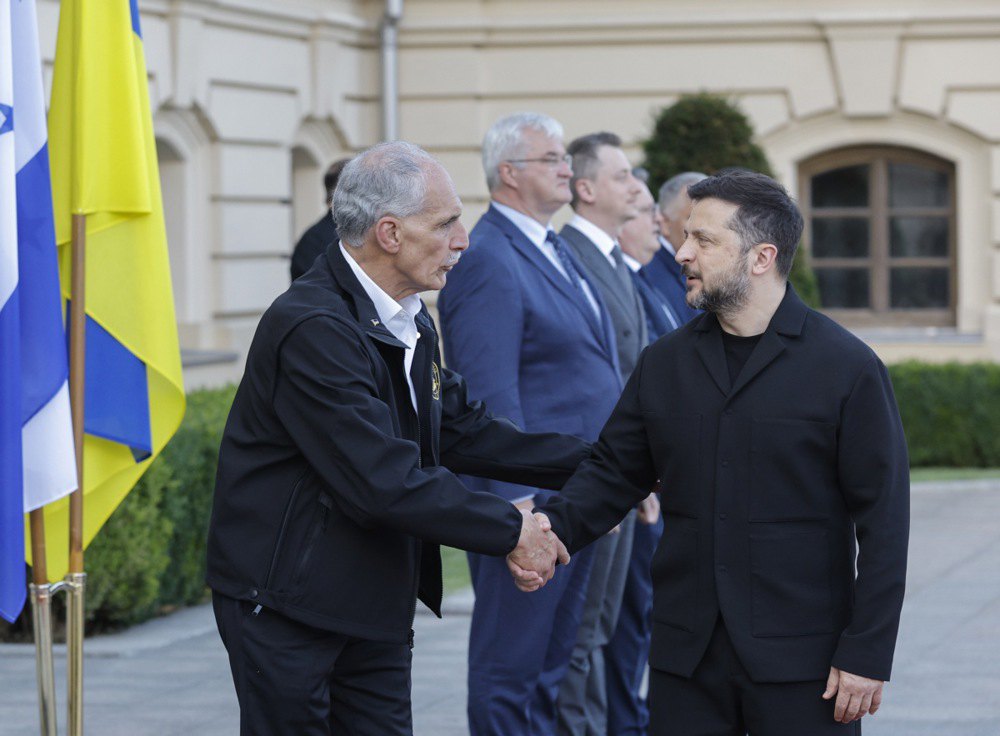
Over the past year, following a change of government, Honduras has begun implementing a more pro-Ukrainian foreign policy course, supported the UN General Assembly resolution on a sustainable peace and started to distance itself from Russia. In June 2026, Kyiv for the first time in the history of independent Ukraine hosted Honduras’s President Nasry Asfura. The sides discussed specific areas of practical co-operation: Ukrainian defence technologies, drone production, agricultural co-operation and digitalisation.
A month later, Zelenskyy held a telephone call with Costa Rica’s President Laura Fernández Delgado, during which Costa Rica expressed interest in Ukrainian experience in the security sphere. Costa Rica consistently maintains a pro-Ukrainian position, joined the group of states working to establish a Special Tribunal for the crime of Russia’s aggression against Ukraine, and supports efforts to return abducted children.
Ukraine must seize the momentum and formulate substantive co-operation proposals for interested countries, which would help offset years of Russian influence in the region. For small states facing organised crime, smuggling and weak border control, Ukrainian developments in unmanned reconnaissance, electronic warfare and the protection of critical infrastructure are of high value. “Drone deals” can compensate for the lack of historical diplomatic ties and open new opportunities for Kyiv in Latin America.
The Lithium and Copper Triangles
The “Lithium Triangle”, which includes Bolivia, Argentina and Chile, accounts for almost half of the world’s lithium reserves, making it a point where the interests of the US, China and the EU intersect—and, in Bolivia’s case, Russia as well. Chile and Peru are the world’s leading suppliers of copper, which, like lithium, is critically important for battery technologies, electronics and the defence industry, and therefore, among other things, for Ukraine’s post-war reconstruction.
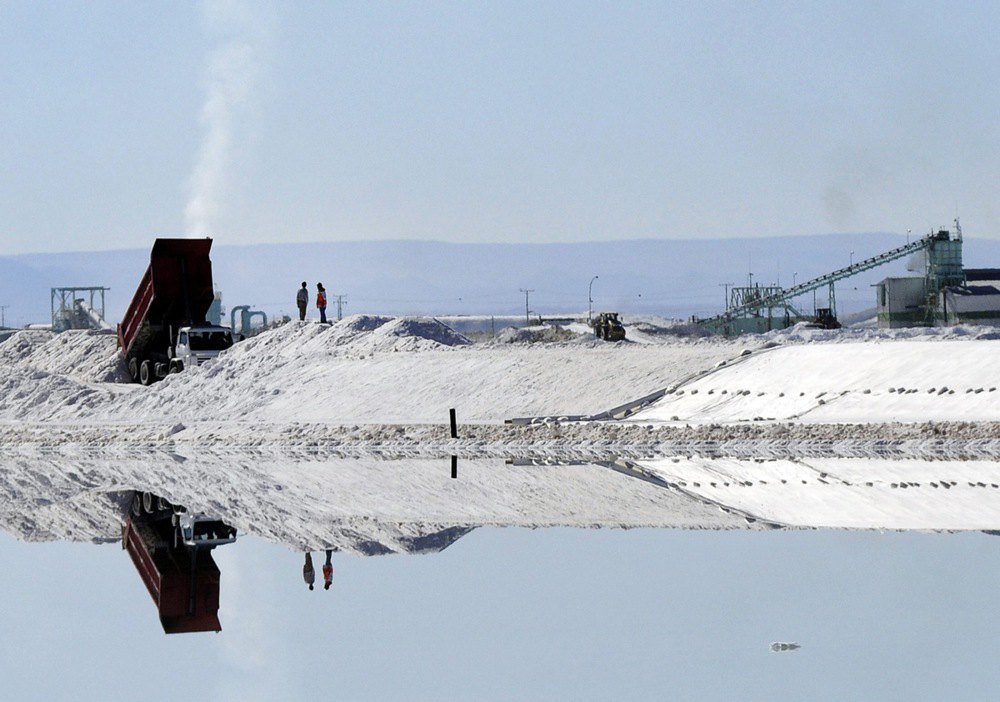
Given attempts by the EU and the US to overcome China’s monopoly in critical materials, accumulators, batteries and other electronics, the most effective approach for Ukraine will be to promote trilateral co-operation with the EU and friendly Latin American countries. At the same time, efforts should be directed towards introducing a free trade regime with these countries and seeking areas of co-operation in the extraction and processing of critical raw materials, battery production, the defence-industrial sector, and so on.
Information Confrontation
The problem of Russian disinformation in Latin America lies in the stark imbalance between the presence of Ukrainian and Russian media resources. The two main Russian media outlets in the region—RT en Español and Sputnik Mundo—reach an audience of around 32 million people. Moreover, RT’s Spanish-language service is considered the most successful of all its language services, more effective even than the English, Arabic, German and French versions. Meanwhile, Ukraine’s media presence in the region is close to zero.
The situation is worsened by the fact that many Latin Americans, due to the socio-historical context, are inclined towards negative attitudes to the United States. Russia exploits this effectively, presenting most content as criticism of the West and promoting narratives such as: Ukraine is a NATO puppet that threatens Russia; Ukraine as a “Nazi regime”; Russia is waging an “anti-imperialist war” against the West.
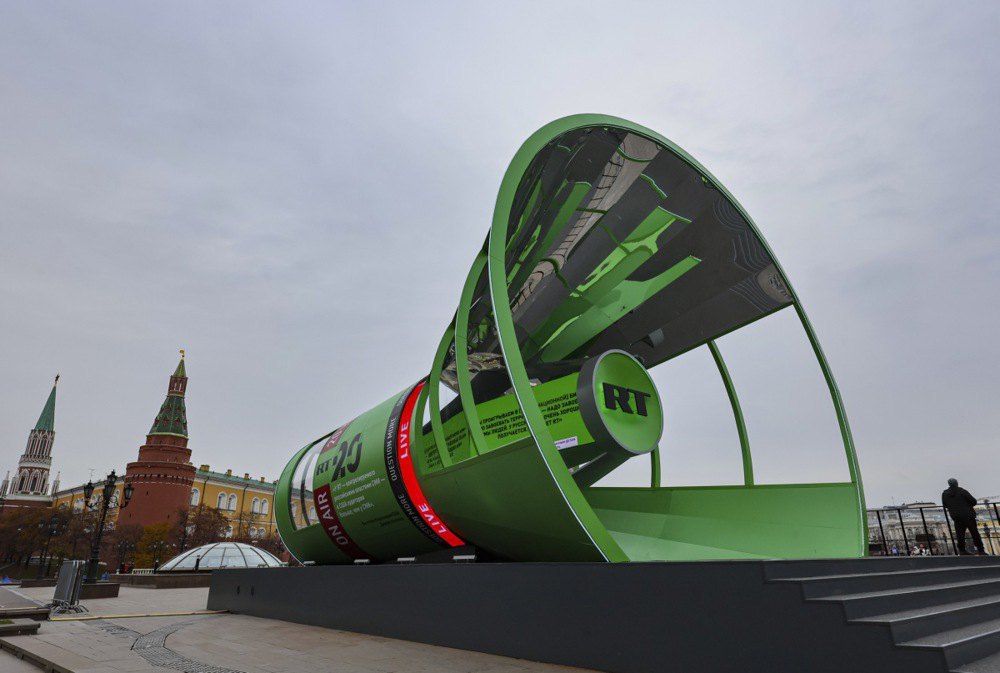
Russian media effectively tailor anti-Ukrainian content to the specific concerns of Latin American audiences, manipulating themes of colonialism or food security. They push claims that sanctions against Russia restrict food production and harm global food security, and that the maritime corridor for exporting Ukrainian grain supposedly benefits only Europe and does not take into account the needs of the poorest countries.
Ukraine needs to build a more active, dedicated line of public diplomacy in the region, invest in Spanish- and Portuguese-language content, develop co-operation with local fact-checking networks, and systematise work with journalists and universities.
It is important that citizens of countries far from Ukraine have a genuine alternative to Russian propaganda, which in turn will become a long-term tool for improving awareness of the Russo-Ukrainian war and reducing Moscow’s influence.
From Local Successes to a Systemic Presence
Russia’s full-scale invasion has strained Ukraine’s relations with some Latin American states, shed light on the shortcomings of past years’ diplomacy, but at the same time created new opportunities to reset relations with a significant share of the region’s countries.
Brazil remains the main challenge—a state with which Ukraine will have to compete hard in a number of areas, while also engaging in the context of its claims to mediate peace arrangements. Argentina requires adaptive diplomacy and a search for ways to channel its aspiration for Western integration into strengthening partnership with Ukraine. The unexpected interest of Honduras and Costa Rica in Ukrainian security and technological expertise should become the foundation for building a new foreign-policy vector in the region. And even partial integration into the chains of extraction and processing of critical materials, the production of batteries and other electrical goods will significantly affect the quality of Ukraine’s post-war economic development.
Local successes in the region must be turned into a systemic presence as quickly as possible.