





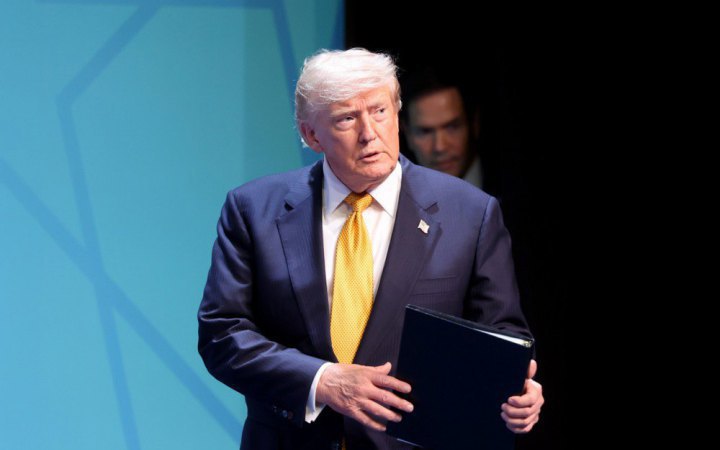
A new wave of US pressure on Ukraine began with the Ukrainian president’s visit in September, The Wall Street Journal reports. According to sources cited by the journalists, at a meeting with Volodymyr Zelenskyy Donald Trump pressed him, asking why Ukraine was attacking Russian oil refineries.
Sources familiar with the talks said the US had asked Ukraine dozens of times to stop such strikes. Ukrainian officials replied that they would agree to any energy ceasefire with Russia, but Russia would not.
“Over the following month, Trump grew increasingly frustrated with Zelenskyy as the Ukrainian strikes continued. The president was irritated that Ukraine was using American resources to hit Russian energy exports in a way that, in his view, could harm American consumers, these people said. In early October, senior officials from Ukraine and Europe flew to Miami for a meeting with two of Trump’s leading advisers, seeking to revive peace talks. The 9 October talks, led by Trump’s son-in-law Jared Kushner and US special envoy Steve Witkoff, were intended to prepare new proposals to end the war that would be acceptable to both Russia and Ukraine,” the report says.
During the meeting, Kushner and Witkoff said the president was considering a diesel deal with Russia. Ukrainian and European officials were stunned. Kushner and Witkoff insisted that the Ukrainians and Europeans prepare a new package of proposals that could be taken to Russia in an attempt to bring the war to an end. That same day, Trump held a 90-minute phone call with Putin and, shortly after it ended, announced a diesel deal.
MPs and officials told journalists that several Republican lawmakers called the White House in anger after the announcement. They said the deal handed Russia a win without any concessions on its part and ran counter to a law passed in 2022 that bans the US from importing Russian energy products without prior consultations with Congress.
Strikes on the occupiers’ oil infrastructure are an important part of Ukraine’s strategy to inflict damage on the aggressor. Energy analysts largely agree that the rise in energy prices, including diesel, was driven by the conflict with Iran.
Context
On 22 September, the US and Ukrainian presidents met in the United States on the sidelines of the UN General Assembly. Volodymyr Zelenskyy said that Trump had not demanded a unilateral ceasefire by Ukraine against Russia.
Talks between the Ukrainian team and Steve Witkoff and Jared Kushner were scheduled for 9–10 October. However, the negotiations lasted only one day. During the teams’ talks, Trump suddenly announced a deal with Russia on diesel.
After that, Trump returned to commenting on Ukraine’s domestic politics and said Ukraine needed to hold elections for a new president. All of this was happening against the backdrop of the approaching US midterm elections and the continuation of the global energy-market crisis that began after Iran’s strikes on oil refineries in the Gulf states.
On 12 and 13 October, partners did not inform Ukraine about ballistic launches. The missiles were detected only as they approached the city, although during the dawn attack on 14 October there was already a warning. At the same time, on 14 October the Ukrainian military received Starlink satellite communications system speed restrictions. It is crucial both for carrying out strikes on the occupiers and for the ability to shoot down drones.