





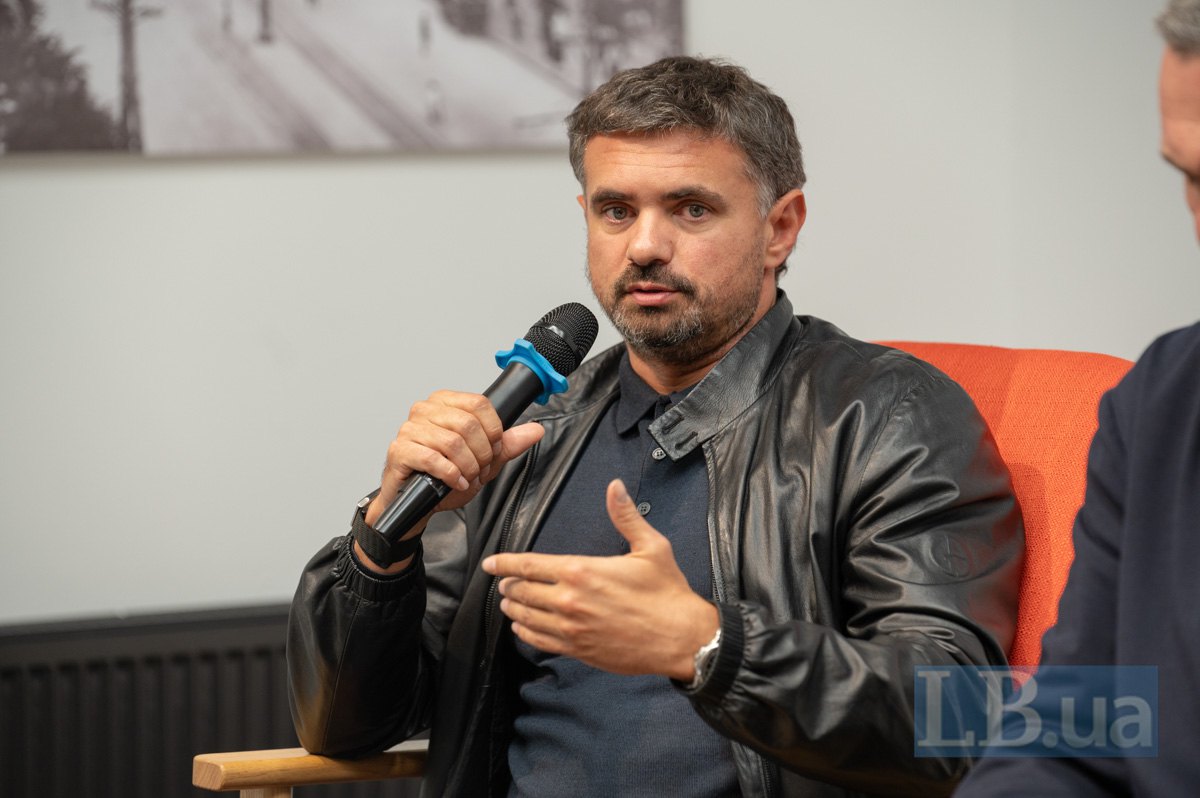
“The last ‘trump card’ Putin has left, apart from nuclear weapons and an attack on NATO countries, is to break Ukraine’s home front. Because the front line is holding, and I believe it will continue to hold,” Ihor Liski said. “Without Patriot, Kyiv — the centre of political resilience, where state authorities are based, where ambassadors, the media and so on are located — would quickly have turned into a frontline city. And the Russians are very keen, through Kyiv, through Kyiv’s residents, to break the resilience of the Ukrainian people.”
“What Russian strategists are doing now is a terrorist hybrid attack on Ukraine aimed at sowing panic. Centuries have shown that shelling, killing civilians, panic do not collapse the front line. They are trying to break the home front. And then that starts to put pressure on the front,” Ihor Liski expanded on his point.
The main counter to such a scenario is communication, he is convinced. Panic and despair arise when people do not have enough information, do not understand what to expect, what will happen tomorrow. Whereas unity and resilience in Ukrainian society undermine the Russians’ tactics.
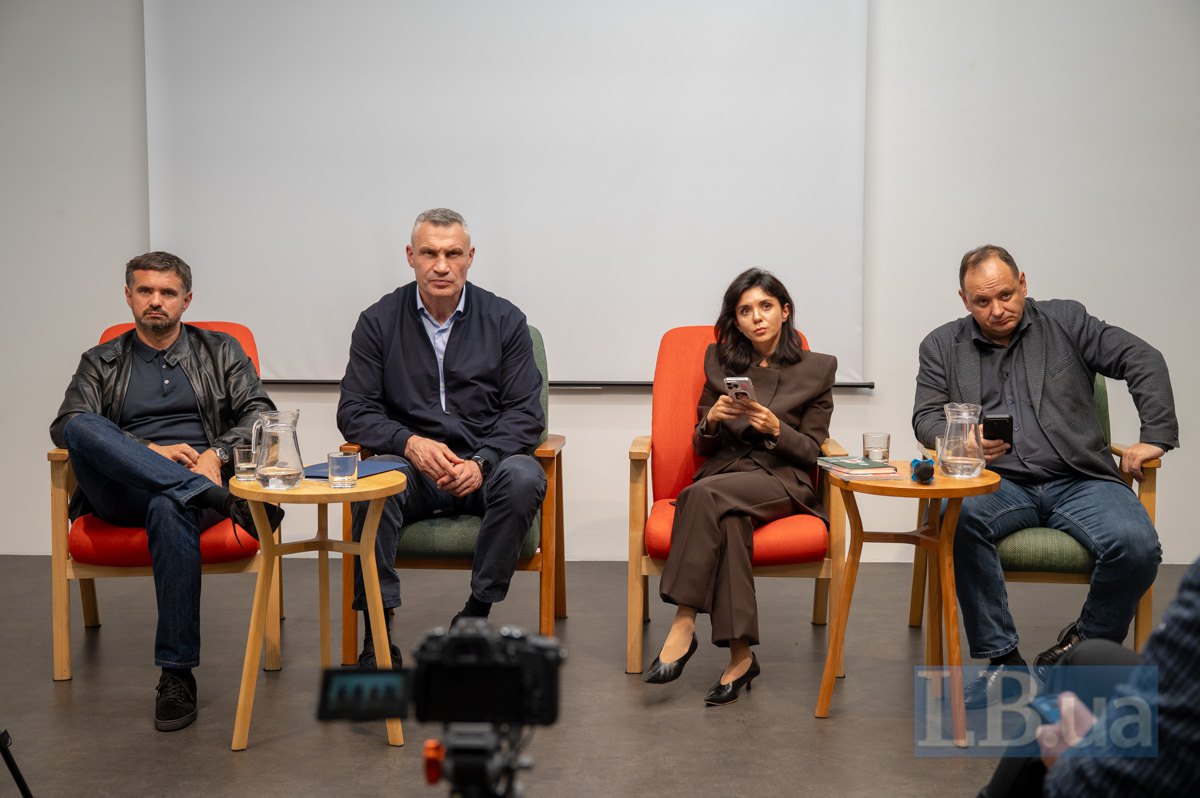
And here, in Ihor Liski’s view, a very important role is played by cooperation with local authorities, whose self-organisation and patriotic stance at the start of the full-scale invasion became “one of the main factors in the country’s flexibility and resilience”.
“When ‘friction’, as I call it, begins between local and central government, you immediately want to recall 2022, when all of Ukraine united around a single goal — there were no political colours then, mayors were not competing over who had done what better. Since then our main goal has not changed — we still have to survive. And only after that will there be elections, political competition.”, Liski stated.
Businesses, which have been suffering badly from shelling lately, also lack crisis communication, the entrepreneur says.
“Without understanding how to get through this winter, without trust in the authorities, business will think only about one thing — should we move to, say, Ivano-Frankivsk or to Poland? And that is a vicious circle. No people — no business. No business — no taxes. No taxes — no money for recovery and defence. This is a very delicate matter, where everything is tied together by a single ribbon, and all of us need to build trust,” Ihor Liski notes.
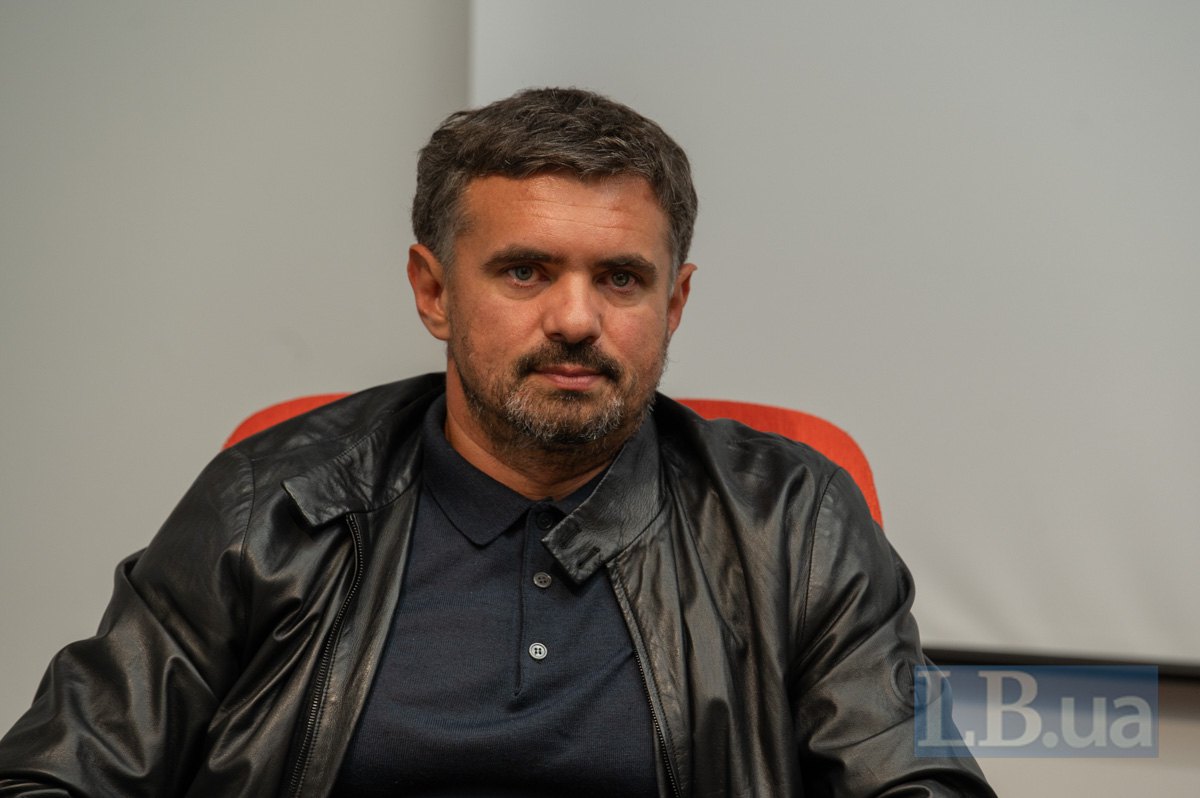
That is why supporting business, he stresses, is very important, even if the state cannot help financially.
“Every business that has stayed and is working in Ukraine now is, you know, an alloy of resilience, confidence and patriotism. The main thing is to give it faith in tomorrow and support. Let’s not kid ourselves that local authorities or the government can somehow provide major financial help. But for me, for example, it is important that they use the money they do have as effectively as possible to ensure the infrastructure remains, that there is electricity and water, that the sewage system works,” the businessman said.