





On 25 November, a consortium led by US investor Todd Boehly signed an agreement to buy all overseas assets of the Russian company Lukoil — refineries in Bulgaria, Romania and the Netherlands, fields and a network of filling stations.
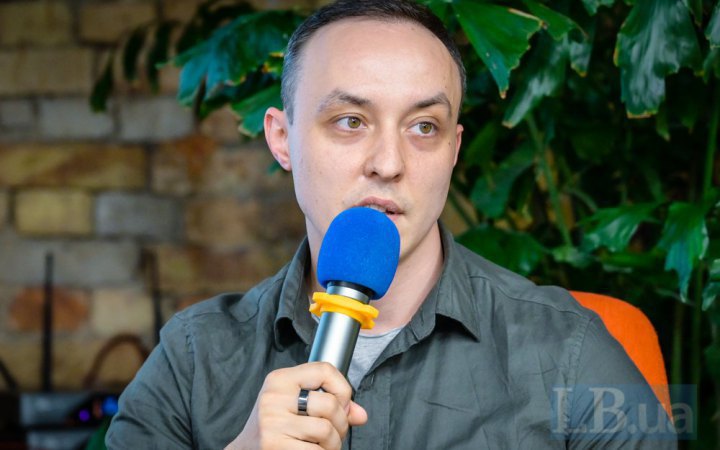
Details of the deal and its potential risks were outlined by the adviser — the President of Ukraine’s Commissioner for Sanctions Policy Vladyslav Vlasiuk.
According to him, the settlement will be made not in cash but in the company’s shares.
“They are paying not with cash but with Lukoil shares themselves with a face value of $10 billion, which the consortium bought from Western funds at roughly 30 cents on the dollar. That is, about $3 billion for assets worth $16 billion. Since 2022, these shares have been frozen and written off. Lukoil does not receive the shares immediately; they are placed in escrow in the UAE. The deal has not yet closed: a separate US Treasury licence is required, and this could take up to a year,” Vlasiuk wrote on his Facebook page.
The presidential adviser added that, on the one hand, no “real” money is going to anyone in Russia, but at the same time Lukoil could secure a deferred benefit — getting its own shares back if they are ever released from escrow — in exchange for its blocked overseas assets.
“On the other hand, the Treasury’s guidance explicitly warns against an exchange of assets or shares that gives Lukoil an upfront benefit, and requires that Lukoil’s funds be held in an account under US jurisdiction. Here, the escrow is in the UAE, and we do not know when or under what conditions the shares will be released. That is why critics see this as a way around the purpose of sanctions, although formally no decision has yet been taken,” Vlasiuk wrote.
The commissioner also drew attention to the European dimension of the situation. Lukoil is still not under sanctions in the EU: in June, Bulgaria objected to including it in the 21st package, and Lukoil did not appear in it. If the EU sanctioned Lukoil, it could have a say over the sale of its assets on its territory. At present, Brussels has no such leverage,” Vlasiuk noted.