






The emergence of 28 points of the peace plan, which closely resembled Russian demands, coincided with the height of a corruption scandal in Ukraine. The initial reaction to the document was predictable mistrust. People said that Trump could not have so easily agreed to the Kremlin’s terms and approved such an unbalanced project, which in form resembled a hidden capitulation by Kyiv. But later it became clear that everything was quite serious.
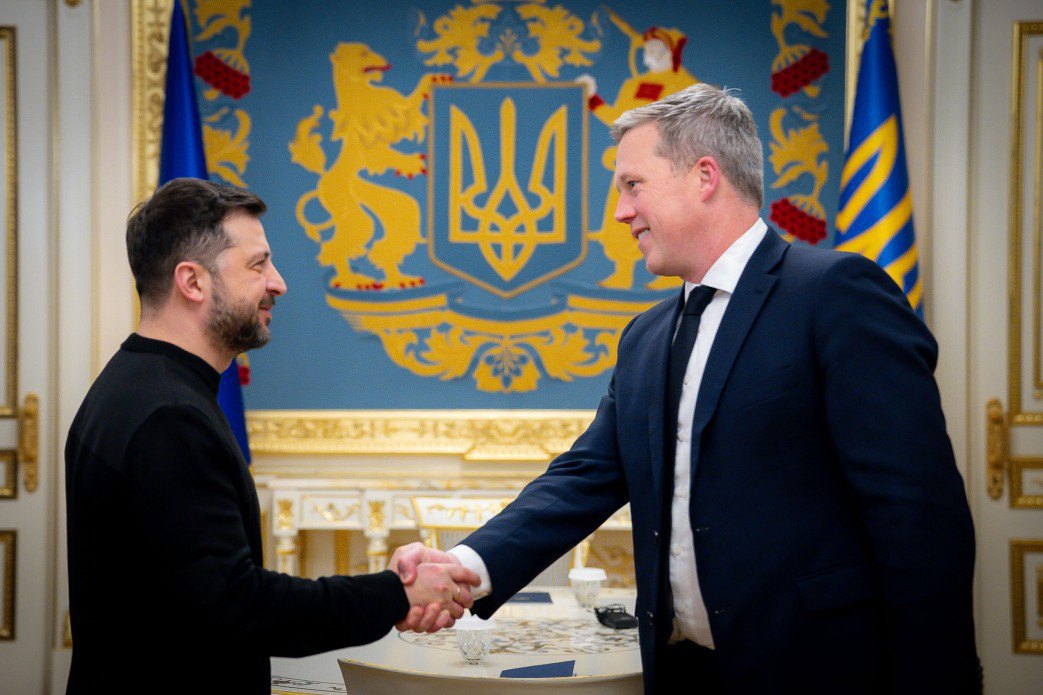
On 19 November, US secretary of the Army Dan Driscoll arrived in the Ukrainian capital. He met President Volodymyr Zelenskyy and other officials. The American general presented a 28-point “peace agreement” and warned of the threat of military defeat and the deterioration of Ukraine’s negotiating position in the future.
Kyiv then had to urgently call on its European allies to help stabilise the situation. The negotiations between the US and Ukraine in Geneva resulted in a 19-point document. The most dangerous provisions were allegedly removed from the draft peace agreement, and it took on a more balanced form.
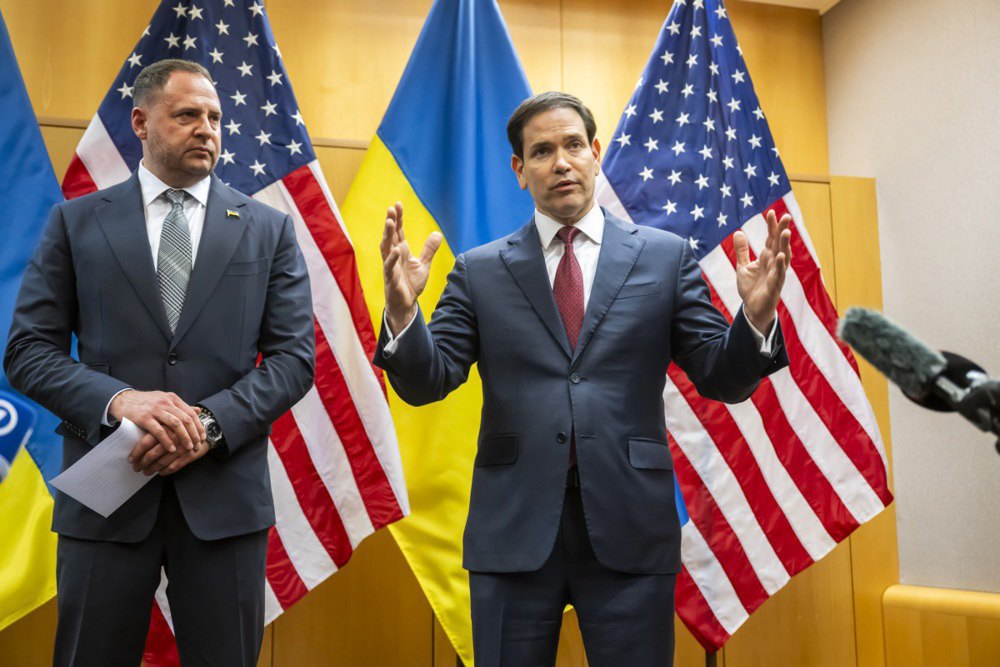
Donald Trump stated that he was not setting strict deadlines for the signing of the document. Negotiations with the Americans resumed in Miami on 30 November. US Secretary of State Marco Rubio described them as “a productive continuation of the negotiations in Geneva”. He added that America’s main goal is to help Ukraine become secure forever so that it never faces another invasion.
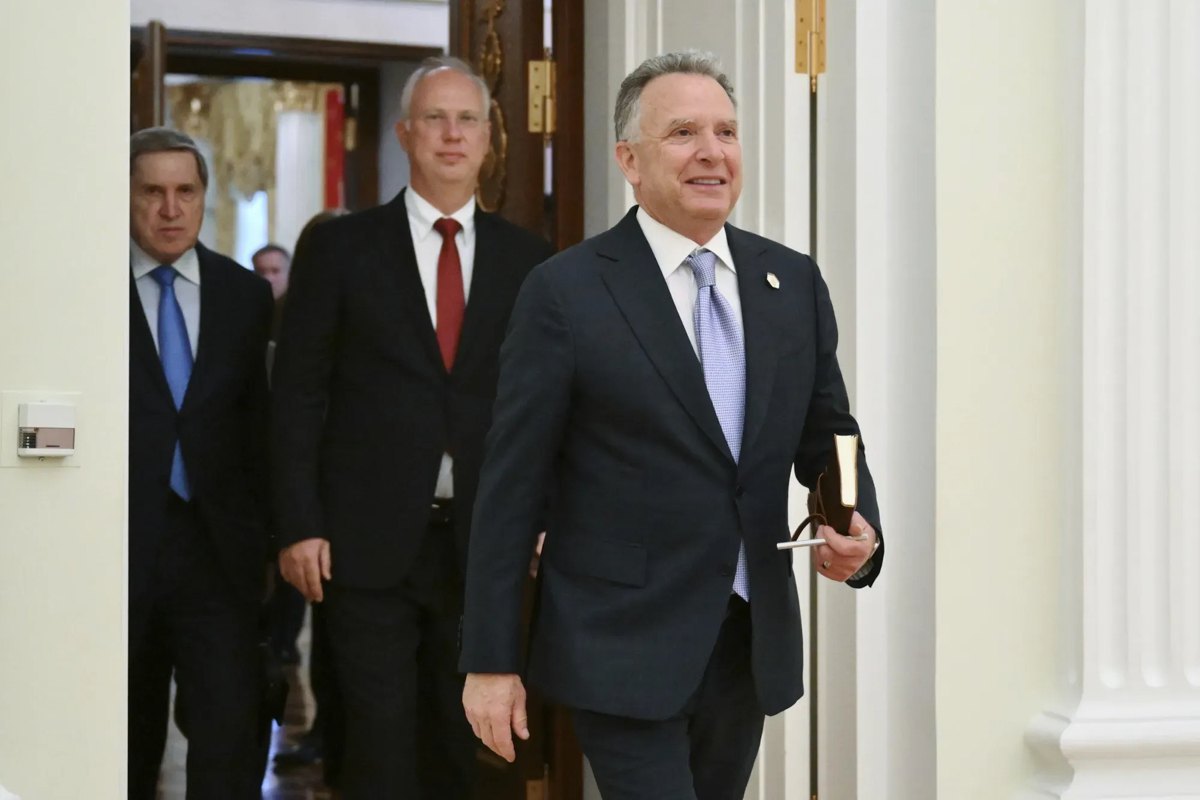
It would seem that yet another attempt to force Ukraine to capitulate has been thwarted. But there are several aspects of these negotiations that are particularly alarming. When Bloomberg published Steve Witkoff’s tapes on 25 November, in which he advises Russians on how to approach Trump, what to say and when to call, many viewed this as a turning point. They said that after such a scandal, Witkoff would be removed from the diplomatic track as someone who had overstepped the bounds of the permissible, shown bias towards Russian influence, and undermined the American president.
But nothing of the sort happened. While Steve Witkoff’s position may have been temporarily shaken, it did not affect Donald Trump’s decision to retain his status as a special envoy and a key figure in contacts with the Kremlin. The American president saw no signs of dishonesty in his billionaire friend’s actions. According to Trump, this is the point of negotiations and the art of making deals. In other words, Witkoff has to “sell Ukraine to Russia” — and to sell Ukraine a so-called peace agreement. The rest, he believes, is merely detail. At the same time, pressure to force an agreement is considered an acceptable method of negotiation.
The leaked conversation between Steve Witkoff and Putin’s foreign policy adviser Yuriy Ushakov caused only a moderate reaction in the American political environment. Republican Don Bacon, a member of the US House of Representatives, called for Witkoff’s dismissal from his position as special representative because he cannot be trusted. His fellow Republican Brian Fitzpatrick also criticised Witkoff’s conversations with the Russians, calling for an end to secret meetings and urging that Secretary of State Marco Rubio be allowed to do his job. But overall, the level of outrage among Republicans remained controlled.
Democrats predictably condemned Witkoff’s conversation with Ushakov as treason and a threat to national security. Representative Ted Lieu called Witkoff a traitor and said he should be working for America, not Russia. Co-chair of the Democratic Party’s Ukrainian Caucus, Congressman Mike Quigley of Illinois, said that apart from Secretary of State Marco Rubio, Mr Trump’s team does not understand the need to “show Putin strength” and “how best to unite with its allies”. Yet overall, their reaction was also rather sluggish for an opposition political force.
Trump’s reliance on Witkoff suggests that the American president does not understand — or does not want to understand — the underlying causes of Russian aggression against Ukraine. For him, the conclusion of an agreement is more important than justice or the norms of international law. Negotiations with Ukraine are conducted as bargaining with elements of blackmail. Washington is trying to sell Ukraine “guarantees” without guarantees. The White House believes that simultaneous pressure on the victim of aggression and the aggressor is an acceptable approach. At the same time, it prefers to put pressure on the weaker party, seeing that it is more compliant and has fewer advantages. In pursuit of an illusory agreement, Trump is apparently ready to recognise certain occupied territories of Ukraine as Russian. And he is not averse to making money from frozen Russian funds. The intervention of Marco Rubio and Republican hawks only partially corrects this line of behaviour by the White House.
The Russians seem to understand perfectly well the psychological vulnerabilities of the business wing of the American administration, which has been entrusted with resolving serious issues of world politics. It is no coincidence that in private conversations they reassure Witkoff and other members of Trump’s team with prospects of profitable economic cooperation. They tempt them with Arctic development, joint projects for the extraction of rare earth metals, and the development of oil and gas fields. People who view the world through the prism of money and profit are vulnerable to such promises. And they are ready to compromise their principles in order to make them a reality.
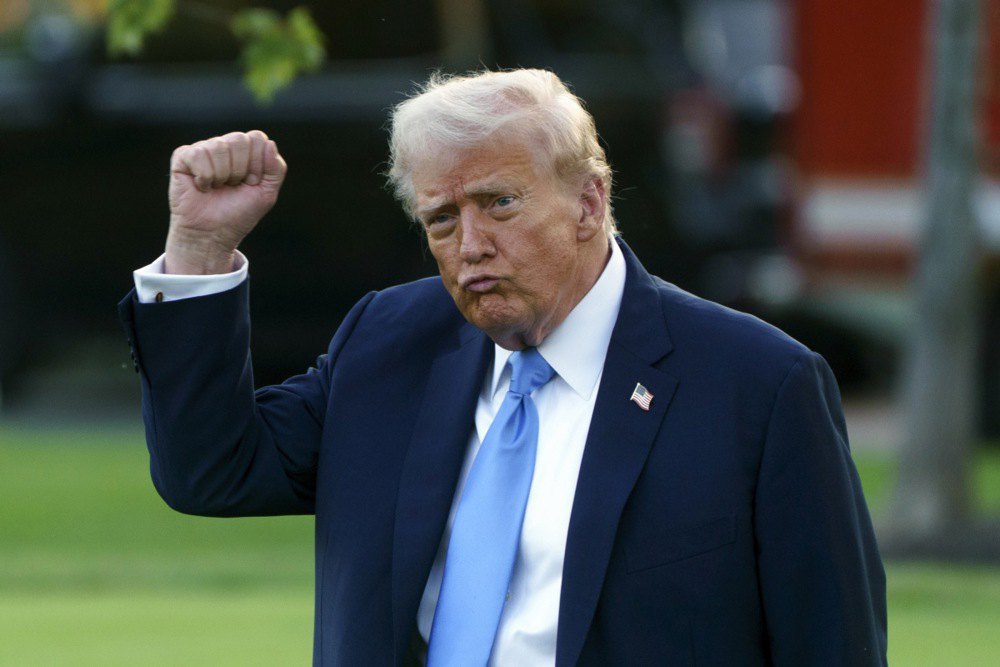
Trump is driven by a fixed idea: to tear Russia away from China and make it his ally. But this is well understood in both Beijing and Moscow. In reality, the Kremlin has no desire to join the Western bloc. And even if it did, it would be unable to sever ties with China painlessly. For the PRC, the Russian Federation is a resource base in the event of confrontation with the West. China will never allow Moscow to break free from its tight embrace.
In this cynical world, Europe is trying to save face and prevent an excessively unjust peace agreement between Russia and Ukraine. But due to demilitarisation and dependence on America, its capabilities are limited. In negotiations, Europe acts more as a third party with an advisory vote than as a full participant. And Washington and Moscow are trying to minimise its role.
It must also be acknowledged that Kyiv has demonstrated chaos and inconsistency in the diplomatic track on the formula for ending the war. Ukrainian diplomacy during the full-scale war often showed noticeable dysfunction and failed to keep up with changing events. The Ministry of Foreign Affairs was overshadowed by the Office of the President. In 2022 and 2023, the Ukrainian authorities behaved confidently on the international stage. They put forward maximalist demands that, unfortunately, did not correspond to real possibilities.
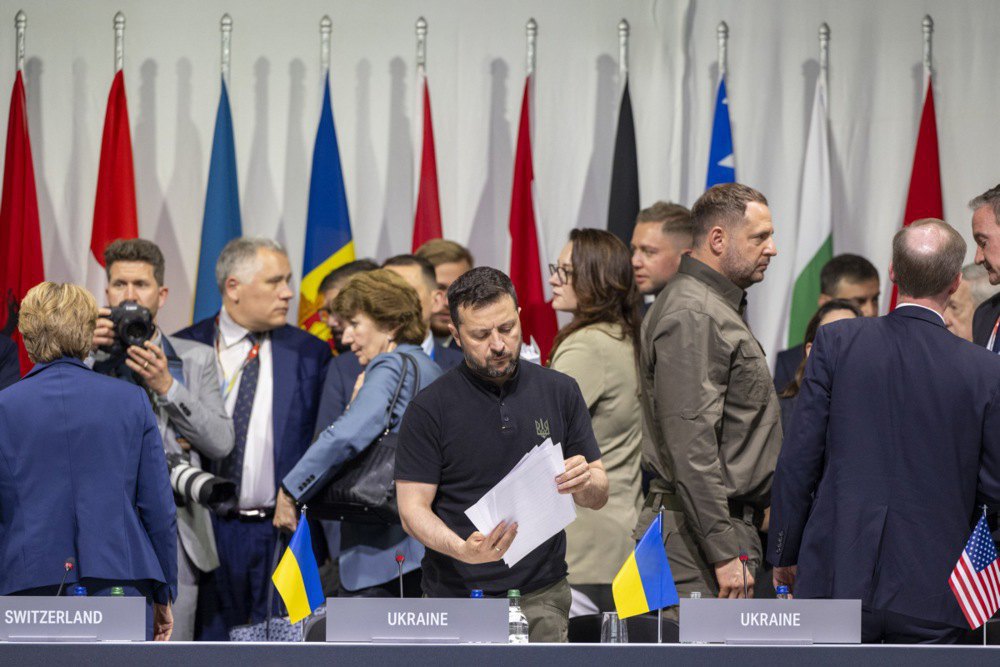
Then there was a campaign to conclude security agreements with various countries, which the media for some reason dubbed security guarantee agreements. In 2024, Kyiv made significant efforts to organise the Global Peace Summit in Switzerland. It was expected to become a platform for real peace negotiations. Now, no one even mentions this international forum. The Ukrainian authorities’ approach to forming a negotiating team also raises many questions. This undoubtedly increases the risks.
Russia’s attack on Ukraine was a shock to global security. But international politics is undergoing tectonic changes not because of the aggression itself, but because Moscow, with the help of diplomacy, will probably receive satisfaction for its actions — and a form of reward in the shape of newly conquered territories. In the future, this is almost guaranteed to trigger dangerous scenarios in different parts of the world, which could lead to new wars over the redistribution of borders and spheres of influence.