





Russian military satellites could pose a threat to the Starlink network through orbital manoeuvres and potential interference with spacecraft operations.
This was stated by Germany’s Space Command chief, Major General Michael Traut, in comments to Reuters.
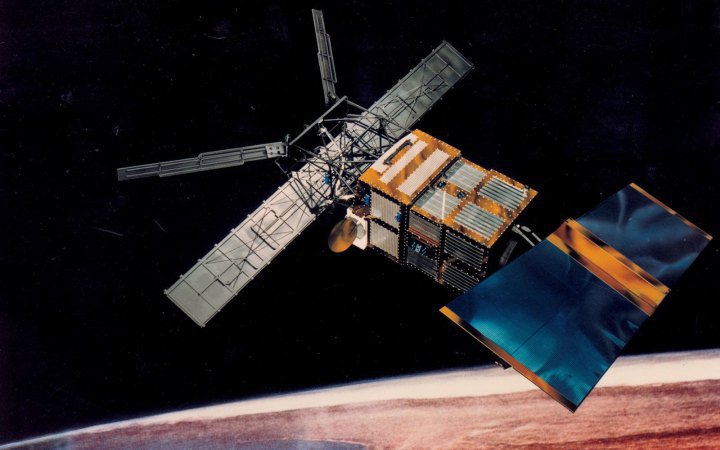
According to him, in May 2026 four Russian military satellites from the “Kosmos” series approached a commercial radar satellite operated by Finnish company ICEYE. The US Space Force reported the manoeuvres, and ICEYE confirmed that it involved its satellite.
ICEYE provides satellite data to the United States and its allies, including Ukraine. Satellites of this type make it possible to obtain radar imagery regardless of weather conditions and time of day.
Traut described the actions of the Russian spacecraft as stalking the ICEYE satellite. He warned that similar capabilities Russia could use against large satellite constellations, including Starlink. This could shorten satellites’ service life and degrade the quality of communications for users.
According to the general, disrupting a satellite network does not necessarily require a direct attack. Russia could resort to “grey-zone” tactics that do not lead to open military confrontation but create risks for an adversary.
As an example, Traut cited a hypothetical situation in which a Russian satellite ends up in Starlink’s orbit and then breaks apart. Other spacecraft would have to change their trajectories to avoid a collision, burning fuel and shortening their operational lifespan.
ICEYE Chief Executive Rafał Modrzewski also said that after the company’s satellite changed orbit, the Russian spacecraft carried out additional manoeuvres. In his view, the incident demonstrated how closely satellites can approach one another for surveillance or potential harm.
As Reuters notes, Western officials link Russia’s increased activity in space to its full-scale invasion of Ukraine in 2022. This includes, in particular, jamming signals on Earth and manoeuvring satellites to gather intelligence.
Russia’s Defence Ministry did not respond to Reuters’ request for comment on the activity of its satellites. Previously, Moscow said Western commercial satellites that help Ukraine could become targets for retaliatory strikes. SpaceX, the operator of Starlink, also did not provide a comment.
Meanwhile, Germany is developing its own space capabilities. The country is working on inspector satellites and is considering creating orbital means to counter hostile activity without physically destroying satellites.
In addition, the German armed forces have signed a contract with ICEYE and a German company to build dozens of satellites intended to strengthen, among other things, support for NATO’s eastern flank.
- Since this summer Russia has been actively deploying its own “Rassvet” satellite constellation, which already provides at least two “communication windows” per day over Ukrainian territory. Looking ahead to mid-2027, the system could provide round-the-clock satellite coverage, creating new challenges for the Defence Forces.