






A Pioneer
Vladyslav Heraskevych is, without exaggeration, the face of Ukrainian skeleton, and this status will remain with him forever. It was he, together with his father and coach Mykhaylo, who became the founders of this sport in Ukraine.
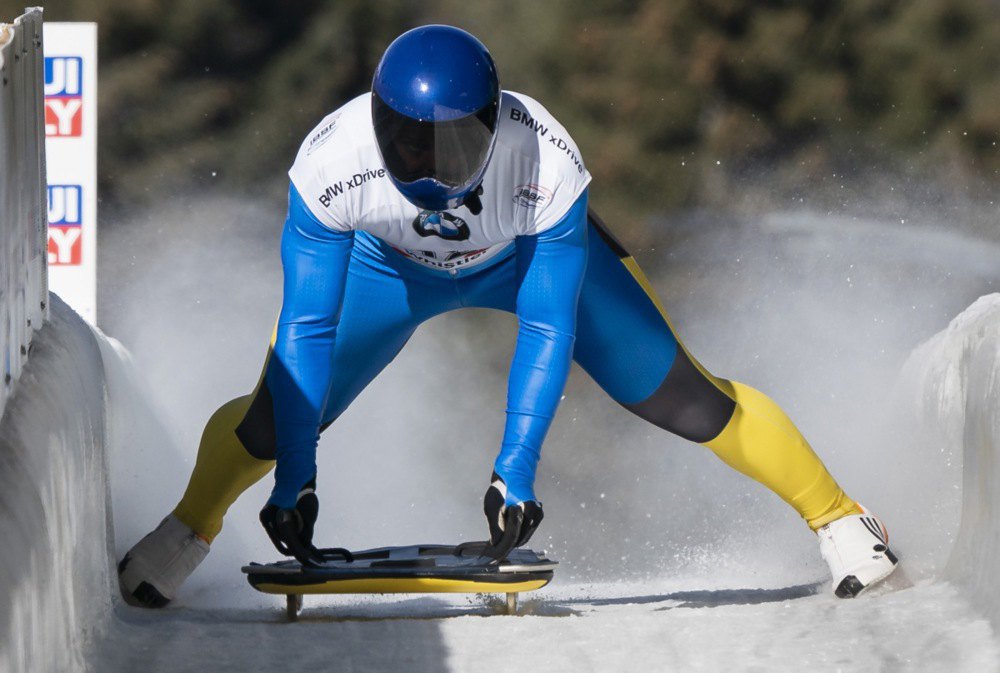
Why skeleton? During a conversation with the author of this text, Vladyslav once shared that he was passionate about karting, sledding, and later – Formula 1. He loves speed, so it’s clear that Vlad was drawn to skeleton, where athletes can reach speeds of 140–150 kilometres per hour during a run.
It’s worth noting that the choice wasn’t easy for Heraskevych, as he did boxing and strongman training in his childhood. Interestingly, one of the people Vlad crossed paths with during his training was strongman Oleksiy Novikov. Yet, out of all the sports, skeleton ultimately won.
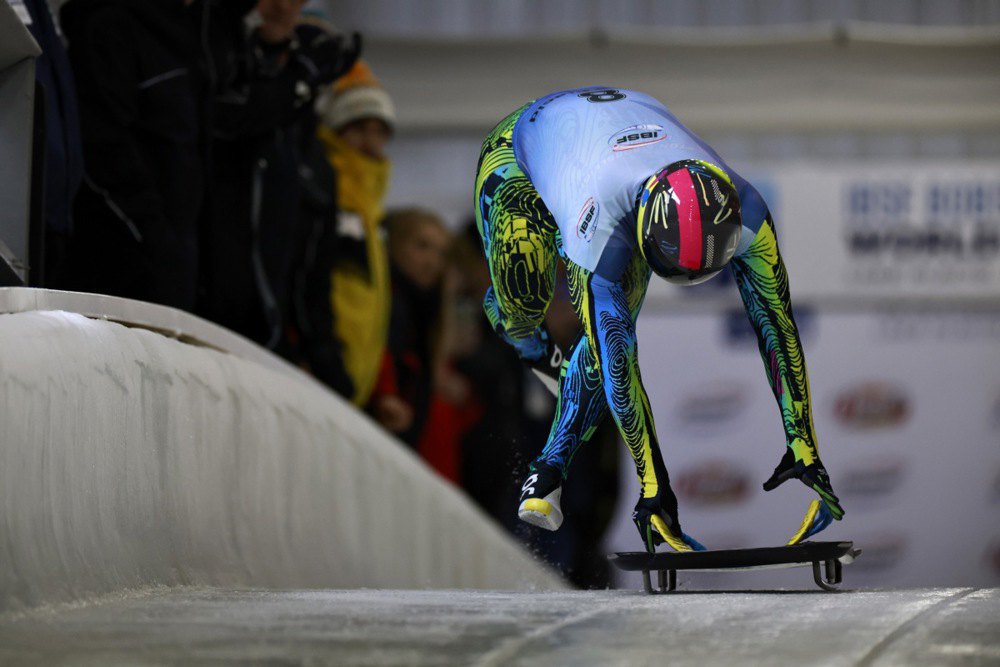
Vlad’s first serious competition, after starting skeleton from absolute scratch in 2014 (no one in Ukraine had done it before, so he had no one to guide him), was the 2016 Youth Olympic Games in Norway. Back then, the first Ukrainian in skeleton finished eighth. Heraskevych kept progressing and earned a spot at the PyeongChang Olympic Games, where he placed 12th – the best result for Ukraine at the Olympics.
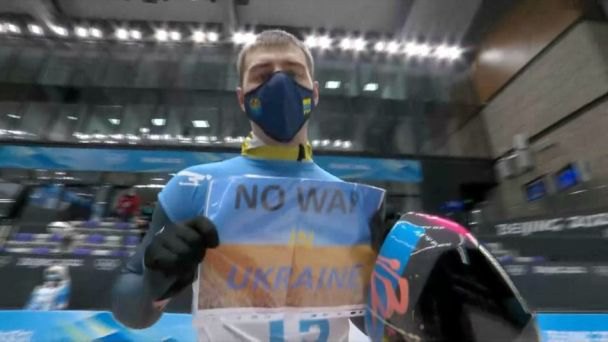
Throughout his career, Vlad steadily improved his results, consistently ranking among the top twenty in the world in his discipline at World Cup stages. As a result, he earned a spot at the 2022 Beijing Olympics, where he staged an anti-war protest.
Fighting against Russian participation, volunteering, and improving results
Four years ago, Heraskevych decided to urge the world to prevent a full-scale Russian invasion of Ukraine. According to LB.ua, some of his teammates reacted negatively at the time, claiming he was seeking publicity and was a “show-off.” The IOC, however, did not sanction Heraskevych, recognising his actions as a call for peace rather than political campaigning.
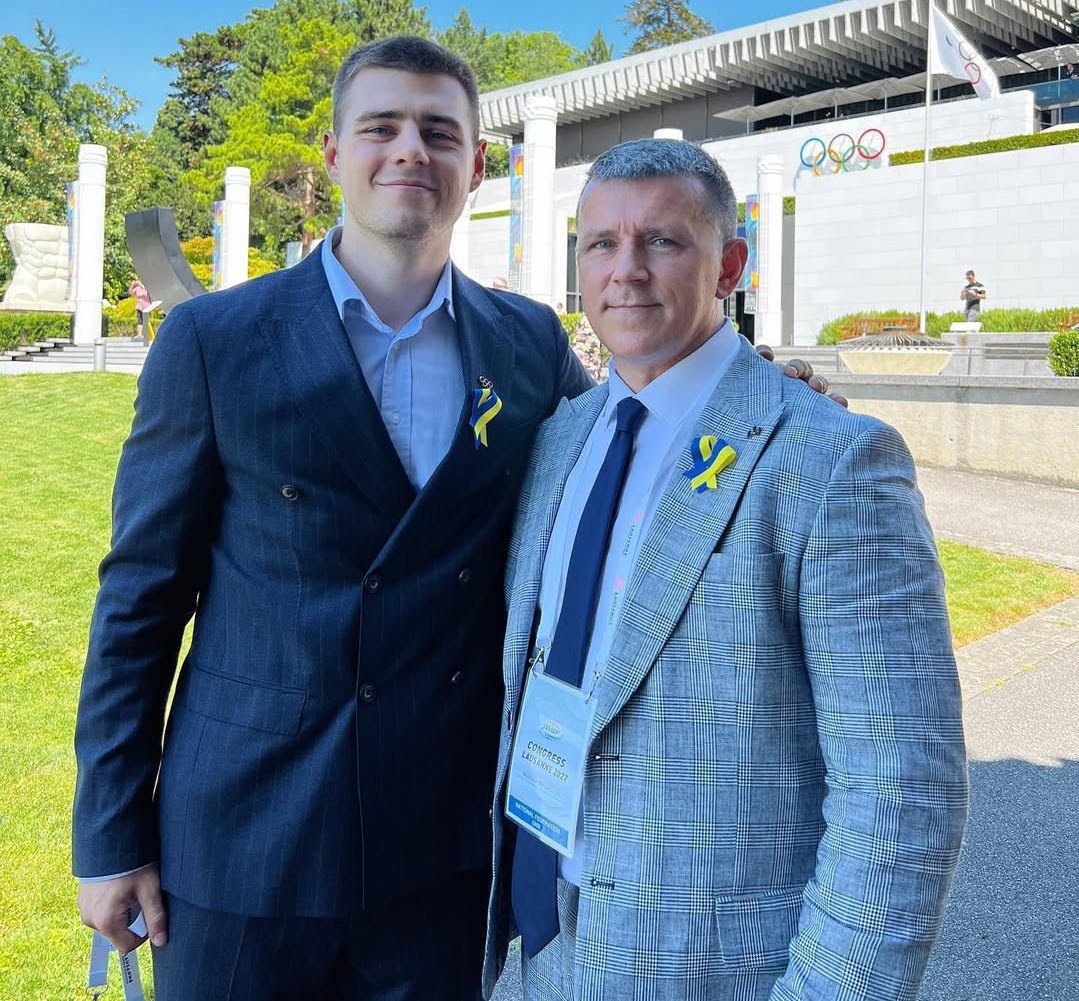
Thirteen days later, Russia launched a full-scale invasion of Ukraine. Vlad, together with his father, set up a charitable foundation, gave interviews to Western and domestic media, and campaigned to keep Russian and Belarusian athletes out of international skeleton and bobsleigh competitions. The overall trend supported this, and athletes from the aggressor countries were suspended. The ban lasted until October 2025, when the Appeals Tribunal of the International Bobsleigh and Skeleton Federation (IBSF) partially lifted the restrictions on Russian athletes, allowing them to compete under a “neutral” status.
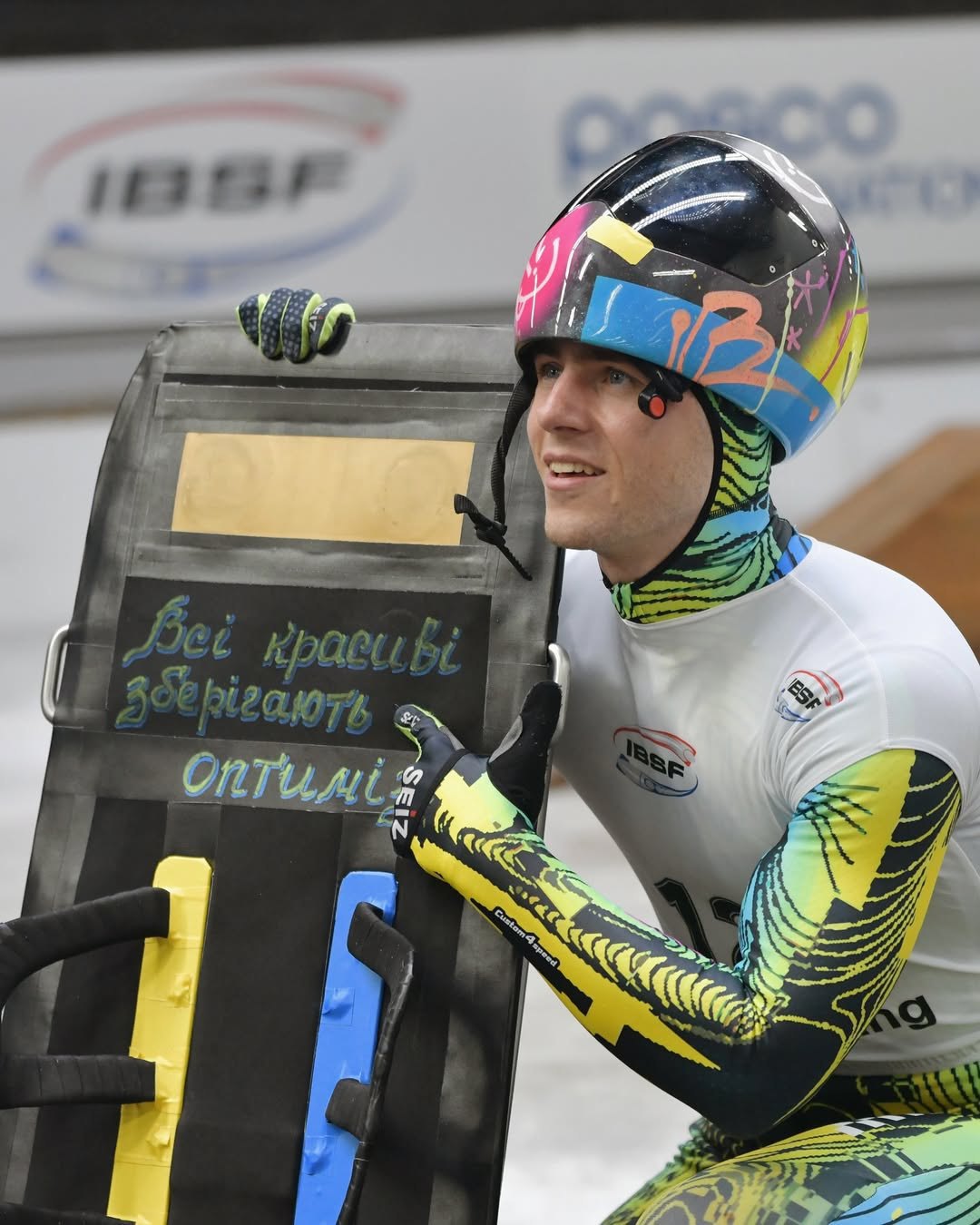
It’s important to note that ahead of this year’s Olympics in Italy, none of the “neutral” skeleton athletes managed to qualify, as they missed the licensing competitions. Without exaggeration, this wouldn’t have happened without the Heraskevych family, who, on behalf of the Ukrainian Bobsleigh and Skeleton Federation, defended the ban on Russian and Belarusian athletes at international events throughout the full-scale war, both at sports forums and official IBSF gatherings.
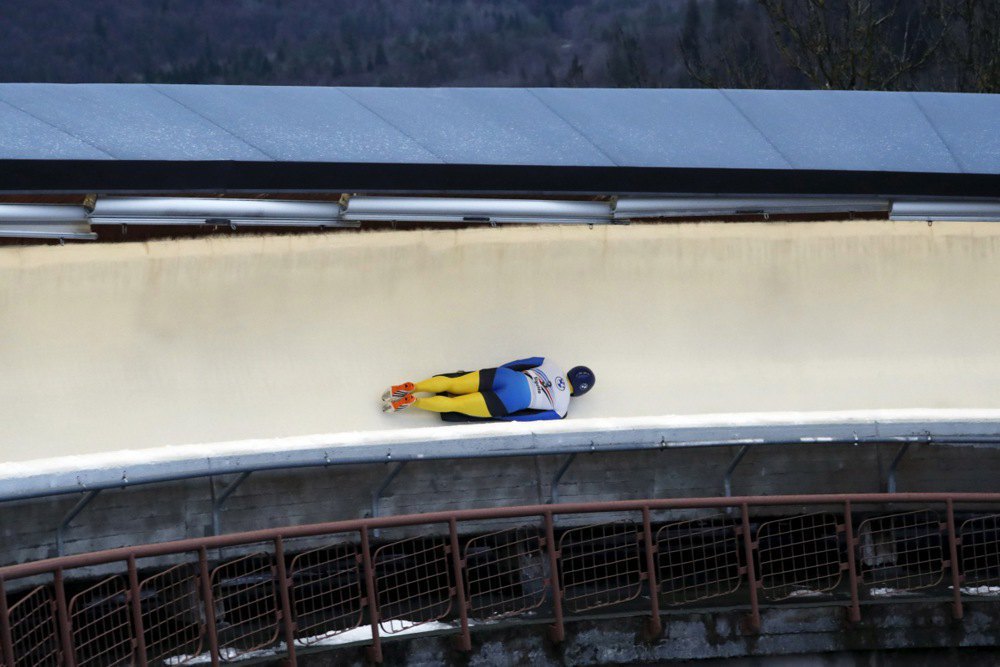
At the same time, Vlad was improving his results. In an interview with LB.ua at the end of 2024, he emphasised that he was already ready to fight for a medal at World Cup stages. Looking ahead, it’s worth noting that he came just short of the podium – Heraskevych finished fifth.
In a conversation with an LB.ua journalist, Vlad also touched on the role of Ukrainian athletes during the war.
“The world is very cynical, and everyone sides with ratings rather than justice. At the same time, no matter how hard it is, we need to keep talking about the war. Many of our athletes are doing this. It’s important to share information with people who don’t follow it closely. We need to draw our fans’ attention to what’s happening in Ukraine and share real-life stories with them,” he explained.
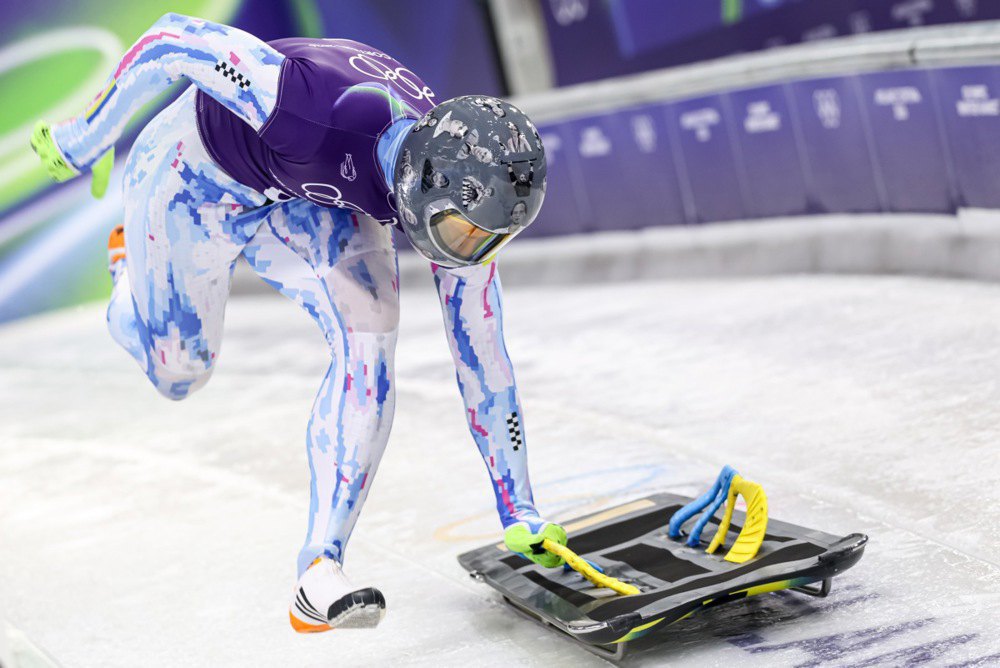
Heraskevych also emphasised that he tries to speak not about statistics, but about human lives. And he hasn’t lied.
Conflict with the IOC
After his protest in Beijing, the International Olympic Committee suspected that Vladyslav Heraskevych might do something similar in Italy, so they acted in advance. In an interview with Hlavkom, the skeleton racer said that the IOC had approached him with requests and warnings not to stage anti-war actions at the Olympic Games.
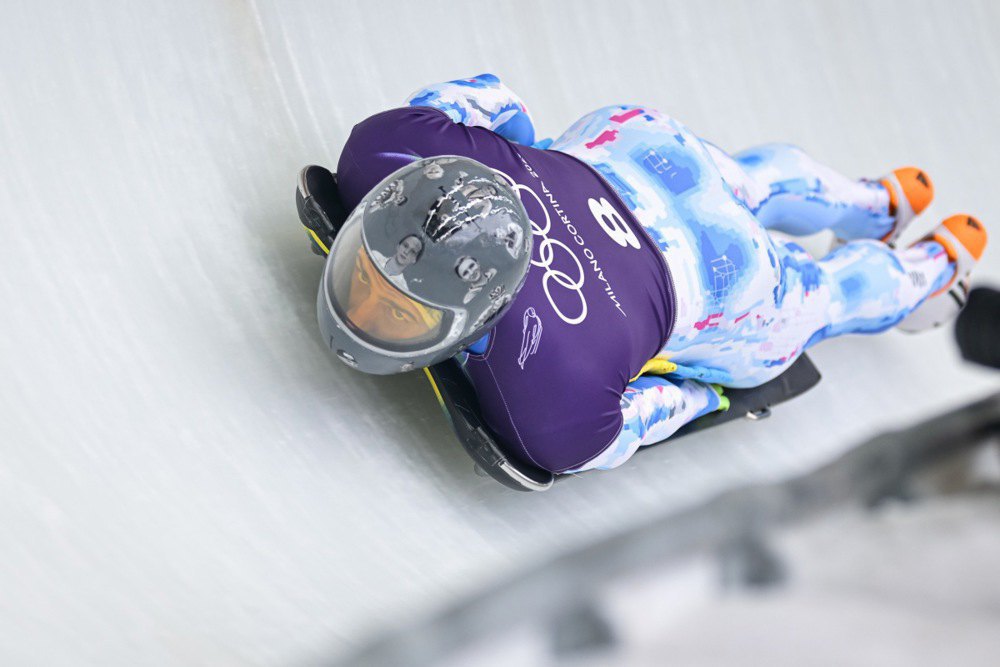
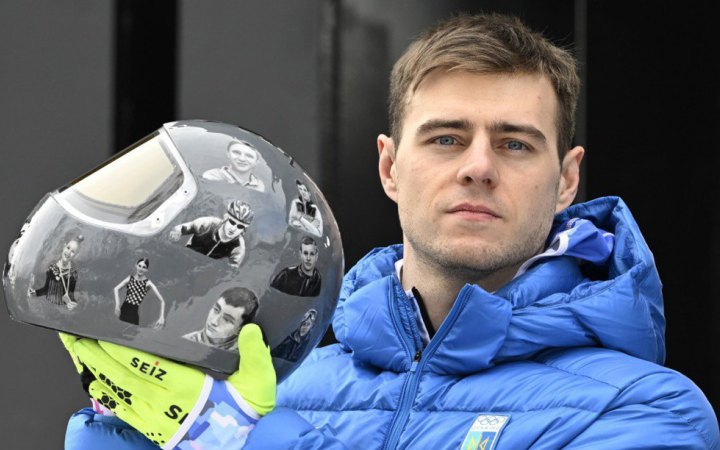
Vlad, however, had his own plans. He prepared a special helmet featuring the Ukrainian athletes who died as a result of Russia’s invasion and used it during training runs. After that, the IOC issued a statement banning Heraskevych from using the “memorial helmet,” offering an “alternative” – a black armband…
“There aren’t enough black armbands in the IOC to honour all the athletes who have died,” the Ukrainian skeleton racer said at a press conference in Cortina, adding: “My plan is to compete in this helmet at every training session and on race day.”
The IOC, meanwhile, is arguing that there are other ways to “express grief without violating Olympic principles” and has hinted at a possible disqualification for the Ukrainian athlete.
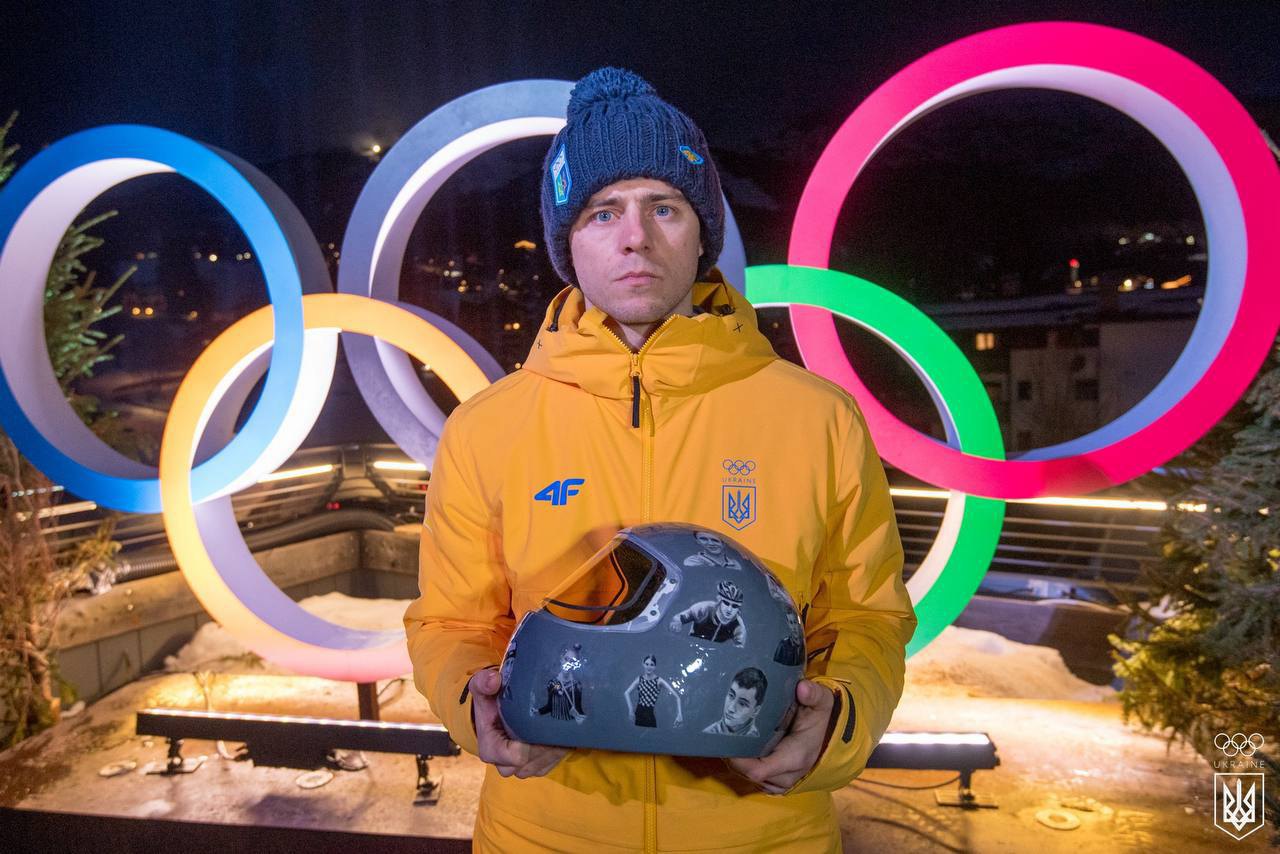
Vlad’s father, Mykhaylo, told Hlavkom that he assesses the likelihood of his son’s disqualification at 95 per cent.
Meanwhile, the Ukrainian athlete once again appeared at a training run wearing the “helmet of remembrance” At the same time, other members of the Ukrainian team have staged various gestures during their performances. For instance, luger Olena Smaha showed a message written on her palm after her run: “remembrance is not a violation.” Alpine skier Dmytro Shepyuk, for his part, reminded the audience after his descent of the Ukrainian soldiers who continue fighting Russian occupiers on the front line.
In conclusion, it is worth noting that over these long and bloody four years, Ukrainians have continued to use the Olympic Games as a platform to condemn war and promote peace. It is regrettable that the International Olympic Committee seems to have forgotten this, having banned another Ukrainian athlete, Kateryna Kotsar, from using her helmet bearing the slogan “Be brave like Ukrainians” ahead of the Olympics.
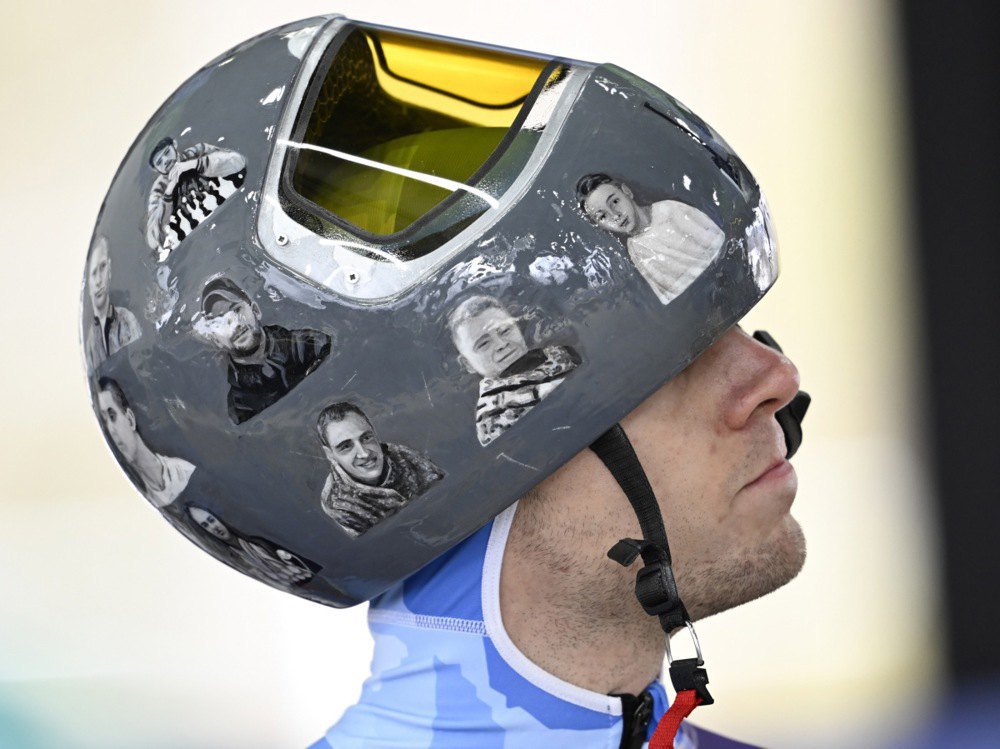
The full list of Ukrainian athletes featured on Vladyslav Heraskevych’s “memorial helmet” has been published by Tribuna.com.
- Yevhen Malyshev, biathlete;
- Dmytro Sharpar, figure skater;
- Pavlo Ishchenko, strongman;
- Maksym Halinichev, boxer;
- Andriy Kutsenko, cyclist;
- Oleksiy Lohinov, ice hockey player;
- Karyna Bakhur, kickboxer;
- Mykyta Kozubenko, diver;
- Roman Polishchuk, track and field athlete;
- Andriy Yaremenko, Greco-Roman wrestler;
- Taras Shpuk, Invictus Games team coach;
- Fedir Yepifanov, fencer;
- Kateryna Troyan, track and field athlete;
- Volodymyr Androshchuk, track and field athlete;
- Oleksiy Khabarov, sport shooter;
- Darya Kurdel, dancer;
- Ivan Kononenko, actor and athlete;
- Alina Perehudova (child), weightlifter;
- Kateryna Dyachenko (child), rhythmic gymnast;
- Viktoriya Ivashko (child), judoka;
- Mariya Lebid (child), dancer;
- Nazar Zuy (child), boxer.