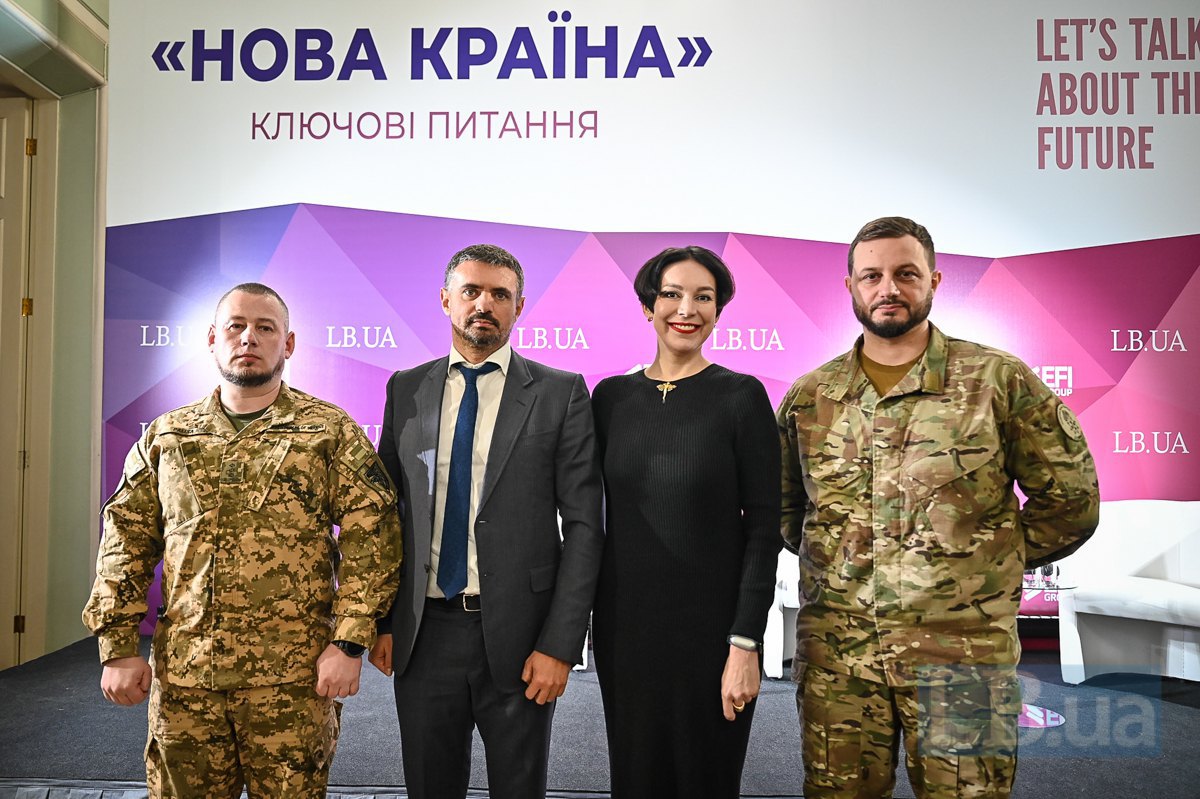





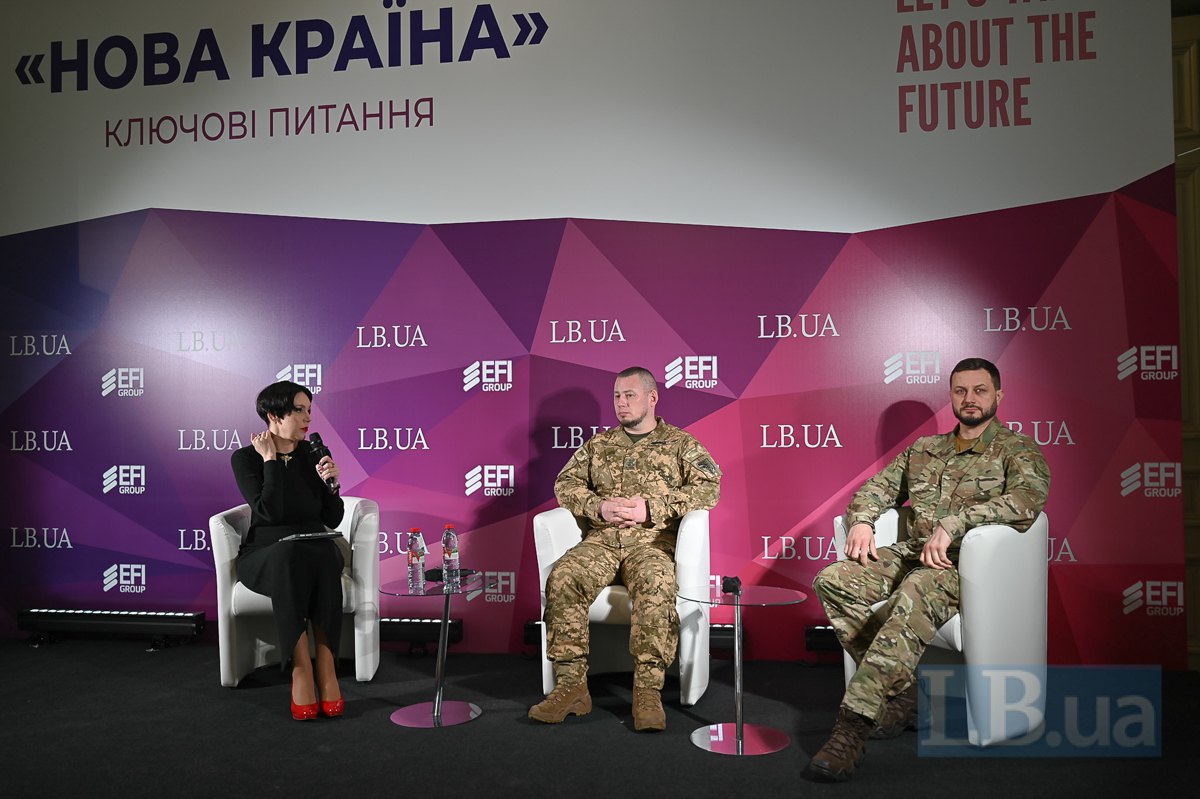
Ukrainian society is actively discussing peace negotiations, and expectations are high. However, there are no objective signs that Russia wants to end the war. Personally, such expectations remind me of the situation at the end of 2023, when almost every outlet was talking about “returning to the 1991 borders”. Of course, this did not happen, which became a powerful demotivating factor for many Ukrainians.
Question for Ihor: How does information about negotiations and statements about progress affect the mood on the front line? Do the military believe in the prospects for peace?
Ihor Obolyenskyy (Kornet): How does it affect us? It does not affect us at all. The military has always been, and continues to be, prepared for action. We are an extension of politics: whatever the Supreme Commander-in-Chief says, the military will carry out. Therefore, we hope this may happen, but we understand that we cannot trust Muscovy and its “papers”. There are examples of Georgia and Chechnya. Their papers work only when we are strong — when our army clearly holds its position, and when society believes in its state and supports it.
Pavlo, as a military man who now holds a political position, don’t you think it is wrong to give people hope that will almost certainly not come true?
Pavlo Palisa: Hope is probably a subjective reaction of each person to the result they expect.
I agree with Ihor. In any case, the Armed Forces and the Defence Forces in general must do their job regardless of political factors or diplomatic events related to peace negotiations. We understand that even after a peace agreement or truce, Russia will not go away. That is the first point.
The second point is that we are continuing the fight. And if there is an opportunity to achieve the results Ukraine needs through diplomatic channels, why not? Every opportunity must be used.
According to foreign media reports, the US is ready to provide certain security guarantees if Ukraine agrees to withdraw its army from the Donetsk and Luhansk Regions. Ihor, how do the Ukrainian military perceive such demands and prospects?
Ihor Obolyenskyy (Kornet): This is a very important question because, let me remind you, the President has said that our state is sovereign, and we adhere to that. We are in favour of negotiations — this is a big step forward. But let me also remind you that we are fighting with a mobilised army, and that is not easy.
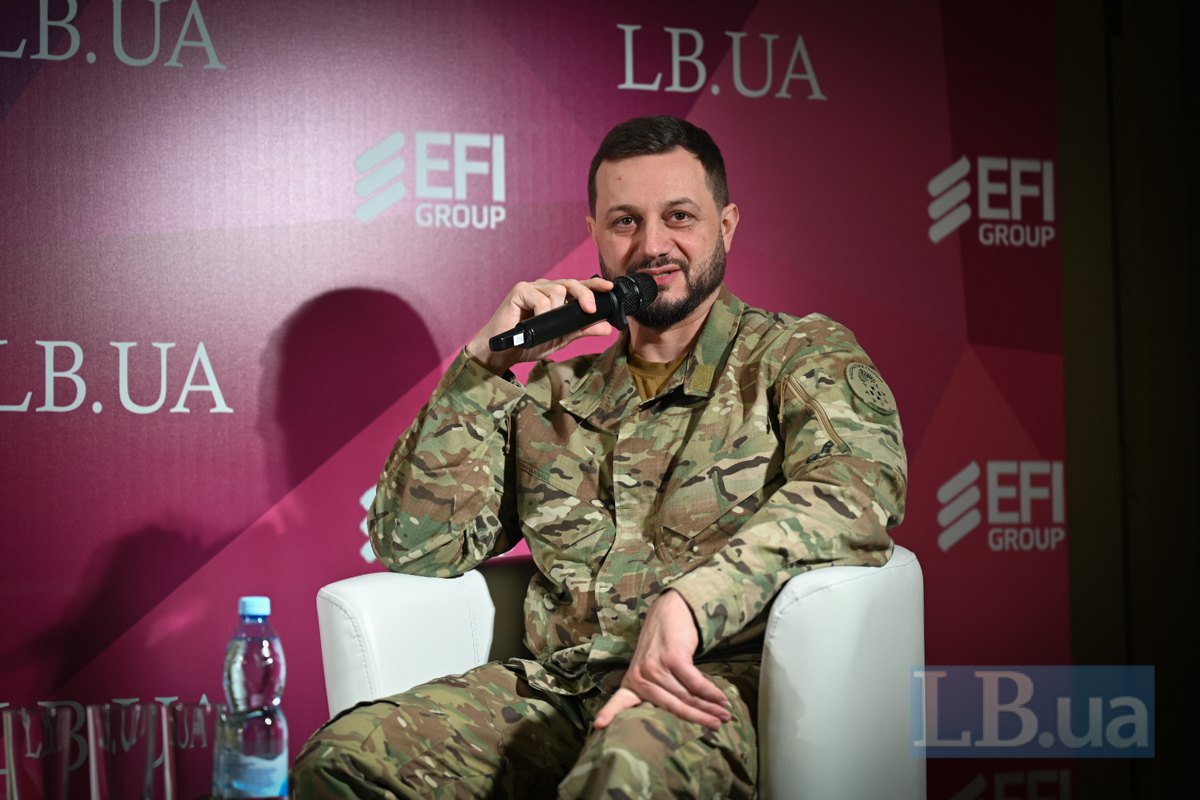
We met the enemy with a professional army. The nation and the army did everything possible to stop him. The nation is joining the Armed Forces, the National Guard, the Defence Forces and the resistance to fight him. But you must understand that this is no longer the army it once was. Of course we view such demands negatively, but if something is necessary and well thought out, it becomes a matter for discussion. Why? Because our army is now largely at the level of company and even battalion commanders who are mobilised civilians.
And I think Pavlo will agree with me: we have a great need for training. All the wars we fought before, even a year ago, were fought on the move. The level of a company commander is often that of a civilian who joined the army. Society expects that a person puts on a pixel uniform and immediately knows all the tactics of warfare. And then society asks the army: “Why are you fighting so poorly?”
Let us draw an analogy. Take any person off the street and put them in a doctor’s coat. Would you go to them for surgery? No. Then why do we expect the army to suddenly become a smart, professional force? War is both a science and an art. If we master the science, experience and art must be acquired. That already belongs to the operational level, a different depth of military application.
The instinctive war is over. All tactical elements ended about six months ago.
When we encounter the enemy now, it is like chess. We study the opponent, at least at the brigade-commander level: where he studied, what knowledge he acquired. If we meet a young Russian officer, it is easier — he was trained on the battlefield. But if a person has operational knowledge and graduated from the right school, it becomes much harder.
The battlefield has expanded to at least ten kilometres — this is extremely fast detection and destruction. Small Russian groups no longer operate normally. Our small groups do not either. So the main question is: what should our army learn, and what should it be given? Then there will be no question of retreat.
Pavlo, I see you nodding — do you agree with Ihor?
Pavlo Palisa: Yes, I agree with Ihor’s vision. We need to think carefully about the goals of the Defence Forces and what we, as a state and society, must do to ensure that the Armed Forces can protect Ukrainian statehood.
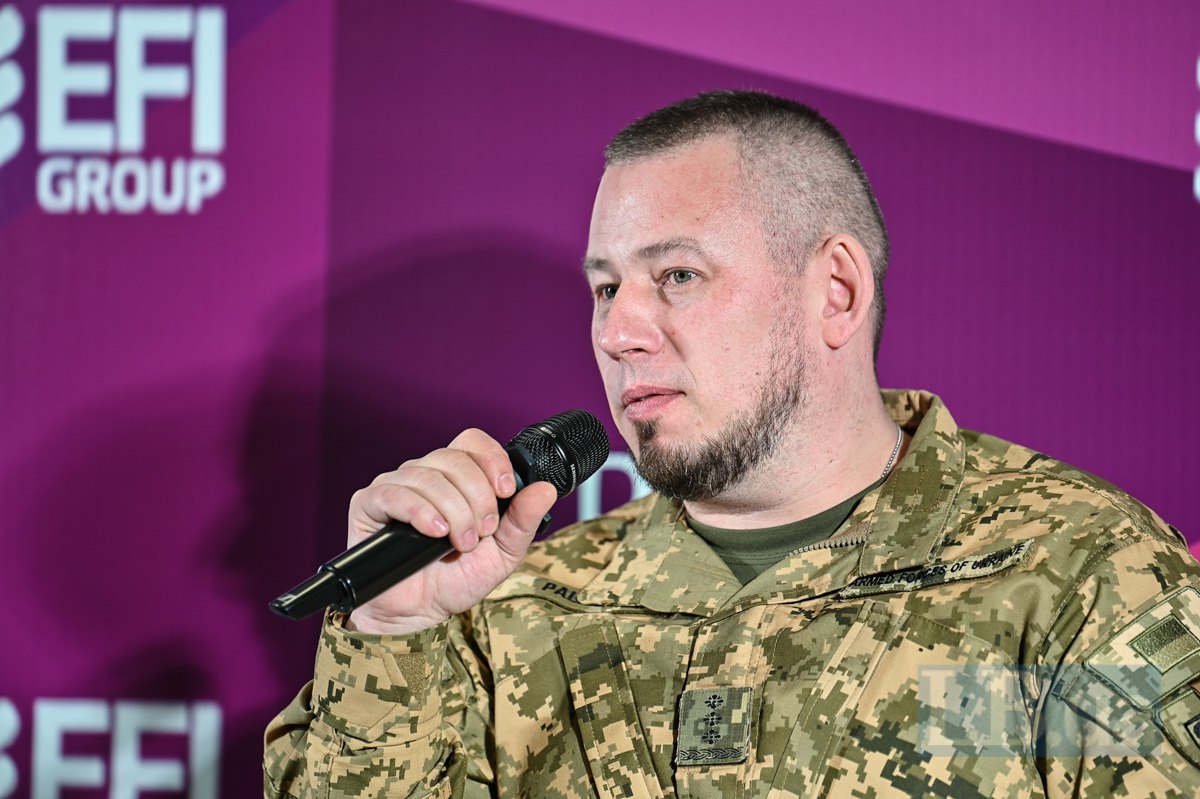
I agree about training. It is a long road. An army that has grown more than fourfold needs quality preparation. We need to invest in people. This requires resources and time. I hope we will be able to rebuild our strategy for developing the Armed Forces so that they fight intelligently, creatively and effectively.
What will the loss of the “belt of fortresses” mean for Ukraine’s defence? And what should be said to those who argue that giving up territory is capitulation?
Pavlo Palisa: To answer that, we need to understand what is meant by surrender.
Ihor Obolyenskyy (Kornet): Let me add something. This is a very provocative question. War is both an art and a science. Give me figures on how much military equipment we will receive from our Western partners and how much aid there will be, and then I will calculate whether we withdraw or not. Right now, it is not appropriate to speculate. Neither the army, nor the President, nor Pavlo want to withdraw. We are doing our job. The political leadership is doing its part, and we are doing ours. And believe me, this is the last thing on our minds.
But we must preserve the state institutionally. Let us remember 2014 and Crimea. Why are we silent about Crimea now? We have many problems, but we are evolving and becoming stronger every time. Borys Gudziak said that the President is no longer the same as at the beginning — he is much stronger. And we, as a nation, are much stronger too.
Many people raised in Soviet times — especially European diplomats — come and look at us as if we were defeated and ask, “How are you fighting this Muscovy?” They were raised to believe the USSR was invincible. They cannot understand that we have been fighting a nuclear power for twelve years, not four, and are destroying it.
Pavlo Palisa: I would still like to return to the question of surrender. In short, surrender means renouncing armed struggle and accepting peace on the enemy’s terms. Ukraine is not going to surrender.
Let me remind of the goals Muscovy set when it launched the full-scale war: demilitarisation and denazification. Let us briefly examine both.
Demilitarisation. Have we stopped armed resistance? No.
Ihor Obolyenskyy (Kornet): Our children in schools are now much more involved in militarisation than before.
Pavlo Palisa: Ukraine actually has the most combat-ready army in Europe at the moment. Objectively speaking.
Russian propagandists have linked the very right of Ukraine to exist and the right of Ukrainians to have their own state to denazification. Do you see any signs of denazification as they understand it? No.
In my opinion, any territorial issues should be resolved by the Ukrainian people. How? Through the expression of their will.
"The capture of the Zaporizhzhya and Kherson Regions now seems like a fantasy."
What are the main challenges for the Defence Forces in 2026? How is the war changing, what threats, trends and scenarios do you see for 2026?
Pavlo Palisa: Our intelligence says that the Russians' plans have not changed. The task for Russian troops by the end of March–early April is to reach the administrative borders of Donbas. These tasks have remained unchanged throughout the past year, they have been postponed a million times, and I personally do not see Russia's ability to accomplish this task within the specified time frame.
Separately, the Russians have plans to create a buffer zone: Kharkiv and Sumy Regions, as much as possible in the Dnipropetrovsk Region and the Zaporizhzhya direction. To create favourable conditions in the future that will allow them to begin to capture the Zaporizhzhya and Kherson Regions within their territorial boundaries.
Right now, this seems like a fantasy.
Southern Ukraine? Odesa, Mykolayiv?
Pavlo Palisa: At the strategic level, of course, they are considering these issues. But I am confident that, objectively assessing their own capabilities, the top Russian generals are not looking in that direction yet.
That's about plans, but what about scenarios for 2026?
Pavlo Palisa: Donbas is the primary task that Russian troops will carry out. And in the Zaporizhzhya direction, they will create conditions to achieve any operational success. What Russia tried to do in this war was to quickly achieve strategic success and, in the process of stabilising the front line, create conditions for operational success. Our task was to prevent them from achieving operational success and to ensure the stability of the line of contact.
Only the Ukrainians were able to achieve operational success in four years of war. Kherson, Kharkiv. And also, to be fair, at the beginning of the war, we can probably count part of the temporarily occupied territory of the Zaporizhzhya Region. But here we will probably attribute this to the element of surprise.
Ihor Obolyenskyy (Kornet): I will speak for my Region, Kharkiv, where we are stationed. I think you have all seen the Kupyansk operation. So believe me, they lie a lot. Almost 70% of what they show on their television is a lie.
Let's get back to their plans. I can say for the part of the territory where the 2nd Corps of the National Guard of Ukraine Khartiya is located: the enemy is not succeeding there and will not succeed. To give you an idea: for two months, the enemy has been trying to advance towards Kharkiv along certain rivers. But thanks to reconnaissance, as Pavlo said, thanks to our team, it was clear where they were going and how they were going. And in two months, about 700 assault troops have already been crushed, and a total of 1,500 have entered.
But you don't feel it, and it's not in the media. That's good. It means we're doing our job right. That is our goal. That is stopping the front line. It will not be permanent, like the Great Wall of China — and not a step back. No. It will be a certain depth, 10–20 km, where we will take them, they will try something. We must make it unprofitable for them. And we are moving towards that. But it all depends on training again. Believe me, we are sorely lacking in operational-level officers. Pavlo was right about the enemy's operational work: they are good at finding weak spots, but they lose to us tactically. In tactics, our soldiers, officers, and sergeants, who have the desire and will to win, are more effective.
The main task now is to raise the operational level of our army. As soon as this happens, believe me, it will be the highest surgical level. We are very hopeful about this.
And I will repeat for the Kharkiv Region: no, they will not succeed (in capturing it — S.K.). 100%.
"Russians are capable of quickly scaling technological solutions. We excel in decentralisation and quality."
War changes technologically from year to year. What weapons are critically lacking, and what will be most important in 2026?
Ihor Obolyenskyy (Kornet): We understand this question. Everyone wants to get some kind of pill, like in The Matrix: give us this, and everything will be fine. I will repeat my position: the training of operational-level officers is the main thing.
This is important, but weapons and equipment are also needed. Of course, we need everything from our partners at once, but that is not how it works. What is really critical, what is really a priority? And what can we produce in Ukraine, because, according to many manufacturers, capacity is idle.
Pavlo Palisa: That's an interesting question. I would like to name two categories of basic needs for this year. The first is air defence, both systems and missiles. No country in Europe has such a powerful air defence system as Ukraine currently has, despite all its problems and shortcomings. And yet it is still not enough. The guys are trying hard and working quite effectively. Let me give you an example. The last major strike involved 18 (air) ballistic missiles, 16 cruise missiles and around 340 Shahed and Geran-2 drones. The result of the air defence system's work was 16 ballistic missiles, 14 cruise missiles and over 300 Shahed and Geran-2 drones. Not bad, right? But 25 PAC-3 missiles were launched in a single strike. Let me remind you that the American production capacity is 55 units per month as of 2025. Imagine the amount of money and time that involves.
The second point in terms of the importance of forces and means for next year is everything needed to control the small sky. Drones now rule the battlefield. To gain an advantage on the battlefield, we need to develop the unmanned component and not allow the Russians to realise their advantage.
In percentage terms, how much of our needs can we cover by developing our own production? Because, I repeat, manufacturers argue that their capacities are not being utilised as much as they could be.
Ihor Obolyenskyy (Kornet): Which ones? Please tell us. Because we are lacking certain actions. We have a queue at the NRK. Please give us a direct link.
Globally, what percentage of what we are not yet doing can we produce? What exactly?
Pavlo Palisa: Complex air defence systems, high-precision missile weapons — here it is a question of capabilities and effective Western-style means, how well they perform on the battlefield. That's one thing. And the ability of our industry to reproduce or improve it to the level required by the battlefield.
How long will it take?
Pavlo Palisa: The timeframes are completely different for different types of weapons, that's understandable.
As for the underutilised capacity of our defence industry, it is wonderful that our defence industry has such capabilities. But we must understand that this is also a question of money and resources, which are also limited.
Ihor Obolyenskyy (Kornet): Plus, let's ask the question: do we produce rocket fuel? What ingredients are needed for it? Do we produce explosives? What ingredients are needed? Where can we get them? So this is an open question. We can set up production of a million drones, no question. The question is, what will we equip them with? This is a question that goes beyond what Pavlo and I can answer.
Let's continue with the topic of the technological nature of war. How has it changed for us and the Russians over the past year? In what areas do they have a technological advantage, and in what areas do we? How can we change this situation?
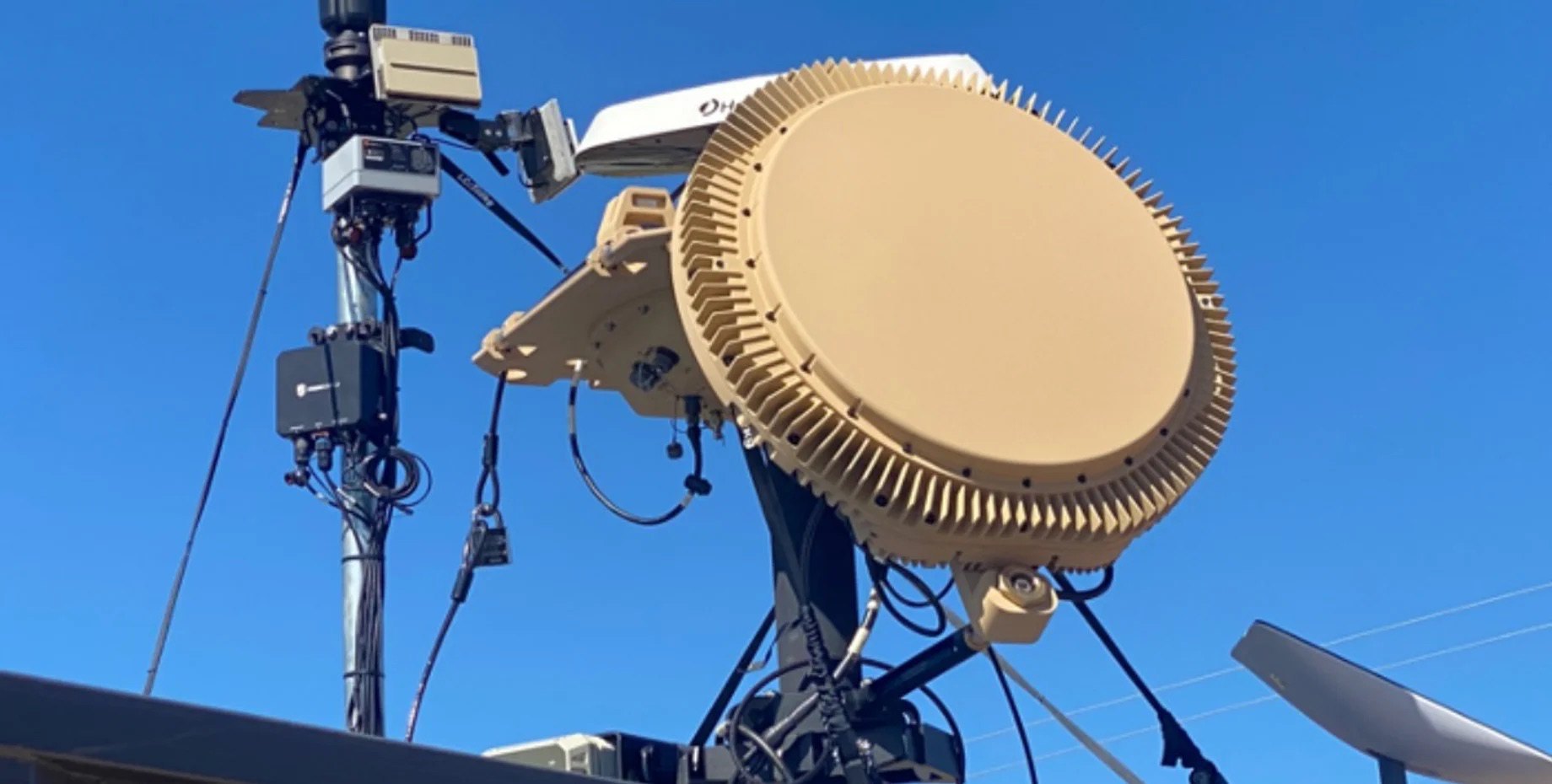
Ihor Obolyenskyy (Kornet): On the battlefield, they have a qualitative advantage in SIGINT and electronic warfare (REB). Very significantly.
Plus, as they say, small sky — these are short-range radars. They simply have a lot of them, they produce them, they have the components, God willing, sanctions will put pressure on them. But they do it very well.
Plus FPV drones. And they have as much explosives as they want. Therefore, they quickly scale up production and quickly deliver to end users. But the big plus is that they use them poorly. That's why you often hear about only one unit — the Rubicon [centre]. The rest are not as good as you think. And that's a plus for us. There is quantity, but no quality.
In what areas do we excel?
Ihor Obolyenskyy (Kornet): In the NRK, in the work of engineering and simulation tools. To give you an idea, there is a specific radar called Rada, which is expensive. For one Rada radar, for example, five simulations are set up in the Second and Third Corps of the Armed Forces (we often cooperate). They are printed on a 3D printer, one by one, and even certain kitchen appliances are manufactured in such a way that they emit radiation. The enemy detects them and strikes. There is already a selection of videos in which the enemy reports that it has struck radars and certain devices 20-30 times. And we sit and say, "Okay, thank you." That's why we are starting to be smarter.
Pavlo Palisa: I would like to add that Russians are rapidly scaling certain technological solutions through directive management. We surpass them in decentralisation and quality. Note that in four years of war, the Russians have not produced a single heavy drone that would give them an advantage in the small sky. Heavy drones — ask any commander of an infantry or unmanned systems unit — give a tactical advantage on the battlefield. I often hear requests to reward those who invented these drones.
Where the Russians have surpassed us so far is in the amount of fibre optic cable. I think they conceived this story as a game changer. I would like to express my hope that this year we will catch up with them in terms of quantity and quality.
Do we have such technological capabilities?
Pavlo Palisa: Yes.
"One operator sitting in Kyiv can plan the work of five or six NRKs with artificial intelligence [on the front line]."
Ihor, tell us about your NRK. Some time ago, we were at the Khartiya base and saw it first-hand. It is actively working for you in various areas in different ways. According to you, this is one of our technological advantages, you are actively developing this area, and there are those willing to manufacture them in sufficient quantities.
Ihor Obolyenskyy (Kornet): To make it clear to everyone, the NRK covers almost 80% of the frontline logistics at Khartiya. If we are talking about a distance of up to five kilometres, it is about 40%. We are even developing certain NRKs that deliver ammunition to 152-millimetre guns, not just food and water.
But the enemy is not standing still either. It is looking for opportunities to strike. We are moving forward and understand that one UAV, which costs 1.2 million and can carry 250-300 kg, is already ineffective from three kilometres away. We are reducing its weight and making more UAVs. But what does that mean? That's right, it means more operators. Each UAV requires one operator. We are moving forward. We now have artificial intelligence in place, a programme that shows daily departures/arrivals. The war is being fought entirely on iPhones. It has reached the point where one operator sitting in Kyiv, for example, can plan the work of five or six NRKs using artificial intelligence. The person's task is to physically take it to the launch point.
Read also“Drones are much easier to control than a bicycle,” Jess, ground robotics operator at the Khartiya Brigade
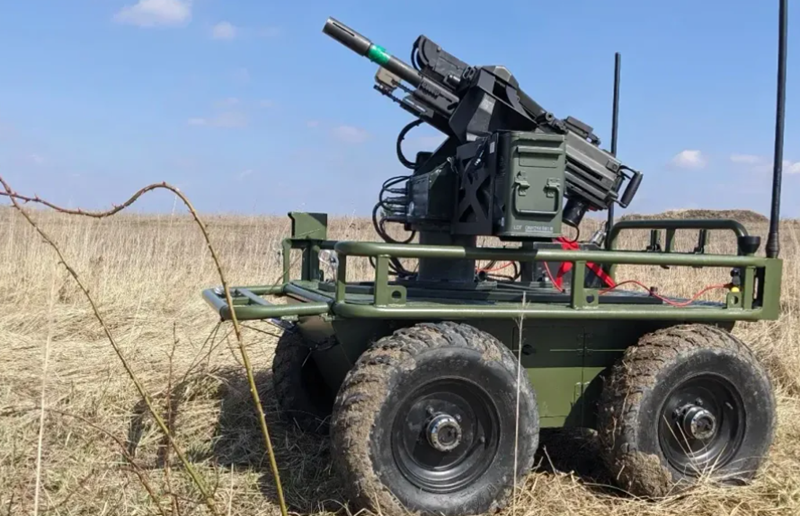
Combat modules are currently being developed — ranging from machine guns to flamethrowers. Recently, in the Kupyansk direction, they blew up again from a single pipe, and it was the NRK that drove up, threw in 150 kg of explosives, made a big hole, and we thanked him for that.
So this is the future, it will happen. And now certain NRK are already being developed for construction, because we have gained good experience in the Kupyansk direction. Believe me, most likely, the sensor line will consist of both reconnaissance and combat modules. But this brings us back to training. How we can now prescribe and instil tactics of application in the battalion commander is a matter for a surgeon.
There is no way around it: the main thing will be the training of personnel at the operational level. This is up to 150 km. That is, every officer must plan the actions of his unit at this level. And that means tens of thousands of people under his command.
But the NRK is developing. God willing, the T-1000 (a series of autonomous robots in the Terminator film series — S.K.) will soon be here.
"There can be no easy solutions when it comes to mobilisation."
It's time to talk about people. At the end of last year, Taras Chmut, head of the Come Back Alive Foundation, wrote that "a strategic crisis is growing on the front line." Later, in an interview with Suspilne, he clarified that he sees signs of such a crisis "in the situation on the battlefield, where the dynamics of losing positions and retreating are increasing, and there are no obvious prospects for change. This is evident from the feedback from the troops — at all levels, in all branches, types, departments and services. It is based on an overall assessment of the situation." He added that this crisis is primarily linked to the insufficient staffing of our units.
Do you agree with this assessment?
Pavlo Palisa: Partially, yes. Let's be honest, in the fourth year of the war, it is difficult to meet the front's need for personnel at the level we would like. To immediately gain an operational advantage and realise it at the strategic level.
I agree with Taras on a lot of things. And the infantry units were really worn out, even when I was a brigade commander. With the positive mobilisation trend over the last seven months, I think we've created conditions where we can at least partly fix the wear and tear on the units. I'm talking about the infantry right now.
I will not go into details, but according to my estimates and expectations, we have monitored the first month of implementation of certain decisions, received positive feedback from the brigades, and will continue to follow up on this issue. I think that in about four to five months, we will significantly facilitate the work at the tactical and operational levels. We will eliminate certain operational problems that prevent us from being effective on the battlefield. And we will create conditions to eliminate, at least partially, the issue of fragmentation of the front line, when, figuratively speaking, a unit fights in pieces: one part of the brigade is in one direction, the other in another.
Ihor?
Ihor Obolyenskyy (Kornet): I completely agree. We have problems. I will only be responsible for my unit and where we stand. Everyone has heard the term Mission Command (a concept of military operations management that emphasises decentralised decision-making, unit autonomy and initiative at lower levels of command. — S.K.)? It's floating around somewhere, that's how we're building it. But what is Mission Command? No one understands what it's based on.
The first component of Mission Command is professional, competent people; this is the foundation, the base. Next comes training. And the third and highest component in this pyramid is trust. When you trust those on your left and right, believe me, that is the highest gift. Once we have that, everything works out for us. Trust must be accompanied by training. You will trust professional people.
Regarding your question about people and exhaustion: how can you go on if a person is not a professional? Let's go back to the example with the doctor. There is tactical medicine: a person has acquired knowledge about stopping bleeding and maintaining life for 48 hours. What next? Next, you wait for a doctor whom you will trust with your life or the life of your comrade. It is the same with the military. As soon as a soldier, officer, battalion commander, or brigade commander feels trust (meaning there is a competent person with training), we already have success.
Pavlo, you mentioned that the mobilisation situation has improved over the last seven months. However, when Kyrylo Budanov was not yet the head of the President's Office, he stated on the LB Club platform that mobilisation had completely failed. Who should we believe? Which of you is an optimist and which is a pessimist?
Pavlo Palisa: That's a very tricky question (smiles — S.K.), but I think there was a slightly different context there. It wasn't mobilisation that failed, it was the information support for mobilisation that failed. I think that's what he was talking about. I can't help but agree: yes, the information support for mobilisation has indeed failed.
Why? And why hasn't it been fixed yet? Obviously, it has consequences.
Pavlo Palisa: There can be no simple solutions or "silver bullets" for mobilisation now, especially after four years of full-scale war.
I would like to remind sceptics of the global example of mobilisation problems in countries with significantly greater resources — the United States during the Vietnam War. Let's even go back to Israel's conflict in the Gaza Strip: how long did they fight before they started having problems with their mobilisation system and trained reserves?
My opinion is that we need unity in society. We need to understand that the state must be defended. And no one but us will do it.
So how can we improve the media campaign? Specifically?
Ihor Obolyenskyy (Kornet): Oleksandr Zhylyayev (staff sergeant and head of marketing projects for the 2nd Corps of the National Guard of Ukraine Khartiya — S.K.) is sitting there, he's a media expert, he can tell you. That's not a question for us.
Well, definitely to Pavlo, as the relevant manager.
Ihor Obolyenskyy (Kornet): I want to add something. Mobilisation is about trust. Trust in our time is built on preparation. And again, training. How do you show a person that everything will be okay? There is a striking example in our Khartiya brigade. A mobilised soldier who ran away from the training centre came back at the end and said, "Do what you want, but I'm not going to the front line under any circumstances." At the end, the sergeant [a drill sergeant who accompanies the person and sees their good qualities] says, "You're doing great, you'll be a medic." Well, he thinks, a medic is fine, nothing to be afraid of. He receives quality training in medicine. What do you think his first task is? Yes, he goes into battle. The assault troops are in front, and he, the medic, is behind. Where did the assault trooper get his first wound? That's right, in front.
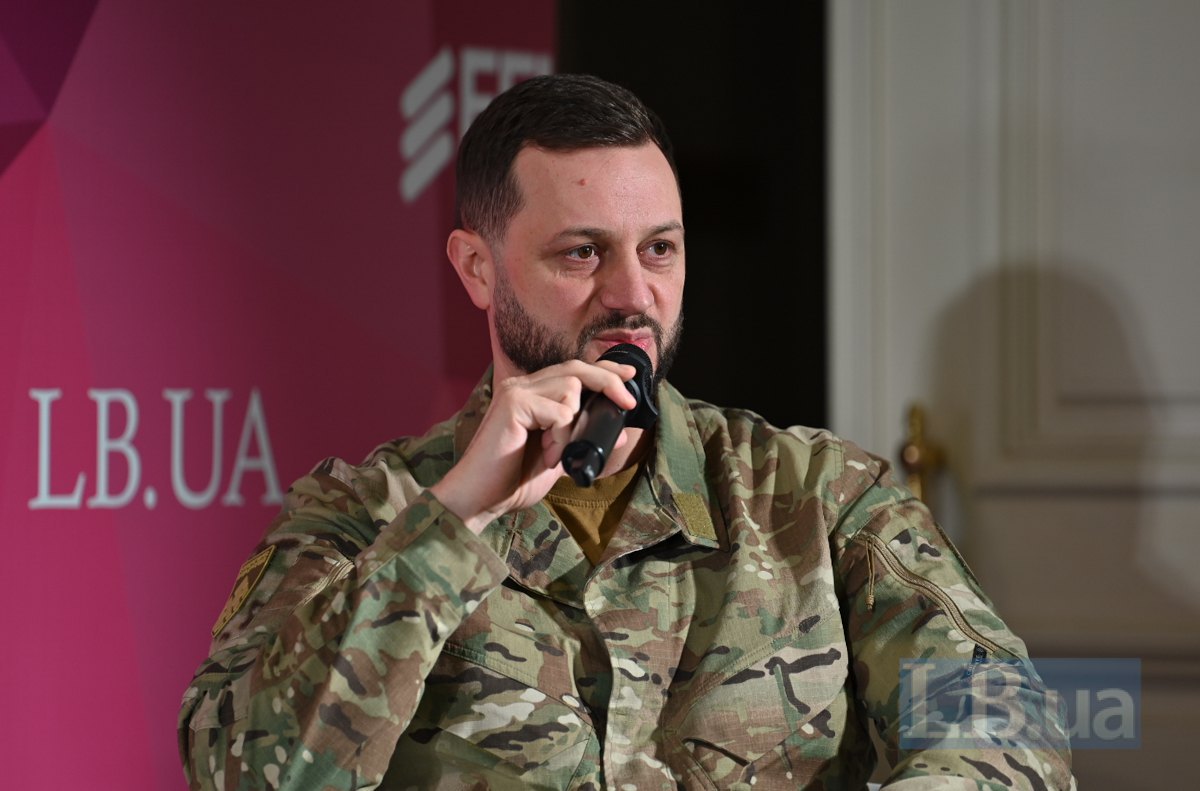
He recounts: "When the machine gunner is working behind me, as a medic, I am already ahead with the assault rifle, pulling back (the wounded. — S.K.). At that moment, I realised that I was part of a family, that the army is a family. And the fears that were there disappear here."
So yes, make films, show that it's not scary. And secondly, this is our country. We must all defend it.
Pavlo Palisa: Local authorities in the regions and the professional community of journalists should be more actively involved in this topic in the media. There are problems in the work of the TRC, and no one denies this. That is why this is one of the issues that should be the focus of the new minister and requires systemic solutions. At the same time, the public space is dominated by content based on isolated conflict situations, which are often presented without context and blown out of proportion. Along with criticism, it is important to show the other side — examples of proper work, normal interaction with people, and responsibility at the local level. Get involved, journalists, let's set good examples.
Ihor Obolyenskyy (Kornet): I agree. Journalists have started to visit us very rarely. And when you ask why you don't come to us, do you know what the answer is? "It's boring here, there's nothing to show." Boring — that means the front has stopped. But it's "boring" there. Pavlo is right: get involved.
Pavlo Palisa: And there is a request to the local authorities: in the regions, local authorities are also responsible for these things.
As far as I know, there is a deputy in the Presidential Administration responsible for regional policy — Viktor Mykyta. Local authorities and journalists are not exempt from responsibility. You are right, this is a joint effort, but you have every opportunity to change something. What specifically needs to be done?
Pavlo Palisa: I will try to answer your question. So, to summarise. First, there is no simple solution for mobilisation in general.
What can help? A general, nationwide media campaign at all levels to show support... I would completely rule out the word "mobilisation". Join the Defence Forces.
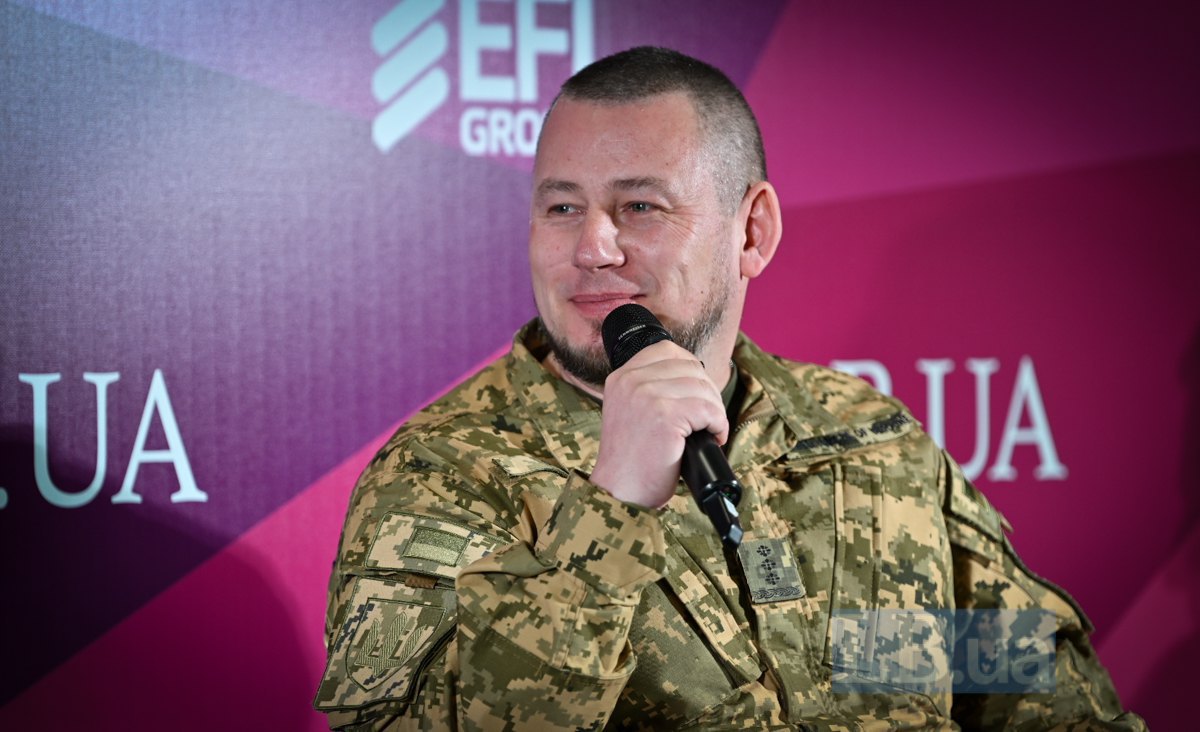
“Without the TRC’s work, the front line would be on the left bank of the Dnipro river.”
Fresh statistics from the General Staff. Over the past 25 years, 10% of the army's replenishment has been provided by recruitment, and 90% by the TRC. Of course, one does not cancel out the other. Ihor, how do you assess the effectiveness of the Khartiya’s recruitment campaigns? Are you satisfied with the quantity and quality? And why, in your opinion, is the ratio like this?
Ihor Obolyenskyy (Kornet): I am satisfied with the work of our team that organises this. But no recruitment can replace TRC, none. Let's return to the realisation that this is our country and that we must defend it. We are all fighting now, just on different fronts. Some are on the front line, some are in the rear. It's hard for everyone. But 90% — the front line is holding, it's holding on. And at this point, we are not critically short of people. It works for us.
And yet, people who end up in training centres begin to believe and fall into line. And believe me, they can no longer be pulled out of there because they understand what family is, what the state is. In the Third Corps, we explain to people from the very beginning, when the war started, who we are fighting and what we are fighting for. We have some really cool guys from Dnipro, and some unreal ones from Kryvyy Rih. They are only now switching to Ukrainian, but they hate the Muscovites so much, you have to see it to believe it. When they joined the army, they said, "My God, they forced us, I don't want to." Give them two months of training like they get in the Charter, the Third, Azov or other units, where the spirit is born, where everyone understands why we are doing this.
We have a drill sergeant who takes his 10 people and lives with them for two months. Workouts, lifts, roll calls, outings — everything with them. And after two months, he lets them go. But imagine when these sergeants come up to me or to the chief sergeant of the corps and, almost in tears, say: "Can I go with them? They're my third group." That is, they train them, let them go, and want to go with them. That's how close they've become in two months. This is what we work for and what we fight for. This is what saves us.
Pavlo, is there any way to scale up this good example of these brigades?
Pavlo Palisa: Even if we manage to double the effectiveness of recruitment, it still won't provide the level that the TRC provides.
I want to be frank: I am in favour of harsh punishment for corruption and violations — after all, we are fighting for a free state governed by the rule of law — but if it weren't for the work of those guys from the TRC, imagine where the front line would be now? Probably on the left bank of the Dnipro River. So we need to give them credit for that too.
"18–24 Project is a trial run of a basic contract that can be offered to those who are mobilised.”
According to official information from the General Staff, 2,632 to 3,000 people joined the Armed Forces under the 18–24 programme. At the same time, according to my information, at the stage of discussing and approving the idea, it was expected that there would be at least 8,000 per month. You were the main driver of the idea. Why didn't it work out? Was something miscalculated?
Pavlo Palisa: First and foremost, it is important to remember that the 18–24 project is a trial run of a basic contract that can be offered to people who have already been mobilised, to give them an understanding of the limits of their term of service. It is a trial run of the implementation mechanisms.
The second important thing is the issue of supporting the choice of young people who want to join the Armed Forces of Ukraine with additional motivation. Even with all our desire, including mine, a project such as 18–24 cannot replace mobilisation. And I would not say that there are any failures or miscalculations.
I think that in the near future, with the new leadership of the Ministry of Defence, we will push through the transition to a contract system, based on the contract offered to young people aged 18–24.
I would like to add that, when talking to the commanders of units who have recruited conscripts from their platoons and beyond under the 18–24 programme, they say, and I will quote one of them: "I would rather have five of these than 30 conscripts.”
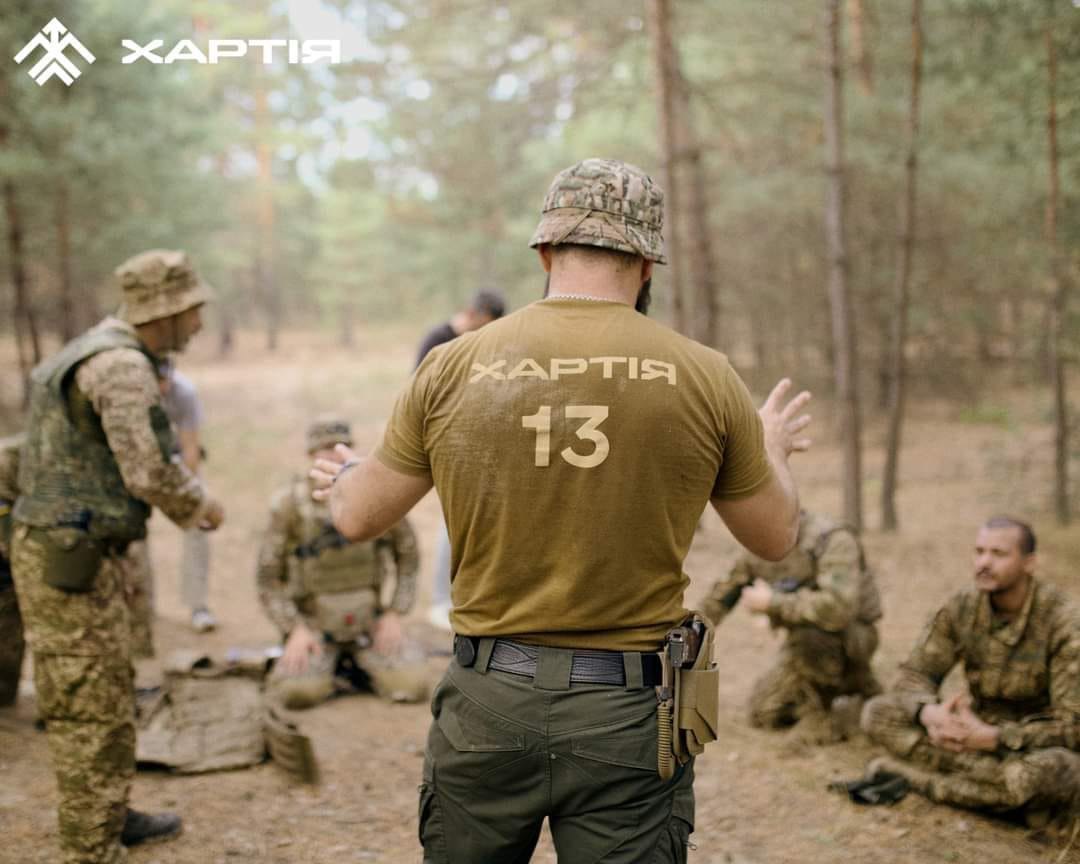
Are they more motivated?
Pavlo Palisa: They came on their own. They understand why. They invest more in training. They still have that youthful drive. Their values allow them to be much more aggressive and work harder on the battlefield. I watched several interviews with the guys from 18–24 and video reports about their combat missions, and sometimes it makes my hair stand on end how harsh and cynical they are on the one hand, and how professional and confident on the other.
Therefore, I still do not believe that the 18–24 programme has failed. It was and remains a wonderful experience with certain amendments and adjustments for future programmes and the transition to a contract army on this basis.
Ihor, have you felt the effect of 18–24 at Khartiya?
Ihor Obolyenskyy (Kornet): Yes, there is a small effect. But out of 10,000 calls, 2,000 are from young people. The flip side is the parents: we need to talk, think. We understand that those who call now will come in a year. We need to realise, think, and get organised so that parents accept it. That is, it takes time. I think Pavlo is right: eventually, we will feel it completely differently. There will be confidence — there will be the first guys who will finish this contract. There are certain payments, certain advantages. We don't really like reading, everyone likes pictures. Now they will see that it is really possible, and I think it will be much better.
"New officers are needed for rotation... Officer training lasts four years."
The military complain that some brigades receive more reinforcements, while others receive very little. Recently, the General Staff made a decision that each brigade performing combat tasks on the front line will receive a stable, fixed number of mobilised personnel every month. You were the initiator of this decision. Why has the decision to develop new principles for the distribution of personnel only appeared now, and in connection with what?
Pavlo Palisa: This is a kind of operational problem. When the President visits units on the front line, he regularly hears about many problematic issues, including the issue of supplying and replenishing personnel.
Many military experts participated in the discussion of this issue, in accordance with their competences, but it was not possible to achieve the desired result immediately. Therefore, the General Staff decided that units involved in combat missions directly on the line of contact would receive a certain number of personnel in one cycle of basic general military training, which lasts 51 days. No less.
Of course, it should be taken into account that different units perform different tasks, and there are specific factors to consider: enemy activity, how hot the spot is, the terrain. Many factors influence this, and it cannot be said that every unit needs the same number of people, but we are obliged to provide a basic minimum so that the commander can prepare for himself and for the unit.
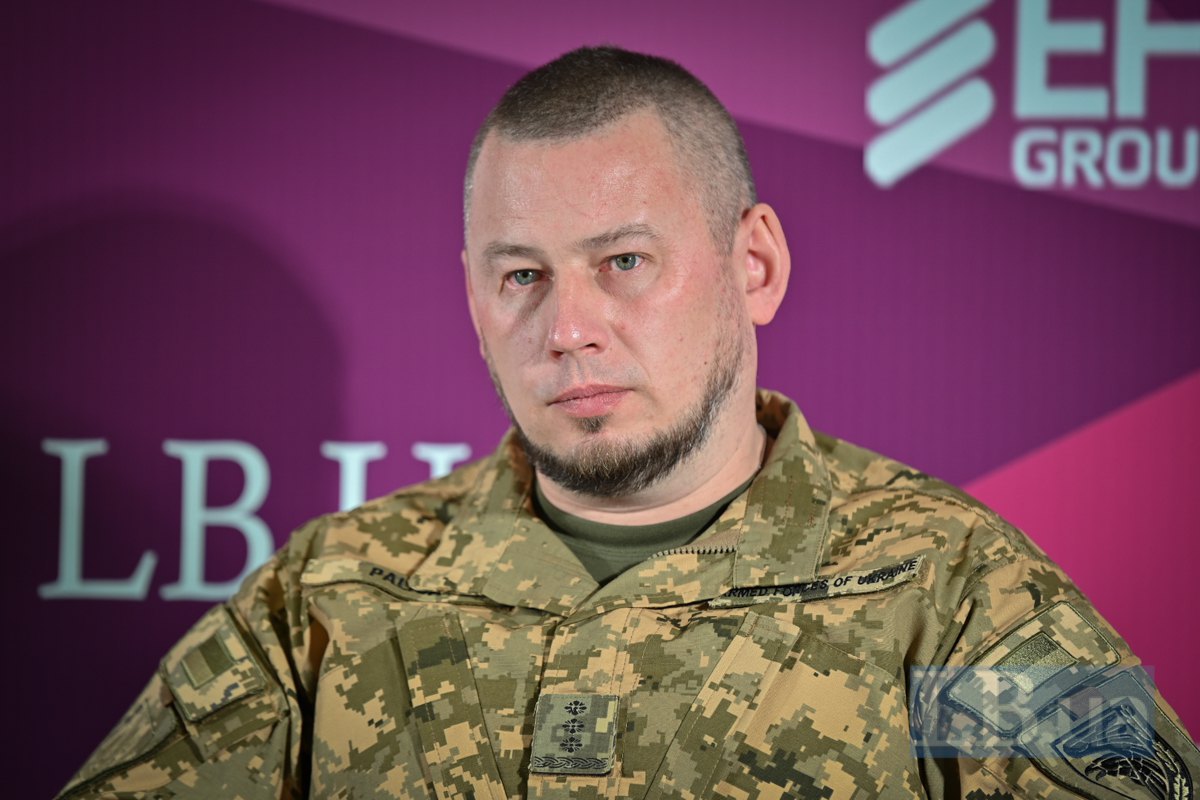
Ihor, does this work for you?
Ihor Obolyenskyy (Kornet): Yes, I fully support Pavel. We have a base. When people join the brigades, it's awesome. But I will defend the General Staff: at a certain point, the commander and the General Staff determine where the problem lies. That is why there was a certain distribution of people: those who are on the main front, as Pavlo correctly said, will go there. Therefore, both sides are right.
Pavlo Palisa: I won't go into numbers, but this decision was made taking into account the needs of the brigades in order to eliminate the exhaustion we mentioned today. To ensure a predictable supply of people to build up the capabilities of the brigades themselves — that's one thing. And to preserve the capabilities of the General Staff to plan and provide additional personnel to those units that are undergoing restoration or that are planned to be involved in other tasks.
Here, I think, we will maintain the necessary balance when the brigades will steadily receive at least some number of people and the General Staff will partially retain the ability to allocate resources.
The war may continue for a long time, so the state and military leadership will still have to return to the issue of demobilising those who have been fighting for a long time, or at least provide such people with a long rest (say, six months) for recovery and rehabilitation. Are any initiatives or decisions being developed in this direction?
Pavlo Palisa: Similar things are being worked on. Again, I will mention the transition to contract service. These are the decisions that the Ministry of Defence has been working on. Now, I think, Mykhaylo Fedorov will take office and familiarise himself with the work done in this direction by Denys Shmyhal — and this process will finally get underway.
Of course, we must understand that the possibility of rotation and demobilisation directly depends on the situation at the front.
Ihor, how do you see it?
Ihor Obolyenskyy (Kornet): We will do what we are told. Yes, rotation is great, but it takes time and training.
Let's be honest: someone has to replace those who are going on rotation. So join the army, it will be easier for us to go, we are not against it. We will show you everything, we will train you.
But you must understand that in order to replace us, a new brigade must come in. For a new brigade to come in, new officers are needed. And where can we get new officers? They need to be trained. Training a young officer takes four years. Courses L1–L4 take six months each. Everything can be calculated. It's desirable — it's desirable, but there are realities in which we live. And I think we're doing pretty well.
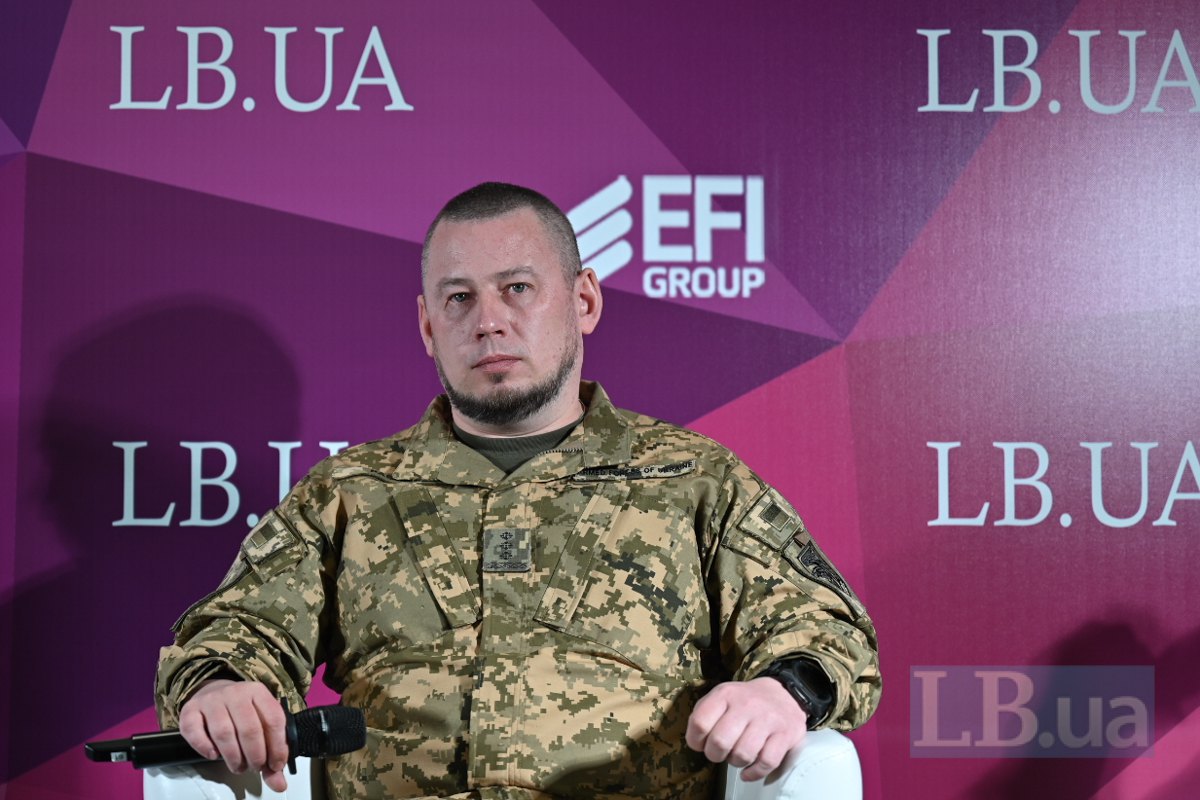
While the enemy outnumbers us in manpower.
Ihor Obolyenskyy (Kornet): And they will continue to outnumber us, but we have the technological advantage. Speaking for myself, two months ago I had 10 days of leave. It was my first leave since 2022. That's normal, it's the same for everyone. I understand that I am an officer, I studied for this, the state did everything for me, now I have to give back to the state. And I am doing that. There are many like me.
Believe me, every officer and sergeant understands everything. Give us a break, and we will be grateful. But the state as an institution is much more valuable than a break. That is my opinion.
"Strategic changes — when we all realise that war is and will be"
Do you see the possibility of a strategic turning point in the war in 2026? What conditions are necessary for this?
Ihor Obolyenskyy (Kornet): Everyone is waiting for Morpheus with a pill, like in The Matrix, but that won't happen. I would be delighted if Putin died tomorrow. I think everyone would agree with me that it would be great. There was even a time when my friend and I woke up in the room, he turned on the news, and I said, "Well?" He said, "He's not dead." I said, "Damn." And so it was every morning.
For me, the strategic changes for 2026 are when we all realise that war is and will be. This is our life, and we have to understand that. "Tomorrow will be easier — I'm having a baby." It won't be. We live today. The samurai principle: there is only the path. Let's stick to it — and everything will be fine.
Kyrylo Budanov believes that even with Putin's death, nothing will change, because Russia is characterised by the continuity of elite power.
Pavlo Palisa: As one American uncle said, "Easy day was yesterday." What can I say? I sincerely hope for strategic changes this year.
Firstly, our enemy is not as strong as he claims to be. However, we must not underestimate him either. We have all the capabilities — technological and operational — to stabilise the line of communication and create conditions that will promote a just peace.
"We are now fighting for quality"
Maria Ionova, Member of Parliament: Many brigades have problems with primary reconnaissance. They lack strike drones, reconnaissance drones, and human resources. How quickly do strategic issues reach fire decisions under such conditions? And where do they get stuck — in headquarters or at some other level?
Ihor Obolyenskyy (Kornet): There has always been a problem with drones, and there always will be where they are not counted. Each of our crews has its own level of efficiency. We can put together two ideal crews: one will lose 10 drones a day, the other will lose one. Simply because the Avenger antenna is pointed in a different direction. That's normal. That's why we have commanders, and that's why certain groups of people are being created to monitor the effectiveness of their use. Even engineers go out with the team of pilots, set everything up for them and then check it.
We have a lot of drone losses simply because of a lack of training. If someone says that drones are not being provided or are not available, ask them where the ones that were provided have gone. Of course, the Russians shoot them down, and we shoot them down too. But this is a two-sided issue.
Speaking for my corps, yes, there is a shortage of drones, but we are only short of 20-30%. We can tolerate that. If we were on the main line of attack, I would probably also say, "Give us more." But then we would compromise on quality. We are fighting for quality.
Pavlo Palisa: Regarding the lack of resources, UAVs and reconnaissance issues — it all comes down to resources. I will give a brief example from my own experience.
As a brigade commander, I knew that in, say, 10 days, according to intelligence, the enemy would attack with such and such a composition, from such and such a division, such and such regiments. I had a clear understanding, confirmed by several sources, of where their command posts were. Striking these points simultaneously or before the start of the offensive in my area of responsibility could have led to the enemy's failure and inability to achieve their goal.
I requested permission to strike with various types of weapons that would be effective in this case from my superior and even his superior. When I did not receive a response, I inquired about the issue. The answer was honest: "Pasha, I have 100 similar targets, but only 10 means.”
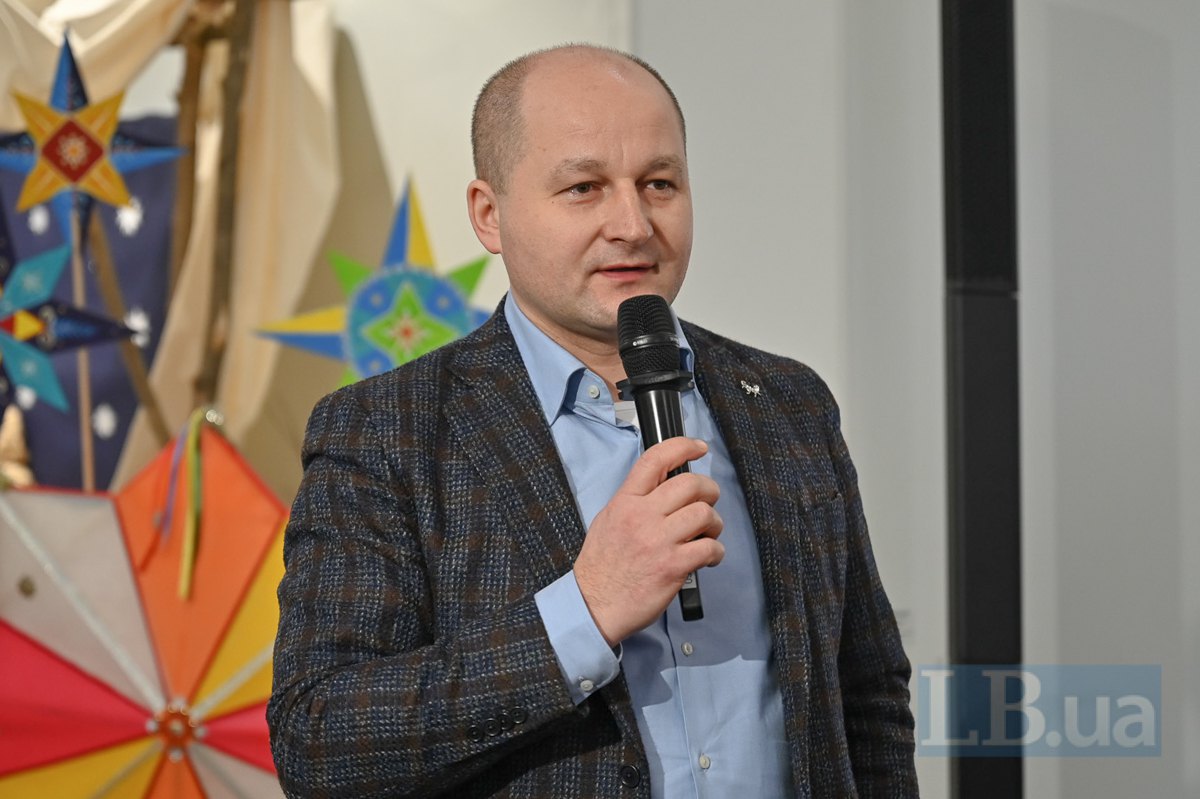
Dmytro Serebryanskyy, acting rector of the National Tax University: This week, I met with hunters from the Borodyanka district, who said that they shot down four Shahed drones with small arms. They were rounded up and told, "If you shoot them down again, you'll be fined 27,000 hryvnya." What is your opinion on expanding mobile fire groups with people in the rear who are reserved, have a deferment, but are not in the combat zone?
The second question is about the military department. Students who want to obtain a military rank (we have combat mechanised training and moral and psychological training) must pay 80,000 hryvnyas for their education. Is it really impossible to resolve this issue with the Ministry of Defence so that they provide the appropriate budgetary places for children who want to be officers and defend their country to study at the military department free of charge?
Ihor Obolyenskyy (Kornet): About the department and money. How long will you train this person — four years, five? That means the person will be gone for four years. And how can you check the quality of this education? If my sergeants or officers come with a list of questions for testing, will your lieutenant pass the test? Are you ready now to check the quality of your guys for mechanised units?
We are currently fighting for quality. None of our lieutenants receive the rank of senior lieutenant until they pass the test, three or four officers write a character reference for them, and they serve as a platoon commander. Because, excuse me, one person costs 15 million hryvnya. A platoon is 30 people. And I cannot trust such a number of people, God-given lives, to a person who has just graduated from an institute, having received some kind of education somewhere. An officer comes from Sagaydachny or another university, where he lived in barracks for four years, spent four years preparing to be an officer... Although I am in favour of reducing this to two years, and let them receive their civilian education by correspondence. I need this officer now, but he must be a military man. That is the question. The question is only about quality. If you provide quality, I am all for it.
Pavlo Palisa: Together with a team from the Ministry of Defence, representatives of certain public organisations, and experts, we are working on many issues of military education — we are checking what we have, why we are not getting the results we expect, and what needs to be improved so that everything is as it should be.
In my opinion, military departments on a commercial basis should not exist at all. If a student has come to a military department on a state order, then upon graduation, welcome to the Armed Forces of Ukraine.
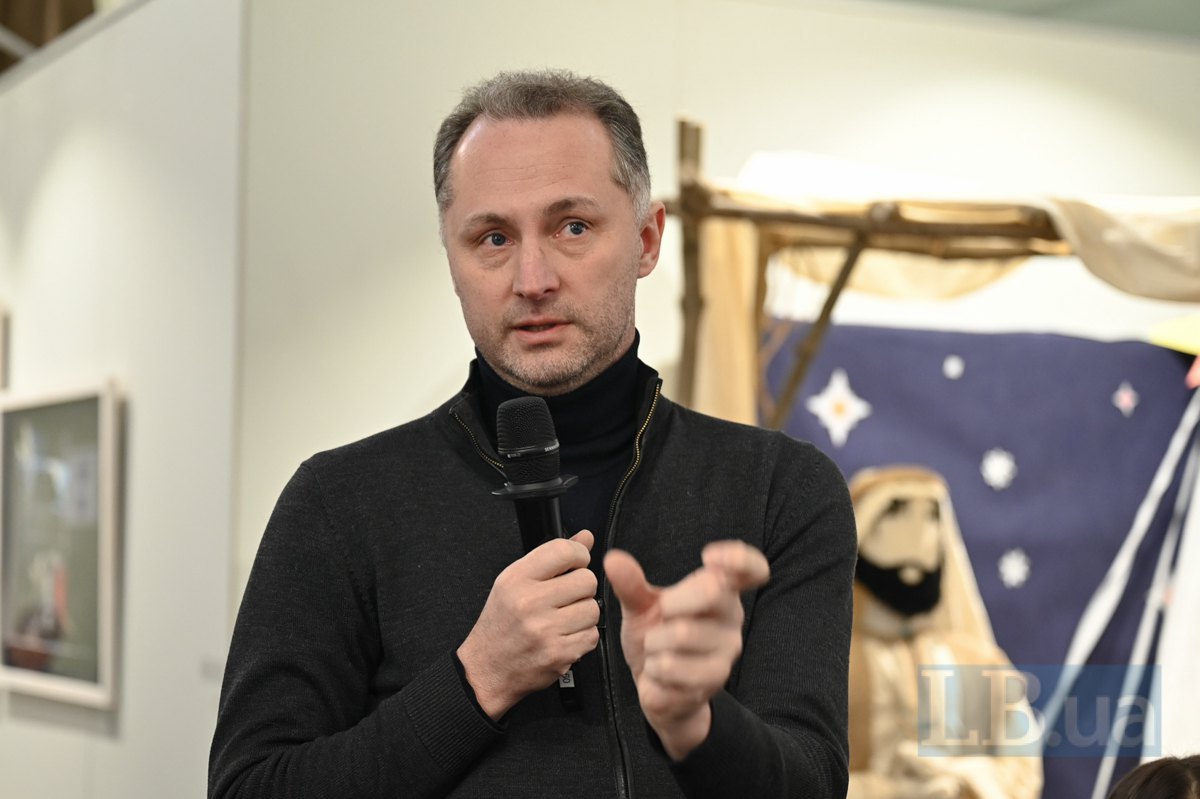
Oleksandr Kharabin, political consultant and media manager: A remark about the media campaign for mobilisation. As in the military, there is a tactical level, an operational level, and a strategic level. That is, any media campaign, if simply carried out, will not work. Each layer of the campaign must correspond to the level of mobilisation, fairness, and confidence in the future. Kyrylo Budanov spoke not only about the failure of mobilisation, but also about the fact that the country lacks a strategic vision for the future, which would provide motivation to defend the country. But the question is this.
Is it possible to expand the L1–L5 officer courses? And do military educational institutions apply foreign teaching practices? Are our military personnel who have gone through this war involved in their training?
Ihor Obolyenskyy (Kornet): Foreigners practically live with us. They come and ask us to teach them tactical skills. Because their operational skills are much better. Everything we have comes from Prussia — from Clausewitz, Moltke, von Seeckt, you understand? And no one has changed the Prussian school. It split: one went to Britain, another to America, and another to Muscovy. And everything comes from there.
Muscovy itself works according to the theory of deep operations developed by Isserzon in 1937 and Triandafilov; they haven't changed anything. We just forgot what training is.