




"In 2026, the Russians plan to conscript 409,000 personnel."
We have a tradition: to meet in an interview format about once every ten months to "check our watches." Specifically, we planned this conversation as a summary of 2025, but we postponed it a little. So let's start with what we had planned: modern warfare requires constant change and adaptation. What changes in 2025 would you highlight as the most important? What was the greatest achievement and what was the biggest challenge?
The enemy was unable to carry out any of its plans. Remember how many loud statements there were about them ending this "special military operation" before the summer, before the New Year... I remember six or seven statements on specific areas alone. They had ambitious plans to capture our state. But none of them came to fruition. I believe that this is our main achievement.
And the shortcomings?
The shortcoming is that we were unable to regain our territories.
The Ukrainian defence forces spent 25 years on the defensive. How prepared were we for such large-scale challenges from a defence perspective?
We did indeed conduct a strategic defence operation in conditions where the enemy had an advantage over us in terms of personnel, weapons, military equipment, ammunition and other resources. At the same time, against the backdrop of the strategic defence operation, we carried out offensive actions and individual offensive operations. In fact, this thwarted all of the enemy's plans.
I would like to remind you that in March 2025, we carried out active operations in the Belgorod Region, which forced the enemy to withdraw significant forces to prevent us from breaking through their defences.
In fact, until the summer, we were actively offensive in the Kursk Region in the Glushkovskiy district, which again forced the enemy to hold and transfer part of the forces that it had concentrated in the Sumy direction. This amounted to about 70,000 personnel from the enemy's best units, which the enemy had planned to deploy in other directions for a large-scale offensive operation. All these forces were involved in repelling our active offensive operations in the Kursk Region. In fact, the transfer of these airborne troops and marines began only at the end of the summer of 2025.
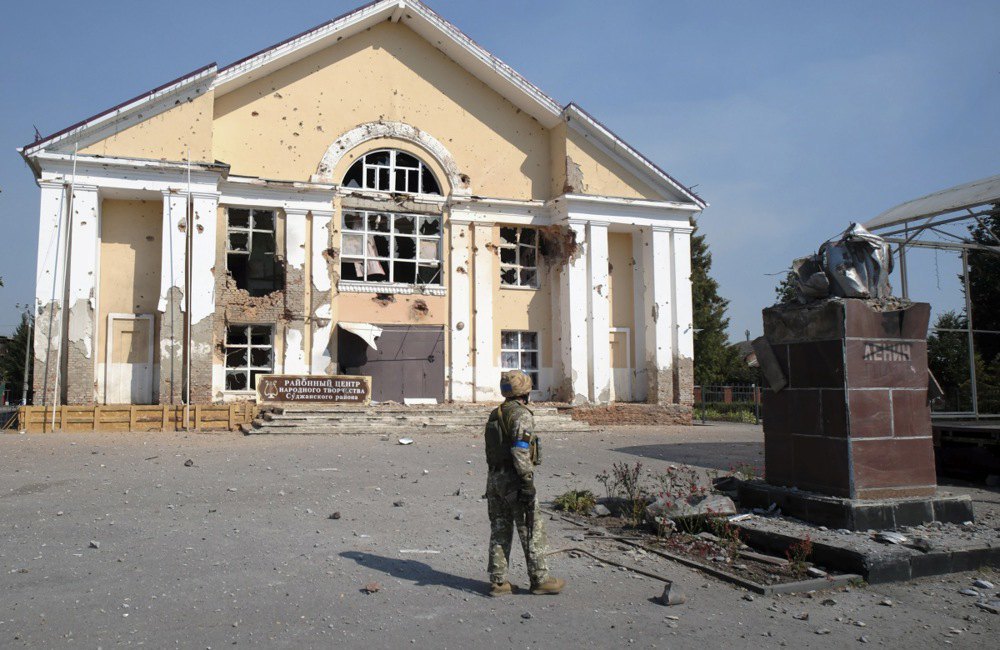
In addition, our counteroffensive operation in the Dobropillya direction thwarted the enemy's plans to conduct an offensive operation deep into the Dnipropetrovsk Region. If you remember, a marine corps group, consisting of 18,000 marines, was transferred from the Novopavlivka direction to the Dobropillya direction, where they are now engaged in unsuccessful combat operations. During this operation, the enemy's plans were also thwarted. There were many loud statements about the "capture" and "encirclement" of Pokrovsk, Myrnohrad, and the entire agglomeration. As a result of the Dobropillya operation, more than 430 square kilometres of territory were cleared and liberated, and the enemy's losses in this direction amounted to more than 13,000 personnel. Most of these were killed in action.
The active actions of our troops in the Pokrovsk direction at the end of 2025 forced the enemy to withdraw some of its forces. At that time, we liberated more than 80 square kilometres of territory west of Pokrovsk and up to 18 square kilometres in the northern part. Despite statements about capture and encirclement, the situation remains as it is.
President Zelenskyy said that it was crucial for the Russians to capture Pokrovsk by the end of the year in order to show the Americans results.
During the Kupyansk operation, there were also many statements about the encirclement and complete capture of the city. But we know the situation.
Unfortunately, however, the offensive potential is not in our favour. If we assess and analyse the enemy's actions, what factors help them maintain this potential against us and increase it? And how can we neutralise this advantage, given, first and foremost, the imbalance in manpower?
Indeed, the human potential of the aggressor country is much greater. We know that they have more than 20 million in mobilisation potential and 4.5 million in trained resources that the enemy can directly use to replenish its units. This, of course, gives it an advantage in terms of manpower.
At the same time, despite the fact that the enemy has fulfilled its mobilisation plans by more than 100% (in 2025 — S.K.), mobilising 406,000 personnel of various kinds to man its troops, we have managed to keep the enemy's numbers at 711,000 personnel (this is the offensive group) for almost six months. He was unable to increase it, despite the implementation of all these plans, because the enemy's losses were much greater — approximately 419,000 personnel.
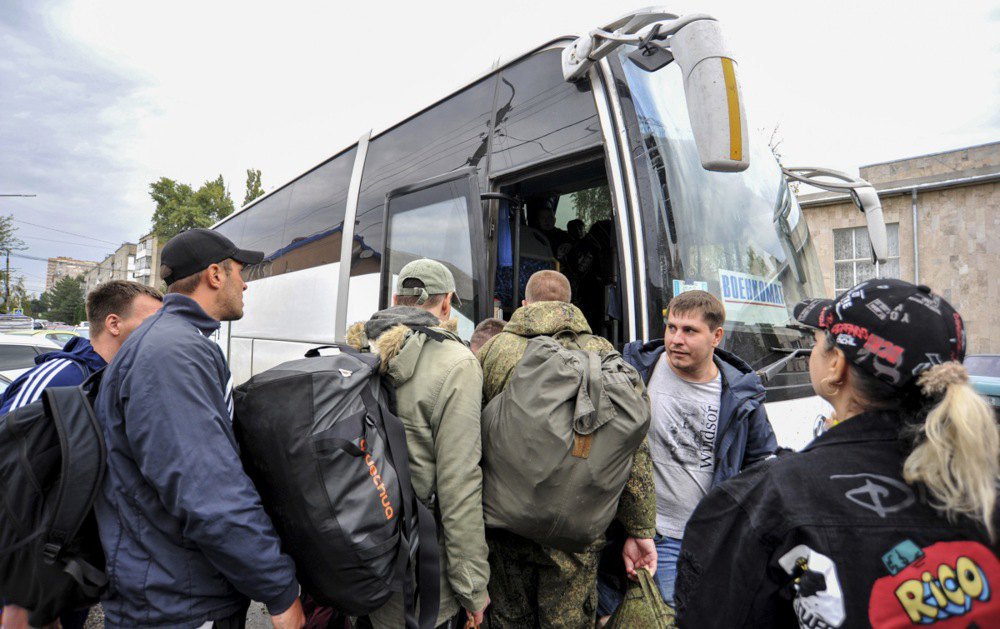
That is, they have greater mobilisation, but also suffer greater losses.
On the one hand, this disrupted plans for active and effective offensive operations. On the other hand, it forced the enemy to dismantle or deploy part of their strategic reserve. They planned to form 14 divisions, but formed no more than half, and even then only partially. Resources were used to replenish losses.
Are they planning to continue building up their forces this year?
Of course. They plan to form at least 11 divisions. And to continue with the plans and tasks that were not completed last year.
How many divisions can they realistically form?
They plan to conscript 409,000 personnel.
"In conventional drones, quality is on our side. In fibre optics, unfortunately, we are only catching up with the enemy."
We have transitioned to a corps system. What has it really changed? Opinions vary greatly. I want to hear yours.
The corps reform was carried out during active combat operations. It was a difficult path, because just to form the corps and corps units, more than 36,000 military personnel were transferred from various positions, combat and operational training measures were carried out, and army corps commands and corps units were formed. All of this underwent training. The corps commands took their positions and assigned troops.
This allowed us to unburden the management system. Previously, the management system was based on temporary structures —operational and tactical groups. Servicemen and officers were assigned to them on a rotational basis for a certain period; they were detached from their main positions, which affected the quality of management. The corps reform made it possible to unburden and streamline the management system.
In other words, corps commanders have a certain number of brigades under their command, greater control over the presence of military personnel on the front line, their provisioning and deployment. This gave us a wide range of advantages in terms of efficiency of deployment and provisioning.
But I want to remind you that the first stage of corps reform took place in 2025.
Yes. We are not currently fighting with corps.
Despite active combat operations, we have moved on to the second stage. This involves moving brigades to their headquarters, where possible. We plan to complete this within a year.
What technologies became breakthroughs in 2025 and what was missing?
This is a war of technologies and economies, a constant competition to see who will prevail. In particular, with technologies for improving drones, increasing their number, quality, and performance. This has an impact on all areas of warfare. In particular, on the order of deployment of troops. Because the standards are changing: for example, the front line has shrunk, the depth of combat formations has increased, and the format and structure of combat formations has also changed.
Now there are no company strongpoints or platoon strongpoints in the classical sense. There are positions that are combined into strongpoints as echelons both in depth and along the front, they have a limited number of personnel — the ability of drones to kill people imposes its own characteristics.
And secondly — artificial intelligence. It is gaining momentum and is actually used in all areas. First and foremost, in the use of weapons. We see drones with elements of artificial intelligence that have the ability to capture targets, track them and automatically destroy them. This negates the role of humans and reduces the human factor in striking, for example, targets.
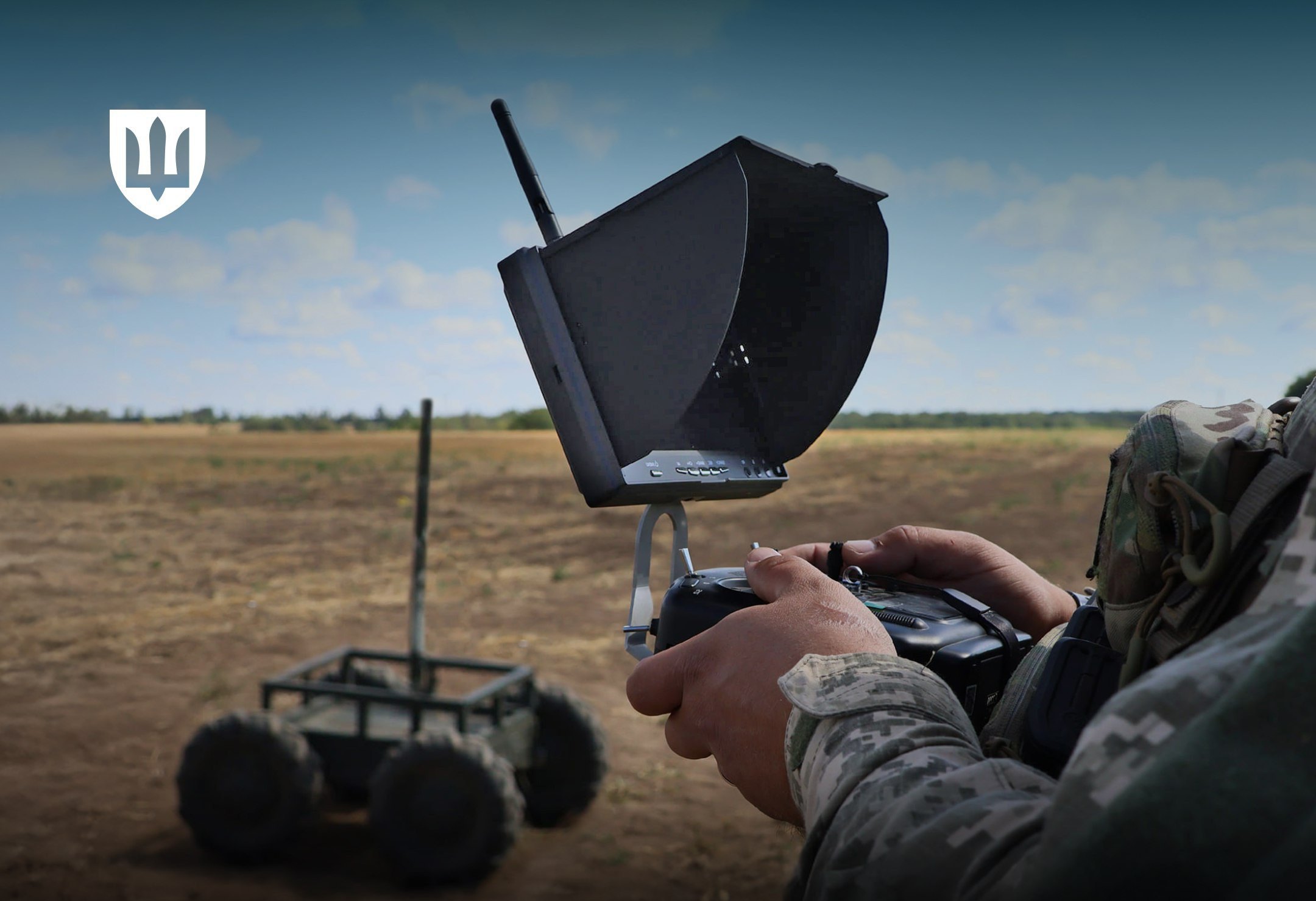
This includes automatic weapons — automatic artillery, which is used both on the ground and for air defence purposes, and which also has increased effectiveness.
This also applies to the decision-making process, as it facilitates the search for options. This is the main thing. There are many such areas.
Who has changed technologically better, faster and more efficiently — us or the enemy? And who has scaled better, faster and more efficiently?
It is a constant competition. Sometimes we are ahead, sometimes the enemy catches up. For example, with the use of FPV drones. At first, we started using them and had an absolute advantage. Then the enemy began to catch up with us in terms of both quantity and quality. And, in principle, everyone uses similar types of these drones.
And then fibre optics appeared. And here, unfortunately, the enemy had the advantage. They were the first to start using it and improving its characteristics. Now fibre optics continue to play a decisive role because they are more secure, are not suppressed by electronic warfare, and their range of application and quality are constantly increasing, allowing them to be used in various conditions, day and night. The operational skills and tactics of the troops are improving because the "kill zone" is increasing. We have settlements and areas that are under our control but under attack from enemy drones.
While we can suppress conventional drones with electronic warfare, fibre optics can only be destroyed mechanically or by using anti-drones or drone interceptors. And this is again a competition of technologies. Whoever uses higher-quality systems has an advantage on the battlefield and achieves success.
As of mid–January, who has the upper hand in the drone balance of power — us or them?
In terms of the number of drones, it's about the same. The question is quality. With conventional drones, quality is on our side. With fibre optics, unfortunately, we are only catching up with the enemy.
"The next step is to switch to air evacuation and air delivery."
There are very different opinions about the UGV. In the Kharkiv direction, the guys praise them; it is now the number one tool for solving logistics issues. In Pokrovsk, enthusiasm is mixed with critical comments, primarily regarding impassability, even taking into account the fact that they are being refined directly on site. What is your assessment and your forecast for the development of this technology?
This technology will only continue to develop. The number of unmanned ground vehicles (UGV) will increase, and their quality will improve.
At the same time, we must not forget that any UGV is a priority target for the enemy and drones. This is because unmanned ground vehicles are used for logistics (they are now also being used as a combat weapon) and for evacuation.
Of course, they have better performance compared to conventional vehicles or armoured vehicles because they are smaller. But their size advantage sometimes prevents them from having better speed or cross-country capabilities.
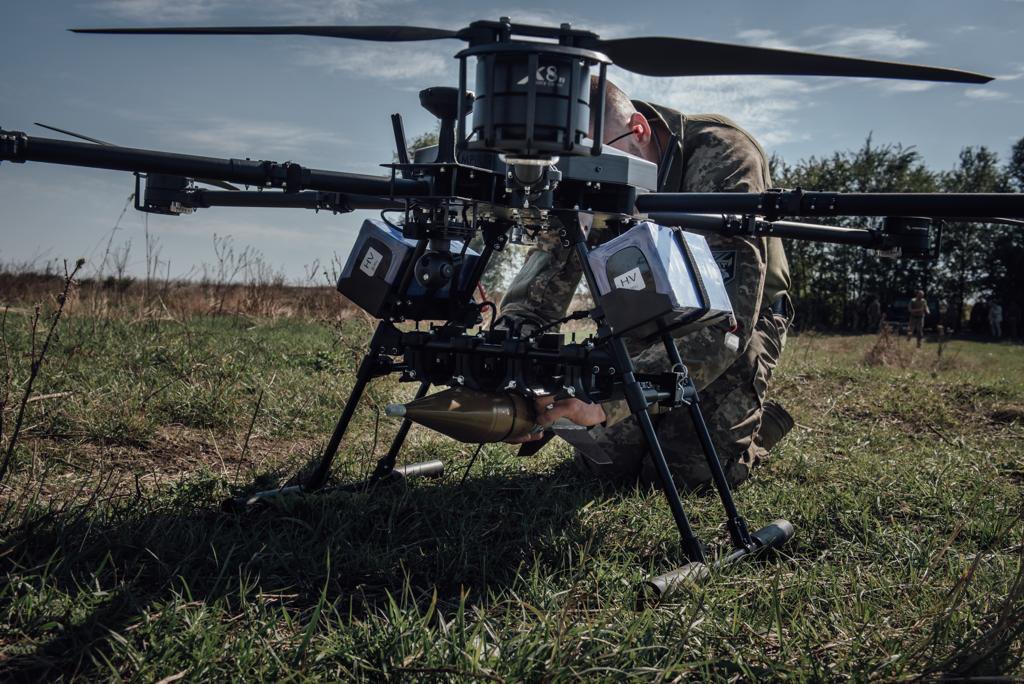
I predict that the further development of these platforms will be a transition to air evacuation and air delivery. We already have examples of such powerful drones that deliver and evacuate directly above the ground.
Vampires first and foremost?
Vampires are a universal tool used to strike the enemy and deliver food and ammunition. I am referring to more powerful drones that can lift over 130-150 kg. Of course, ground systems will also develop, but I think air platforms will have the advantage.
The enemy's combat experience analysis system is at a very high level. In your opinion, we are at least equal to it, not to mention surpassing it. How does it work for us now?
Of course, we conduct analysis; it is enshrined in all governing documents. It is a mandatory element of every operation, every day of combat, because we conduct after-action reviews, analysing combat operations. And based on this analysis, we determine and formulate tasks for the troops. This is standard procedure.
Yes, but it works very differently.
It all depends on the commander, his experience and understanding of what needs to be done. Not formally, just to mark it as an element. Because all planning of our actions is based on an analysis of the enemy's actions, their capabilities, their intentions, and our capabilities and capacities.
"Last year, we inflicted $15 billion in losses on the Russians."
Another striking marker of 2025 is that we began to actively strike the enemy on their territory. How do you assess the effectiveness of these strikes, how much do they really (not) affect the course of hostilities?
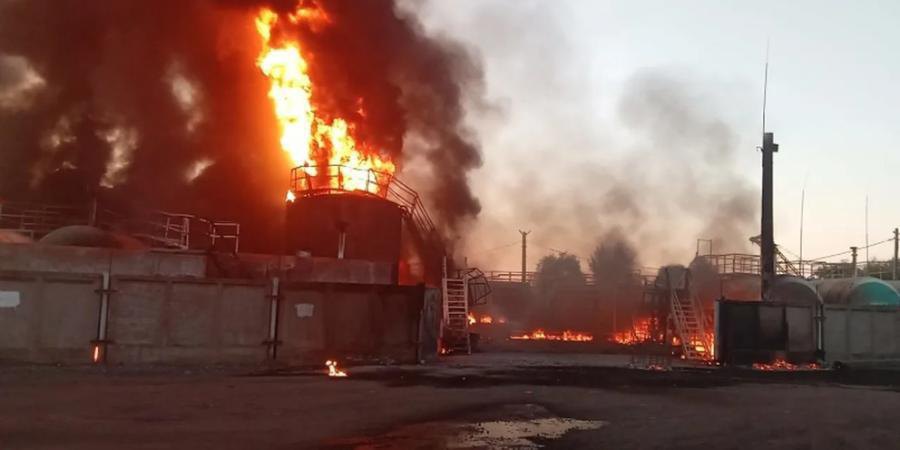
Deep strike is our strong point. This is recognised by the enemy, our partners and allies. Because we inflict damage with relatively small and inexpensive means. For example, in 2025, we have hit 719 enemy targets and caused them losses of more than $15 billion. We have significantly reduced oil production. And we know that oil is Russia's main export potential and, in principle, the main source of its military budget.
As far as I remember, oil production revenue amounted to $130 billion, while the Russian Federation's military budget for 2025 is $175 billion. In fact, we are reducing the source of funding for the war. That is why deep strike plays a decisive role.
We know of a number of brilliant operations in which we struck purely military targets. Everyone remembers the strategic operation...
Spider's Web? It made everyone very happy....
And the destruction of the enemy's oil refinery complex. Even retaliatory strikes for the destruction of our energy infrastructure put the enemy in its place.
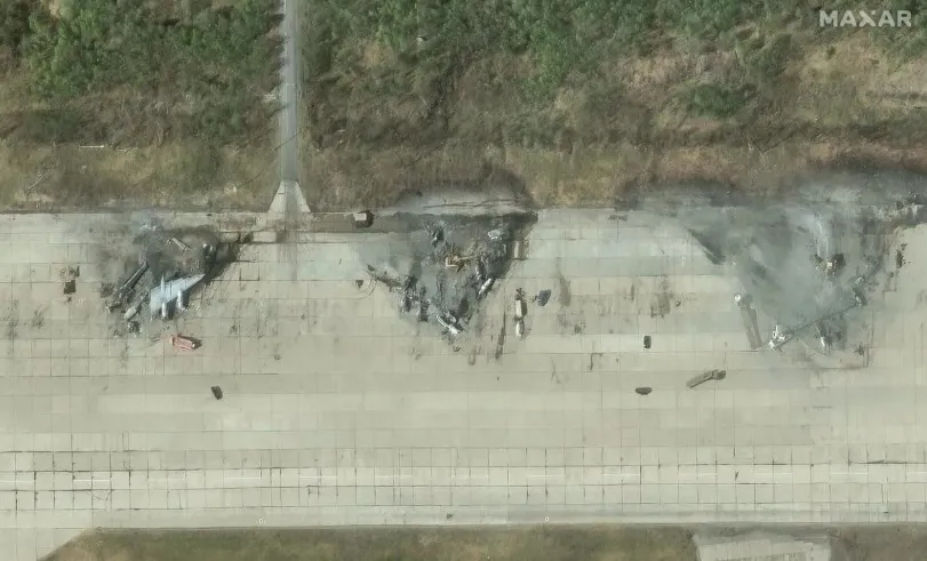
But they terrorise the civilian population, while we strike precisely at targets that severely impact their means and methods of waging war — oil refineries, drilling rigs. These are different things, I don't know how to compare them.
We are responding adequately to the strikes on our energy sector. As a result of the latest strikes, the Belgorod Region was left without power.
Unfortunately, this does not have much effect on the mood of the local population in terms of protest potential.
But it certainly does not add to their optimism.
Except perhaps.
I cannot help but ask you about the appointment of Mykhaylo Fedorov as Minister of Defence, with whom you will have to work closely. The President has set him a number of tasks — air defence, technology, logistics, etc. In his speech, Mykhaylo also spoke about an audit at the Ministry, providing brigades with drones and, again, technology. Which of these should be prioritised, and in what order? And what do you think about all this in
First of all, I would like to congratulate Mr. Mykhaylo on such a high and responsible position. I did so as soon as he was voted in. I wish him success, because this is a huge amount of work and responsibility for providing for the army, for making a breakthrough in technology, for digitising the army, for improving the characteristics of weapons and drones, as we discussed.
Let me remind you once again: war is not only a competition between armies on the battlefield, it is a competition between economies. Therefore, under these conditions, he must make every effort to ensure the technological advancement of our Armed Forces and to provide high-quality, high-tech weapons that will give us an advantage on the battlefield. And, of course, to carry out the full range of tasks assigned to him by the President of Ukraine, the Supreme Commander-in-Chief. We will assist him in this endeavour.
So there won't be any conflict because he is a civilian, a young person, and here we have experienced military personnel?
The task of the Ministry of Defence is precisely his area of expertise. He has vast experience in this field and, I hope, will make full use of it.
It is important to understand who is responsible for what and not to confuse the sacred with the righteous.
Absolutely right.
"The indicators of understaffing are much better than seven months ago."
Yes, let's talk about current issues. There is a lot of talk now that the crisis on the front line is growing due to understaffing of units. How objective is this assessment? And if we are talking about crisis points, is it primarily understaffing or something else?
Everything related to staffing and mobilisation is a very sensitive issue for any armed forces. This is a topic that cannot be addressed simply with numbers. To a certain extent, it affects both the combat capability of the troops and the enemy's level of awareness, because everyone is watching the mobilisation, the results of mobilisation, and the consequences. The enemy uses mobilisation issues in its information warfare and, unfortunately, is sometimes successful.
What can I say: we have much better indicators in this regard than, say, seven months ago.
As a result of what?
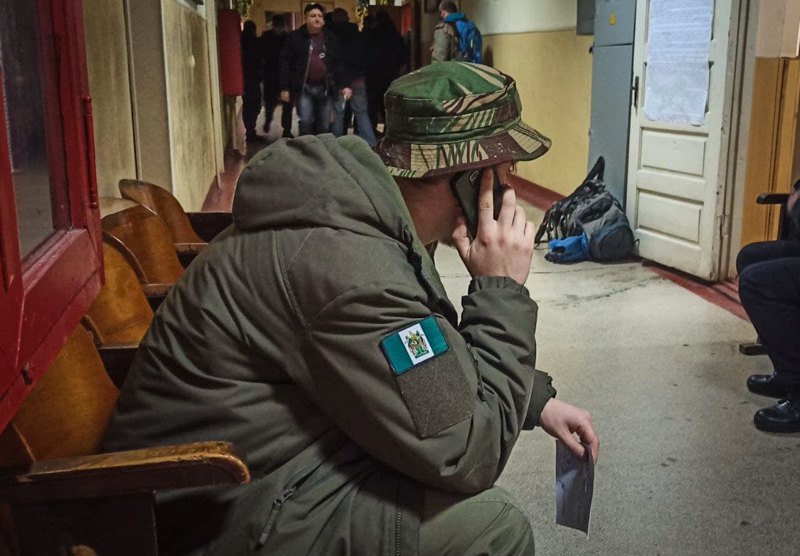
Probably because of improvements in the work of the territorial recruitment centres (TRC) in relation to commanders, in the work of all components of the Defence Forces — in terms of ensuring the recruitment process itself, in terms of training, in terms of working with people, because we understand that problems arise primarily where there is no normal human attitude towards the people who are being mobilised.
The right attitude is one thing. And two is motivation, especially if a person is mobilised or conscripted.
Of course, for someone who has come from civilian life, who has basically built a career and never associated themselves with the army, this transition process is painful. And we must do everything we can to make it more comfortable, without critical consequences, when a person decides to perform unauthorised absence from duty (UAD).
This process of transition from civilian to military life and transformation into a real soldier, a warrior who is ready to defend the Motherland, who has the necessary skills and abilities to destroy the enemy — our task is to make it as comfortable and acceptable as possible for the person.
Where this process is going well, let's say, the level of unauthorised absences or violations is minimal. Where there are violations, the first thing to do is to deal with the commanders or TRC employees who allowed these violations to happen. Because violations are at the root of everything.
Brigades that are actively developing recruitment have better results, am I right?
Of course. Now every commander is interested in getting trained people, trained military personnel who want to do their duty and understand the situation on the battlefield.
This is because the process of training and acquiring the necessary skills is two-sided: those who teach must provide all the skills and knowledge they have and have acquired on the battlefield; those who learn must take as much as possible from this in order to survive. Lives and health depend on the level of training.
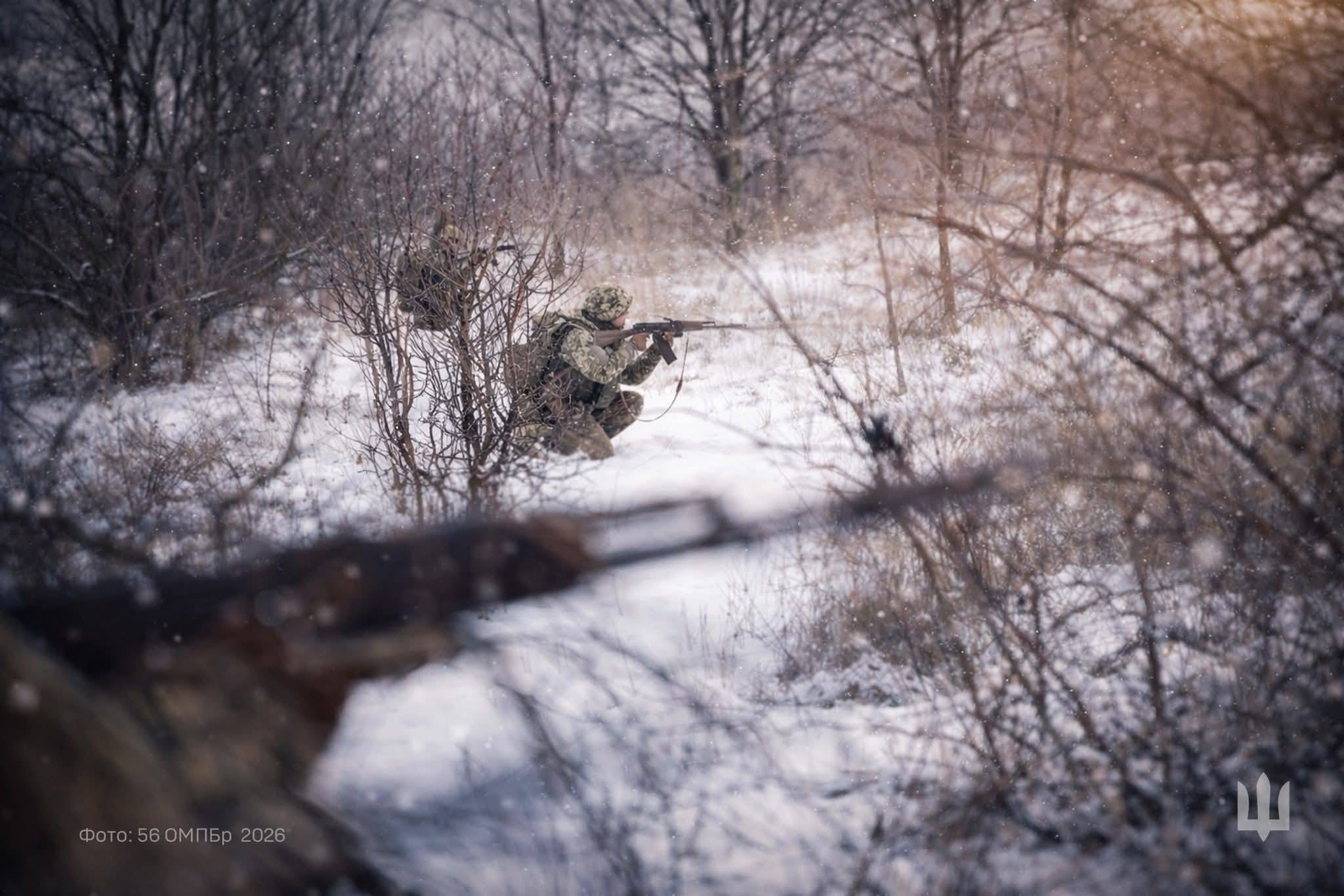
In fact, problems with insufficient staffing cause specific situations on the battlefield. For example, the infiltration of the enemy in small groups, which we saw at the end of the year; the story with the gas pipe, in which even after the liberation of the city, a number of Russians remained — about 60 people, if I am not mistaken. These are all consequences of understaffing. The same applies to assault and offensive operations, in which we sometimes involve two or three times fewer people than should be the case from a military science perspective.
Of course, the level of mobilisation and staffing determines the combat capability of troops, their ability to perform assigned tasks in defence and in attack.
The question is, how can this be corrected? You say that the situation has improved over the past seven months...
Yes. We have stable indicators in terms of obtaining the number of personnel we planned, for example, per month. That's the first thing. And secondly, such a parity direction is a reduction in the level of self-abandonment of units. This will enable us to recruit additional military personnel and reduce the burden in terms of mobilisation.
At the LB Club meeting in December, Kyrylo Budanov said that "mobilisation has failed miserably". And, according to him, the key flaw is the information component, the information campaign. What is preventing us from going through this first stage more effectively?
I agree that the information campaign should contribute to mobilisation and enhance the prestige of our Armed Forces, which are fighting enemy forces that outnumber us in terms of weapons, personnel and ammunition. And our soldiers are conducting effective combat operations, inflicting losses on the enemy. We have already talked about them. I am sure that no country can withstand this. But for some reason, our information campaign is based more on negativity.
We sometimes do not cover our offensive operations because it saves the lives of our soldiers. When the only information environment is Osint, it becomes, in my opinion, the main source of intelligence — who wrote what, posted a video, and so on. And this can lead to fatal consequences.
On the other hand, for some reason, we do not report that we held Kupyansk, liberated it, and destroyed a huge number of enemies there. We thwarted their offensive campaigns. We have been holding the Pokrovsk–Myrnohrad agglomeration for 17 months, since September of last year. But there is constantly some kind of distorted information.
Let's take the latest example — the Kupyansk campaign. As soon as some results appeared, internal disputes immediately began about who "carried the load" alongside the victors. Some say it was us, at the state level someone else is highlighted, but when you get closer to the scene, people say completely different things. I am deliberately not naming names, because you will not comment on them anyway. But the perspectives are very different.
I would like to thank all our servicemen and military units who took part and are taking part in the combat operations to liberate Kupyansk. The operation consisted of two important parts, two operations. The first operation was to liberate the approaches to Kupyansk and isolate the area bordering Kupyansk, i.e. the northern and north-western parts, because the enemy was penetrating and entering the city through this territory. In other words, it was necessary to create a reliable barrier there that would prevent the enemy from entering the city.
The second operation was carried out directly to liberate the city and clear the districts and neighbourhoods. This was a completely different operation, but also very important. These two operations were carried out simultaneously. Each had its own commander. But they were both equally important.
Who played a key role there and there? In your opinion.
I will not mention any names either. I could name dozens of commanders. I am simply grateful to all the servicemen who took part in combat operations as part of the Second Corps of the National Guard, because it fought with its own units and attached units, which directly cleared the city and are still clearing it, searching for sabotage groups and remnants of the enemy and its units. I have enormous respect for all of them.
But why should we tell the enemy about our troop formations?
Well, yes.
"People returning from the AWOL (unauthorised absence from duty) may end up in units that are actively engaged in combat operations. These include the Airborne Assault Forces and assault units."
Let's talk about the military going AWOL. Are there any new initiatives regarding the return of military personnel from the AWOL? And what do you see as the most pressing issues at this stage?
In studying this issue, we looked at various forms and methods of return. You know that there are return procedures, meaning that a serviceman who has left for reserve duty can return to his military unit on his own or transfer to another military unit.
We have created reserve battalions where these servicemen are delivered or where they come on their own. That is, they can return and continue to perform their military duty.
It is clear that those who evade and do not want to fight are searched for and criminal cases are opened against them. But even at this stage, a serviceman can return if he wishes to do so.
Well, improving the conditions of training in training centres, creating appropriate conditions, providing logistics, quality food, safe accommodation (we know that training grounds are also one of the enemy's targets) — this is another way.
And once again, fair mobilisation and humane treatment of our servicemen at all stages by all commanders: from sergeants and instructors to unit commanders.
Recently, our colleagues from Hromadske, citing a report from the General Staff, noted that it is possible to return from the AWOL to the Airborne Assault Forces or assault troops. I would like to clarify: only to the airborne assault and assault troops, or including them?
Including them.
How is this decided?
Of course, the units that perform tasks in the hottest areas of the front line are the first to be manned. Where active combat operations are taking place, there are, unfortunately, casualties and a need to replenish personnel. Therefore, of course, people who return may end up in units that are engaged in active combat operations. These include the Airborne Forces, assault troops, mechanised troops, and territorial defence units.
But the numbers of military going AWOL are growing exponentially... I don't even want to mention them — it's not even double.
They change depending on the intensity of combat operations, the situation on the front line, and the negotiation process.
Perhaps if the transfer mechanism worked a little more loyally (it is extremely difficult to transfer now), there would be fewer cases of desertion?
Perhaps, but don't forget that there is a war going on. And it would be difficult, objectively speaking, to simply transfer from one brigade, especially one that is actively engaged in combat, to another that may be nearby but is not involved in active operations.
But this is not a new problem.
Not new. But no one has cancelled the war.
There are many ways to transfer to a place where there is no active combat, you know about them, I think we talked about it last time.
Does the General Staff have any initiatives, perhaps new ideas, regarding the return to the topic of extended leave for those who have been fighting for a long time — more than six months? If the war continues, this issue needs to be resolved.
It is necessary. Previously, before the large–scale armed aggression, it was resolved through rotation. Brigades would leave, servicemen would go on leave, rest, and then the process of restoring skills and conducting combat drills would begin.
Now, when we are outnumbered by the enemy several times over, and given the scale and intensity of the fighting, unfortunately, the rotation process does not always work for us.
Of course, people need to be given time off, and the process of granting leave continues even during active combat operations. Brigades involved in active combat operations grant scheduled leave to servicemen. This process does not stop.
Scheduled leave is usually 10 days.
Well, no. But as a rule.
It's a double-edged sword. On the one hand, we have few people, the enemy outnumbers us, so we use all our resources to the maximum. On the other hand, people who do not recover and do not rest lose their potential faster.
Therefore, granting leave is, let's say, the only effective way. In addition, there are rotations of units within the brigade. Some units are withdrawn from the front line to the rear, where they are given the opportunity to rest and go on leave. Some battalions are withdrawn for replenishment, where this process is also easier.
Unfortunately, under the current conditions, we cannot ensure such a continuous process for everyone.
I found this quote from you in a previous interview we recorded in April: "We cannot keep someone who simply throws their soldiers into battle where they die." When will minimising personnel losses become one of the criteria for the effectiveness of units?
This is one of the main criteria — the level of losses and the commander's concern for his subordinates. And also — effective, well-thought-out organisation of combat operations. I remove any commander who does not care about his subordinates from his post.
The second criterion is outright lying. When they start lying, hiding the real situation, which, again, leads to the loss of territory and, most importantly, people.
Last time, we talked in detail about how commanders often report on the number of personnel who are not actually there. This is because the system is set up in such a way that they are simply afraid of getting into trouble. You said that you travel to the front lines to check whether the reported number of people is actually there. Is the situation improving or is it like water off a duck's back?
It is indeed improving. We know how many people are on the front line. And this accounting is done from the lowest level — from the company to the General Staff. We can open any electronic map and see how many people are in a particular position.
Of course, there are cases when this is not true, and it is either deliberate deception or ignorance of the situation. But such cases have significantly decreased, although they still exist.
By the way, in 25 years, our losses decreased by 13%. At the same time, the enemy's losses increased significantly. I would like to note that in two years — 2024 and 2025 — enemy losses amounted to more than 850,000 personnel. This includes all losses — both killed and wounded. This testifies to the effectiveness of combat operations.
"Assault units saved the situation in the direction of Hulyaypole"
To conclude the topic of the proper use of human potential... Assault brigades are often referred to as "firefighting teams" that are forced to solve problems that cannot be handled by brigades that are permanently stationed in the territory, so to speak, since it is clear that there are some movements.
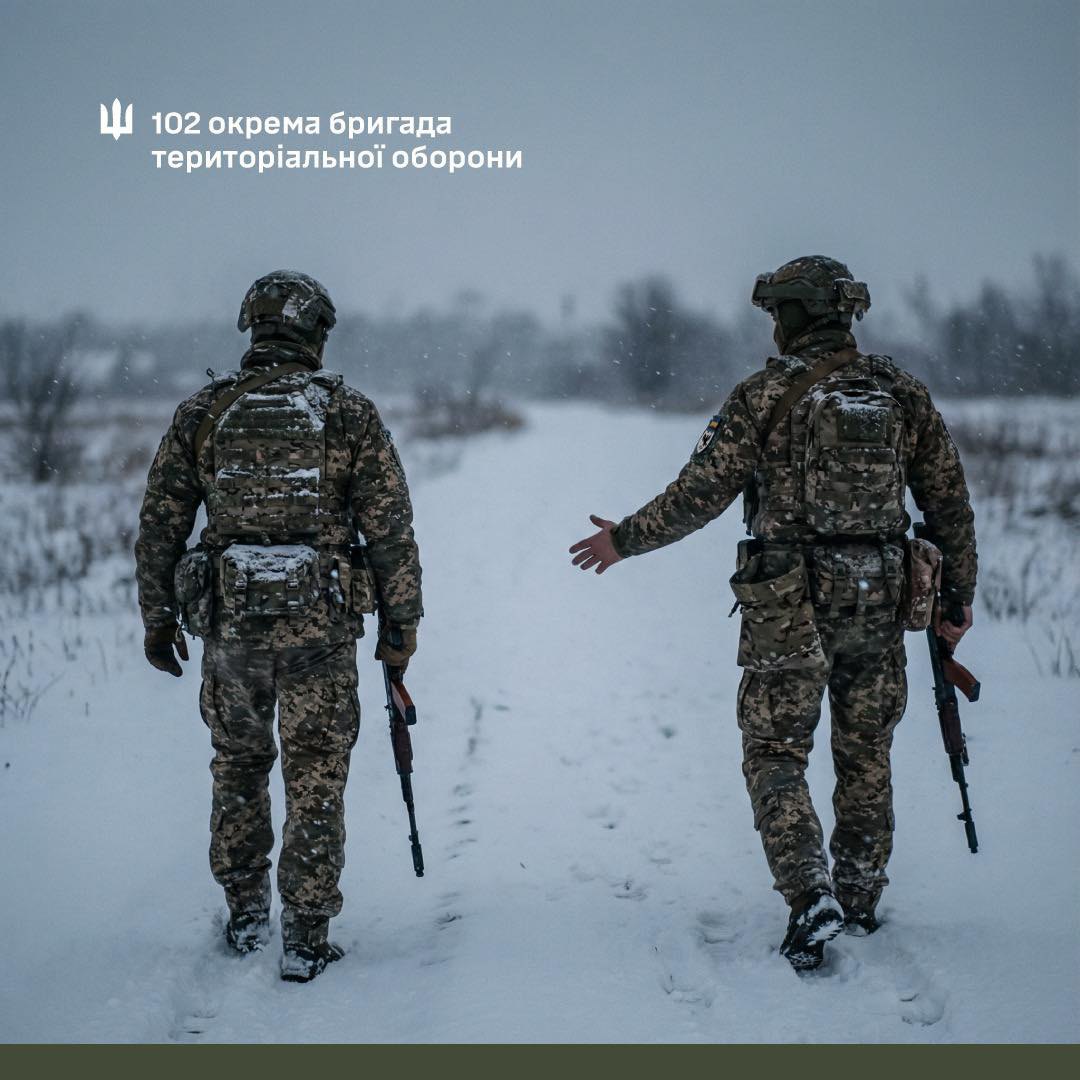
For example, the 102nd Brigade of the Territorial Defence Forces, in the Hulyaypole direction, where it has been since 2022. It is clear that they are exhausted and tired. On the one hand, they know the territory well and understand everything there. And if they had been rotated out in time or properly replenished, then there would have been no need to put out the fire in Hulyaypole.
If you mentioned Hulyaypole and this direction, yes, indeed, they (the 102nd Brigade of the Territorial Defence Forces – S.K.) have been there for a long time. But this direction, in general, has been completely inactive in terms of combat operations since 2022. And the fact that assault units were used in this direction was a necessary measure. Because the front line had simply been broken through, entire areas of the terrain had been left unprotected, and it was necessary to prevent the enemy from breaking through.
The assault units saved the situation.
You mentioned that those who are mobilised into the army are civilians who, in particular, have had successful careers. To what extent are, say, the specifics of their previous lives, skills, knowledge and abilities taken into account when assigning them to specific units? We know of many negative examples where a person who is motivated and has the knowledge to work with drones ends up sitting in a tank, so to speak, or vice versa.
My relevant administrative documents instruct us to study people who come from civilian life, to study their previous work experience in various fields and areas, and to make the most of this experience wherever possible. So that an operator who is capable of flying a drone does not end up driving a tank.
A tractor driver, for example, would be better suited to driving a tank. That is why this needs to be done. We have many examples of people who came from civilian life and are now successfully commanding regiments, brigades, and even separate branches of the armed forces.
And we know their names.
So, let's not repeat ourselves.
I just want to say that our army has long been a mobilisation army. And thanks to such approaches, we have many successful military careers where people fully realise their potential acquired during civilian life.
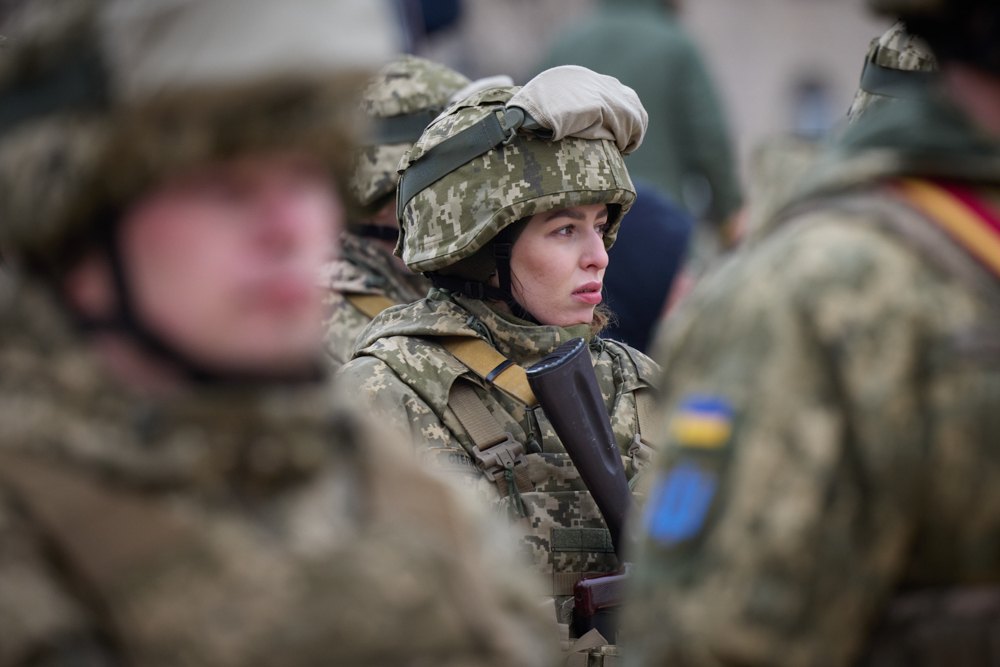
Out of solidarity, I cannot help but mention the following figures: compared to 2023, the number of female officers has increased by almost 55%. In total, more than 55,000 female military personnel serve in the Armed Forces and 20,000 work as civilian personnel. There are about 9,000 female military personnel in the combat zone. How do you assess these figures and how do they affect efficiency?
They do have an impact. This is because there are many professions, particularly in the army, that female military personnel and officers perform better than men. And I think it's very positive that everyone, regardless of gender, can realise their potential, their patriotic intentions, and fulfil their military duty wherever they want. This is a normal democratic process in the Armed Forces, even when there is such a fierce war going on.
And it corresponds to the spirit, times and standards of NATO.
Of course.
You are often accused of micromanagement, although some commanders, such as Andriy Biletskyy, deny this. We talked about this last time, and now I want to follow up on the dynamics: has there been less control on your part, or has something changed?
What can I say? First, the length of the active front line is over 1,200 kilometres. Of course, it is impossible to micromanage the entire front line.
Second, every commander has duties and a degree of responsibility in decision-making, ensuring combat operations, and directing combat operations, starting with the platoon commander. This responsibility rests with the respective commanders, then with commanders of the same level, the second level and the highest level. In other words, everyone must be aware of the situation on the front line.
As for micromanagement, it is only used where the situation really requires my personal intervention as commander-in-chief. Where the situation is critical, where the commander has either failed or the enemy's use of appropriate forces and means requires adequate action with the resources at my disposal to neutralise the threat at its inception.
Because once it spreads and, for example, there is a breakthrough, I will no longer be able to close it. So what is micromanagement? It is the timely decision-making where the commander is unable to cope or has requested assistance, because every brigade commander can contact me at any time of the day or night and say that the situation is escalating and such assistance is needed.
You know, this is not micromanagement, these are the peculiarities of war. And it consists of instant reaction. Because, given the high level of technology in this war, the situation can develop very rapidly and lead to critical consequences.
"The enemy plans to significantly increase production in order to deploy up to 1,000 drones per day."
We have discussed the results of the 25th and the key issues. Let's now look to the future. Everyone is currently focused on the topic of peace talks. What do you think about this? Are you hoping for a peace agreement, or do you think the war will continue into 2026?
We see the enemy's actions, and there are no signs that they are preparing for any peace talks or initiatives on the battlefield. On the contrary, we see an increase in the intensity of hostilities, an increase in the number of enemy offensive groups, and an increase in the production of strike weapons, missiles, and drones. The enemy is currently producing 404 different types of Shahed drones every day. And they plan to increase this number.
What exactly? Tell us about the enemy's plans in general.
The enemy plans to significantly increase production in order to deploy up to 1,000 drones per day. Therefore, of course, we must do everything to thwart these plans and inflict such losses on the enemy that it will abandon its active operations and create conditions for negotiations. Because no one will negotiate with the weak.
Our task, as the military, as the Armed Forces, is to continue to fight effectively, to conduct combat operations in order to minimise the enemy's combat potential — human, weapons, weapons production and dual-use products.
What is the share of aid from our enemy's "partners" — Iran, China, North Korea — in the total amount of their weapons, and what is their capacity to increase the production of these weapons on Russian territory? We have seen the figure of $3 billion, which is the value of missiles that Iran has currently supplied to Russia.
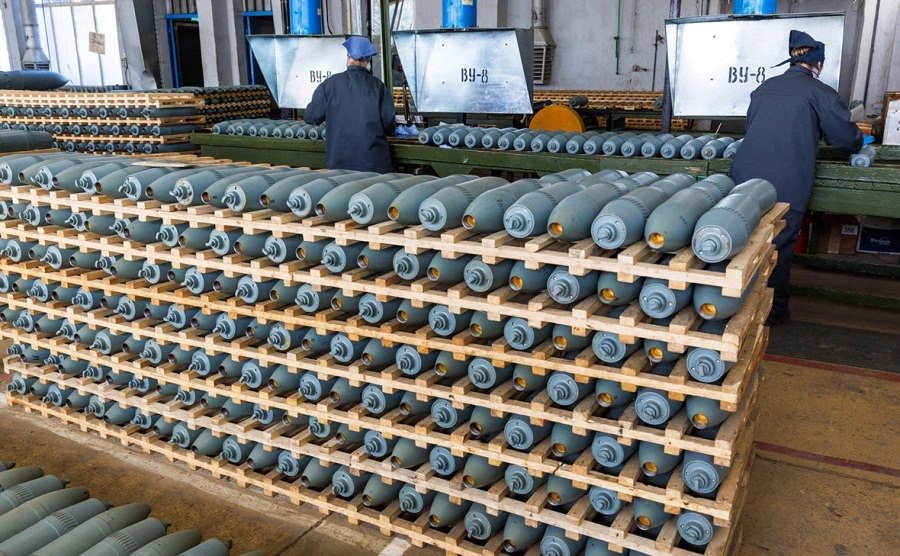
And that's just missiles. Of course, the figures are confidential, but everything related to electronics comes from China. The technology is Chinese. Supplies of ammunition and missiles come from North Korea. And, of course, Iran. Therefore, Russia's economic capabilities remain high.
We see that the pace of ammunition production, unfortunately, is not slowing down, but only increasing. This must be taken into account and appropriate action taken.
Obviously, both they and we have plans for 2026 — each of us has our own. Of course, you can plan anything you want, but let's not forget about (a)symmetrical responses. However, there is information that Russia has formally planned an active offensive in southern Ukraine in 2026. How do you see this scenario and the most likely scenarios for the development of the war in general?
If we take the enemy's global plans, they have not changed — the whole of Ukraine. And all directions of offensive operations also remain the same, only the terms, the amount of weapons and personnel are changing. Everything else remains as it was. In other words, they are sticking to their plans.
Therefore, we will conduct a strategic defensive operation, while understanding that victory cannot be achieved through defence alone. Therefore, accordingly, we will conduct offensive operations, fight to maintain the operational initiative, because this forces the enemy to engage and withdraw significant human resources, weapons, and ammunition to restrain our active actions.
And, of course, we will continue the practice of asymmetric actions, which has proven itself very well. We will continue the actions of the Special Operations Forces. They have also achieved a sufficiently high level of development and quality.
Is a strategic breakthrough in the war in our favour possible in 2026? If so, under what conditions?
Under the conditions of achieving technological superiority, winning the economic competition, supporting our partners and allies, and creating our own production, because we have all the grounds for this. There are models that have proven themselves very well in terms of efficiency at the global level.
This applies to all types of weapons, but first and foremost I mean missile weapons, the creation of missile weapons in sufficient quantities — ballistic and cruise missiles. And the use of the latest types of weapons. Laser weapons.
Also, the transition to a new level of technological equipment for the Armed Forces will allow us to reduce the direct involvement of people in combat operations and increase the use of machines, primarily drone systems. And, of course, the further development of artificial intelligence as the basis for the effective use of weapons, increasing the speed of action, reaction to use, and the development of appropriate solutions.
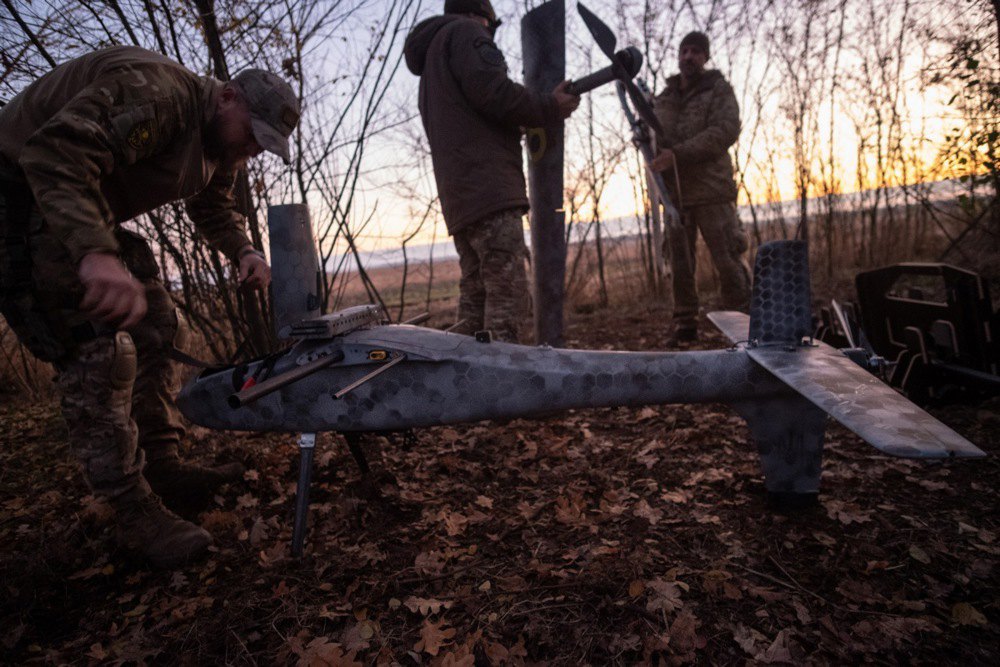
While fighting us, the enemy continues to prepare for an offensive against other countries. Again, at a meeting of the Lb Club, Kyrylo Budanov said that the Russians had previously planned to attack the Baltic states in 2030, but now they plan to do so in 2027. However, our technology can delay this scenario.
This is one of the reasons why our partners should help us more actively.
President Zelenskyy has repeatedly emphasised that the issues of the Zaporizhzhya Nuclear Power Plant and territories remain the most problematic in the negotiations. I want to talk specifically about the territories. The key demand of the Russians (and the Americans sometimes make it clear that they are not really against it) is that we completely liberate the territories of Luhansk and Donetsk Regions, even those that are not controlled by the Russians. What is your attitude to such proposals?
I fully support the position of our President, the Supreme Commander-in-Chief — everything he said is not just words. This is land that has been watered with the blood of our soldiers, our citizens. Thousands of soldiers gave their lives for this land. Therefore, of course, the position of our state leadership is acceptable to us and we understand it.
It is clear that the enemy will try to seize these territories: the administrative borders of Donetsk and Luhansk Regions are important to them.
You can see that recent statements have been made to the effect that it is necessary to advance deeper, regardless of borders. Borders are a marker. We understand the global plans — they are to destroy our state.
And we will do everything to ensure that they are not realised in 2026.
Yes.