




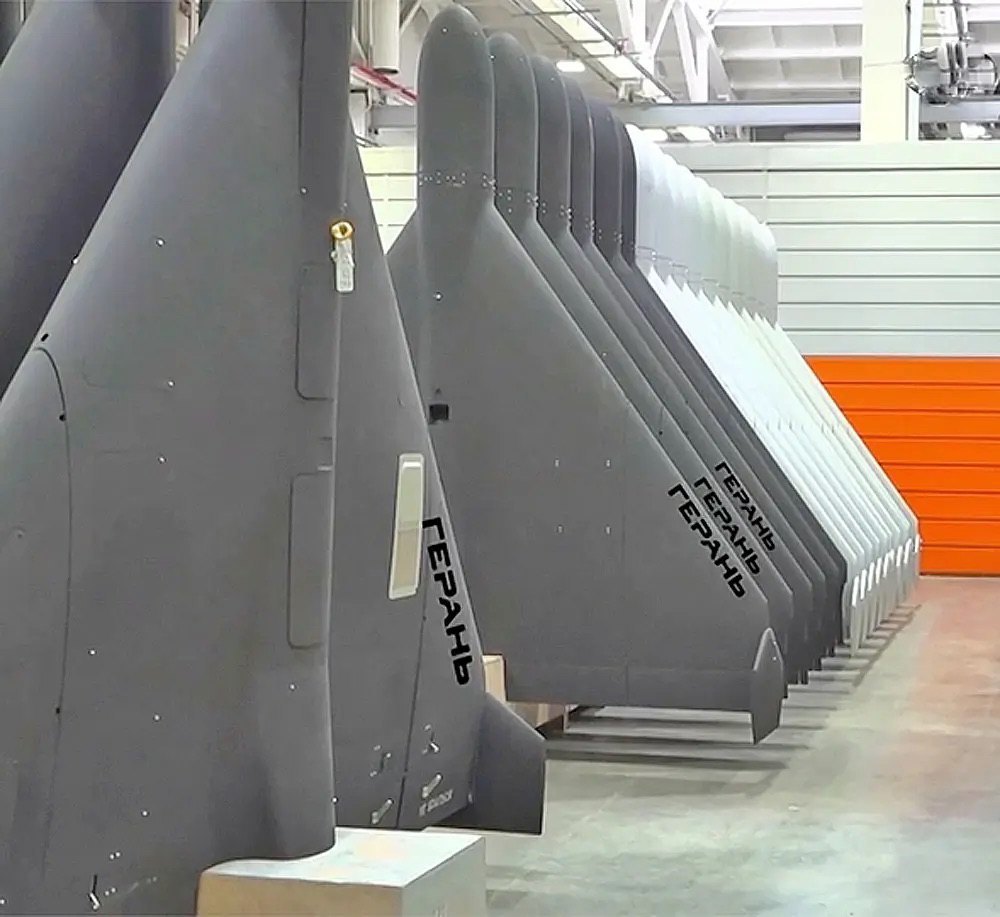
Russia can assemble, purchase or manufacture between six and eight thousand UAVs per month. To prepare for a “super-strike”, it would need to work intensively for 10–20 days. As for missiles, production stands at 90–120 missiles per month; an operational reserve of missiles for a massive strike — that is, 60–120 units — can be accumulated within a month.
We conclude that the enemy will not be able to launch massive missile strikes every month, but will organise combined massive strikes four to six times a year alongside constant UAV air attacks.
The organisational, military-technical and defence industry capabilities will allow the enemy to conduct daily raids with 100–250 UAVs, two to three times a month with 300–500 UAVs, and one massive strike with 500–800 UAVs. Two to three times a year, super-strikes involving 800–1,200 UAVs and 60–120 missiles should be expected.
In January (approximately between the 5th and 15th), Russia is capable of launching a super-raid on the energy sector and on the occasion of the holidays (Old Style Christmas): 600–1,000 UAVs and 30–80 missiles accumulated in December 2025.
In February, a massive combined strike of 400–700 UAVs and 20–50 missiles could be launched on the anniversary of the full-scale invasion or as a political signal after accumulating the relevant strike capabilities in January.
March–April: while building up to a summer offensive, the enemy will economise and attack with a minimum number of missiles and 300–500 UAVs per raid.
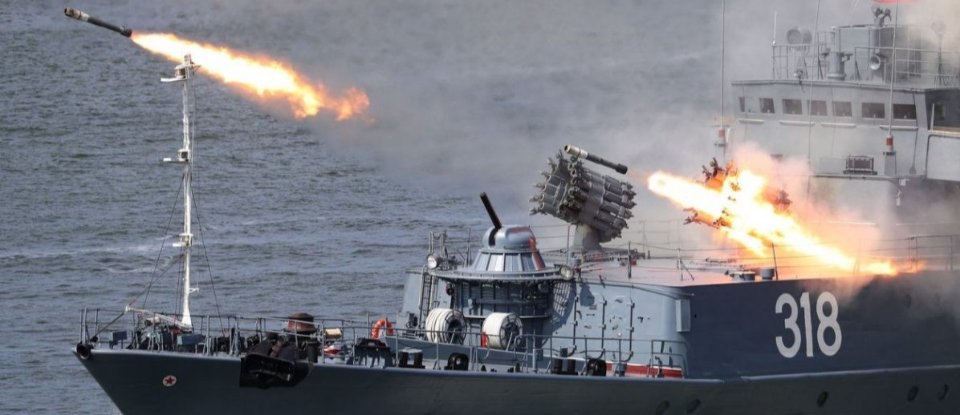
May is the time for demonstrative strikes, primarily on the occasion of the anniversary of Victory Day. One or two strikes involving 40–70 missiles and 500–800 UAVs are expected.
June–July — a pause, with regular raids of 200–400 UAVs aimed at exhausting Ukrainian air defence, as Russian forces focus on developments at the front.
August — either a super-raid on Independence Day or a series of powerful strikes following a period of accumulation in previous months; 800–1,200 UAVs and 60–100 missiles should be expected.
September–October — a decrease in intensity, with the beginning of pressure on the energy sector after its recovery period and on the eve of the heating season; 300–600 UAVs and 20–40 missiles.
November–December — one or two super-raids on energy facilities after a prolonged accumulation of strike assets; 900–1,200 UAVs and 80–120 missiles.
Very high probability of strikes — August, November–December; high — January, February, May; medium — March–April, June–July.
Key strategic conclusion: 2026 will not be a year of major missile campaigns. It will be a year of constant pressure from drones, with rare but extremely powerful peaks. The enemy will be forced to conserve missiles, massively scale up the production and use of UAVs, act according to a schedule, and exert psychological pressure rather than operate chaotically.
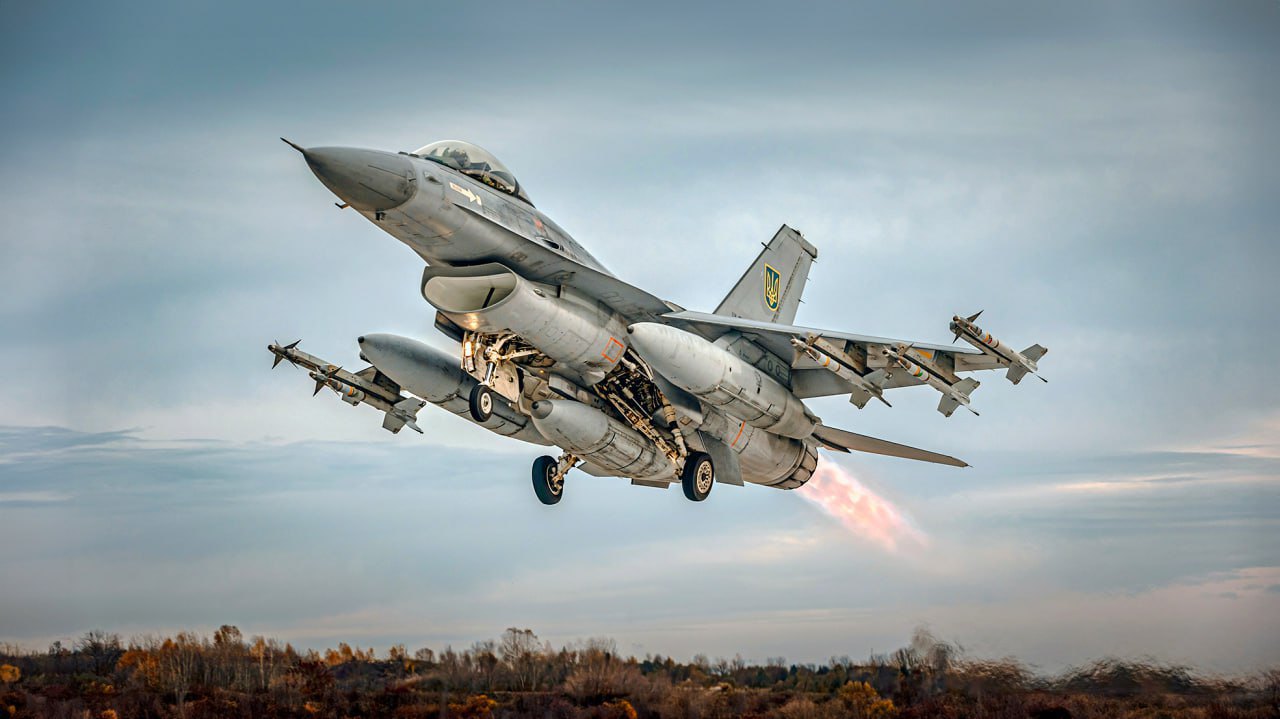
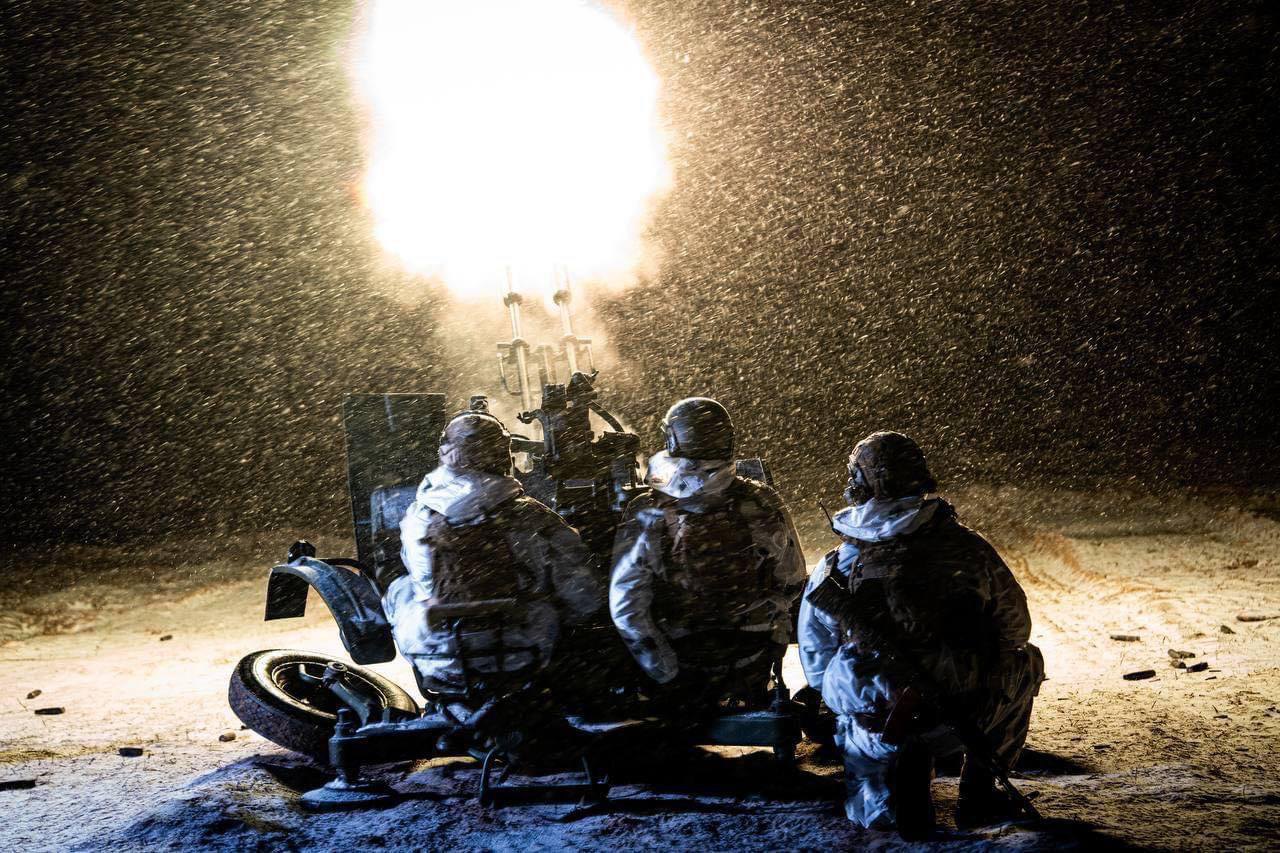
The following assumptions can be made regarding Ukraine’s air defence system: by the end of 2025, the system will have proven its ability to consistently repel up to 250 UAVs per day; with difficulty, but still in a manageable manner — 500–600 UAVs per day; and at the critical load limit, but with all system functions intact — 800–1,000 UAVs. One thousand air targets currently represents the upper limit of Ukraine’s air defence capacity.
Of course, the enemy also has calculators and is assessing Ukraine’s air defence capabilities. The risk — which does not mean collapse — in 2026 lies in a scenario involving 1,200–1,500 UAVs and 60–100 missiles launched simultaneously for several consecutive days. Under such conditions, the number of missed targets would increase, and air defence would be forced to prioritise objectives rather than provide comprehensive coverage under the current model.
The Ukrainian air defence system could become overloaded if the enemy launches more than 1,500 UAVs per night for two to four days. This scenario would only be possible if the enemy produces and accumulates air attack assets over several months. Such a strike would be extremely costly and no less difficult to repeat.
Read alsoThe stakes of this war: What our actions achieve and what theirs pursue
Therefore, in 2026, weekdays featuring attacks of 200–300 UAVs (with peaks of 600–900) will be considered “grey days”.
In 2026, Ukraine’s air defence will remain stable during massive strikes involving up to a thousand air targets per strike. The enemy will only be able to exceed this threshold in exceptional scenarios that are highly resource-intensive.
Ukraine’s air defence will remain critically dependent on the availability of ammunition, the number and combat capability of mobile fire groups, the availability and effectiveness of electronic warfare air defence systems, and continued support from international partners.