






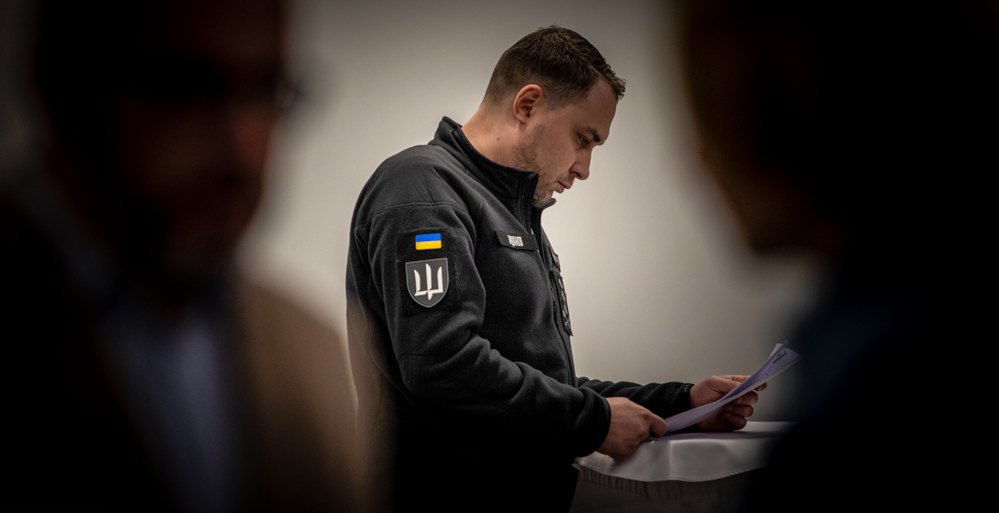
In the more than a month since Andriy Yermak was dismissed from his position as head of the President’s Office, various names of his potential successors have been mentioned publicly. Volodymyr Zelenskyy himself reported holding meetings with a number of officials whom he was considering for the post of head of his Office: Defence Minister Denys Shmyhal, Deputy Prime Minister Mykhaylo Fedorov, Kyrylo Budanov, Deputy Foreign Minister Serhiy Kyslytsya, and Deputy Head of the Presidential Office Pavlo Palisa.
Later, the list of candidates was expanded to include the head of the Presidential Administration’s staff, Mariya Vitushok, and the deputy head of the Presidential Administration, diplomat Ihor Brusylov.
The prolonged delay in making a decision was probably due not only to consultations with the candidates (for example, Denys Shmyhal was not enthusiastic about the prospect of moving from the Ministry of Defence to the Presidential Administration), but also to deliberations about priorities: who exactly was needed. A bureaucrat who would simply ensure the functioning of the Presidential Office, or a political figure with their own influence? A “deputy prime minister” (a role claimed by Mykhaylo Fedorov) or the head of a “military cabinet”?
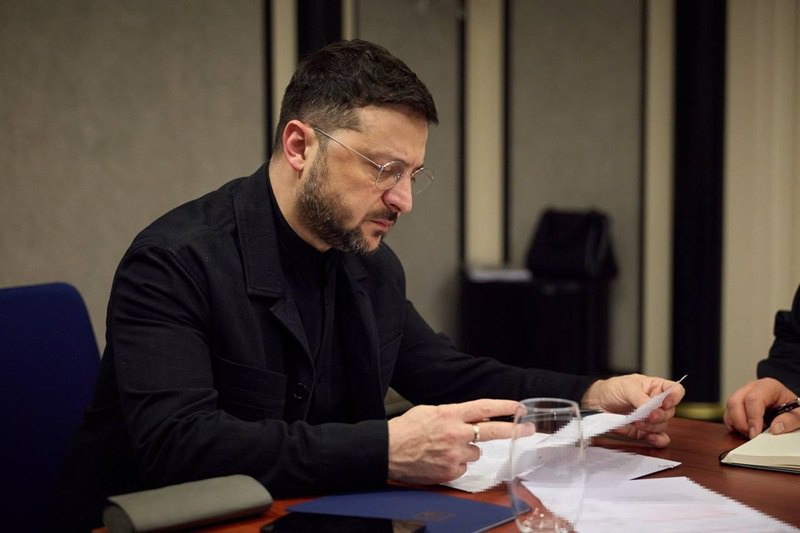
At the same time, President Zelenskyy has repeatedly emphasised that he does not want to take anyone away from, for example, the Cabinet of Ministers, because he is not confident that MPs would be able to quickly agree on and fill government vacancies (the posts of the ministers of energy and justice have been vacant since mid-November). What, then, would be the point of transferring someone else? “It is easier to do without a new head of the Office altogether than to destroy what is at least somehow working,” said a source in the Presidential Office.
Among the announced list of candidates, Kyrylo Budanov did not appear to be Volodymyr Zelenskyy’s most obvious choice.
Firstly, it did not seem that he was ready for such a personnel transition. After all, heading a powerful and relatively autonomous agency is not the same as managing the Office, where the ultimate authority lies elsewhere.
Secondly, unlike Andriy Yermak and his predecessor Andriy Bohdan, Kyrylo Budanov did not belong to the President’s inner circle. Relatively speaking, he is part of the ruling team, but not one of its core members.
Thirdly, only the lazy have failed to discuss the electoral prospects of the head of the DIU. And although it remains entirely unclear when elections will take place, and under what conditions, both Zelenskyy and Budanov could hardly ignore this factor.
However, when choosing between a functionary and an independent figure, Volodymyr Zelenskyy ultimately opted for the latter.
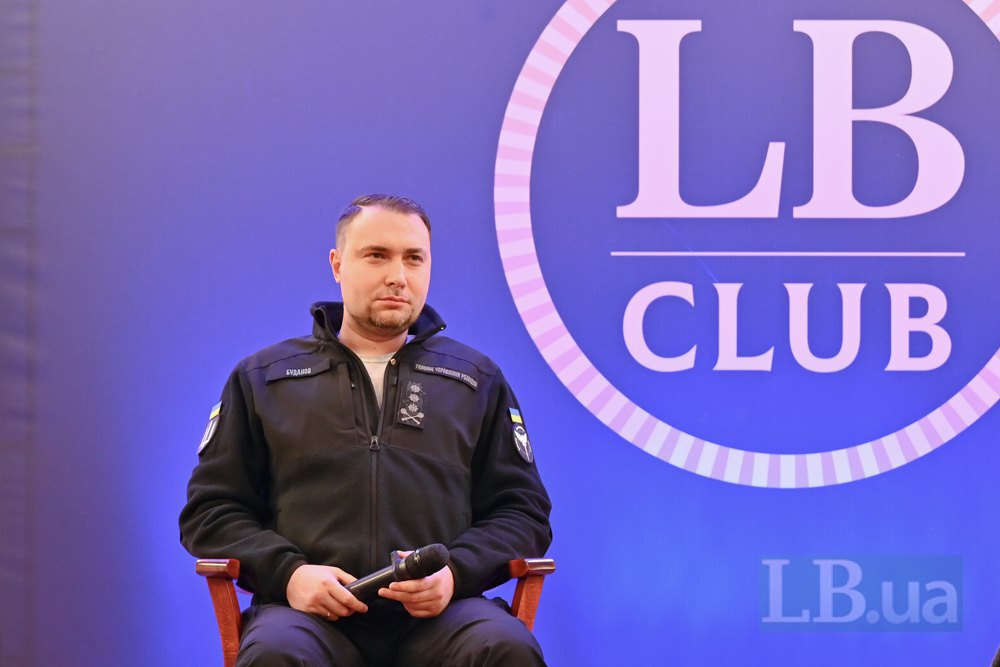
For the first time in a long while, he selected someone from outside his familiar circle from a previous life (Kvartal and related networks), rather than a merely convenient candidate. A person who not only has their own opinion and is ready to defend it, but — let us be frank — an opinion that is often uncomfortable and unpopular. For example, on mobilisation, a topic that the President has consistently sought to avoid. (It is worth reading excerpts from Kyrylo Budanov’s speech at the LB.ua Club meeting in mid-December.)
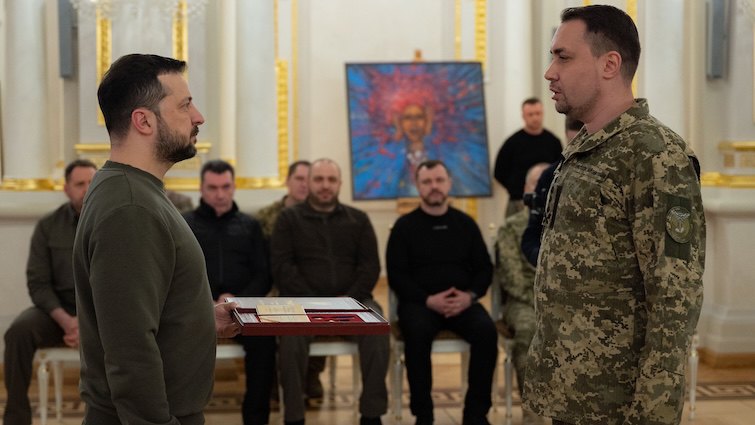
Volodymyr Zelenskyy’s choice may indicate that the situation on the negotiating track is extremely complex and that, at this stage, the President needs not just a functional manager or a reform-minded technocrat (as was the case with Mykhaylo Fedorov, who was part of the crisis team — not a leader, but a participant — during Yermak’s removal. Fedorov also ultimately received a bonus: the long-awaited post of Minister of Defence), but a figure who will primarily assume the role that American partners describe as a “national security adviser” — the coordinator of the entire security bloc. At the same time, such a person must be acceptable to Washington and European capitals, and must understand the logic of the enemy.
One important point should be noted: Budanov would hardly have agreed to the position without guarantees of significant room for manoeuvre. This includes influence over personnel decisions. What consequences this will have for domestic policy, whether a full-fledged military cabinet will be formed within the Office, and how this will affect — or not affect — the work of the National Security and Defence Council will become clear in the near future. The President has already announced that there will be personnel changes in the defence sector. And this is not only about Denys Shmyhal, who, for reasons that are not entirely clear, will have to relinquish his position to Mykhaylo Fedorov.
Many, of course, are keenly interested in how this appointment will affect — or fail to affect — Kyrylo Budanov’s own electoral prospects. At first glance, the impact appears negative, if not outright damaging. In reality, however, everything will depend on the terms under which the war ends (after which elections will be held) and the role he personally plays in that process.
“We cannot confirm this factually, but we clearly understand that the Americans are communicating with the Russians, among other things, about the idea that Zelenskyy will not be in the next election cycle,” says one of LB.ua’s high-ranking interlocutors, who is privy to the details of the negotiation process.
Nevertheless, to be on the safe side, it is worth repeating once again: elections are not currently on the agenda. War is. A war that must be ended without compromising national interests. It is therefore sincerely hoped that this is precisely what Bankova Street is focused on today.