






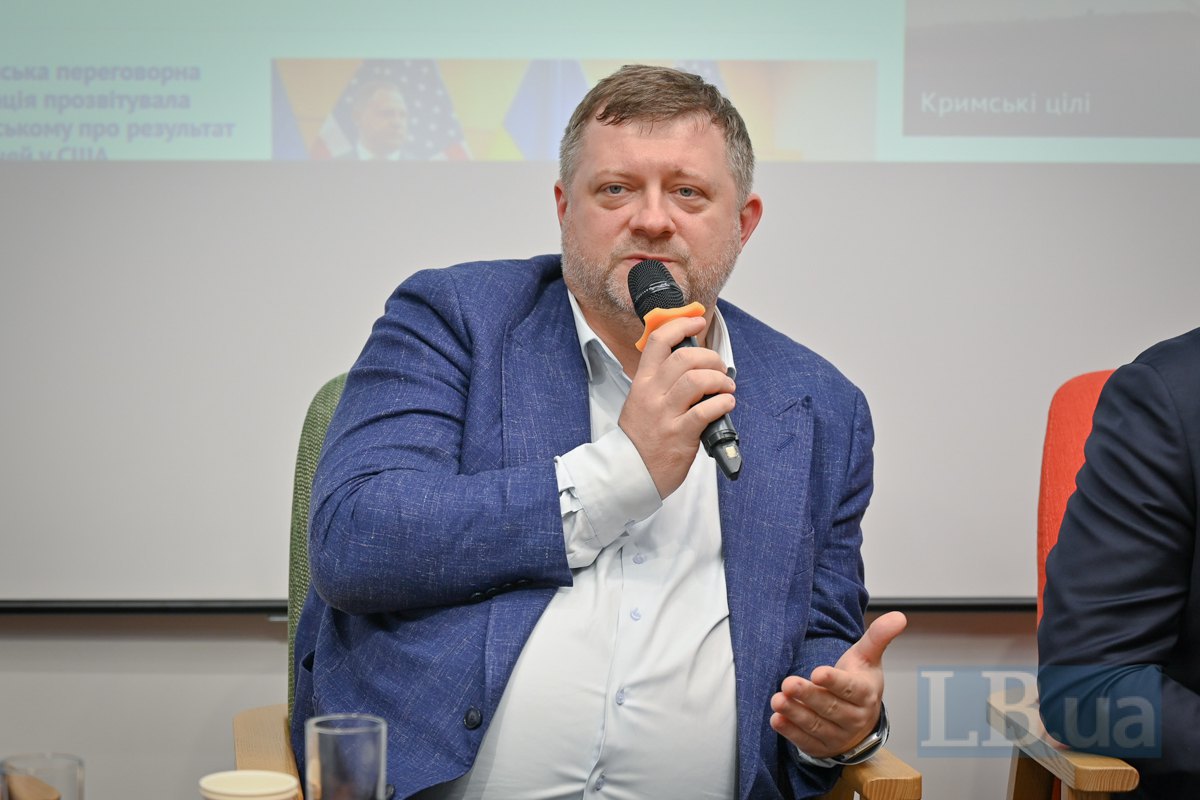
“If it is a major issue, such as the budget, it is possible to put aside one’s reservations and reach agreement. None of the parties or groups want to see angry people outside their offices in the last ten days of January. And all of Ukraine would come, because the cash gap could leave everyone without salaries — from the military to teachers, doctors, and so on. Therefore, there will be sufficient political will for the authorities to reach agreement with the opposition, find compromises and make concessions,” Korniyenko said, commenting on the chances of the budget being adopted. “But when it comes to ongoing tasks, such as the Ukraine Facility, which also yield financial results, albeit not as systematically, there will, of course, be political struggle, blockages, amendments and a sluggish process. A scenario of sluggish political battle in the Rada.”
To unblock the podium besieged by European Solidarity for the sake of adopting the budget, consultations were held in various formats, including with government representatives, according to Oleksandr Korniyenko. However, there is no specific scenario for overcoming the internal political crisis — neither a government of national unity nor any model for restarting the support coalition exists.
And deputies are awaiting the appointment of at least two ministers, the approval of European integration laws, the revision of the budget itself, and so on, the First Deputy Speaker recalled.
“I am confident that this budget will be revised for the first time very soon. Usually, over the past three years, we have been revising the military component in the middle of the year, around July. But there may be factors compelling us to review the budget earlier. The situation with our partners is very difficult. They did not please us with the latest EU decision (the European Central Bank refused to provide reserve financing for the payment of €140 billion to Ukraine — Ed.). And we are engaging with them again to fully understand their position. It seems obvious that they should finance us because we are their frontier here, both as a country and an economy. But these discussions, with all their democratic intricacies, lead to delays in financing and cash gaps, which is especially difficult for a country at war,” the parliamentarian noted.
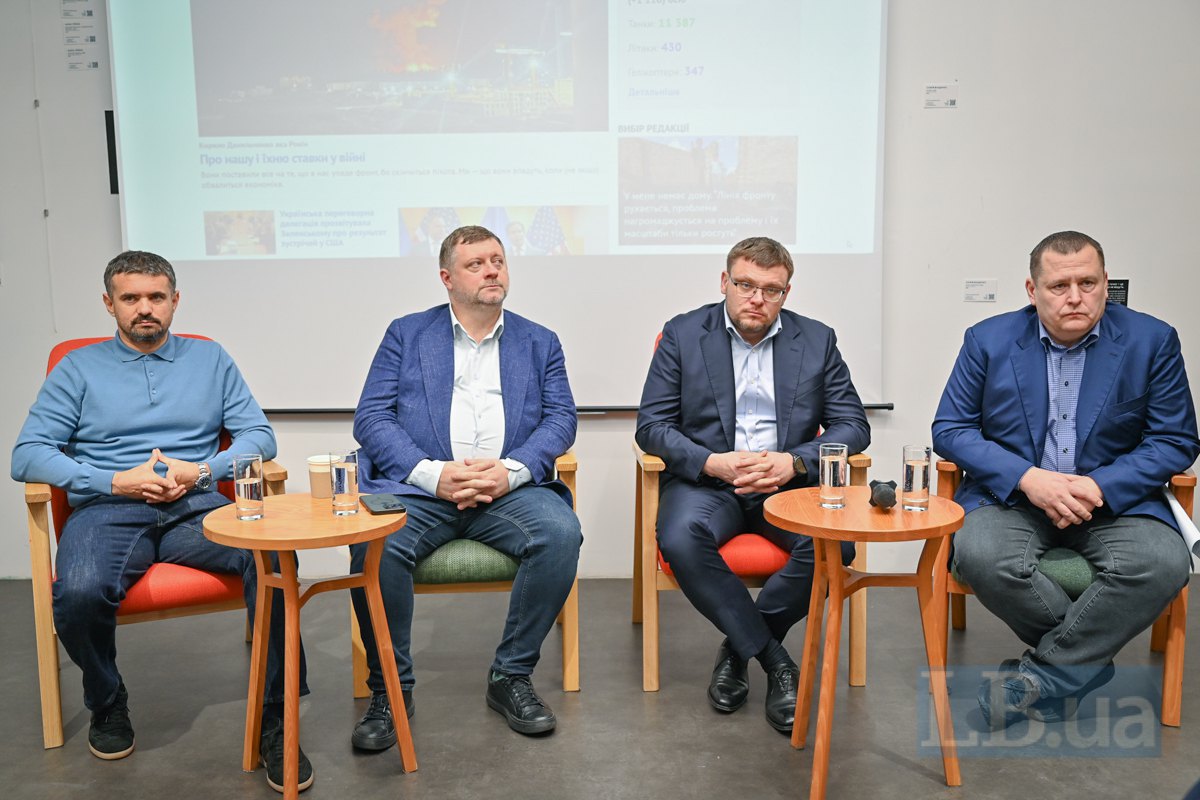
Can elections be imposed on Ukraine?
According to Oleksandr Korniyenko, Ukraine’s obligation to hold elections under any version of peace agreements is unacceptable. And this, he emphasises, is a unanimous opinion within the political community and among the wider public.
“This only triggers widespread outrage. The authorities, the opposition and civil society organisations all stress that such agreements envisage elections in cases of civil war, not when one country has been invaded by another. Olha Ayvazovska wrote about this, and I fully support her position. Everyone is in agreement: we will decide for ourselves when and how to hold elections, especially since there is huge demand for this in society, and no one will manipulate or delay it,” said the First Deputy Speaker.
He hopes Ukrainian negotiators have already removed this point from discussions as one that lies exclusively within the sphere of domestic politics.
“Such issues must be rejected, as must questions concerning NATO membership. These are our internal matters. We, as a country, have decided on NATO membership — this provision is enshrined in the Constitution. And NATO may think whatever it wants,” Korniyenko reminded.
Amending the Constitution in the 9th convocation, he added, is practically impossible in procedural terms within the framework of “peace agreements”.
“It takes two sessions [and a constitutional majority of 300 votes]. And any truce means the end of martial law and immediate elections. We simply do not have enough time,” the First Deputy Speaker stated.
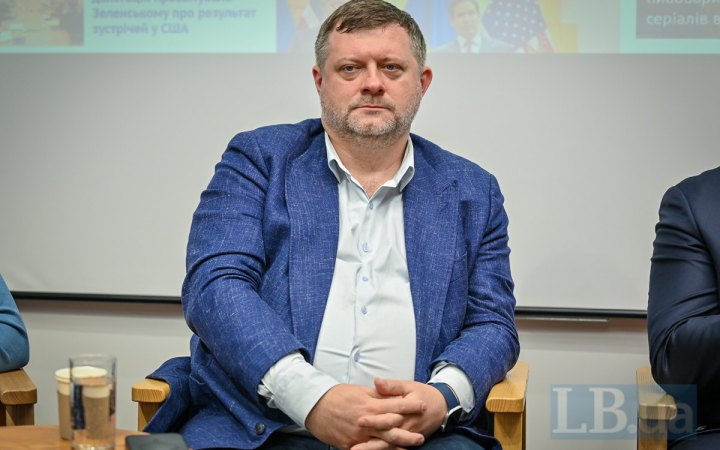
The future of parliament and Servant of the People party
Does Servant of the People have any political future after the next elections?
“To say that the fate of this party is cloudless would be untrue,” says Oleksandr Korniyenko, who headed Servant of the People before being elected Deputy Speaker of the Verkhovna Rada. “But to say that they have no chance at all would also be an exaggeration.”
Moreover, he notes, Ukraine has seen many examples of parties that have disappeared, while their key figures have transformed themselves and remained in high-level politics.
“We will determine what each member of this team wants and where they want to go. I speak with my colleagues, and so far I do not see many who wish to remain in politics. After seven years in office, many have exhausted themselves, which is understandable.
We have around 5,000 local councillors and 200 mayors. Of course, they are always affiliated with a party and can easily switch. But there are certain things we would like to preserve. For example, a strong international profile: Zhenya Kravchuk is vice-president of the European ALDE party (Alliance of Liberals and Democrats for Europe — Ed.), which is a small yet notable success in European politics. It is a liberal party with a 70-member faction in the European Parliament. And this also represents a certain avenue of influence,” Korniyenko said.
In his view, it is difficult to predict the outcome of post-war elections because the situation is constantly evolving: there are already assumptions that the next parliament will consist mainly of military personnel, or that it will be excessively diverse. Moreover, international partners will also influence the organisation of elections, especially in countries where the largest concentration of Ukrainians resides.
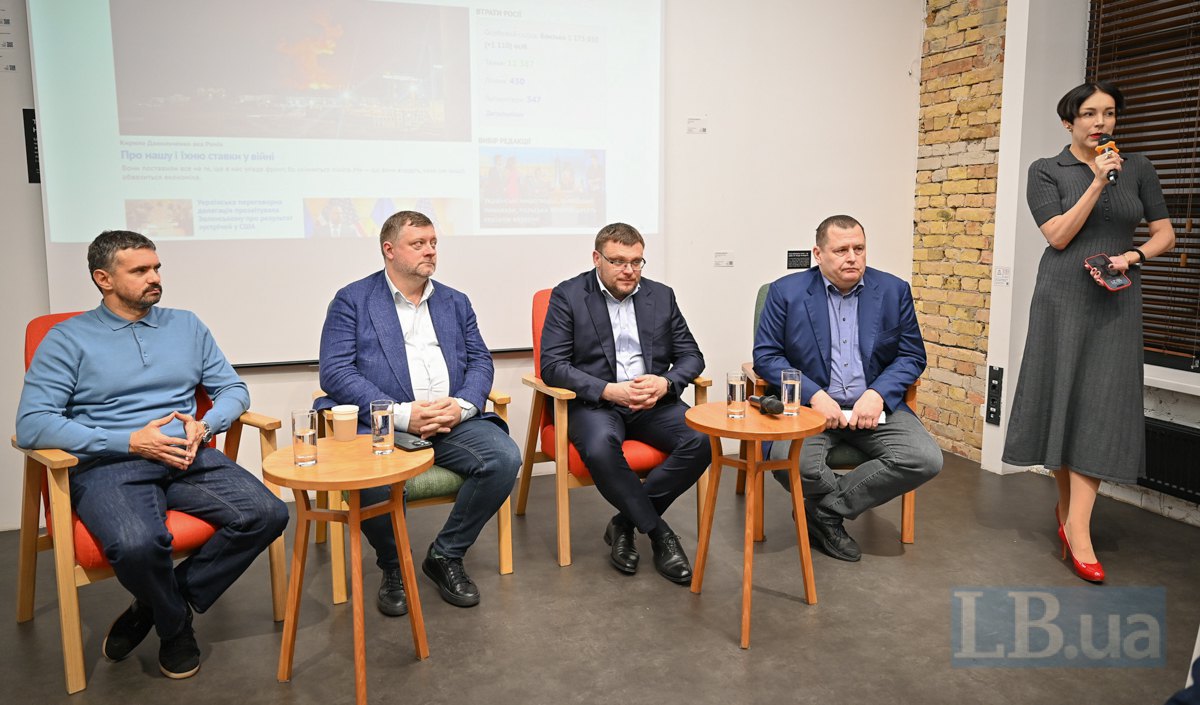
“An interesting point is that not many MPs from this parliament will make it to the next one. And the rules have always been determined by those who wanted a reboot. Now there is an opportunity, together with our partners — primarily the governments of other countries, since we have 7 million voters abroad — to ensure that these rules are as relevant to the situation as possible. We will need to explain to our partners why they should pay for this and help organise the elections. Because we cannot do it ourselves. In Germany alone, there is a million voters. It is unrealistic to manage this without the German government,” Korniyenko believes.
Does Volodymyr Zelenskyy have a chance of re-election after Mindichgate?
“I am a politician, not a strategist. I will resign my mandate, become a strategist or manager again, and then I will answer such questions,” Oleksandr Korniyenko said, tactfully avoiding a direct response.