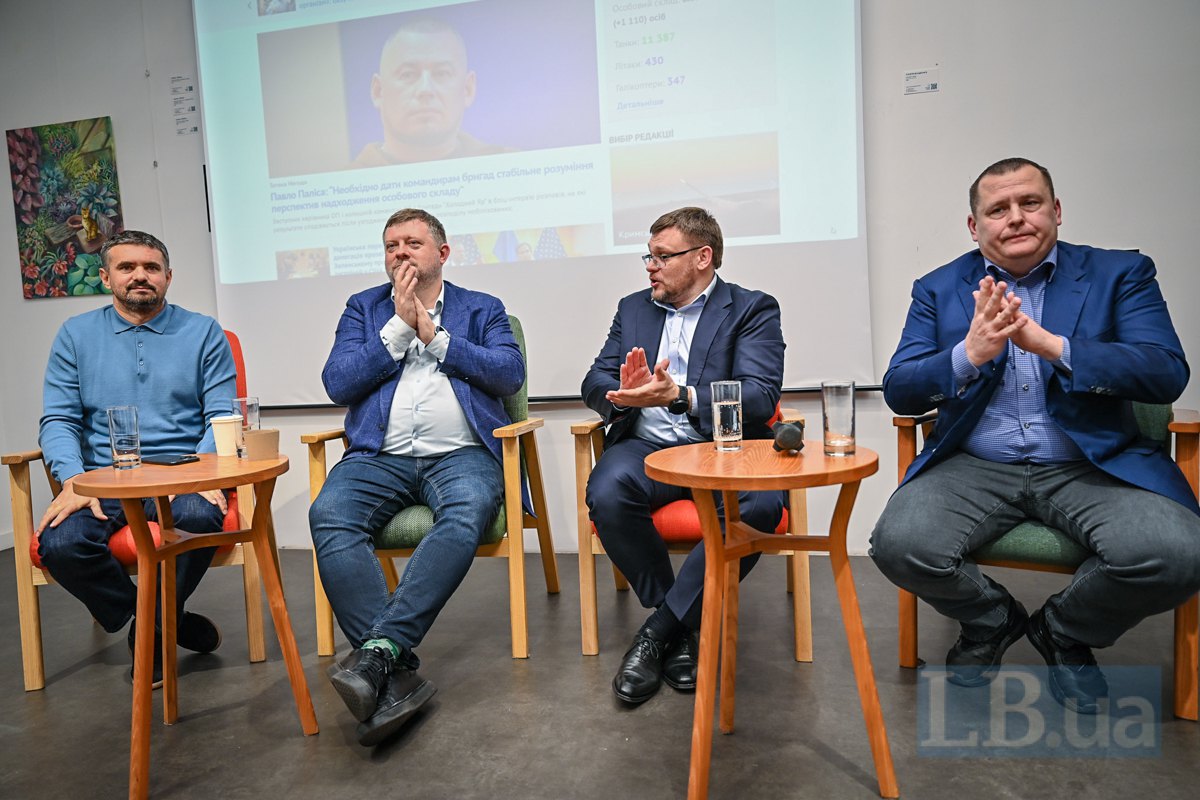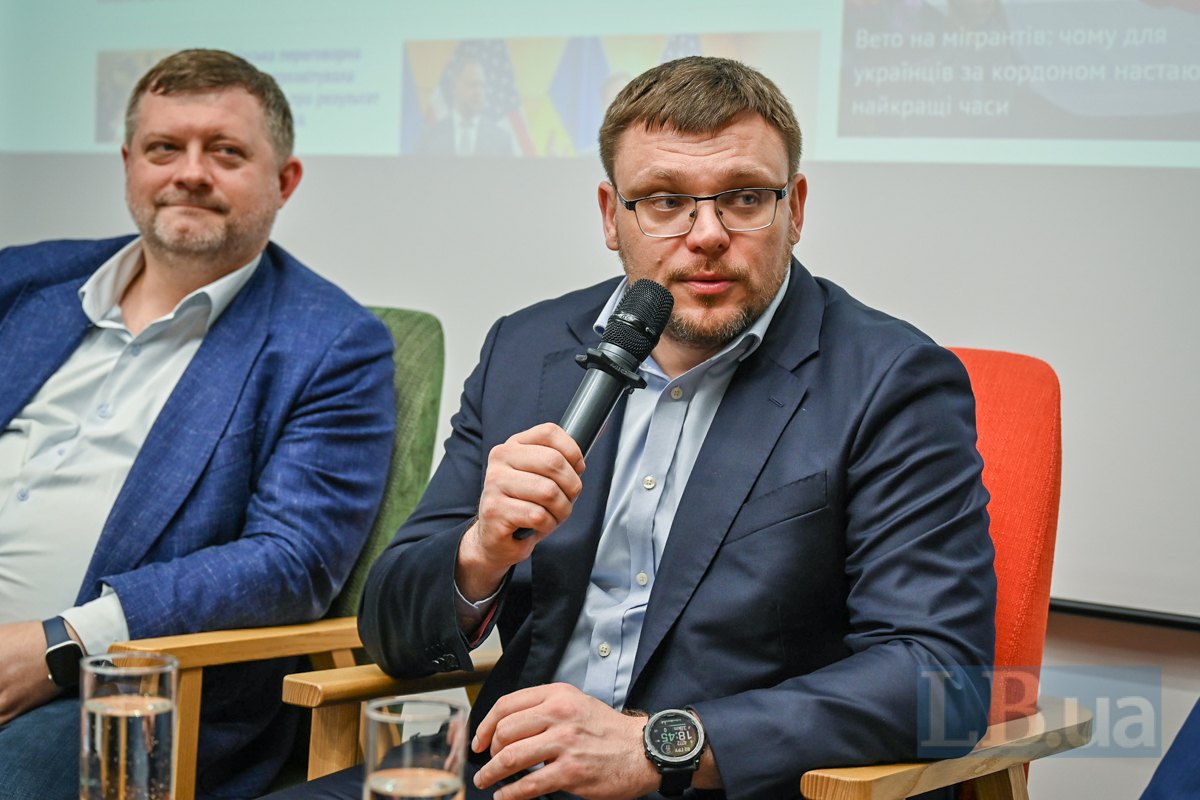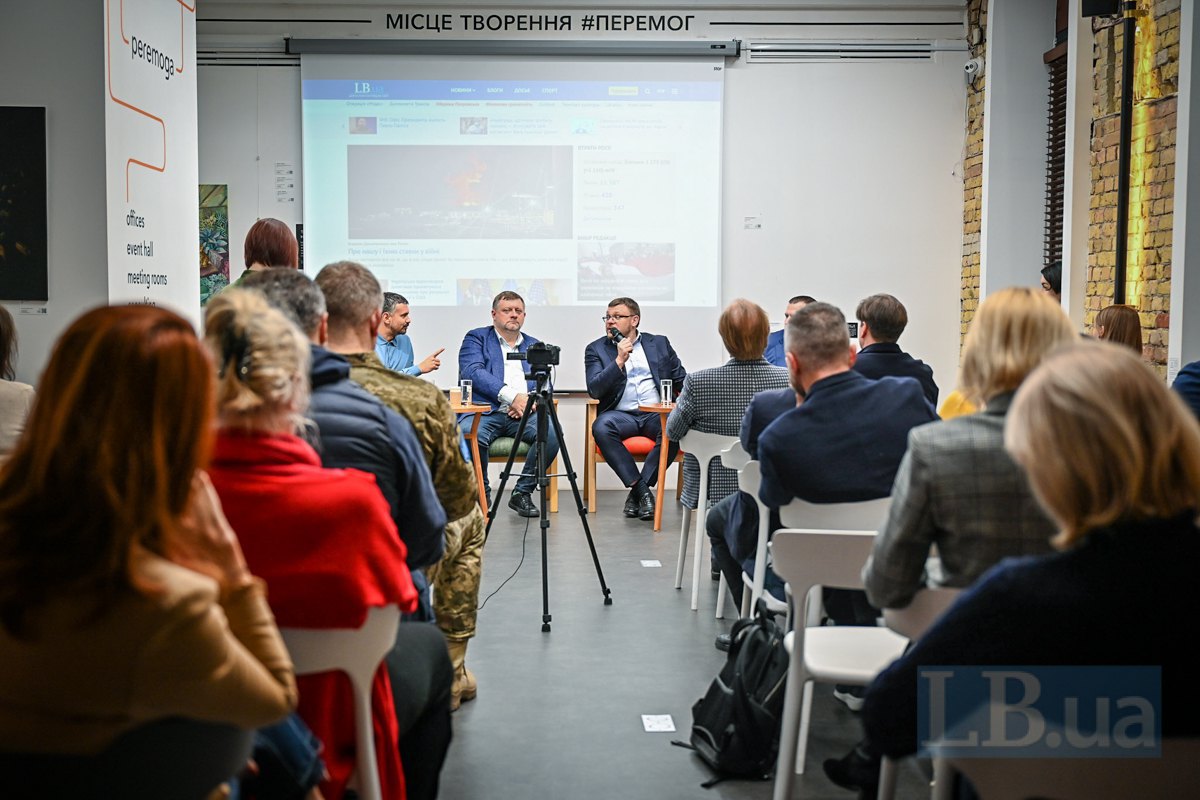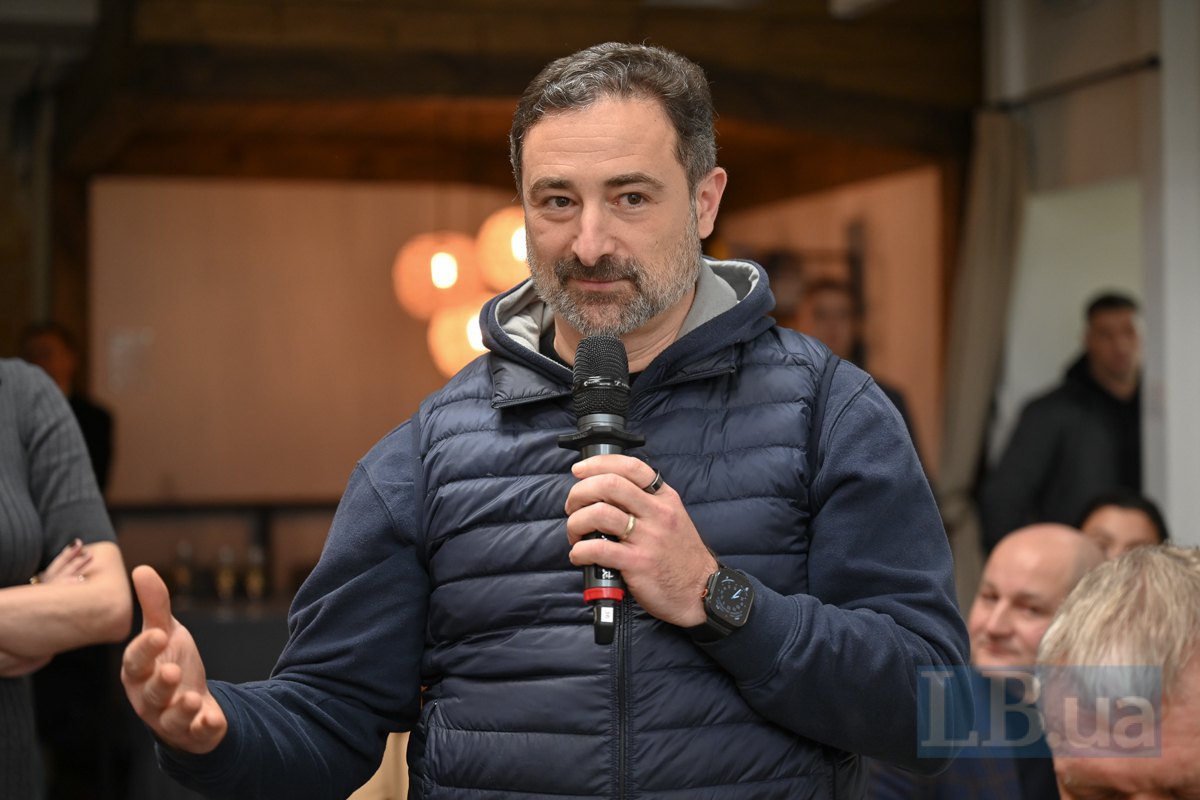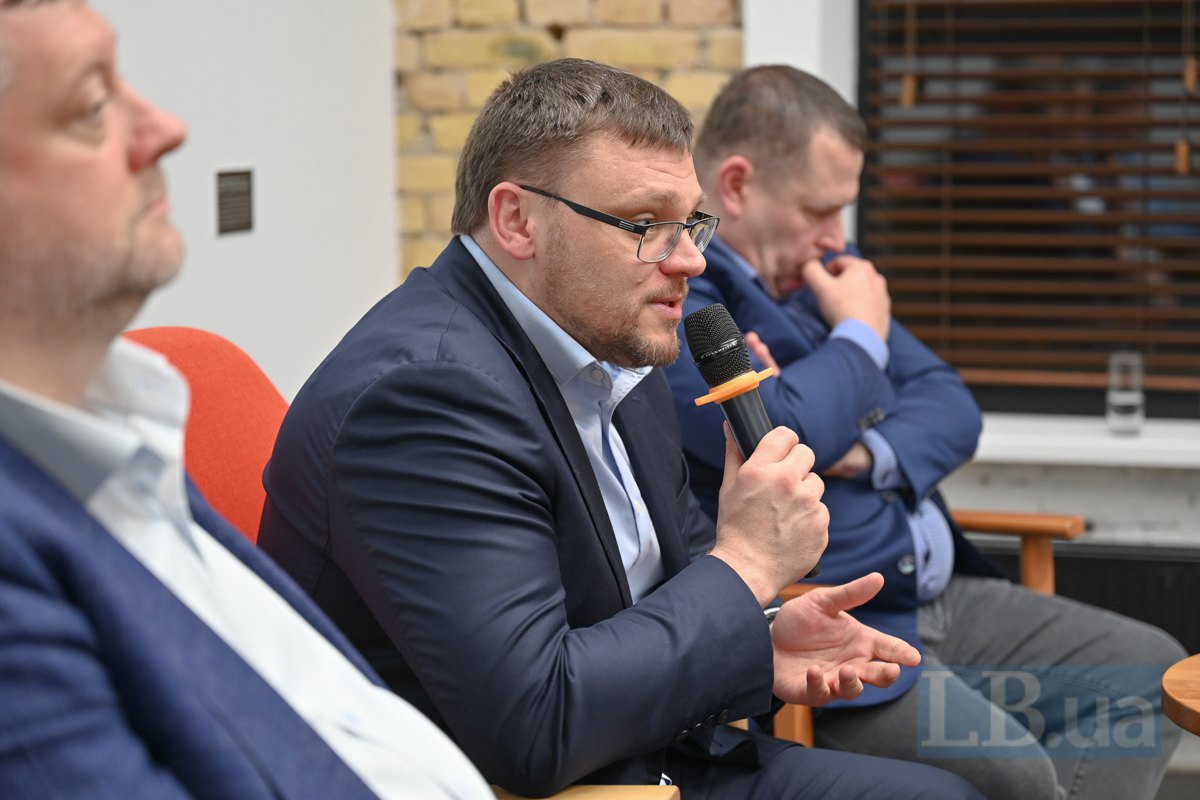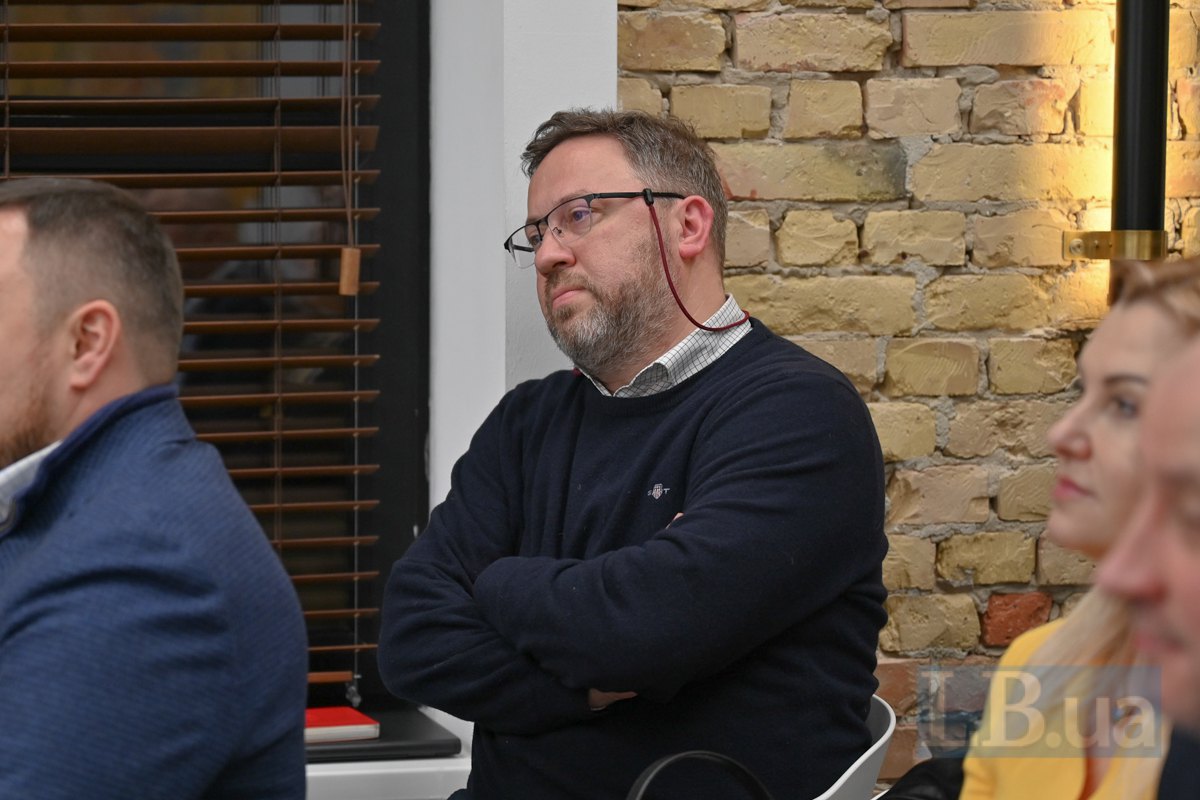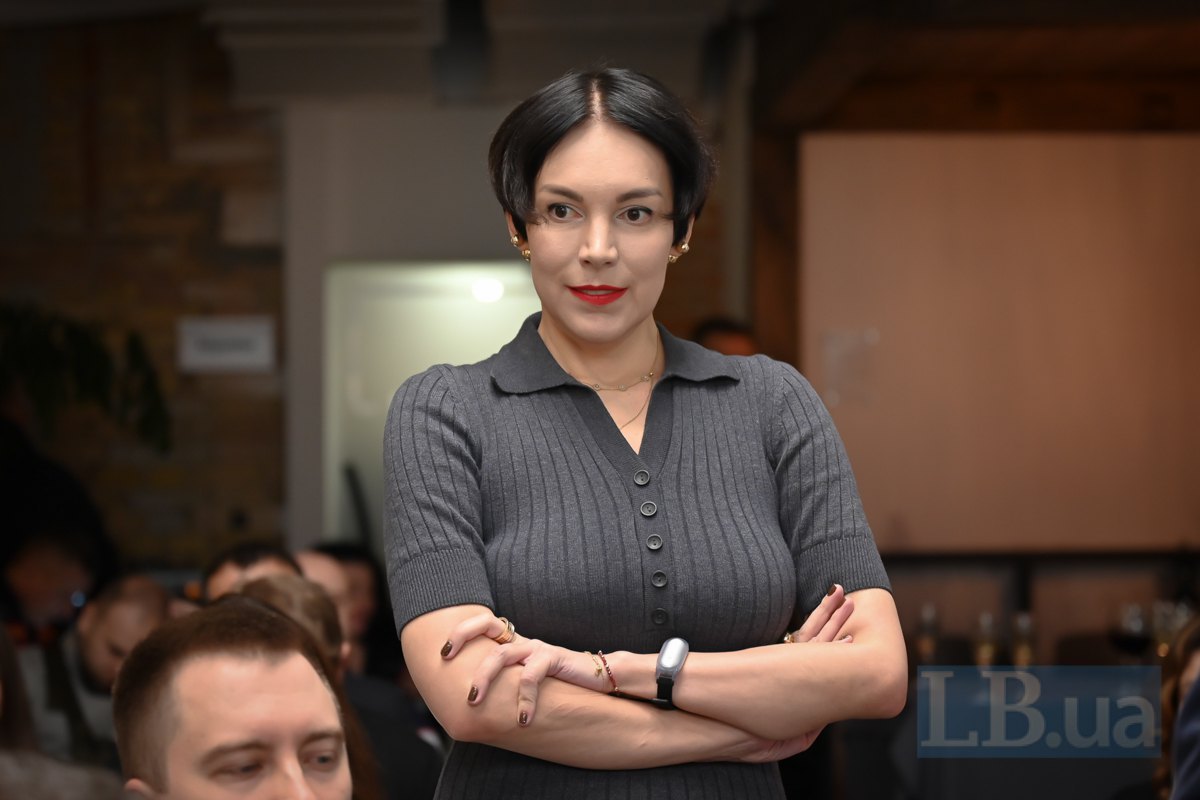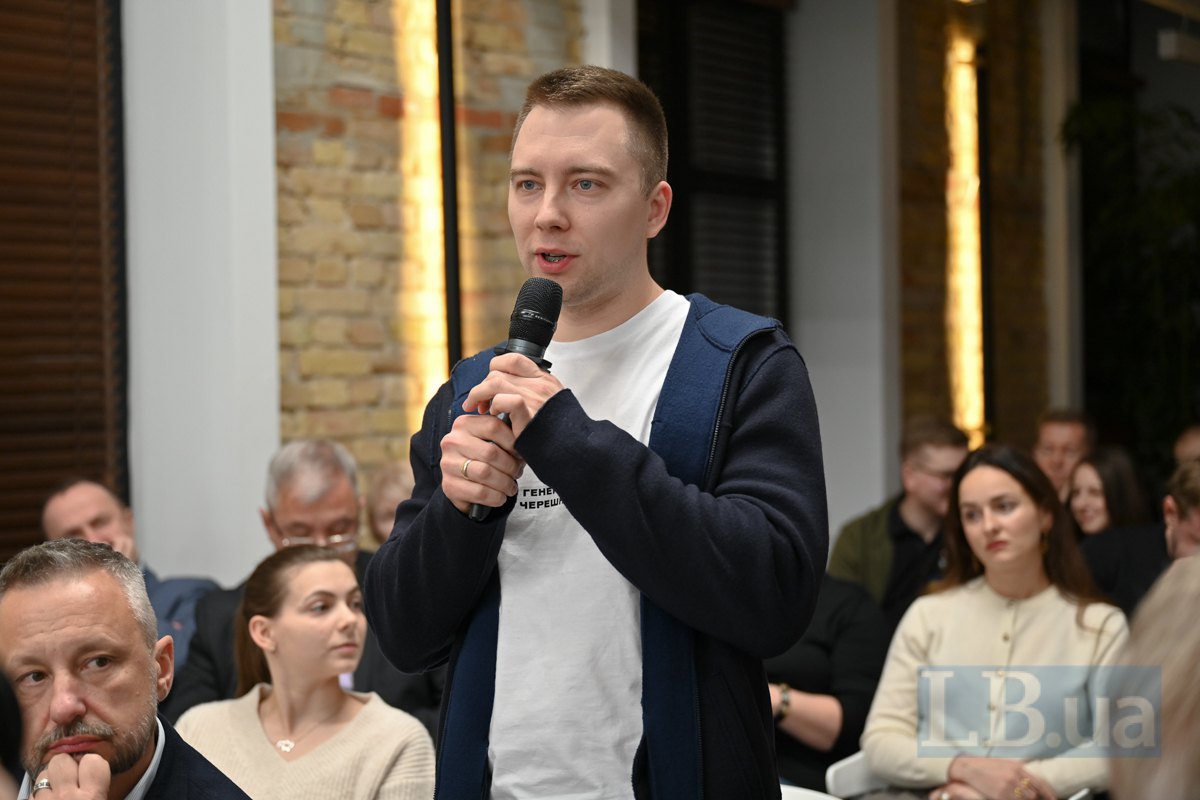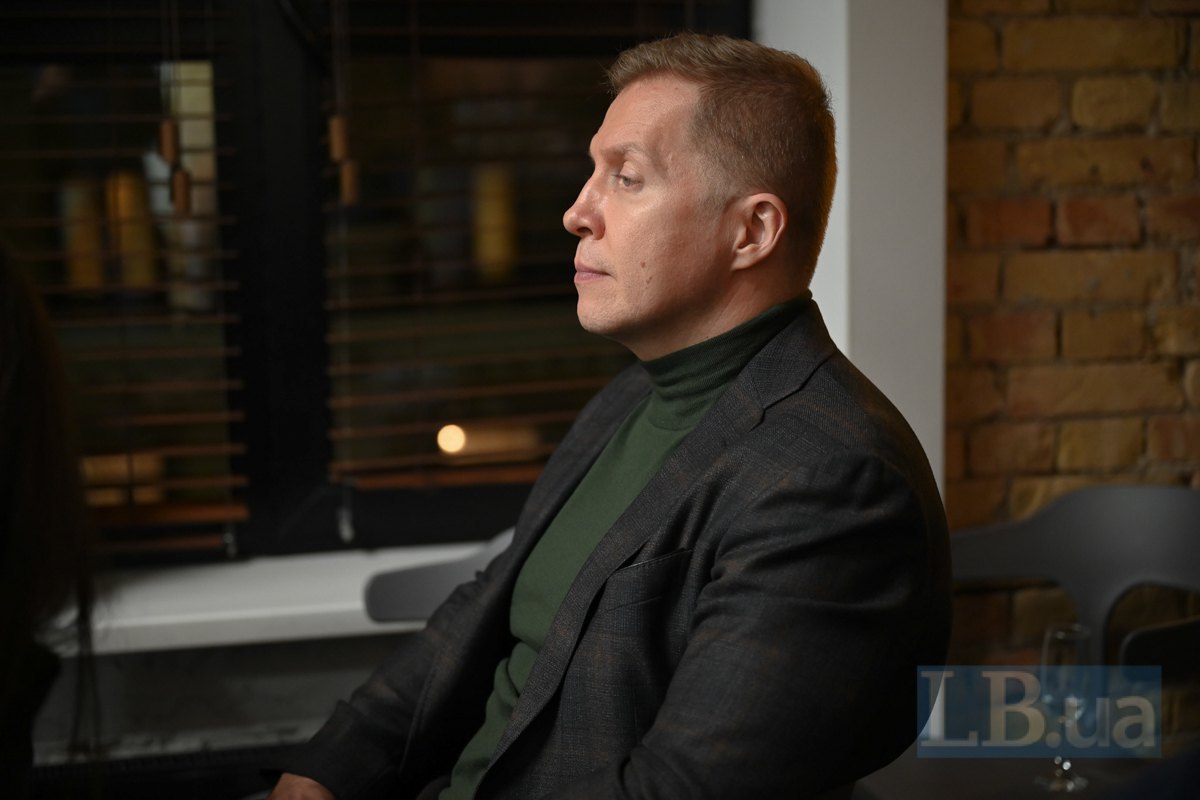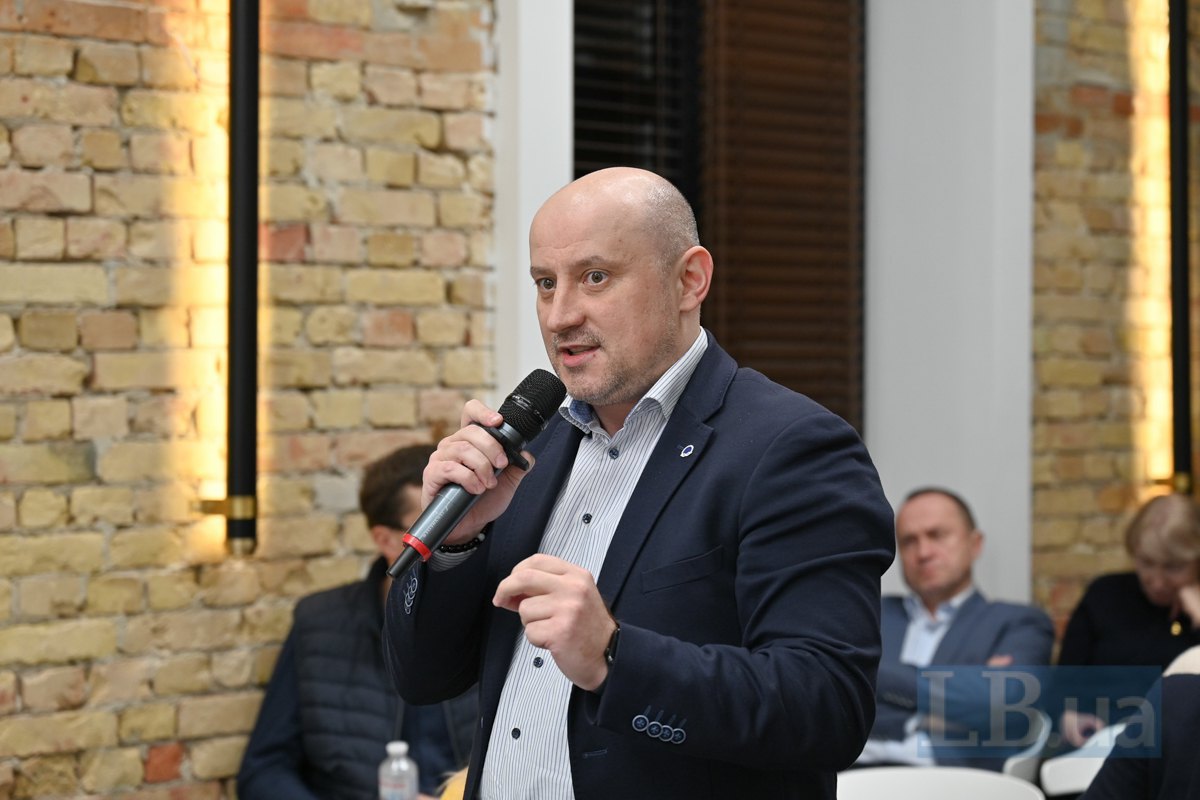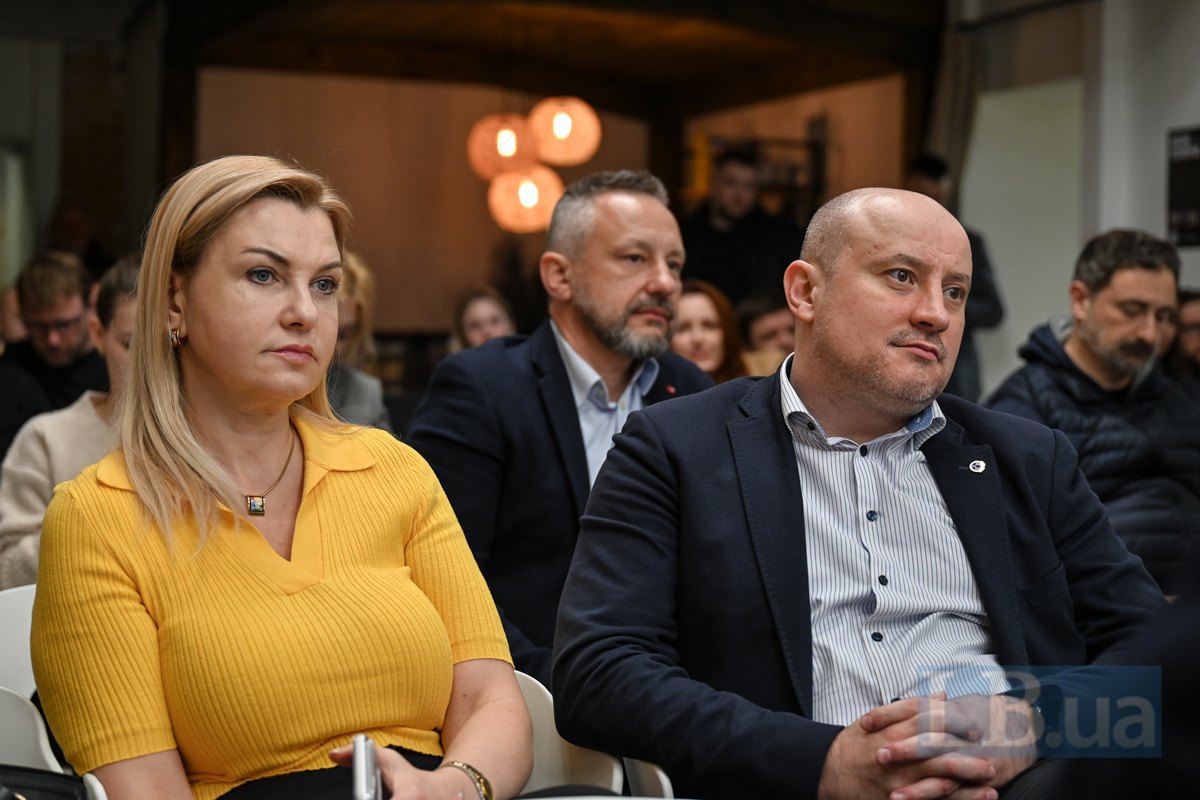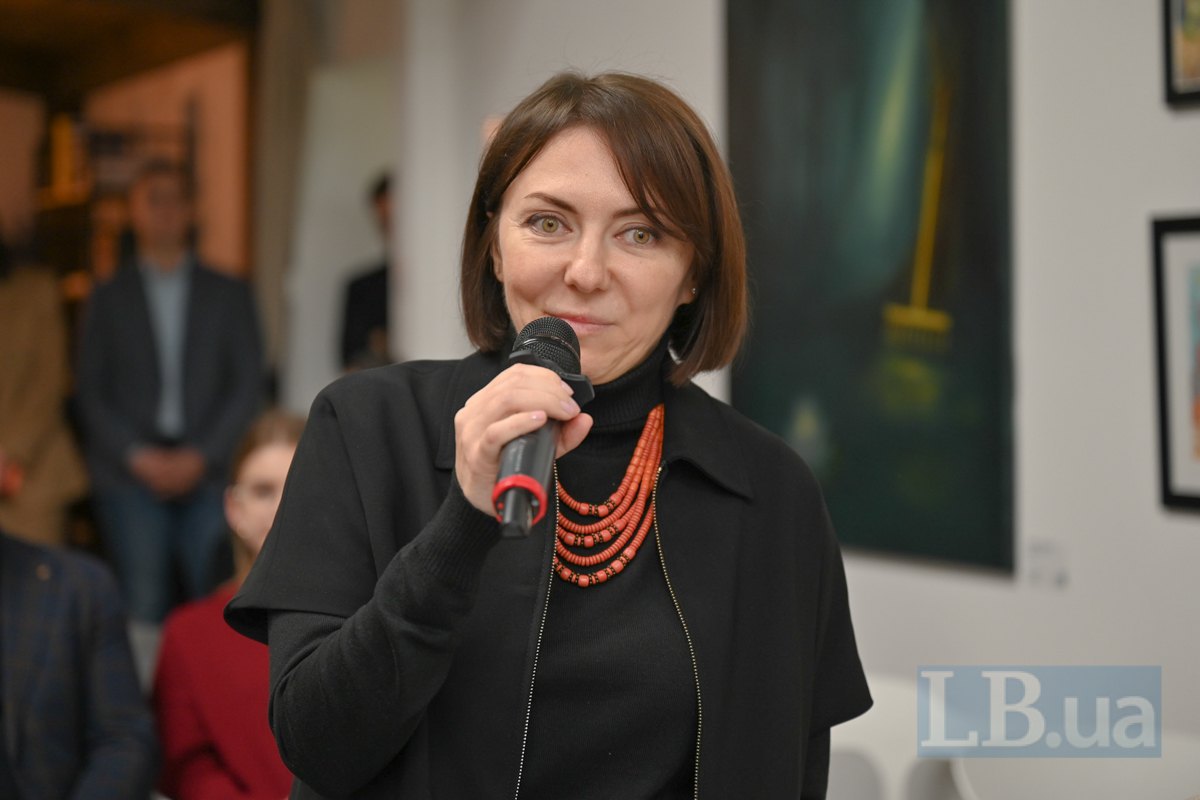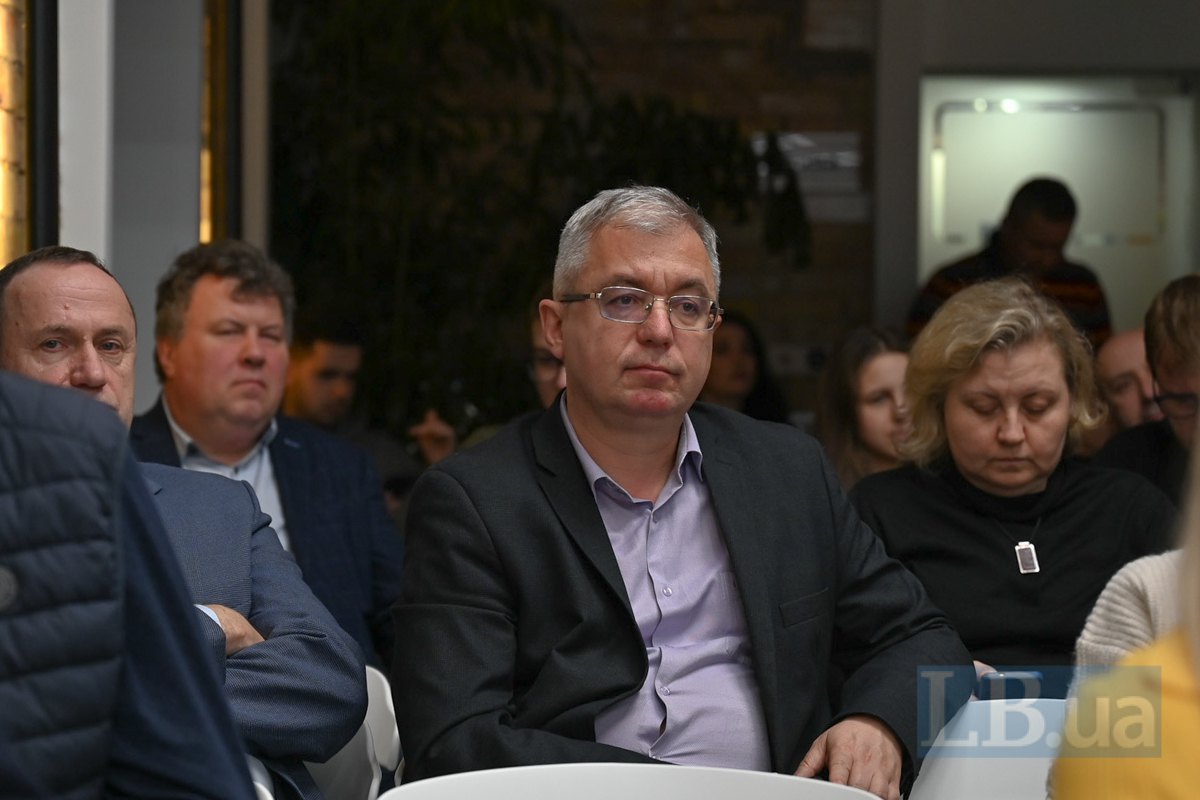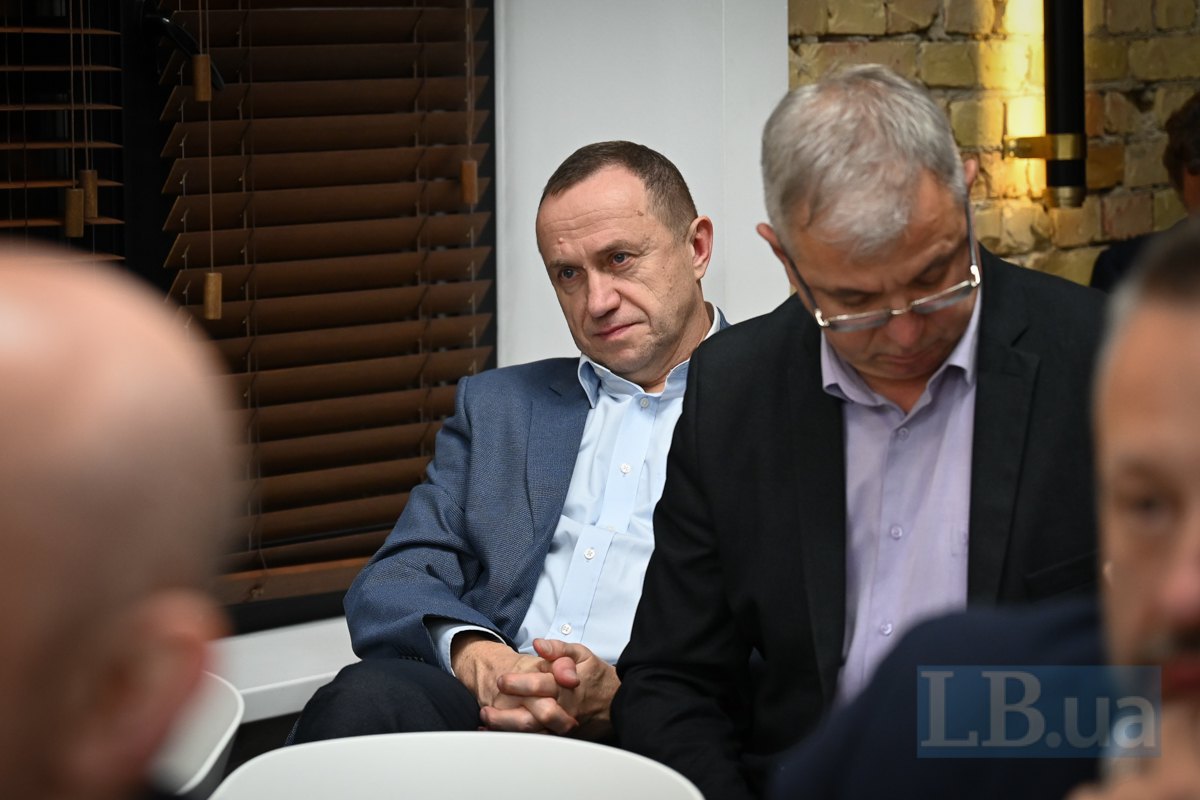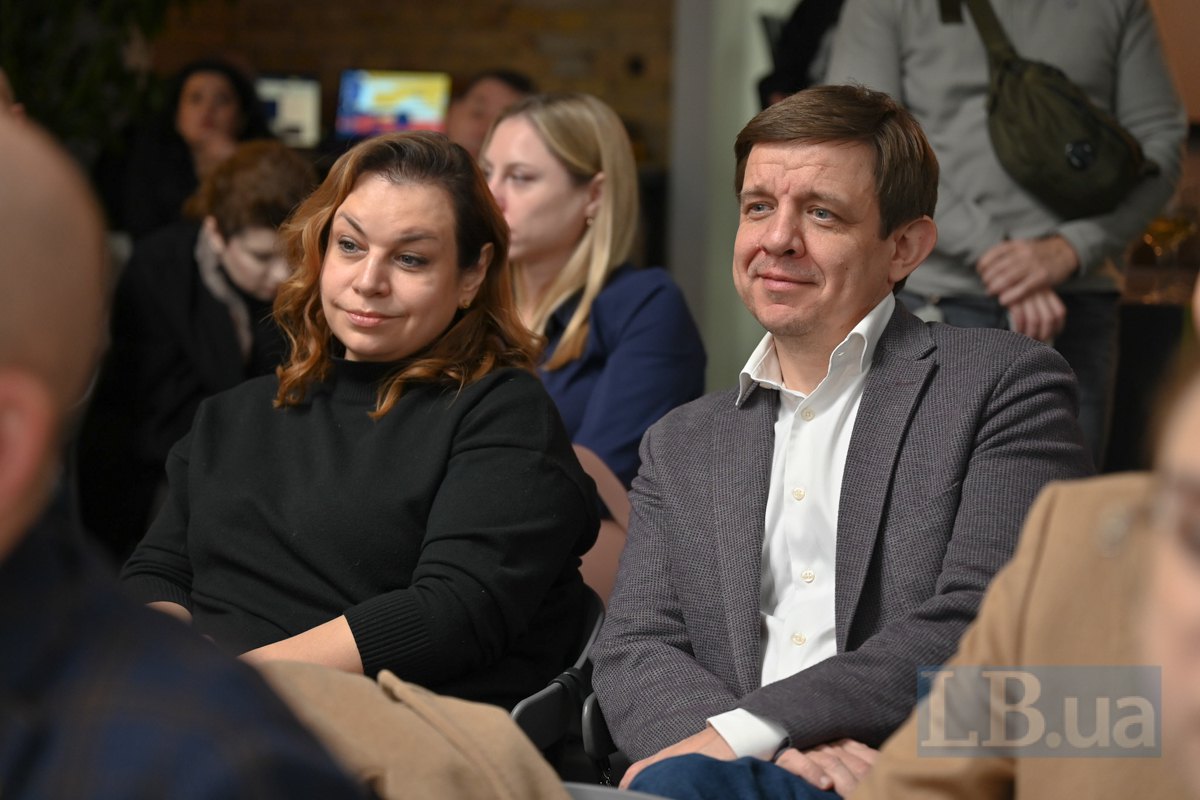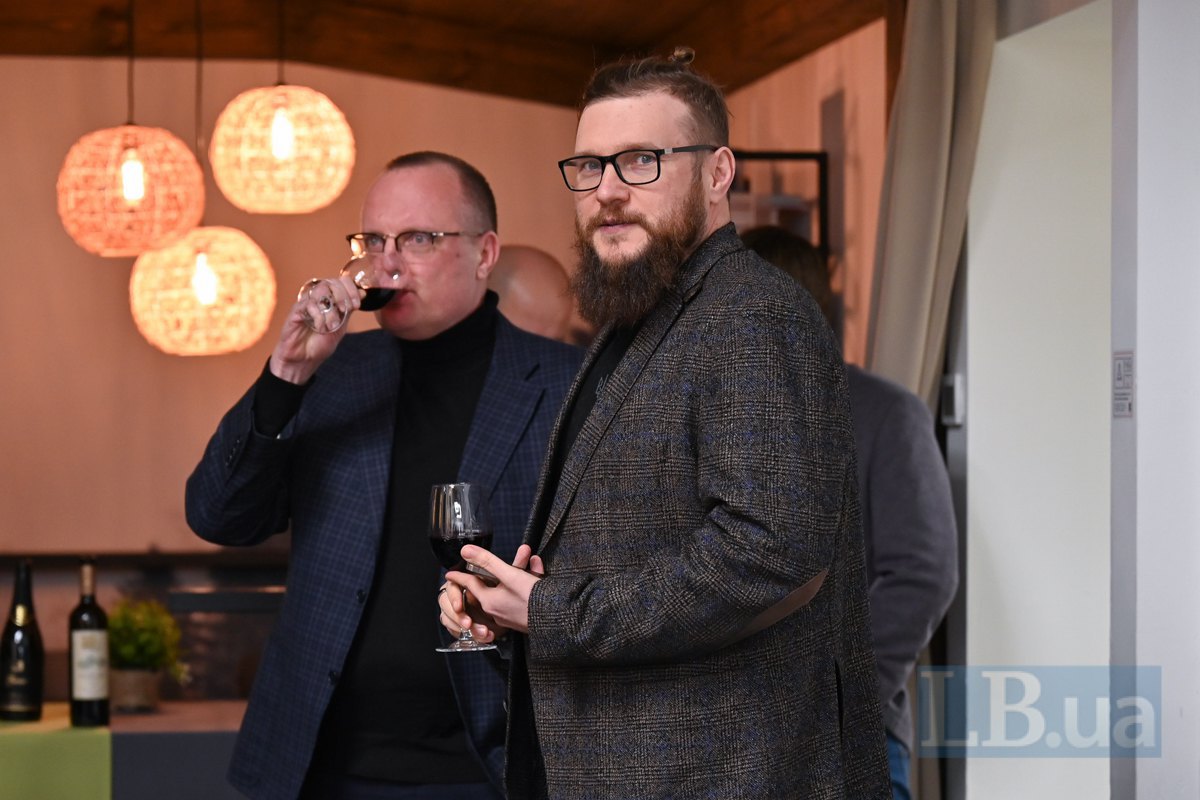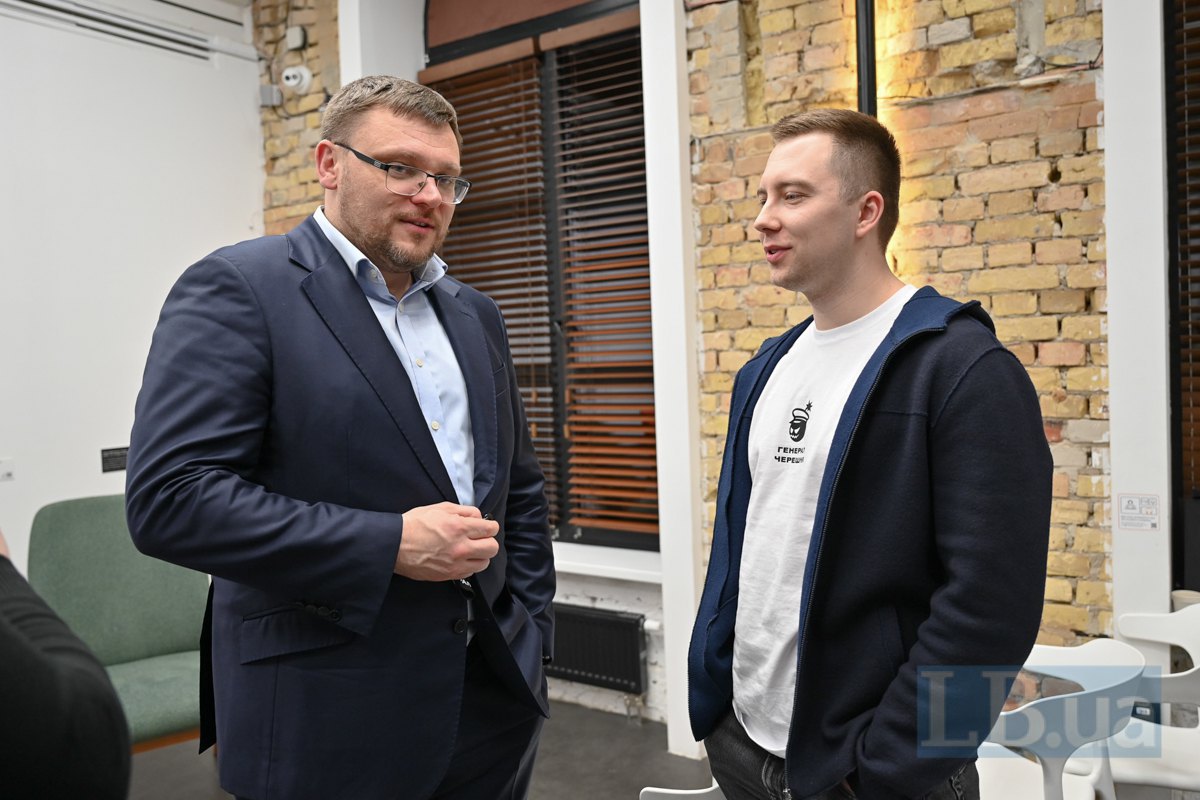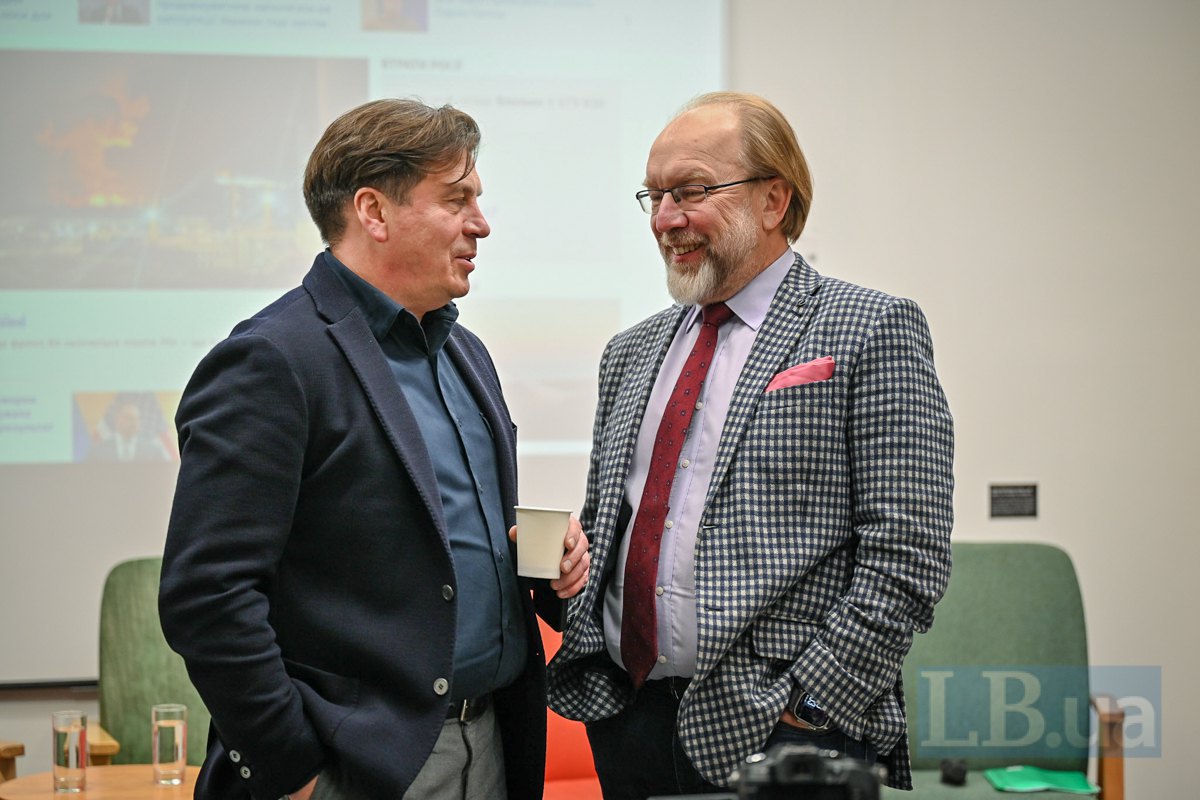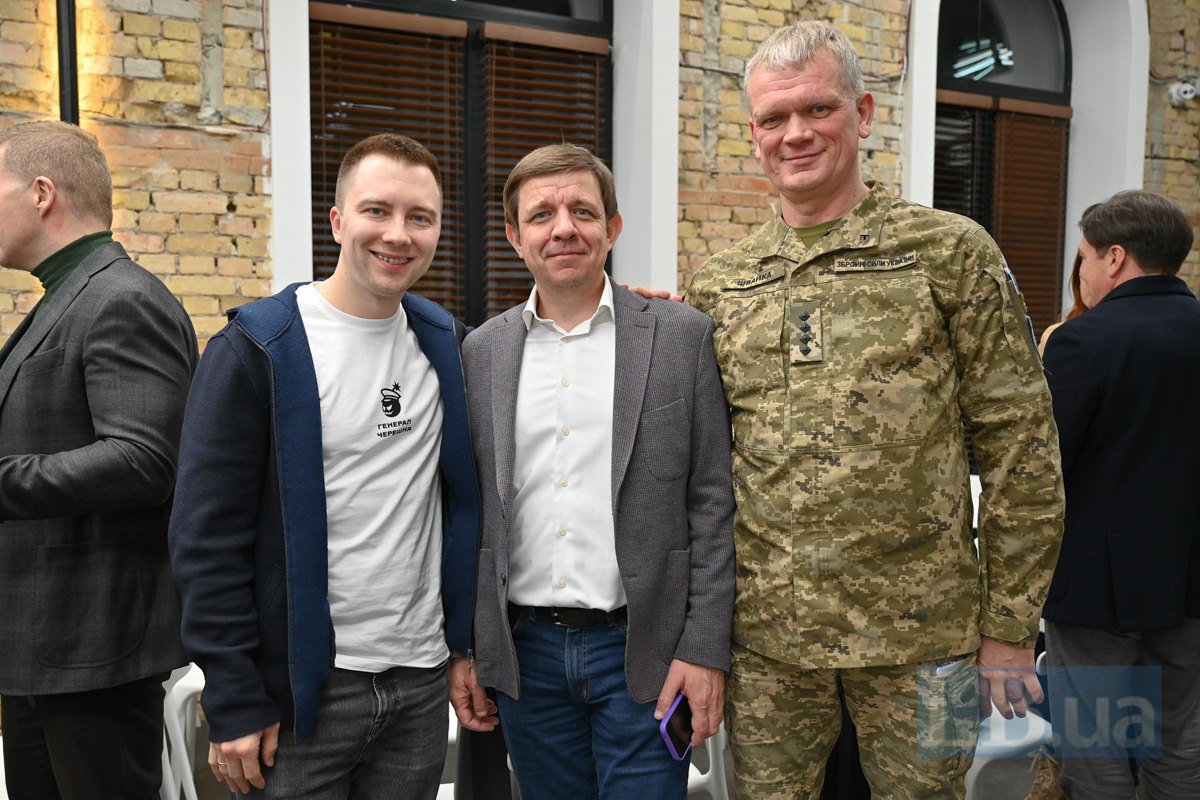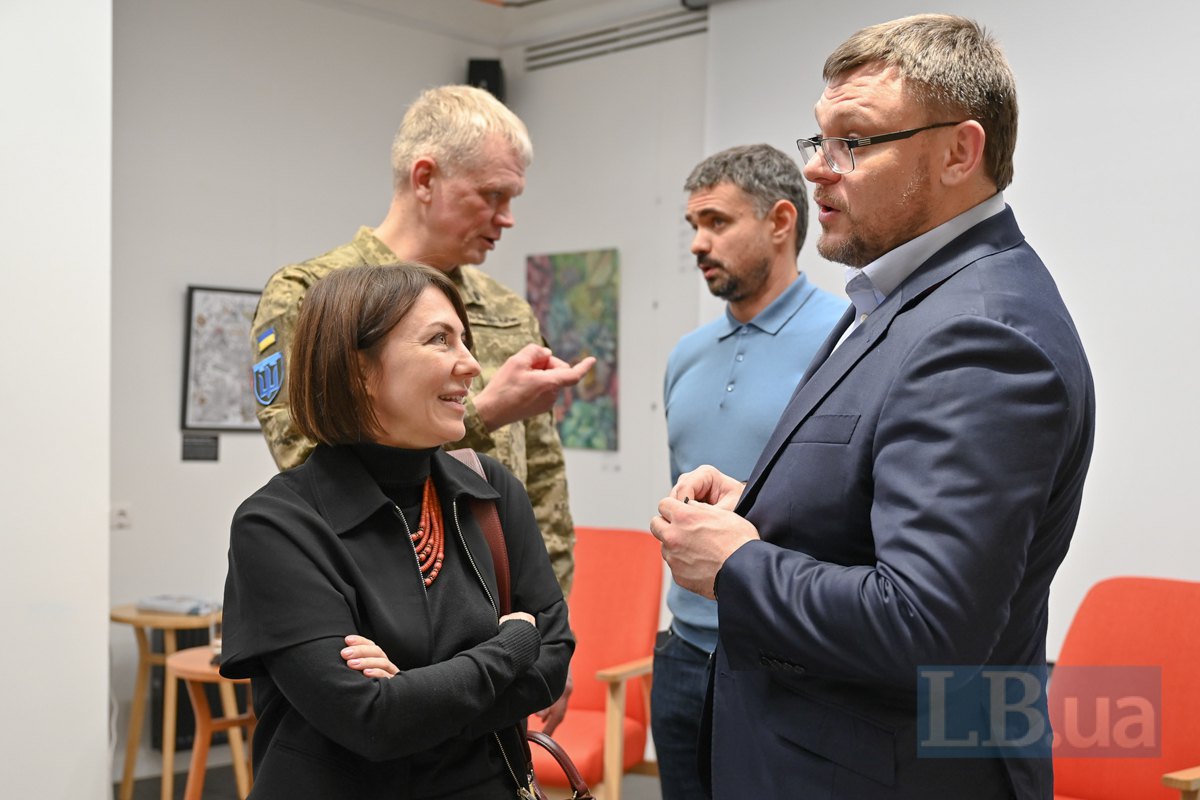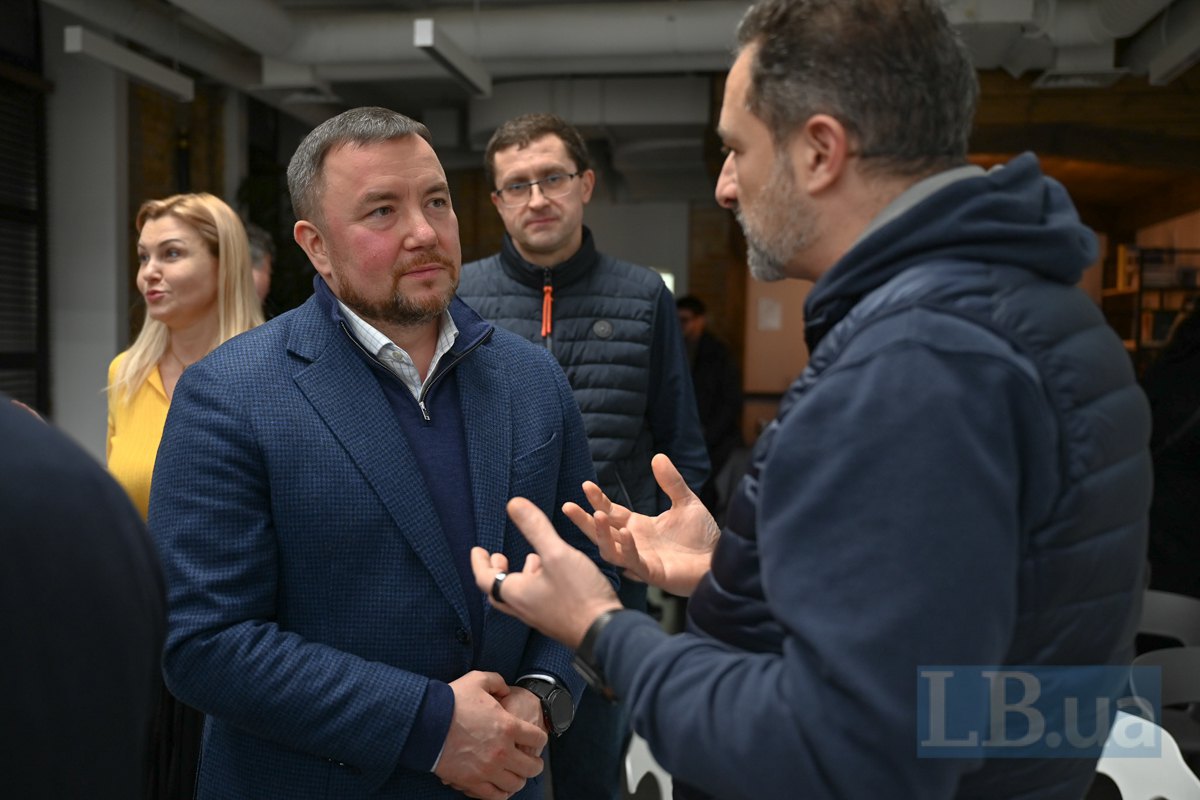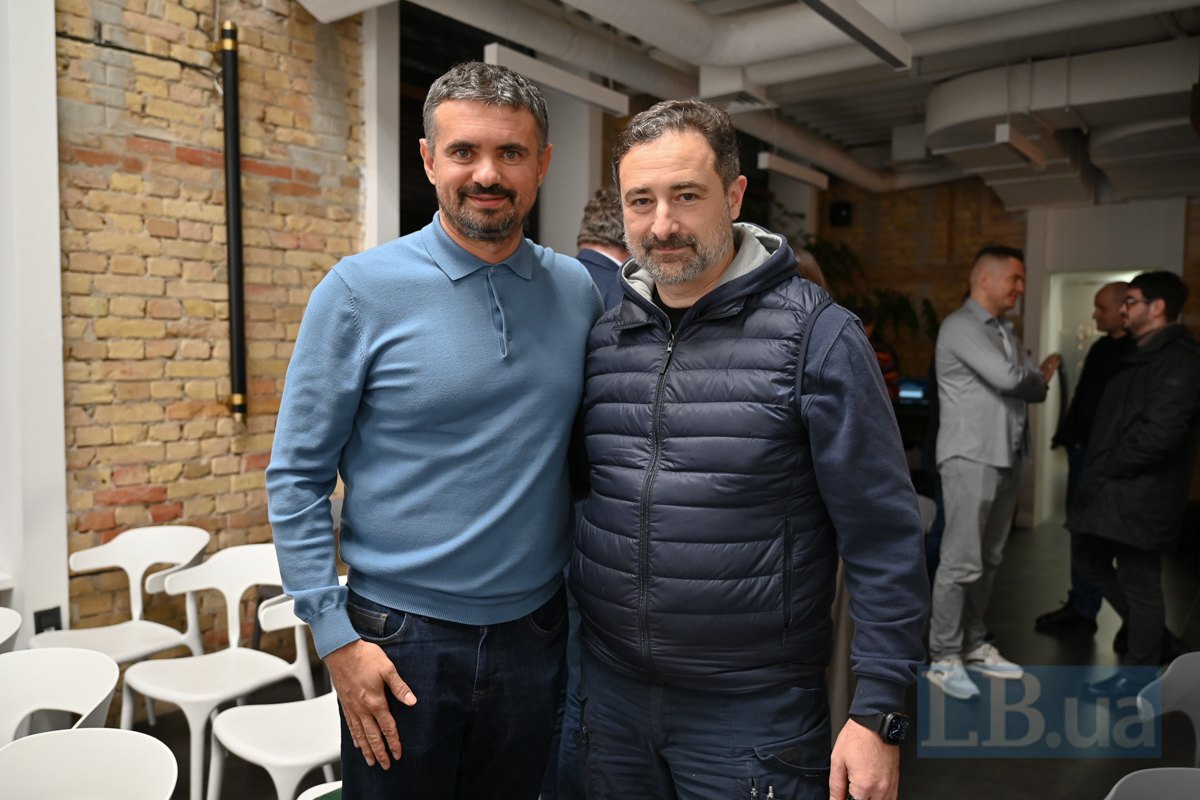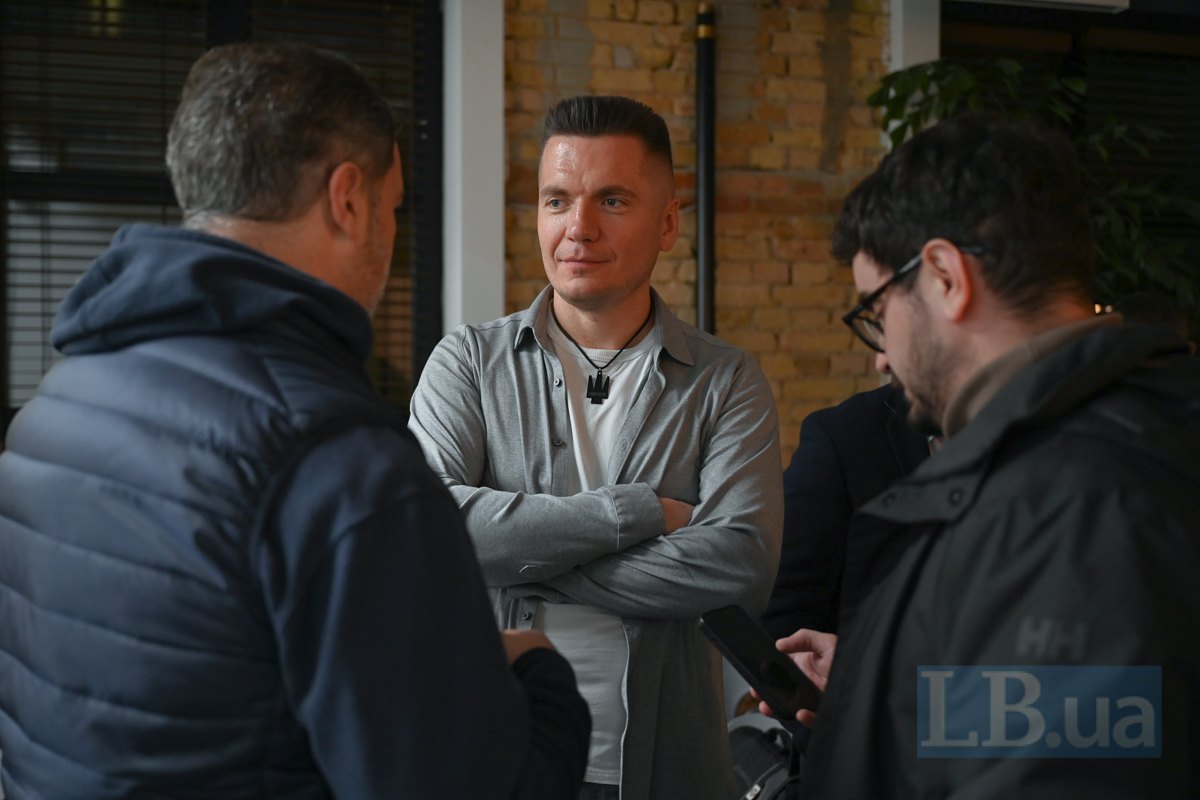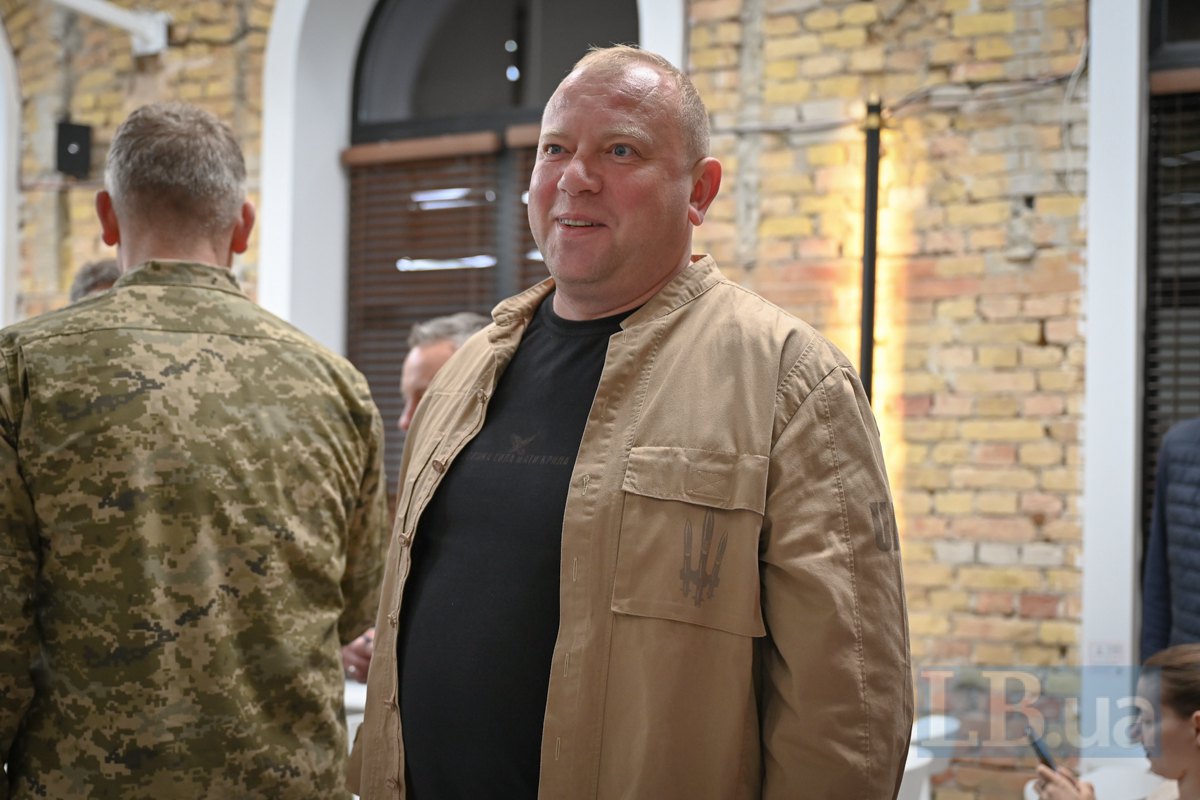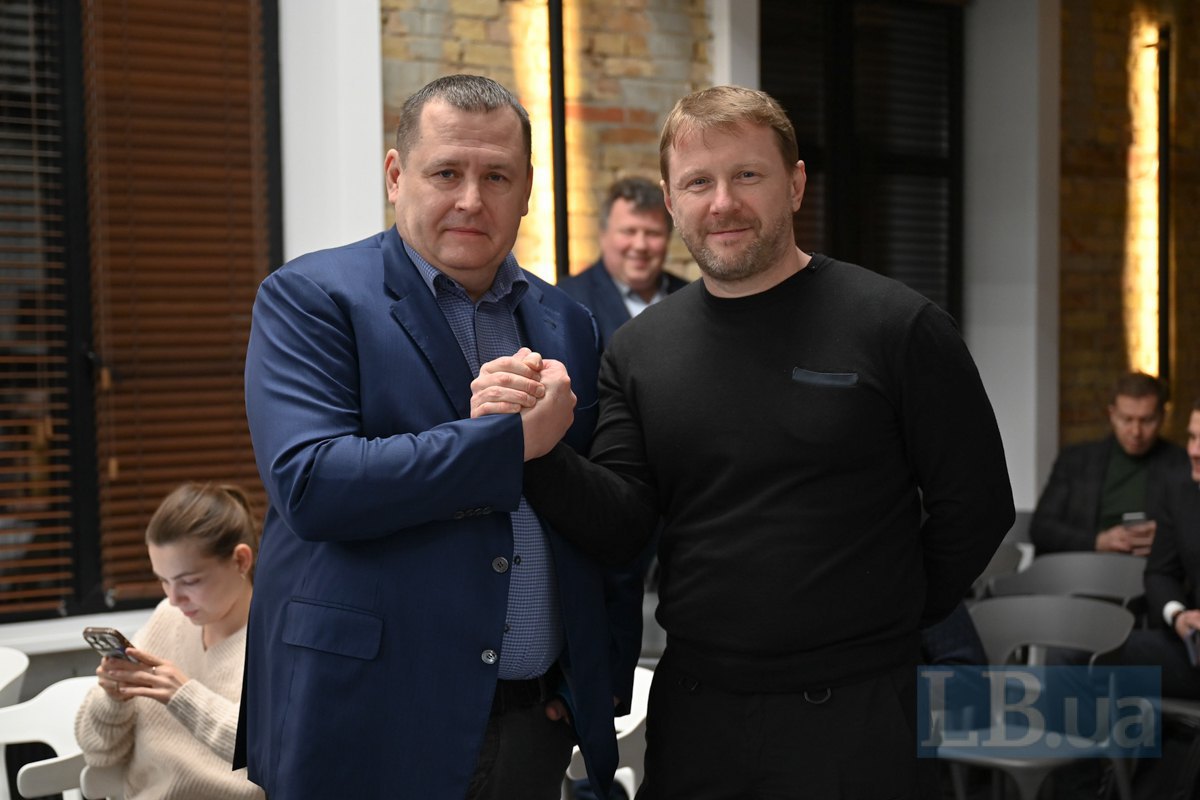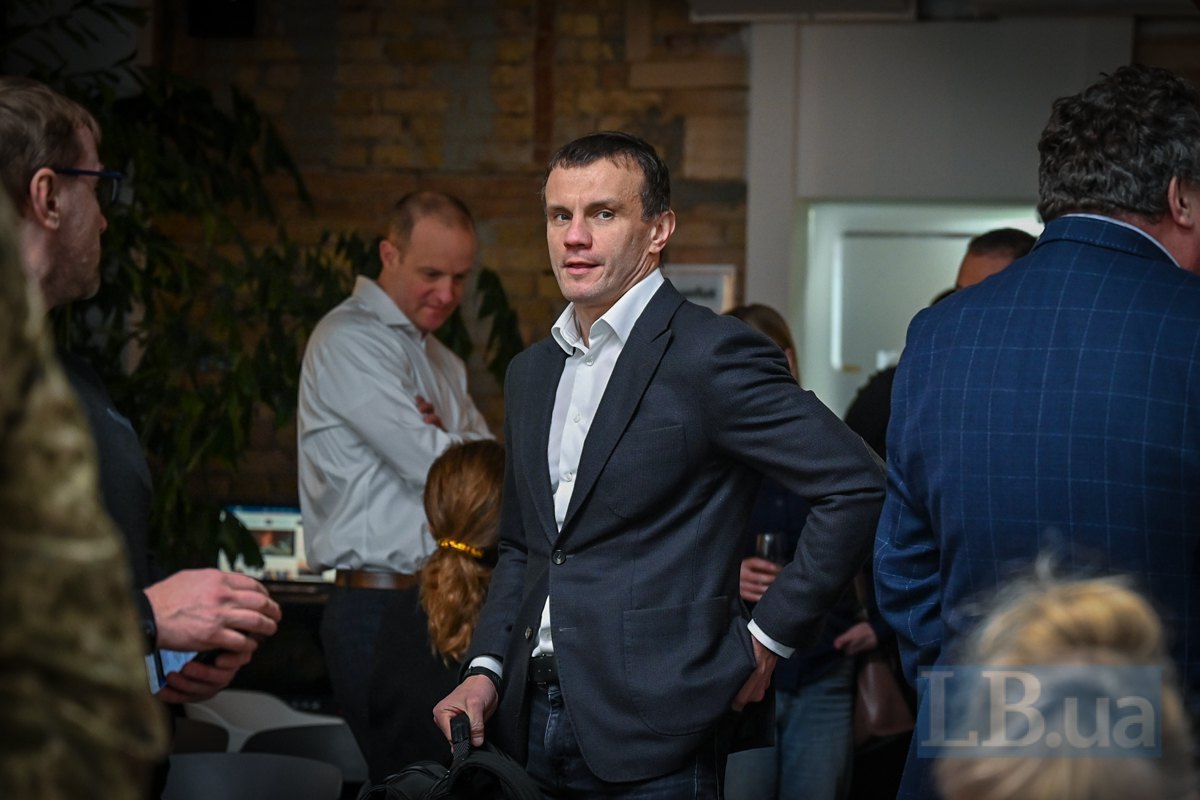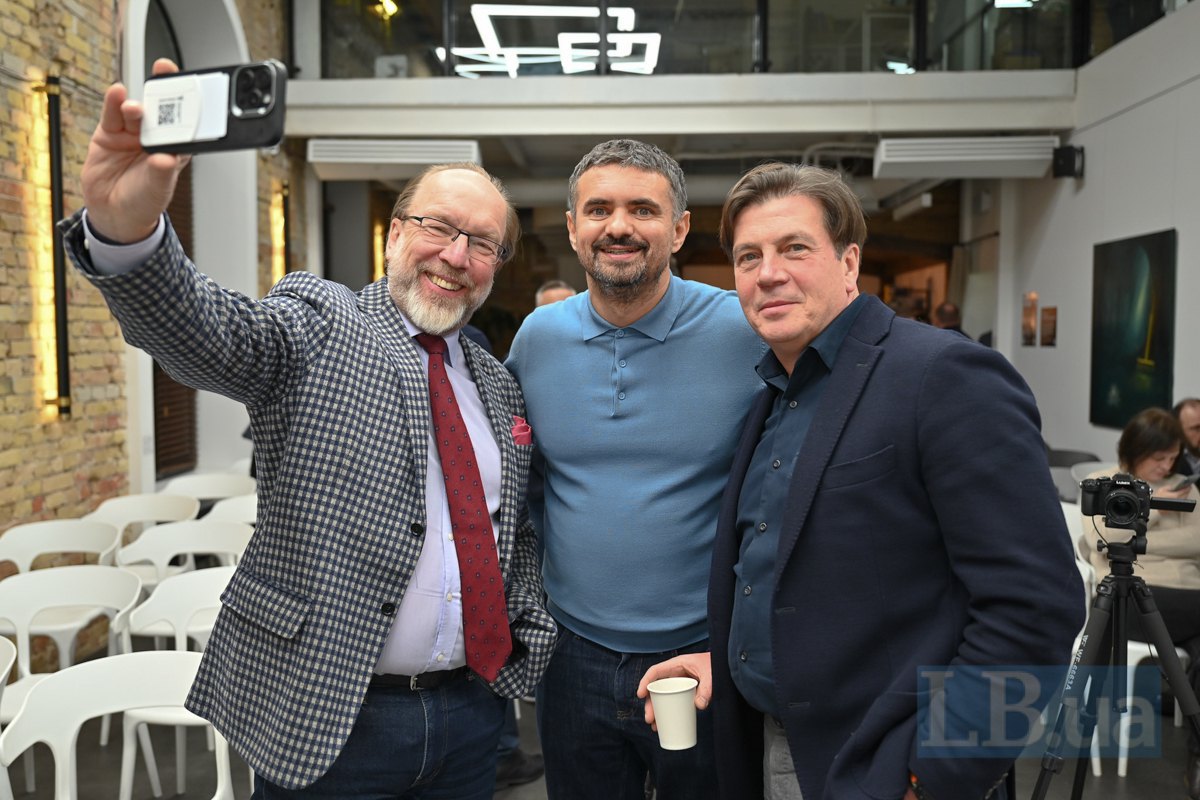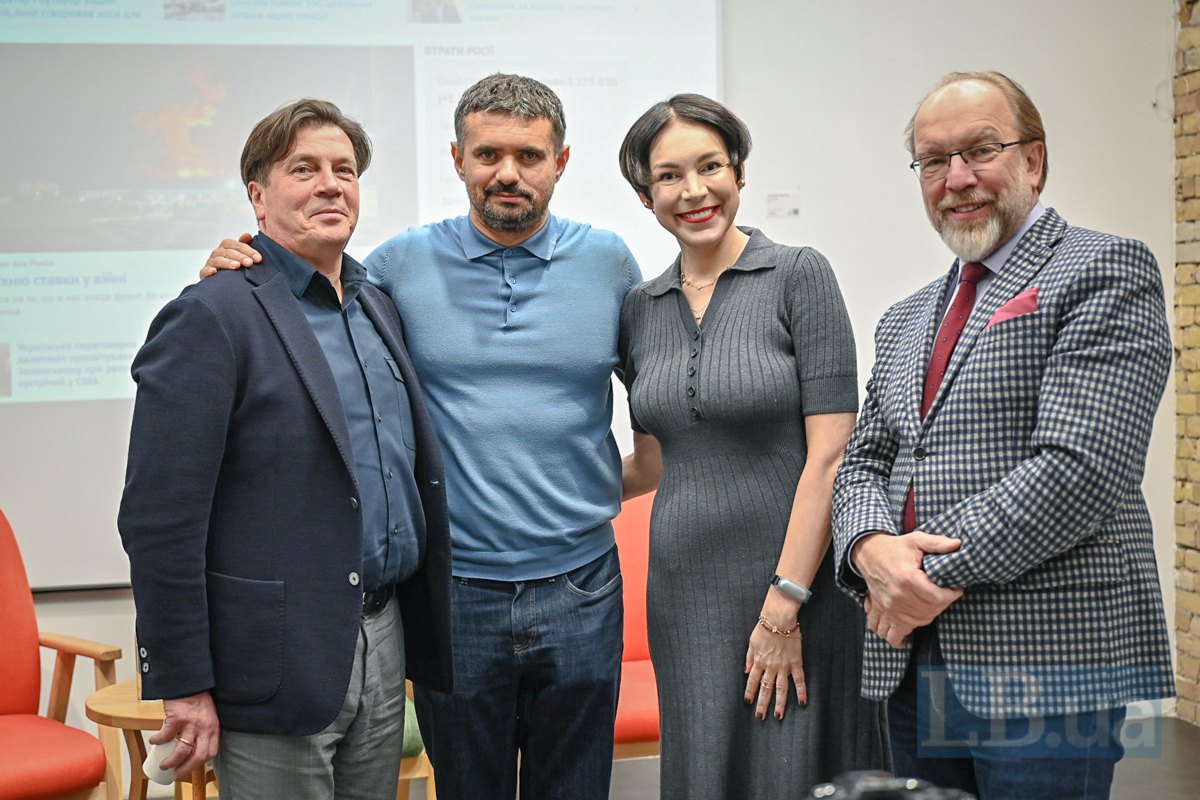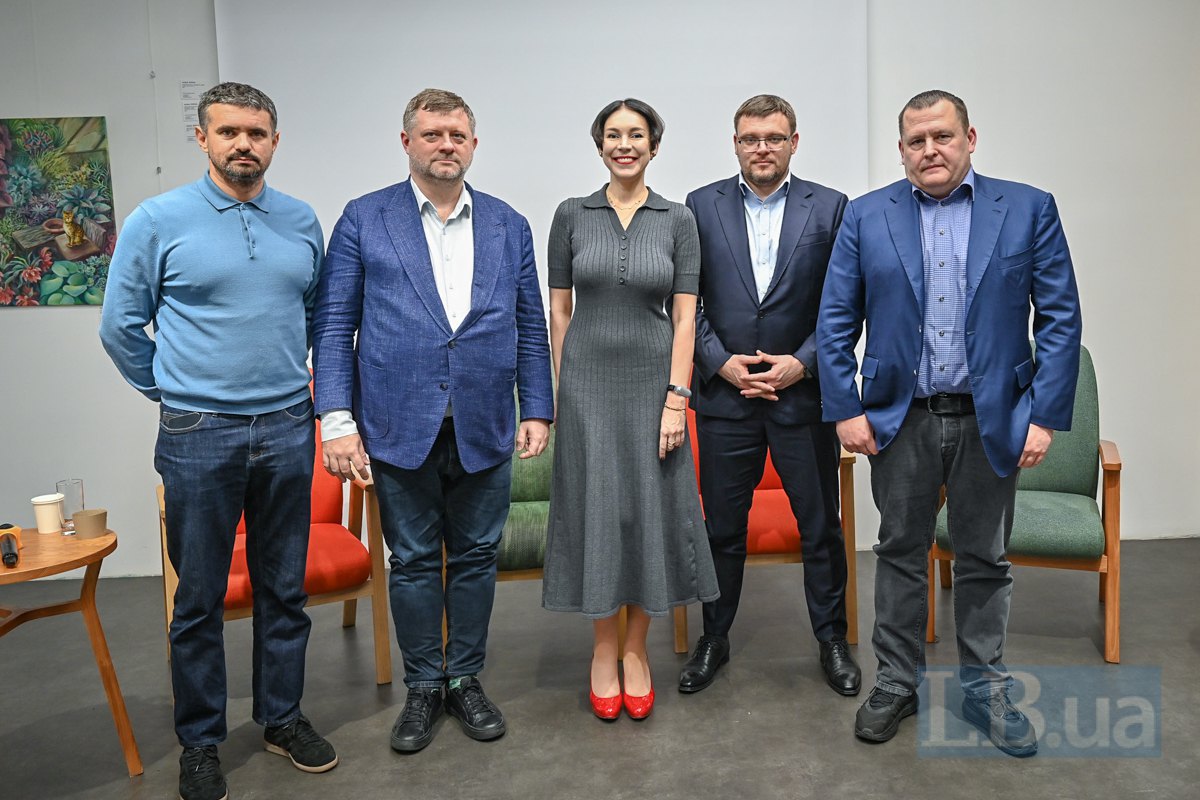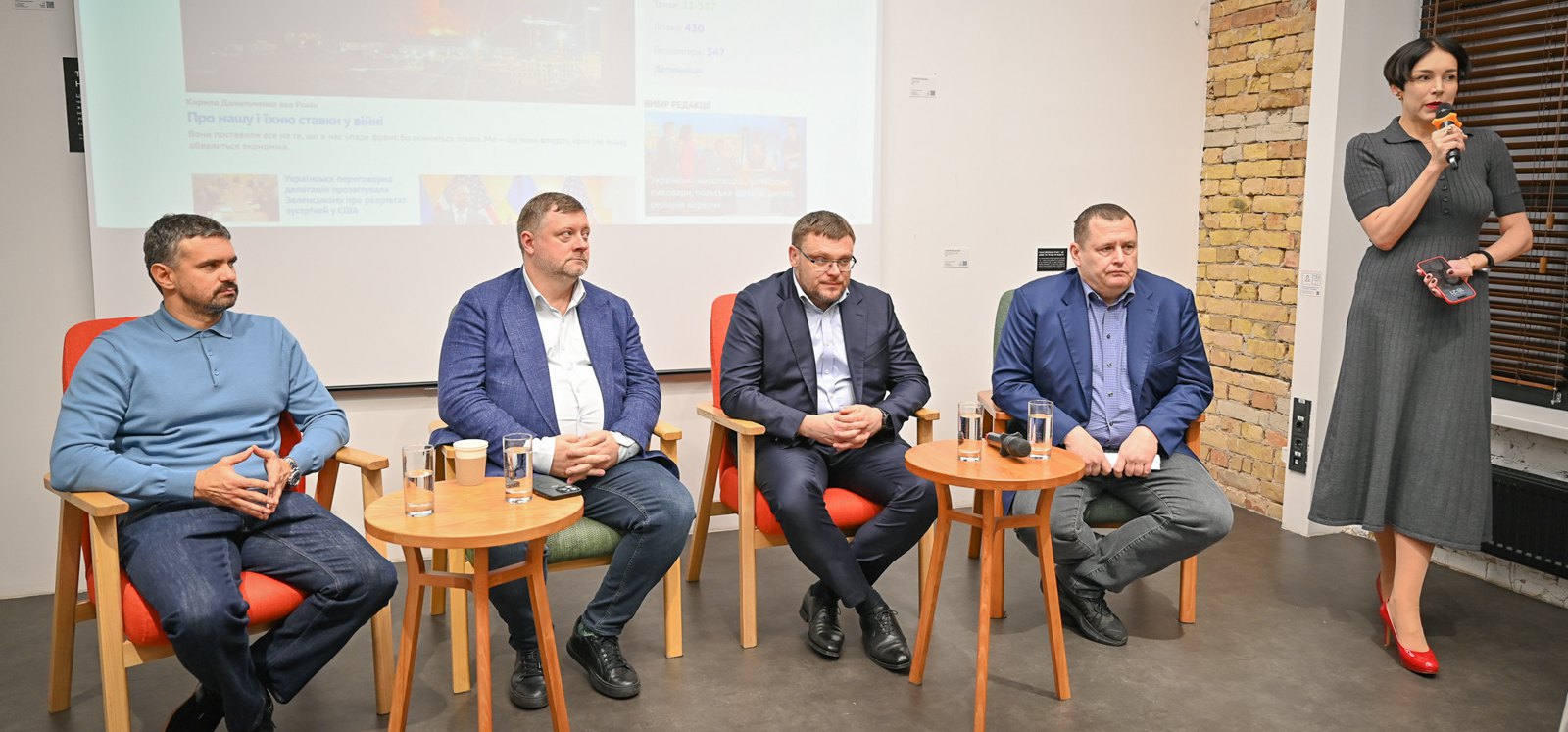







New Country — a joint project by LB.ua and EFI Group — wrapped up its final meeting of the year by taking stock of 2025, with a focus on the domestic political landscape. What is happening in the Verkhovna Rada? Will there be enough votes for the critically needed budget and for new ministers? What progress has been made on anti-corruption measures? Where do NABU’s investigations stand, and how extensive and systemic is corruption in the country? Are new charges expected? Why are the regions at risk of being left “without their trousers”, and how are they resisting pressure from the centre? And, most importantly, what can be done about all this? Among those discussing these questions was:
- Oleksandr Korniyenko, First Deputy Speaker of the Verkhovna Rada.

- Semen Kryvonos, Director of the National Anti-Corruption Bureau;

- Borys Filatov, Mayor of Dnipro;

- Ihor Liski, Chairman of the Supervisory Board of the investment company EFI Group.
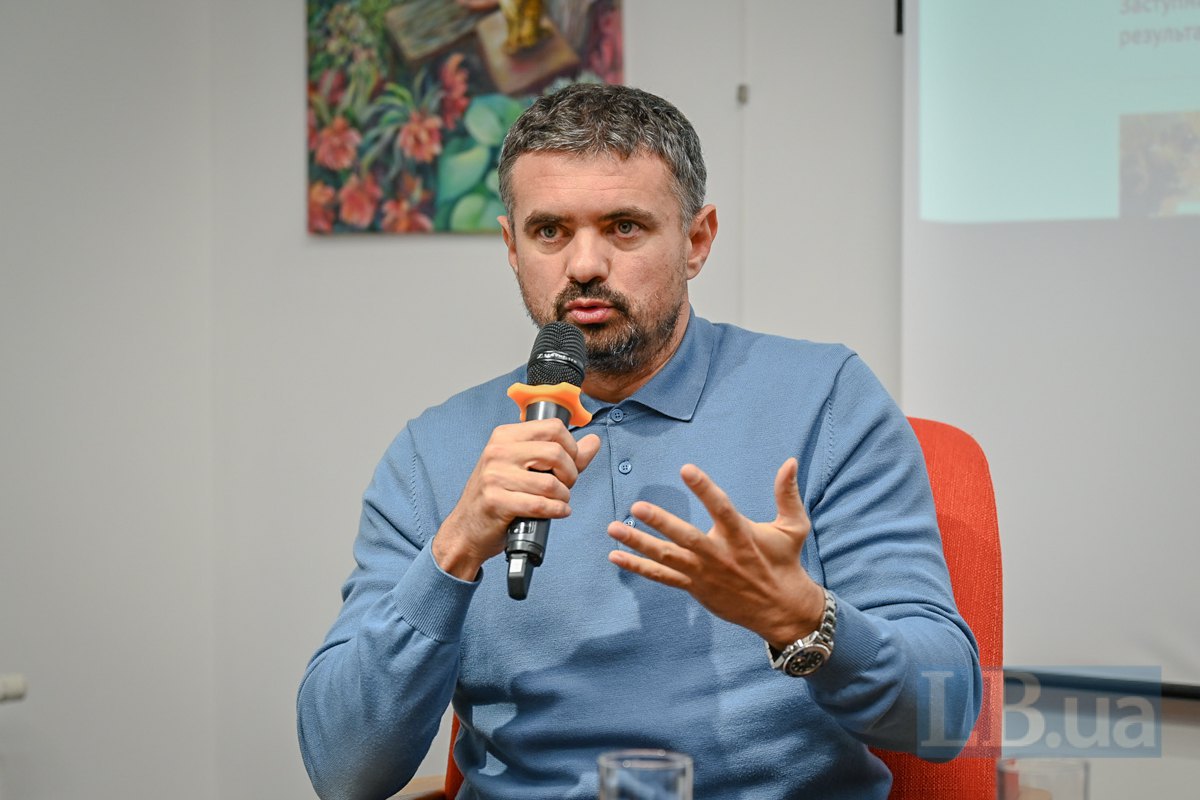
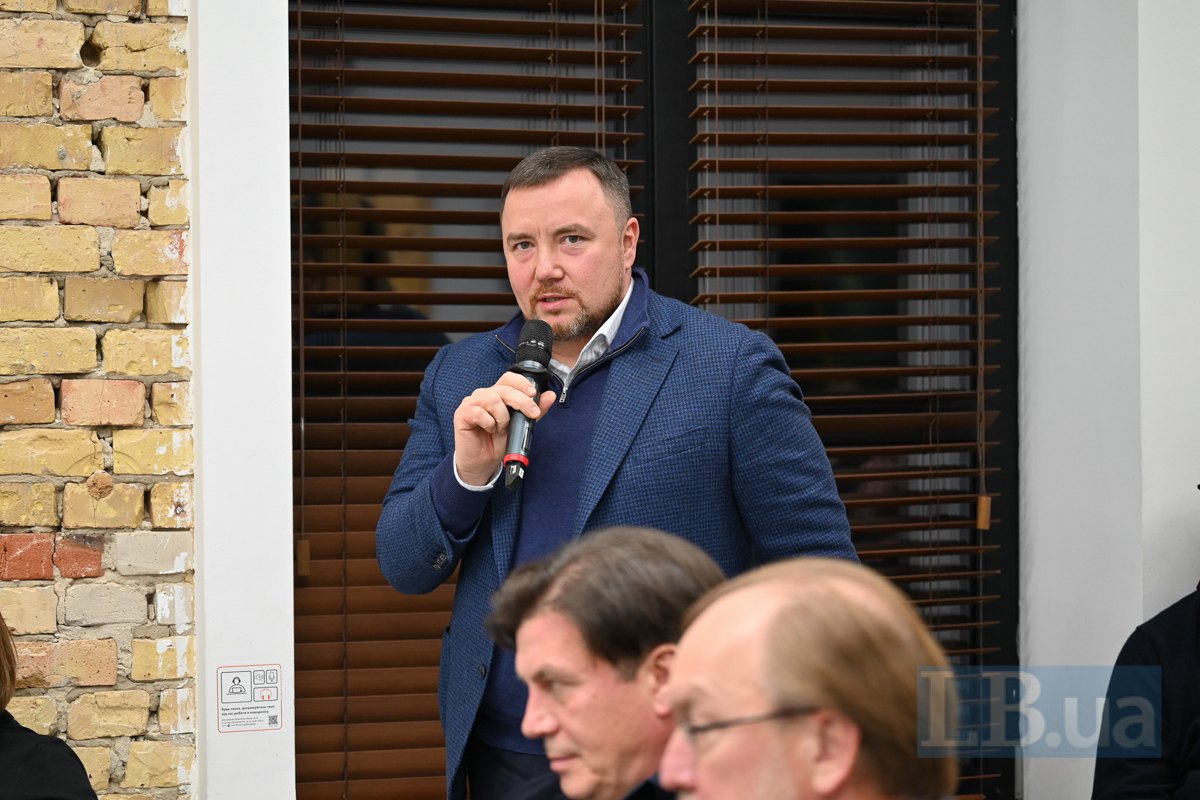
It also brought together MPs, business leaders, entrepreneurs, experts, and civil society representatives.
According to Deputy Speaker Oleksandr Korniyenko, the Verkhovna Rada is entering a phase of “sluggish political sparring”. And even if MPs do back the crucial state budget for next year (they already have — Ed.), support for other, no less important bills remains uncertain.
“When it’s something big — like the budget — you can, so to speak, grit your teeth and reach an agreement. No party or parliamentary group wants to see angry crowds outside their office in late January. And people from across Ukraine will show up, because the cash gap could become so severe that everyone ends up without salaries — from the military to teachers, doctors, and so on.
That’s why the government and the opposition will have enough political will to sit down, negotiate, compromise, and give way where needed.”
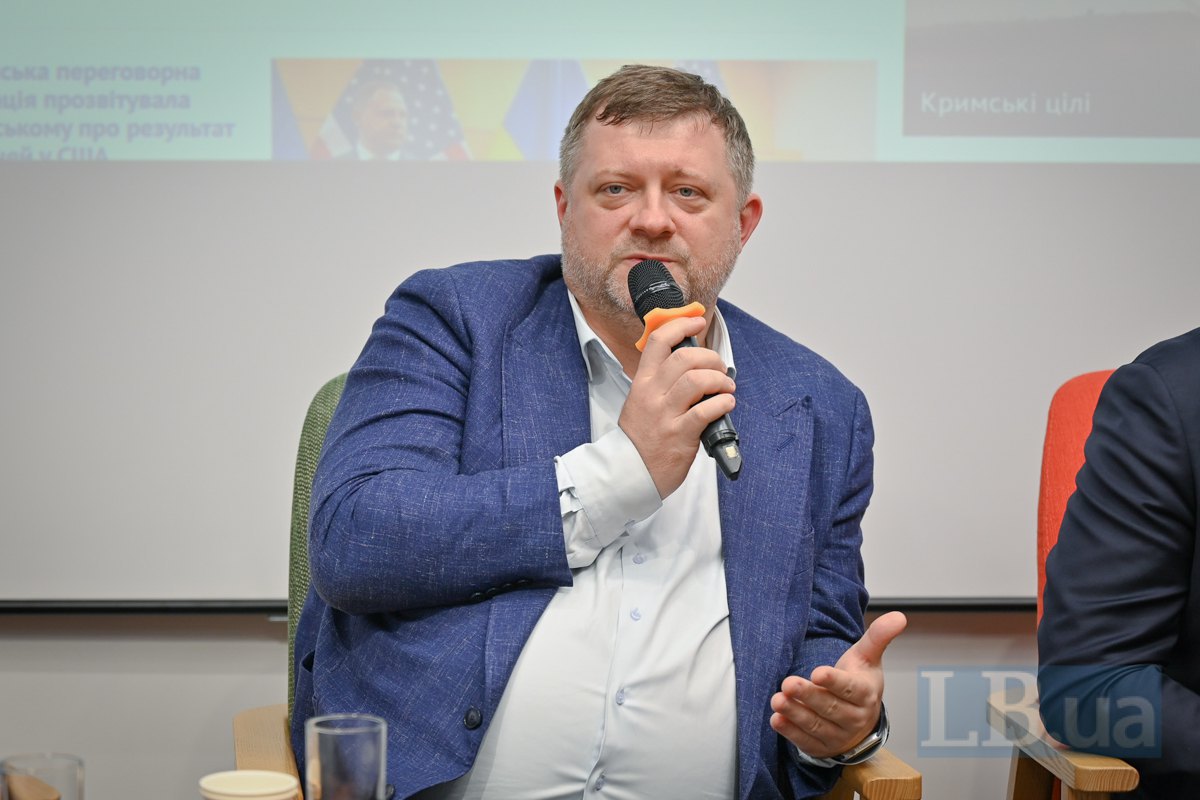
But when it comes to ongoing tasks such as the Ukraine Facility – which also delivers financial results, though not as systematically as the budget – we should expect political wrangling: blocking, amendments, a generally sluggish process,” the First Deputy Speaker predicts.
NABU Director Semen Kryvonos, for his part, stressed that the Bureau has no intention of influencing the country’s political landscape – it is an apolitical body that investigates crimes strictly in line with the law. Yet he also hopes for a quick end to the political crisis.
“I’m optimistic. I hope that the authorities – parliament, the Cabinet of Ministers, the President of Ukraine – will show leadership and that we will emerge stronger. It is absolutely time to renew institutions and make them more independent. It is absolutely the moment for reforms, including cooperation with the new Justice Minister on anti-corruption changes set out in Ukraine’s EU accession plan.”

“We need to focus not on the crisis itself but on finding a way out of it – one that genuinely satisfies Ukrainian society. We should not be hearing any more of these ‘recordings’. Professionally, of course, I do get a certain satisfaction from this work, but as a citizen – absolutely not,” Semen Kryvonos noted.
The Mayor of Dnipro, Borys Filatov, highlighted political pressure and tightening financial screws in the centre’s approach to the regions. “At present, 297 territorial communities, including nine regional centres, are without mayors. The reasons vary – you can assess each case differently, break down every story individually – but what matters is the trend.
Since the start of the full-scale war, we’ve been robbed year after year… And if this continues, by 2026 we won’t even have money to, excuse me, clear away the rubbish. You’ve heard that in Mykolayiv socially protected payments have already been suspended,” Filatov stressed.

Businessman and chair of the supervisory board of the investment company EFI Group, Ihor Liski, urged everyone to remember that Ukraine’s key problem right now is security. He warned that, while politicians plunge into “petty struggles over financial flows and reputations”, they must not lose sight of the bigger picture — the security situation — if the country is not to lose itself, Kharkiv or Dnipro.
“Against a backdrop of growing mismanagement and the public’s loss of trust in the government — who, excuse me, is going to fight for this country? Has anyone read Hetman Skoropadskyy’s memoirs? The scenario is identical to what our northern neighbour is playing out a century later: internal infighting, one hetman replacing another, factions battling each other — and in the end the Red battalions arrive and sweep everyone away. And where did they all go? Where is Symon Petlyura, where are the Ukrainians who fought so fiercely for the Ukrainian language?”
…We can sort out later who wins the elections. What does it matter, as long as it’s a Ukrainian? Otherwise it’ll be other guys — and then there’ll be no way to live here. Believe me, none of you will be able to live in this country. I can guarantee that. Even those in Luhansk who thought they could just sit it out, thinking ‘what’s the difference’ — they are either in graves, in basements, or somewhere even worse, Ihor Liski said sharply.
The full version of the keynote speeches will be available soon on LB.ua.