






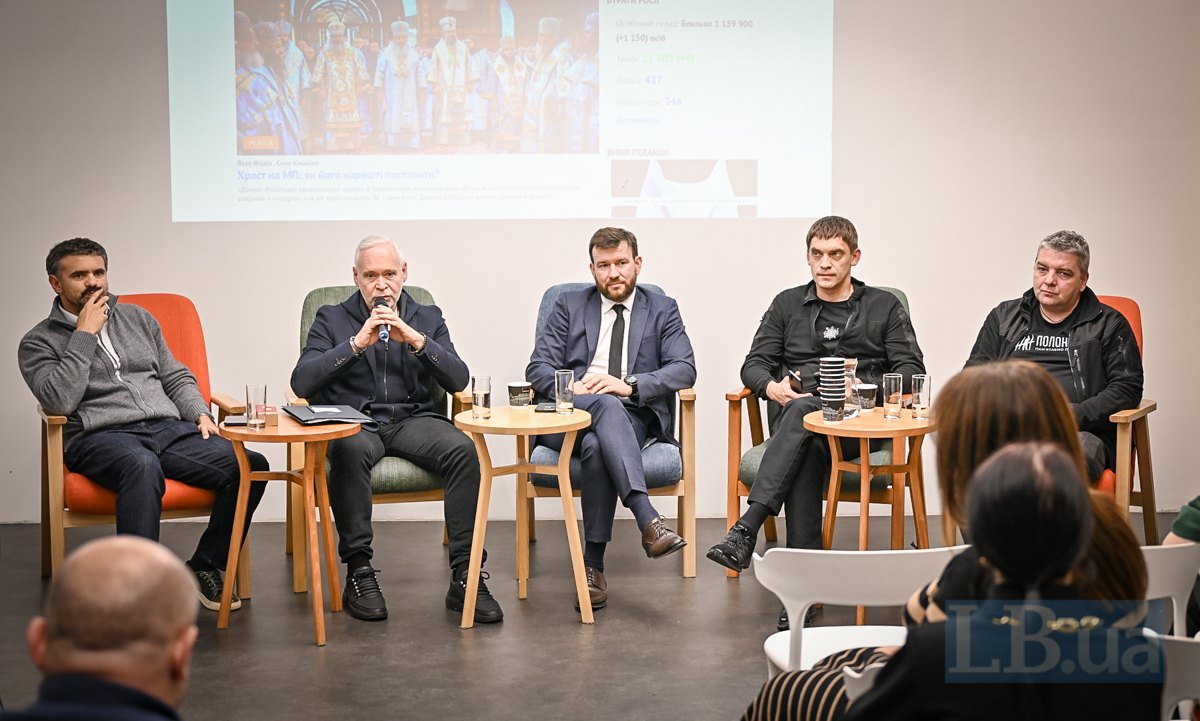
What changes are being prepared by the Ministry of Social Policy
The current social benefits policy in Ukraine consists of "spreading" funds among all recipients of social assistance, says Social Policy Minister Denys Ulyutin. And although payments are made "to everyone in small amounts," the fact that there are 15 million recipients of state assistance in the country results in a colossal budget, he complains.
"We have 15 million recipients of some form of social benefits! 15 million," emphasises Denys Ulyutin. "The budget of the Ministry of Social Policy within the state budget is over 470 billion. Add to this the single social contribution that goes to the Pension Fund, all payments to NGOs, volunteers, international partners, and public organisations, and you end up with a budget that, let's be honest, we as a state cannot afford. We cannot do it at all without international partners."
The Ministry of Social Policy is currently preparing a change in social policy and working on the so-called Social Code (the previous draft of the Social Code was submitted to the Verkhovna Rada by MP Anton Yatsenko in 2012. — Ed.), which will provide for the payment of benefits only to those who really need them.
"Right now, it's just a matter of giving a small amount, making a payment and forgetting about it for a month. Buying off for a month. We want to change that a little. Or not just a little. It depends on how the discussion goes in parliament, directly in the government, because these are issues that everyone is trying to push aside," the minister said.
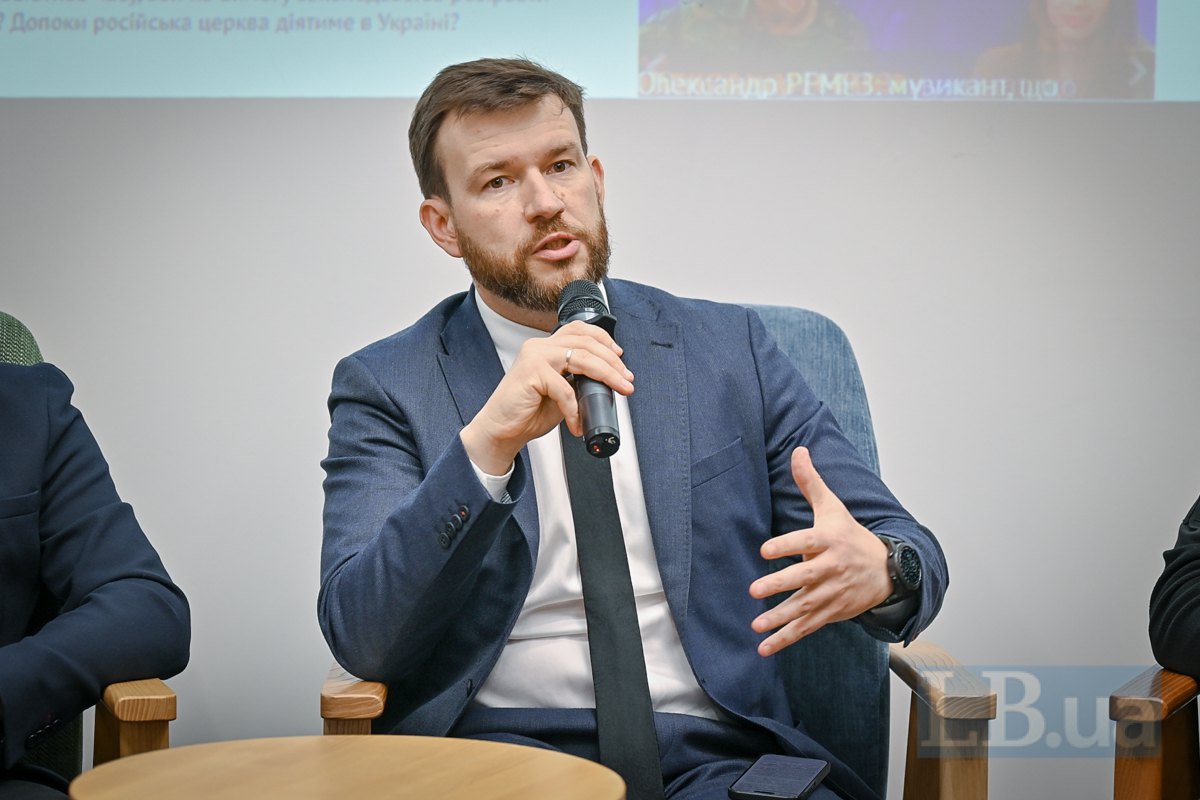
This applies, in particular, to internally displaced persons — all able-bodied people "will be encouraged to enter the labour market."
"If we add up all the state support and the support provided directly by our international partners, we get a huge amount of money. Some people get more, some get less, but on average, IDPs receive about UAH 10,000 per person. Compared to those who work, this is quite good, because in the social sector there are employees who receive 6–8 thousand hryvnyas. And here, too, the question of social justice arises," the minister added.
According to him, the government has already prepared a number of programmes for IDPs: the Shelter. Work platform (where people can use the app to find a city or local government, job offers and housing from employers); vouchers for retraining; various forms of housing support, etc. (in particular, preferential loans, where the state compensates 70% of the down payment and 70% of monthly payments for the first year). These should be combined into a single digital module where all types of assistance, support, or opportunities for IDPs can be viewed.
So far, these programmes have not yielded the desired results, Ulyutin admits, because "there are actually very few people who understand that self-development and looking for work are much better than being dependent on the state."
However, the ministry is forced to pursue optimisation because the state simply does not have the funds and will not have them for such a large number of recipients.
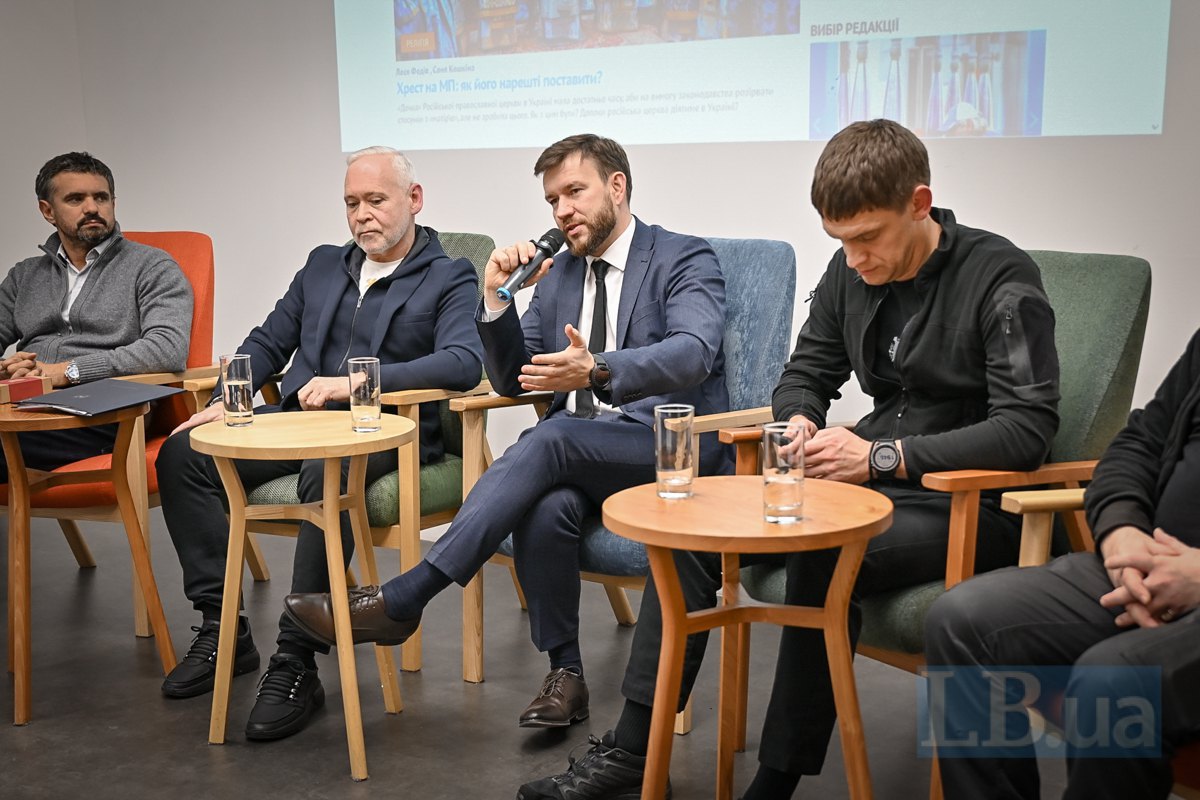
"We are all making a demand to the state: 'The state will pay'. It won't pay. Forget about it. The state has no funds. These are taxpayers' funds," said Denys Ulyutin. "When we talk about social approaches, we must say that taxpayers have to pay non-taxpayers. And either we burden some taxpayers, spreading the cost among everyone because it is easy for us to do so, or we clearly say that we, as a state, guarantee assistance to those who need it. But if the whole of society takes on this responsibility, then you have to work for that society."
At the same time, the minister recalled that the social component of the budget is currently fully financed by international partners. Every year, this becomes more and more difficult. At some point, international funding will stop.
"If, by the time our international support ends, we have not changed our worldview, at some stage it will be very painful, because the funds will suddenly run out and no one will receive them. Then we will not be talking about justice at all. While there is still time, we must move away from the idea that 'someone else will pay' and return to the idea that 'we all pay'," said the head of the Ministry of Social Policy.
In his opinion, it is time for Ukrainians to decide what kind of state we want to build — to return to paternalism, where "someone else will decide everything for me," or to take responsibility and decide for ourselves. He illustrated his point with an example:
"When voting on changes to the budget, MPs redistributed taxpayers' money and allocated it to the renovation of temporary accommodation facilities. We visited one such place in Zaporizhzhya, where the first floor of a dormitory is being renovated for temporary accommodation. And do you know what I got there? A protest. The residents of the second and third floors were outraged, saying, 'We live in Zaporizhzhya, why aren't you renovating our homes?'" said Ulyutin.
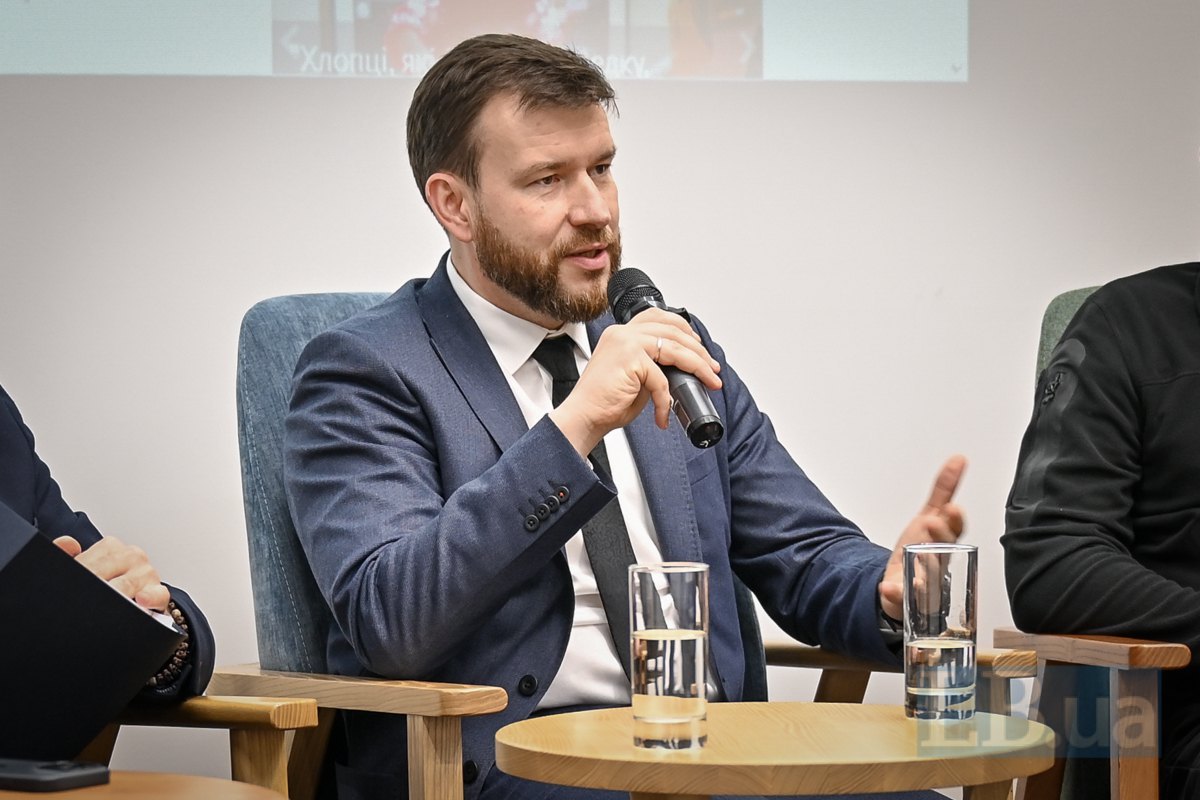
"But these people can be understood," Ivan Fedorov, head of the Zaporizhzhya Regional Military Administration, was quick to respond. "People have been living in this dormitory for 20 years: the first floor is being renovated, but the other two are not. This is also a kind of demand for justice. They stayed, while some left, and some just arrived in the European Union as displaced persons and want the same life as those who left earlier."
According to the head of the Zaporizhzhya RMA, this situation with the residents of the dormitory in Zaporizhzhya arose due to the lack of a clear state policy on internally displaced persons, while IDPs should become its mainstream.
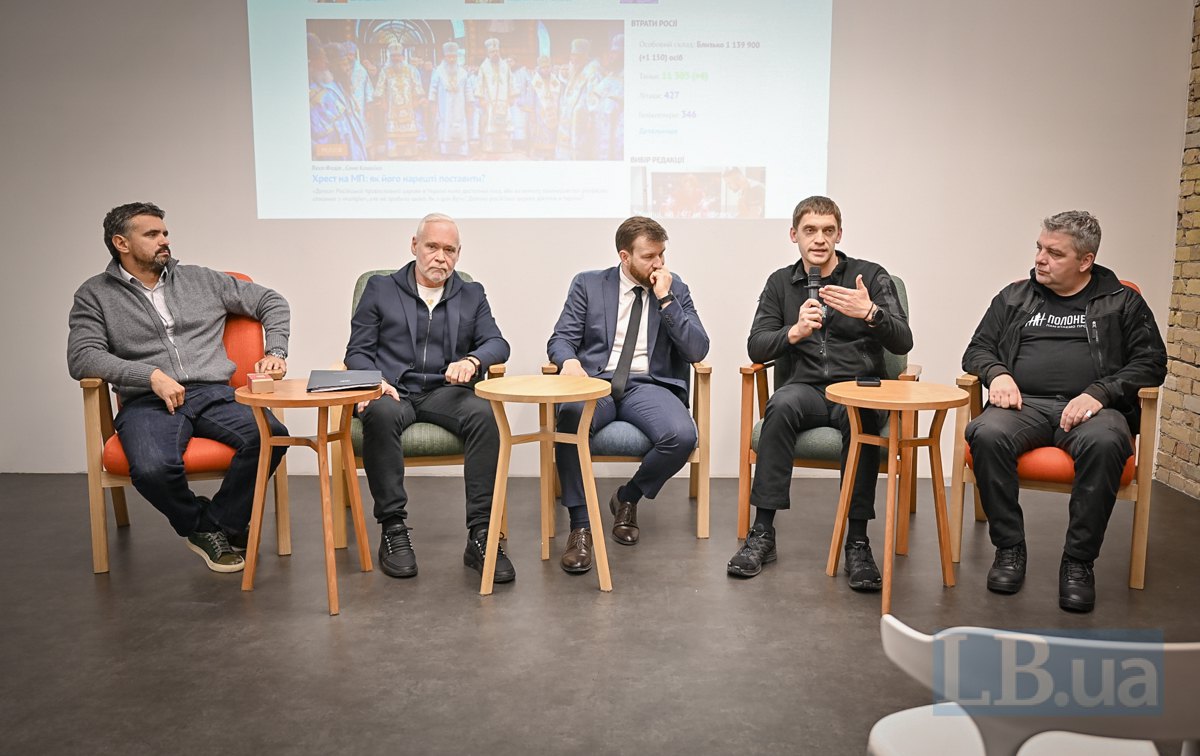
Ivan Fedorov on IDPs in Zaporizhzhya and social policy
According to the head of Zaporizhzhya RMA, the state should have a clear attitude towards displaced persons as people who, by choosing Ukraine, have effectively given up their old lives.
"A typical portrait of an IDP is a person who made a conscious choice in favour of the state of Ukraine: they left their whole life behind, social ties that we did not appreciate before and thought were worthless, their school friends, friends from the neighbourhood, neighbours. The most valuable thing for many is their home. Many have left relatives with whom they have almost lost contact. These people, who said, 'Okay, we are with Ukraine,' are the gene pool of our state," said Ivan Fedorov.
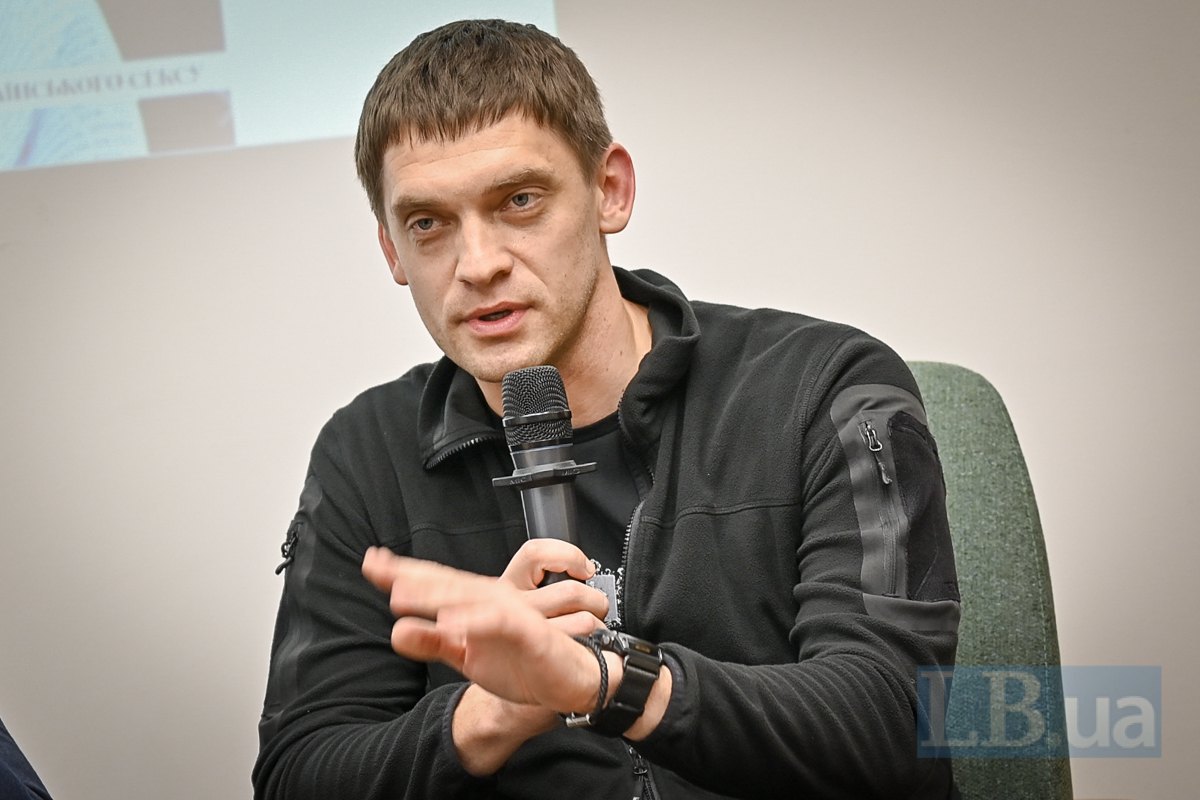
Today, according to him, there are about 200,000 IDPs living in the Zaporizhzhya Region. Not all of them need state support, because there are "those who left with money, who were able to take their property with them, who were able to get back on their feet." But the state, according to Fedorov, must provide a "basic support package."
"What is a basic package? If they had housing in the occupied territory, we must provide housing in the controlled territory. This is a basic need. Should we give privileges to displaced persons in employment? Yes, we should.
Is anything being done today to provide housing? A large number of completely different projects are being implemented. Are they enough? Not yet. Because the state is at war. Now the MPs will adopt the budget, and we all understand where most of this budget will go. Therefore, displaced persons are the mainstream that we must help; they are definitely a point of growth for our state," said Ivan Fedorov.
In addition, the head of Zaporizhzhya RMA advocates for the issuance of certificates to people whose homes were damaged during shelling and to IDPs.
"Businesses can handle any construction better than the state. Businesses will build faster and cheaper. It is because of this principle that we approach absolutely every building destroyed by enemy shelling. In our city, there was a building in which two of the four entrances were destroyed, and two could be rebuilt. We decided that the residents of two entrances would receive certificates, while the other two would be rebuilt. As for the residents, they benefit from receiving certificates because in about six months, depending on how much money is in the certificates, they will be able to move into new apartments. And that is in their best interests," says Fedorov.
He calls the construction of modular towns for displaced persons a ghetto and a "nightmare," considering such resettlement to be unfair and wrong.
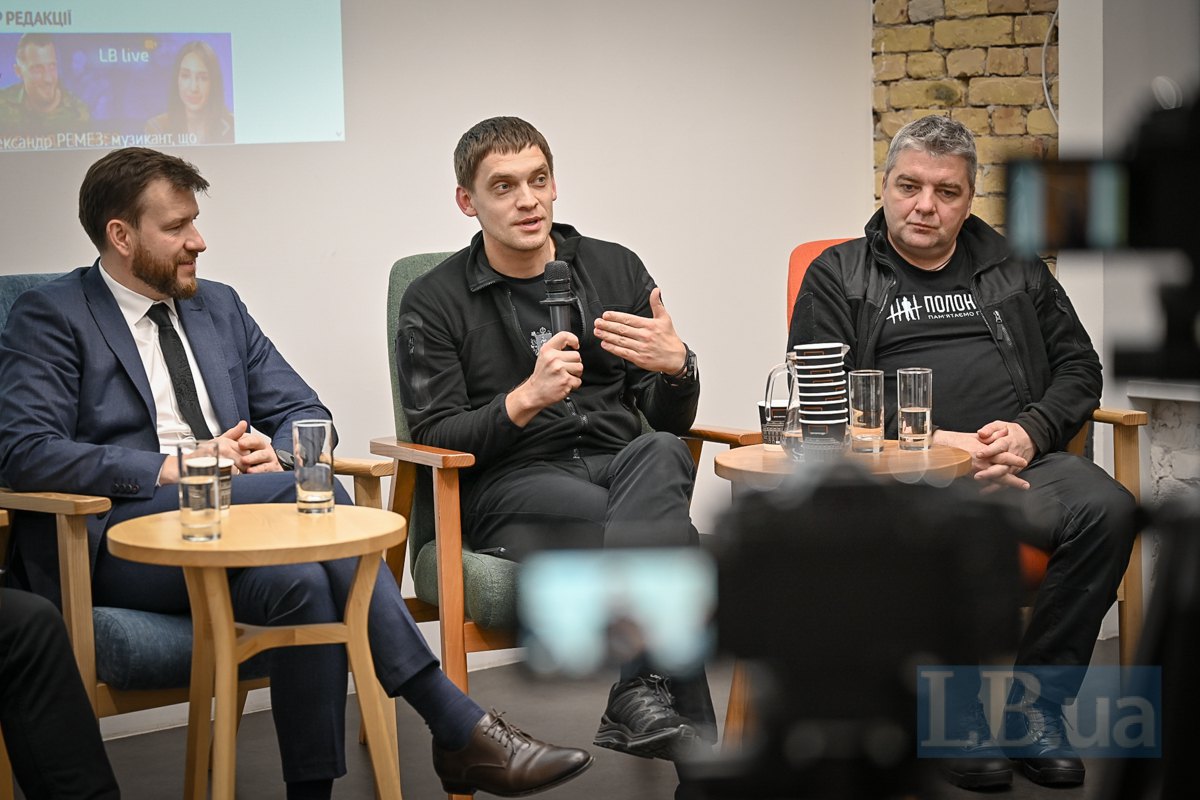
However, when it comes to retraining and employment of IDPs, the head of the Zaporizhzhya Regional State Administration also noted that the state programme should take a clear line of light coercion. Of the 200,000 displaced persons, 50,000 are pensioners, another 30,000 are children, and the rest are the working-age population, among whom there is a category of people "who do not want to do anything and believe that the state owes them everything."
"I was surprised by the figure announced by the minister, that each displaced person receives 10,000 hryvnyas. I am not questioning this, but it is a significant amount. I agree that not all civil servants receive such funds. But we must encourage displaced persons to find employment.
Of course, everyone has suffered tremendous trauma. Everyone wants to feel sorry for themselves and say that the state should take care of them. But that won't work. The state is at war, and everyone must stand in line with the state," said Fedorov.
And here, in his opinion, the Ministry of Social Policy needs to do some "precision work" in order to "understand each category, on the one hand, the needs of the state, and on the other hand, the resources of the state and how those needs can be met with those resources." Simply taking people "from there" and "employing them here" does not work, emphasises the head of RMA.
"For example, take a teacher who left Enerhodar, Mariupol, Melitopol. Today, not all categories of teachers can find work in Zaporizhzhya. Are they ready to retrain? And for what? This is quite stressful... If we want to have an effective society that will progress and produce something new, transporting this teacher from Zaporizhzhya [to another city] is also not very effective," noted Ivan Fedorov. He gave another example.
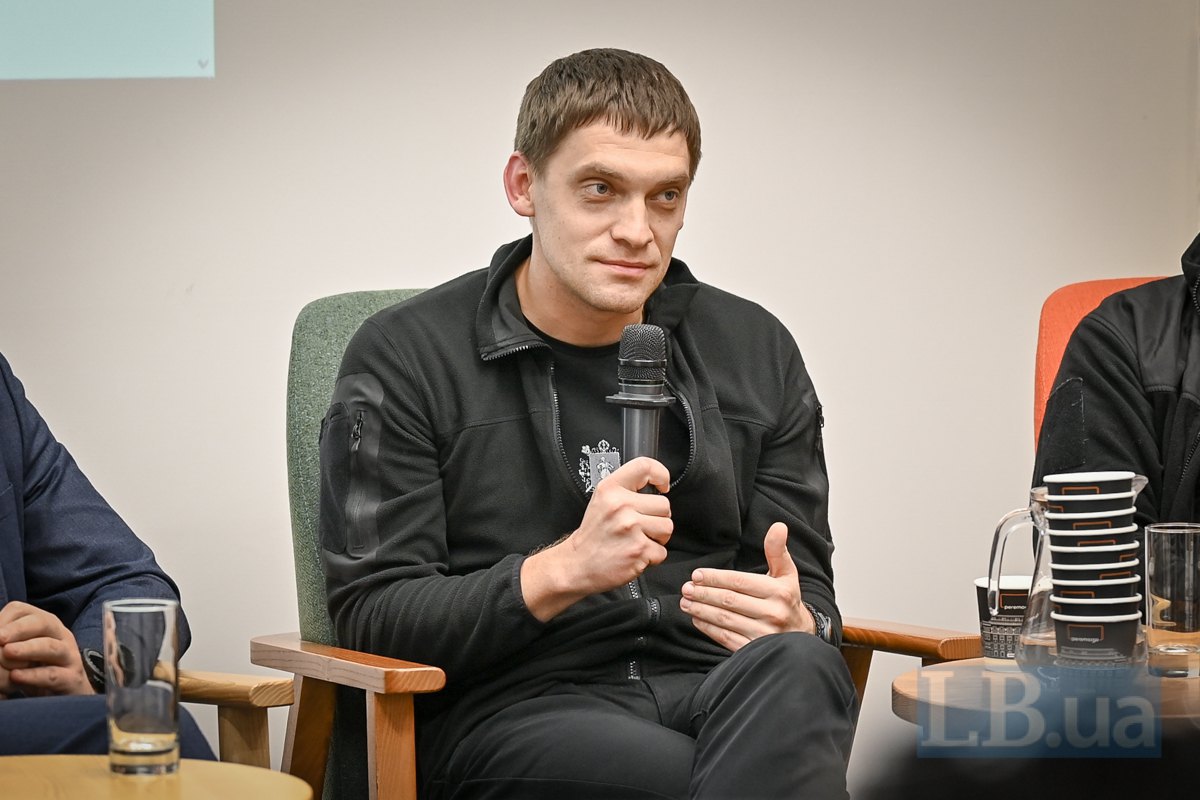
"All healthcare institutions are experiencing a shortage of mid-level and junior staff. The situation with doctors varies, but, for example, it is impossible for a doctor to find employment in a municipal hospital in Kyiv. It is impossible in Lviv, in Ivano-Frankivsk. The Ministry of Health has created a register of places where doctors can find employment. But a doctor who has left Berdyansk, Enerhodar or Mariupol is not going to go to a village in the Kirovohrad Region. It doesn't work that way.
What am I getting at? Today, 1,100 employees work in the temporarily occupied communities of the Zaporizhzhya Region. There are approximately 1,300 vacancies in the unoccupied part of the Zaporizhzhya Region. The numbers are economically accurate. They left and came here. But in reality, it doesn't work," Fedorov stated.
His position is that clear rules are needed to define the responsibility of the state to society and of society to the state.
Ihor Shvayka, former Minister of Agrarian Policy and Food of Ukraine and current serviceman of the Armed Forces of Ukraine, shares a similar opinion. He believes that state assistance to IDPs should be limited in time, because social justice is not only about what the state gives you, but also about what you can do for the state when your turn comes.
The experience of Kharkiv
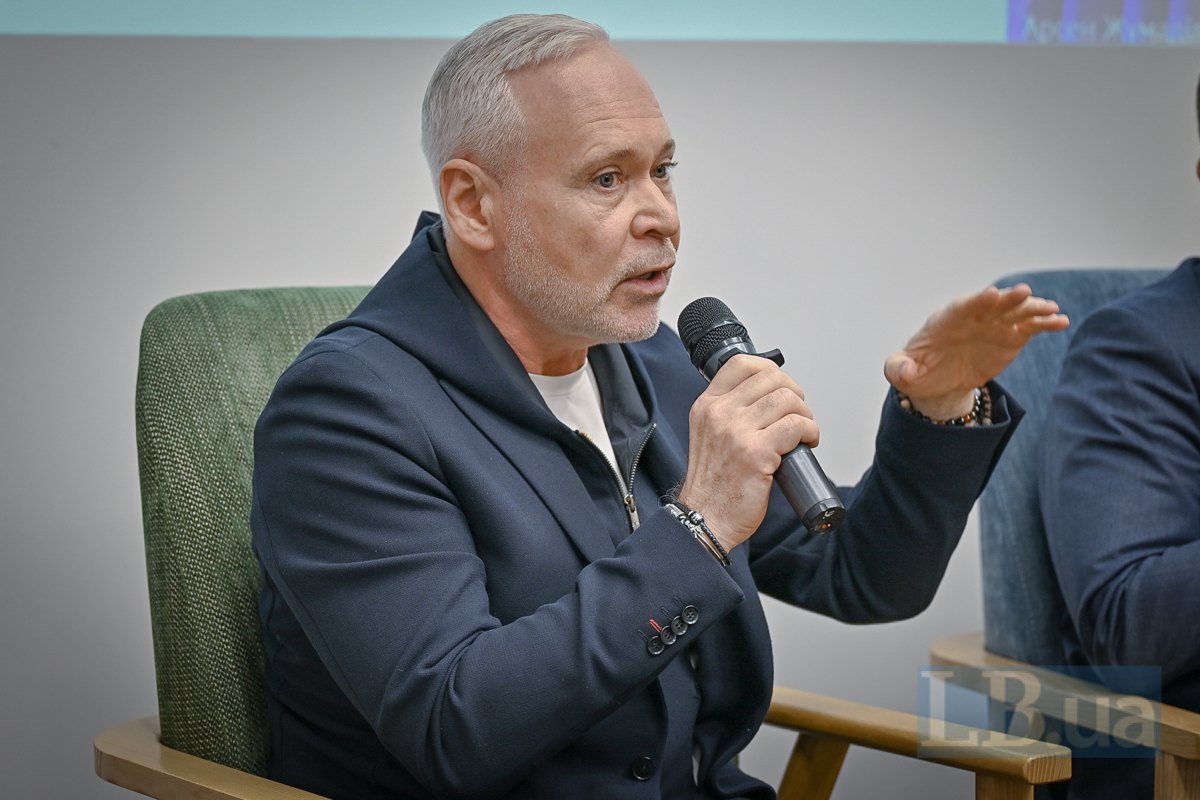
Kharkiv currently has a population of 1.3 million, almost the same as before the full-scale invasion. Of these, 208,000 are displaced persons. All local policy there, notes mayor Ihor Terekhov, is aimed at keeping people and businesses in the city.
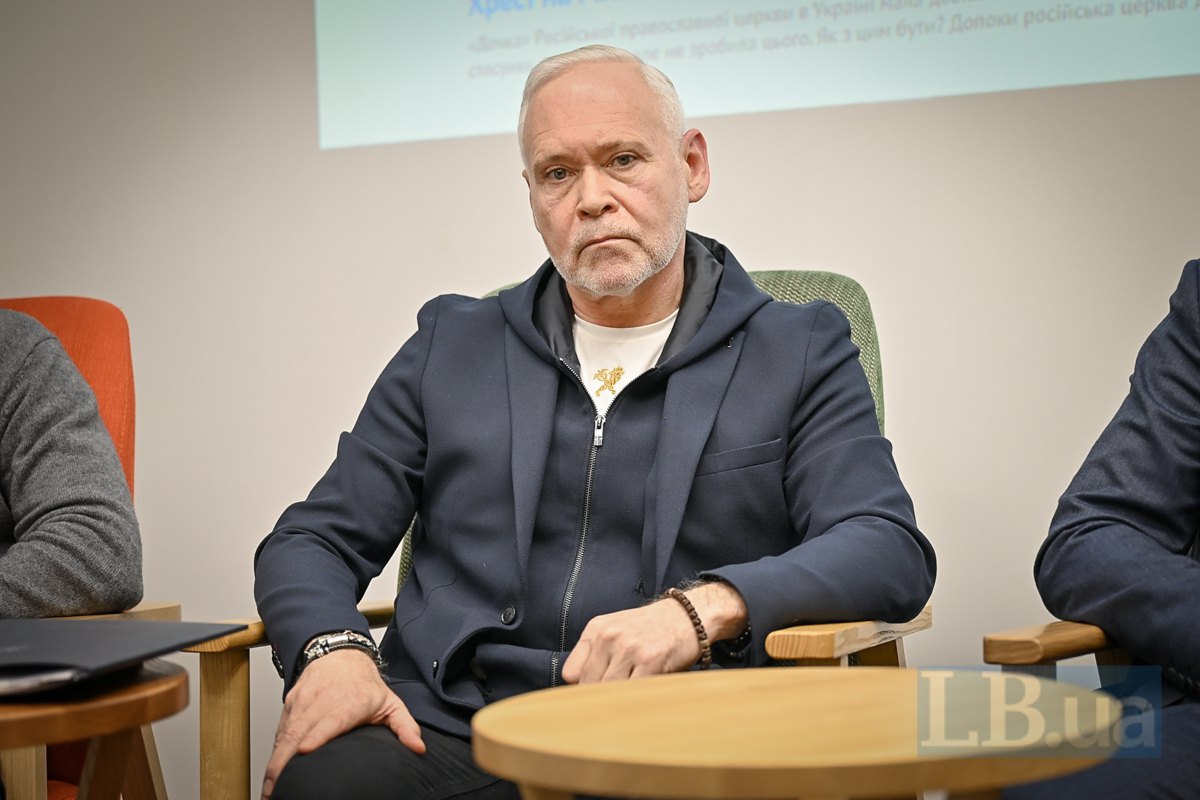
In particular, damaged buildings are being actively rebuilt. There are more than 12,000 such buildings, including 9,000 residential buildings — private and multi-family. Since the beginning of 2022, Ihor Terekhov emphasised, 4,000 buildings have already been restored. He calls this a priority task for local authorities, in which the state should also assist.
"I am deeply convinced that reconstruction is necessary. It is necessary for the people. Because people live where there is emotion. And if there is emotion in the city, there will be people. They will return. We need to bring them back. And those who are abroad. A social survey of Kharkiv residents shows that about 85% dream of returning. And I really want this percentage to be the same throughout Ukraine," Terekhov added.
According to him, this also applies to social facilities — schools, kindergartens, hospitals, etc.
"If children do not go to school, people will leave the city. If people have nowhere to receive medical treatment, they will leave the city. If people have nowhere to work, they will also leave the city," the mayor is convinced. He recalled that Kharkiv was the first to introduce underground schools. Thanks to this, the number of children attending ‘offline’ school in 2025 has more than doubled compared to 2023-2024, from 23,000 to 56,000.
"What does this mean? It means people are coming back," said Ihor Terekhov.
Given the number of displaced persons in Kharkiv, most of whom are forced to rent accommodation, and the fact that 160,000 city residents have been left homeless due to shelling, local authorities are developing a municipal housing construction programme.
"Together with the German government, we have developed a municipal housing programme. Germany went through the Second World War and has similar experience. We need to put this experience into practice today," said the head of Kharkiv. In his opinion, this could become a driver of economic development.
In addition, Terekhov noted that the city is now independently retraining displaced persons in professions for which municipal enterprises are experiencing a shortage of personnel. For example, women are actively training to become subway train operators or bus drivers.
The city has also made public transport free for everyone, which will continue next year, something that Ihor Terekhov calls an important component of social protection for the population.
"We managed to make travel free. Why? Because we refused to use private transport companies. Today, transport in the city is municipal. We purchase transport, and it is of very high quality," said the mayor.
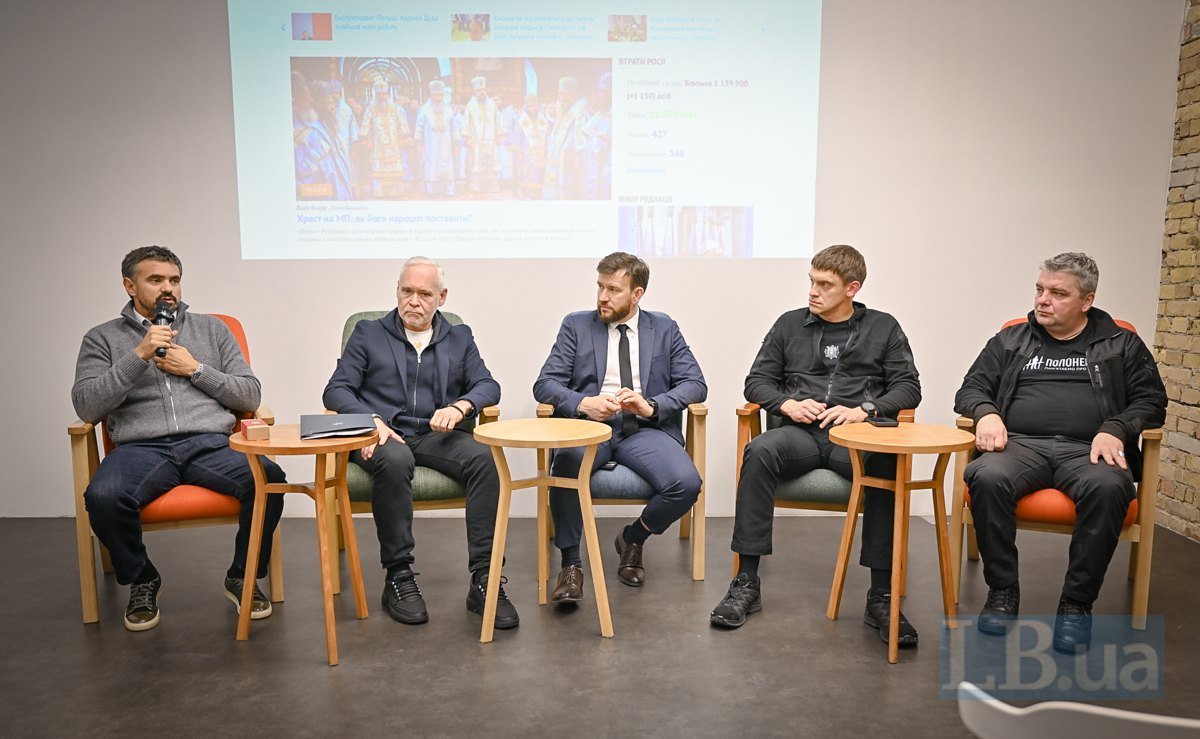
This approach sparked a wave of discussion among the participants of New Country.
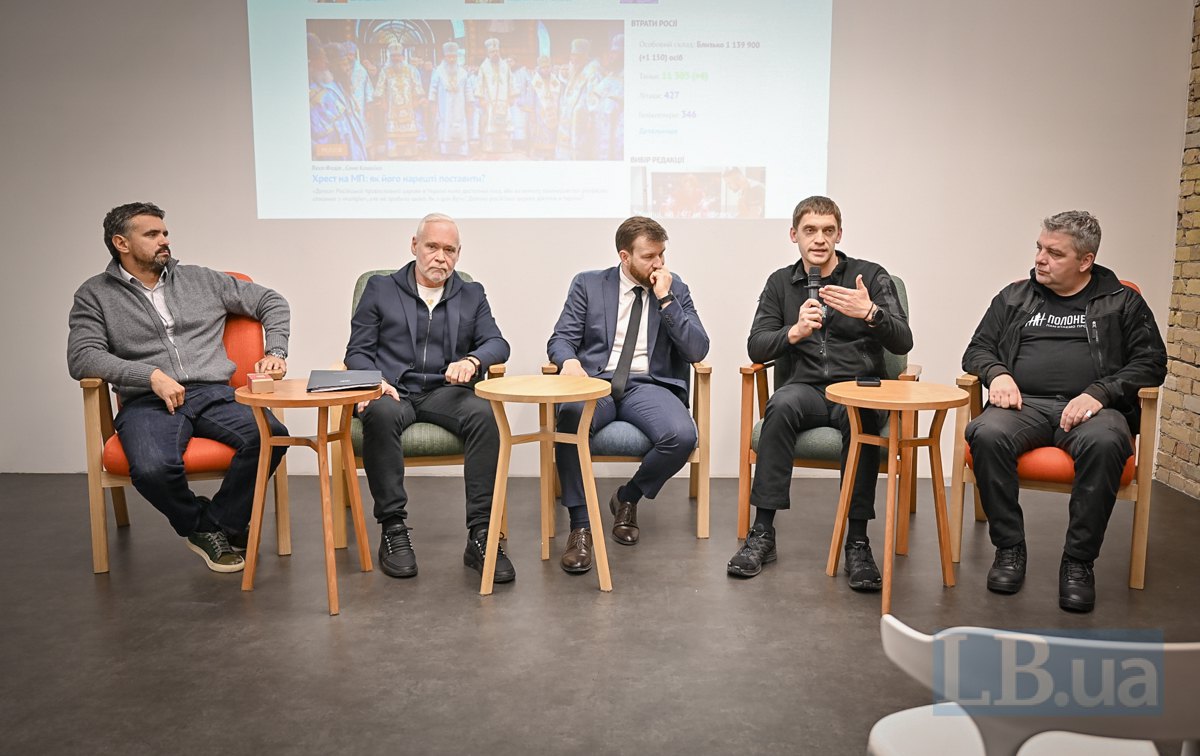
How free travel in Kharkiv divided the audience
"You understand that every subsidised 8 hryvnyas (the cost of travel on public transport in Kyiv — Ed.) is money that you are not collecting, it is drones that you could buy with the Kharkiv city budget, send to the military and thereby save their lives and Ukrainian territory. You understand that this is social populism. And the same thing is happening at the state level," appealed Hlib Vyshlinskyy, director of the Centre for Economic Strategy, to the mayor of Kharkiv.
"We all admire Churchill, a cool guy who promised 'blood, sweat and tears'. I drink tea at home from a cup with a picture of a London shop from World War II, where tea, sugar and everything else is distributed by ration cards. And we haven't raised our tariffs since 2019. Transport is free in Kharkiv and subsidised by about 70 per cent in Kyiv.
Do we understand that we are killing people this way? These are our people who are dying. These are our territories. These are the same IDPs who then come to Zaporizhzhya because our president, our government said: "No, we want to wage war in such a way that the standard of living of our citizens does not decrease, but rather increases," Vyshlinskyy reacted harshly to the Kharkiv initiative (and this was even before the announcement of the government's "winter support" programme and "Ukrzaliznytsya-3000". — Ed.).
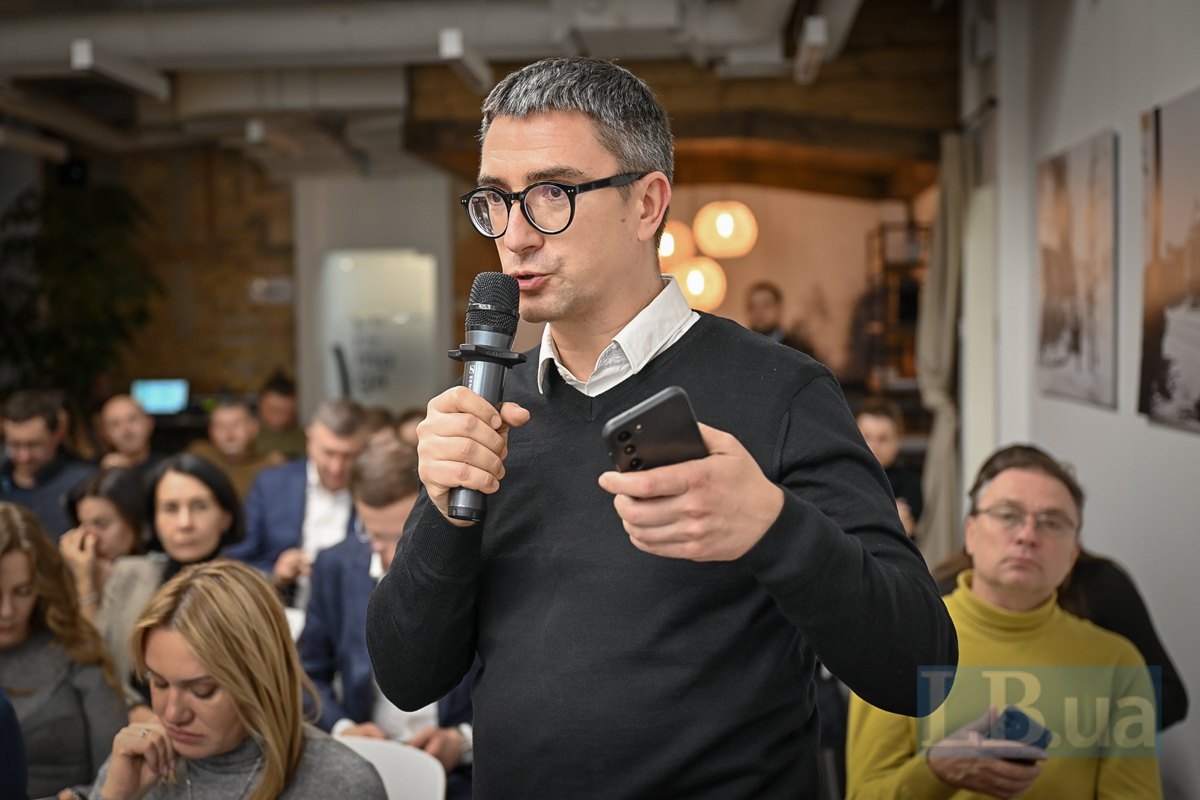
Social Policy Minister Denys Ulyutin also mentioned populism as a typical problem of social policy in Ukraine. According to the minister, it is precisely because of populism that the country constantly falls into a "budget trap" and still has no discussion about raising tariffs, which have long been out of line with market prices.
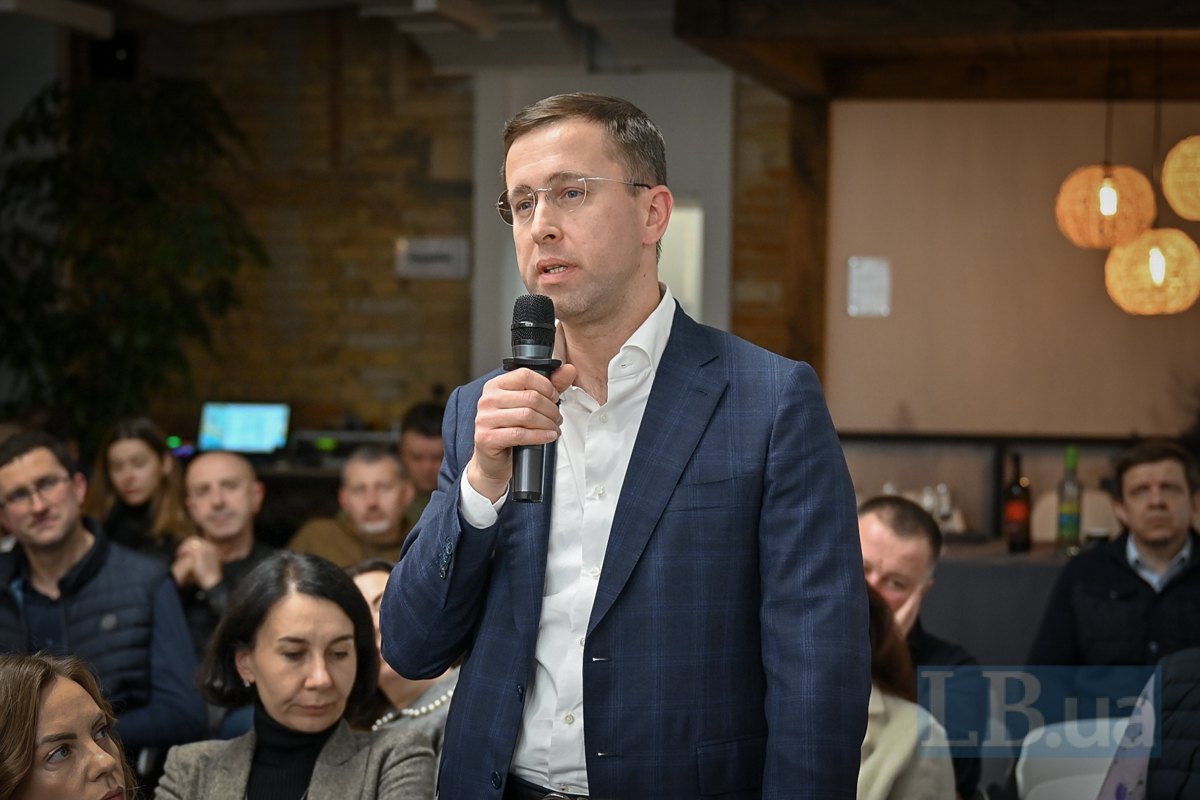
Ihor Liski, chairman of the supervisory board of the investment company EFI Group, tried to assess free travel in Kharkiv from a business perspective.
"If we disregard the fact that people will evaluate the actions of local authorities in the upcoming elections, the main question is the effectiveness of such a step for the entire system," Liski said. "Why did the large Soviet planned system lose to the Western one? Because there was no self-regulation. And the business model provides it. I believe that the authorities elected by the local community, especially during wartime, living alongside the people and understanding their needs and problems, have the right to make such decisions and take responsibility for them. The main thing is that this step does not come at too high a price due to a loss of efficiency. For example, when the question arises of whether to renew transport, which routes to use and who should travel.”
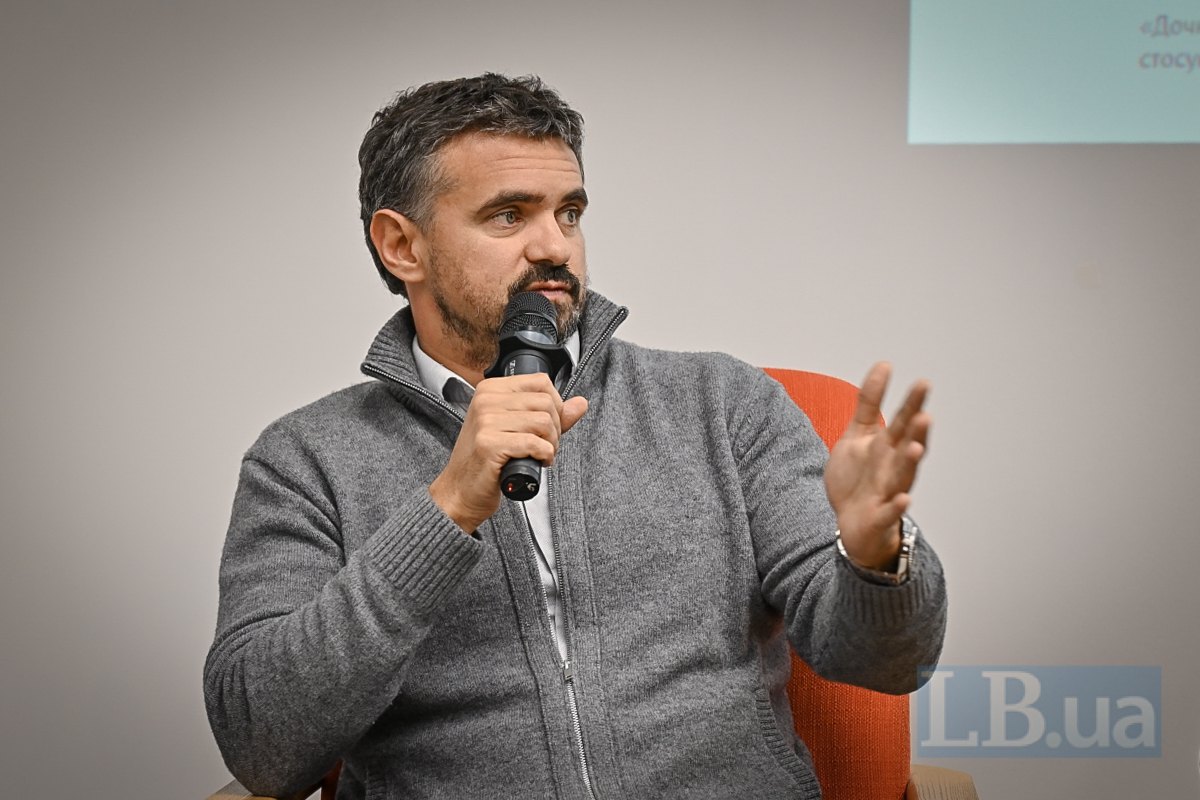
Oleksandr Slobozhan, executive director of the Association of Ukrainian Cities, also sided with Ihor Terekhov.
"All the measures implemented in Kharkiv increase people's purchasing power and support, and in no way kill Ukrainians. Mathematically, this model is unique. I personally suggest that other measures replicate it," Slobozhan said.
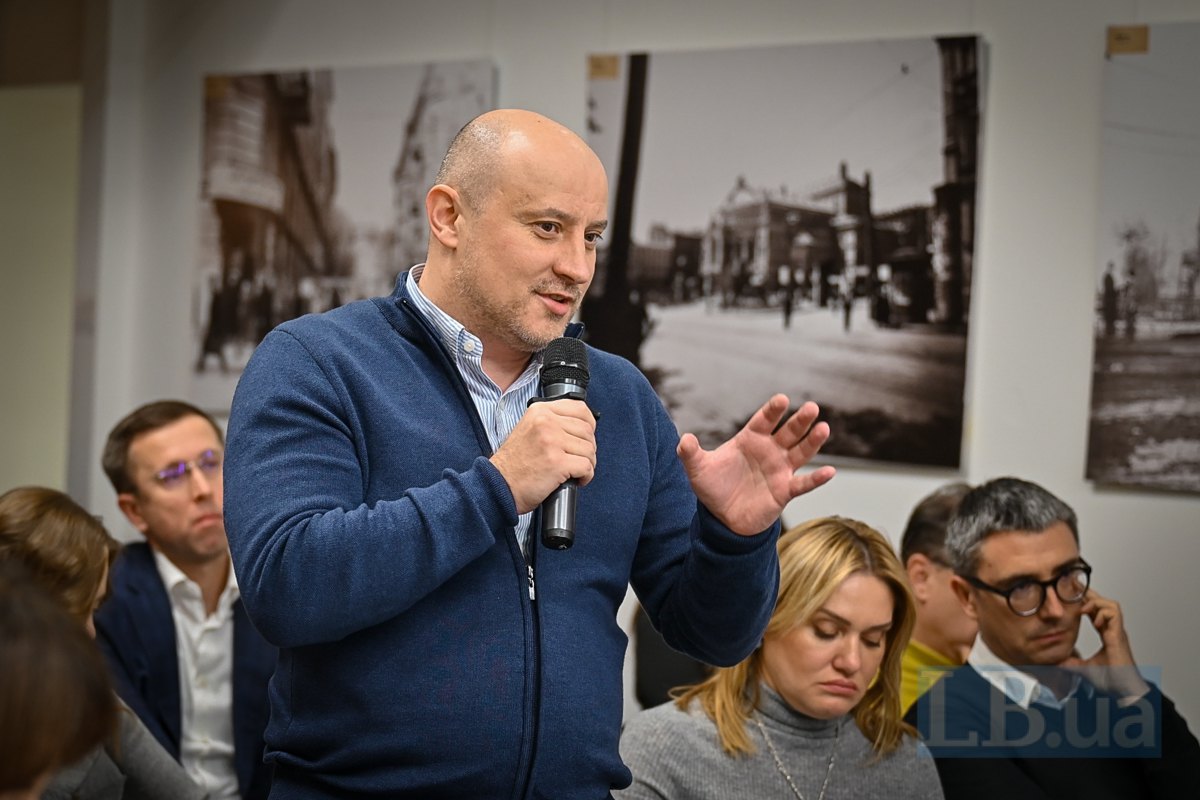
The mayor of Kharkiv was supported by Yuliya Orlova, CEO and co-owner of the Vivat publishing house, who is also from Kharkiv. She compared the discussion about free travel to the discussion about the advisability of planting flowers in a frontline city.
"Kharkiv is the cleanest city there could be. I absolutely agree that it is very important for us to keep people working and staying in the city. There are no longer people who just ride the metro. There are so many alarms that it is difficult to work.
Remember, there was a lot of talk about whether it was necessary to plant flowers. As a Kharkiv resident, I can say: it is absolutely necessary, because we need to live, not just survive. When I see how social services work in the city, I stay, and my whole team stays," Orlova said.
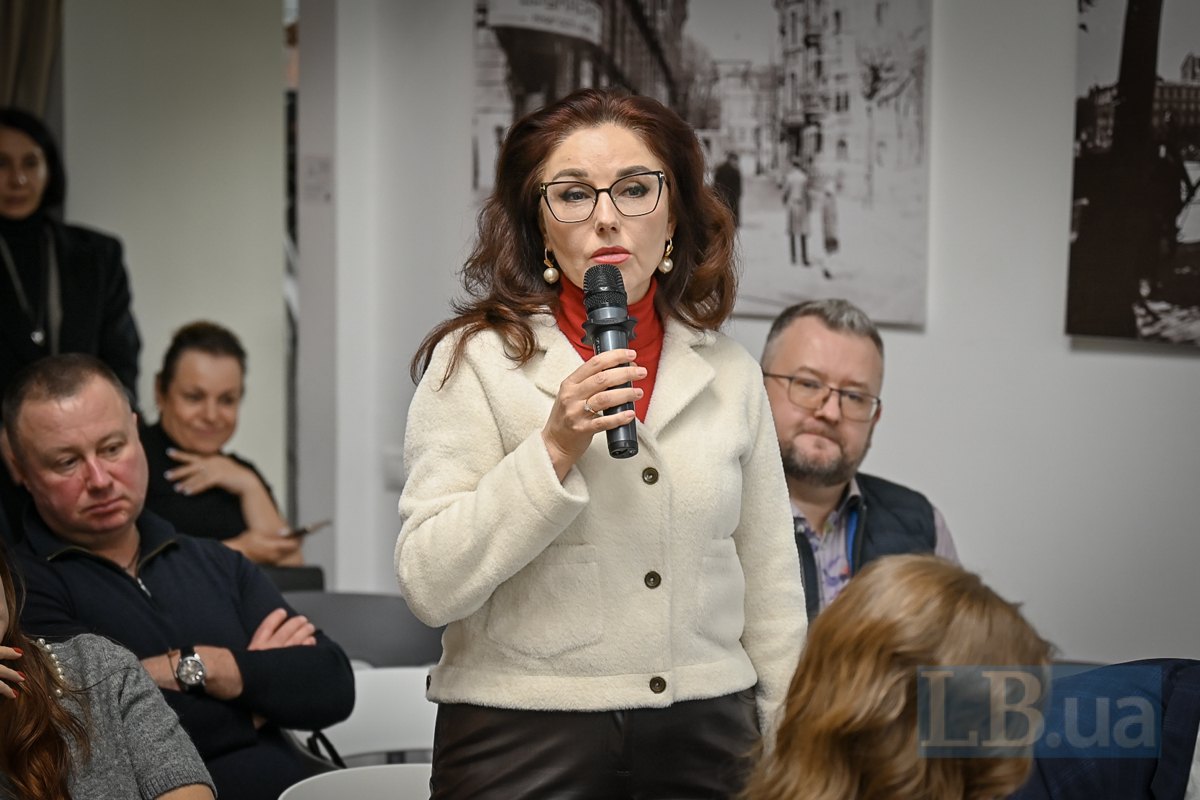
Ihor Terekhov himself responded to accusations of populism.
"You certainly cannot accuse the city of Kharkiv, the people of Kharkiv, and me, the head of this city, of being unpatriotic, because we have been helping the military since the very first minute of the war.
And if it weren't for the cooperation of all municipal services, without exception, with the military of the 92nd Brigade and territorial defence fighters, when there were queues at the military registration offices, we would not have defended Kharkiv. When we dug trenches under bombs and bullets, when people were dying...
Today, our people, the families of military personnel, have the right to travel for free. That is the first thing. Secondly, I emphasise once again — this is municipal transport. We have not given anything to anyone. Moreover, we are installing our own power generation today to reduce the burden on the budget.
As for how much we are helping the military and military units today... Despite the fact that there were some agreements, then others; yes, we do not have military income tax, but every day we transfer funds to the military. This week — 30 million. We do not purchase anything for them, because I have agreed with the military units: come — letter — subsidy. You understand what you need to purchase. Therefore, we help, just like other cities and territorial communities," the mayor of Kharkiv noted, not without a raised tone.
"Our people have the right to social protection. And we, as a local community and a group of deputies, voted for free travel, and it will happen. Families of military personnel live here, and many military personnel come to Kharkiv," the mayor said indignantly. "What are we protecting? Our territories? But without people, what are these territories? Scorched earth? We don't need that. We need to keep the territory together with the people," Terekhov concluded the discussion.
Social justice and tariffs
The topic of tariffs, raised by the Minister of Social Policy, Family and Unity Denys Ulyutin, also became a separate branch of discussion.
The minister is convinced that without resolving the issue of fair tariffs, it is impossible to establish justice in the country. "If we do not raise tariffs, it means that the poor are paying for the rich. This is a distortion of social justice," Ulyutin noted.
"A financial model where you sell something cheaper than it costs (for example, gas at 7.96 UAH per cubic metre, when the market price is several times higher — Ed.) does not work. We will return to what we had 35 years ago. Such a model is not about justice, it is about "leveling." And that is always bad. We will never get to the point where everyone starts thinking for themselves," said the head of the Ministry of Social Policy.
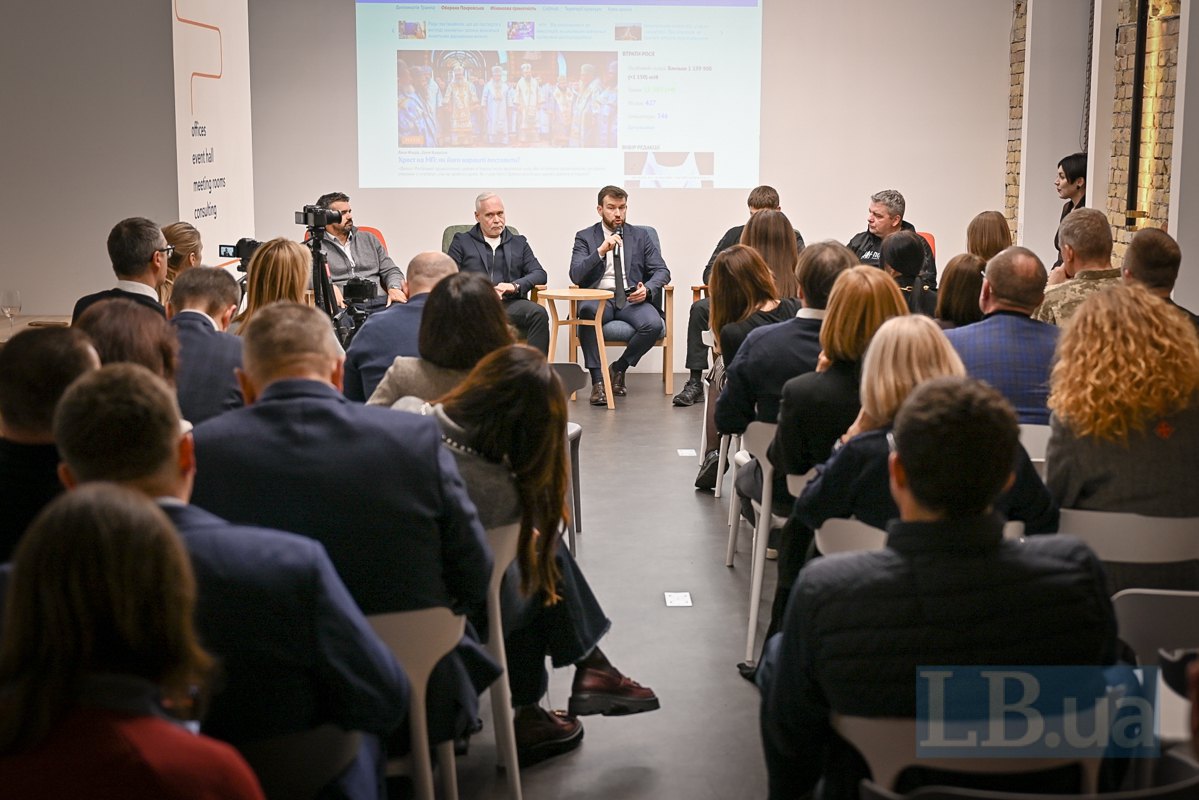
Market tariffs were also supported by Ivan Fedorov, head of the Zaporizhzhya Regional State Administration.
"My opinion is unpopular. But I am in favour of everything costing what it actually costs. If we want to consume high-quality water, it has to cost money. If we want heat in our homes, it has to cost market prices. And people who are unable to pay for it should receive compensation from the state. Those who can pay should pay without compensation. We cannot all pay the same 10 hryvnya per cubic metre of water — those who earn $1,000 and those who earn $100. Today, Zaporizhzhya’s local budgets subsidise utility companies to the tune of one billion hryvnya. This is impossible," Fedorov believes.
If there is a moratorium on tariff increases, there must also be compensation from the state, said Kharkiv Mayor Ihor Terekhov. In addition, he added, the issue of increasing the price of gas transit is being raised again.
"That is, there will be a huge gap between the price at which we sell heat to individuals or businesses, and who will pay for it? These are very important issues. They need to be resolved in a balanced manner so that during the war there are no problems on the part of social services, the population, or businesses," said Ihor Terekhov.
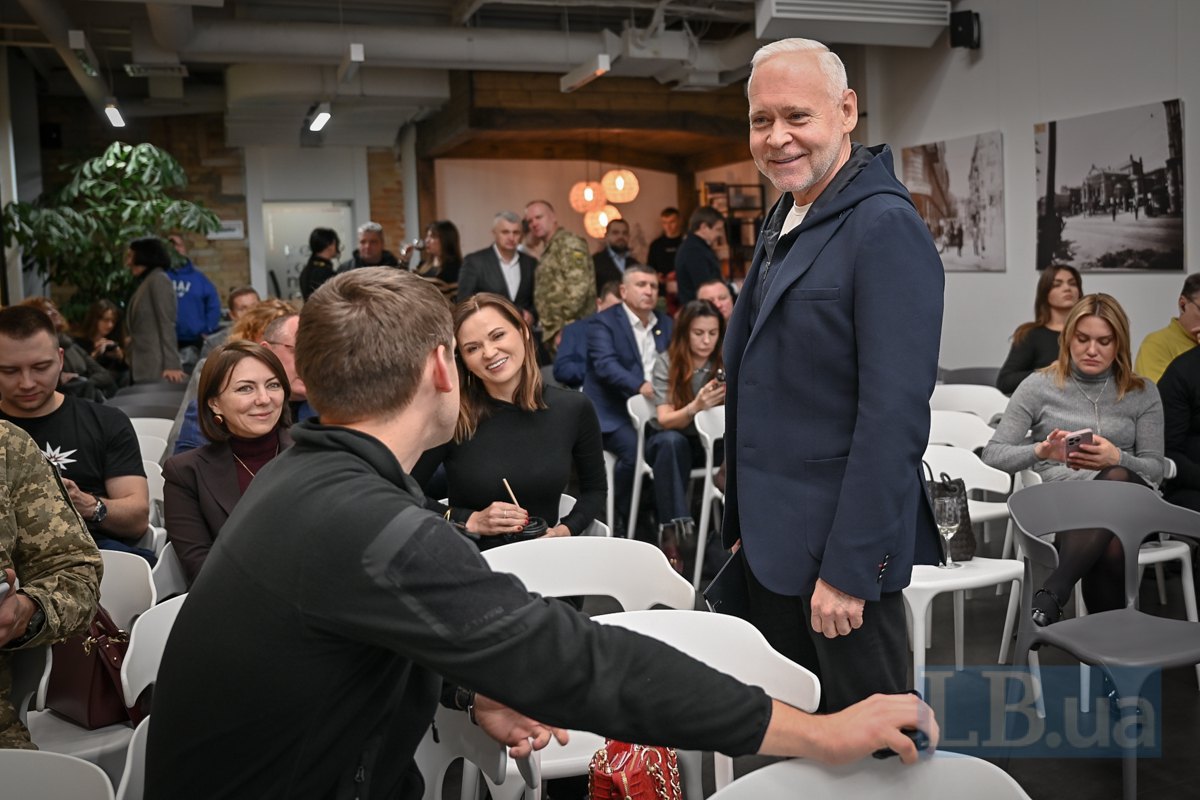
Serhiy Koretskyy, head of Naftogaz, reminded everyone that there's a moratorium, and gas is being sold at a "special price, which is a special decision to support Ukrainians and get through this tough time.”
"However, I want to say that Ukrainians are paying for gas. Except for the Donetsk and Kherson Regions, where the payment rate is slightly lower, they are paying 100%. I will never believe that citizens are paying for gas but not paying for other utilities. I am sure that payments for heating services are also sufficient. But the fact is that we are not being paid for gas. Especially in terms of RBT (settlements for the difference in tariffs; debt that accumulates due to the difference between the actual cost of utilities and the approved tariffs. — Ed.), where there is a huge debt," said the head of Naftogaz.
The lack of funds is particularly felt since the Russians began destroying production facilities, he added.
"Seven attacks in October. Unfortunately, a lot has been destroyed. The number of Shahed missiles has multiplied, tactics have changed, and the scale of attacks has changed for the worse for us. There is destruction. Now we are importing again. The additional need is about 90 billion hryvnia. The government, together with Naftogaz, is doing a lot to attract this money. Therefore, calculations are extremely important in order to purchase the next volume, despite the fact that we are buying it at market price and selling it at a fixed price," said Serhiy Koretskyy.
At the same time, he once again appealed to citizens to be economical in their gas consumption.
Social justice and business
Business today, noted Ivan Fedorov, head of the Zaporizhzhya Regional State Administration, is the least socially protected category from enemy attacks.
"While we are able to compensate residents for their losses — some more, some less — we are unable to compensate businesses at all. And we cannot insure them either," Fedorov stated.
Kharkiv, looking for a way to keep businesses in the city, has abolished local taxes and fees for all enterprises, said Ihor Terekhov.
"Businesses now have working capital. And when they consider whether to leave the city, they say, 'Perhaps we will stay after all'. And I am very grateful to our businesses, which are working and not leaving the city despite everything. After the shelling, we simply board up the windows, and they continue to work. This is very important," says Terekhov. According to him, 9,000 sole proprietors were registered in the city in 2025 alone.
However, according to the head of Kharkiv, the state should compensate the city for these benefits. In addition, insurance against military risks would be an additional incentive for businesses to stay, he noted.
This would be an incentive to remain not only in the frontline territories, but also in Ukraine as a whole, rather than relocating to Poland or Romania, noted businessman Ihor Liski, because today this is "the main component that, through the payment of taxes, supports the state and the Armed Forces of Ukraine."
He believes that no businessman in Ukraine can currently insure his property on his own — he cannot bear the additional burden. But the state will not be able to insure everyone either, Liski is sure.
"I was involved in developing initiatives by the Cabinet of Ministers to try to insure everything. I don't really believe in it, but some kind of insurance mechanism is needed.
I would pay particular attention to insuring those who are starting something new, i.e. taking on additional risk. I am sure that this is already a mechanism for growth, because all normal investors, except for a few "crazy" ones, are waiting for the end of the war to reduce this risk. Because we will not be able to insure everyone. That is a utopia.
And focusing on those who are ready to take economic risks now seems to me to be a more appropriate tool. It will give society much more in terms of new jobs and will be able to attract new investments, including foreign ones," the businessman noted.
Justice as a security component
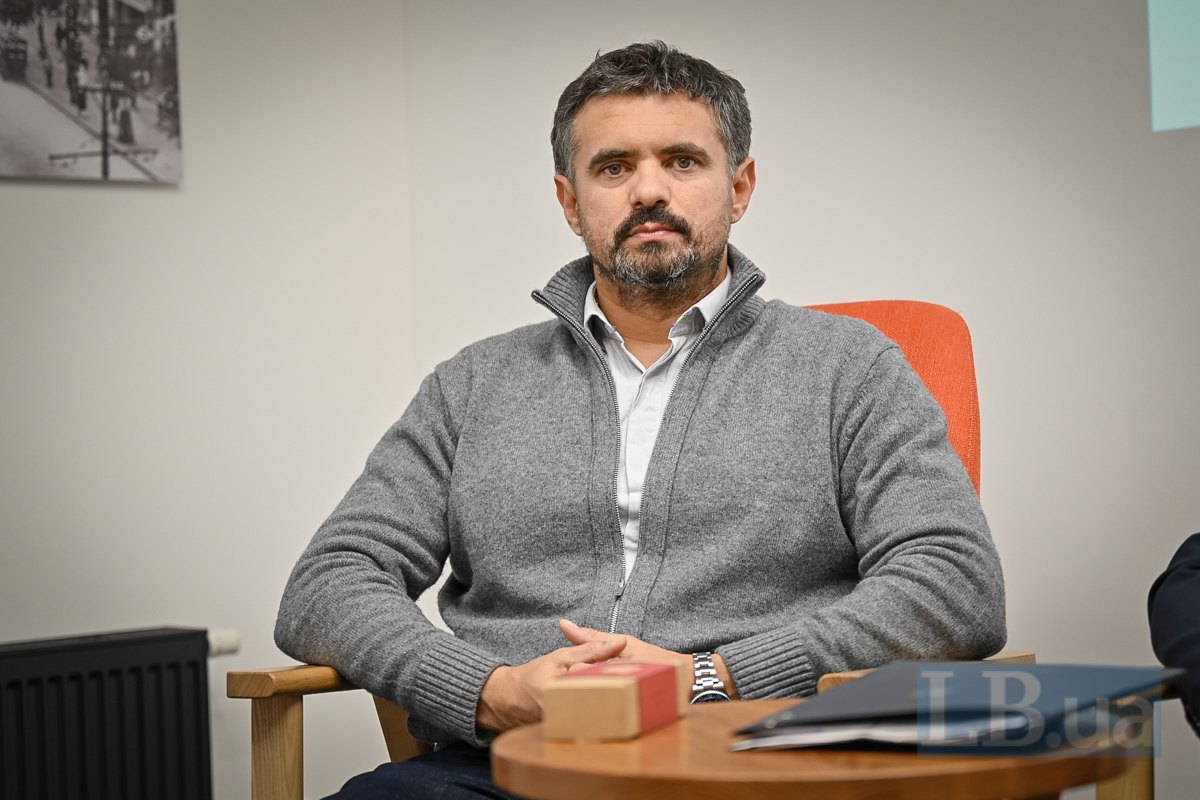
Another crucial aspect of the topic under discussion was highlighted by human rights activist and co-founder of the Zmina Human Rights Centre, Maksym Butkevych: he is convinced that national justice is a security concept.
Firstly, the topic of social justice/injustice was one of the main topics of conversation among military personnel and civilians in Russian captivity, although the phrase itself was not used, says the human rights activist.
"But this topic was central to the conversations. They talked about medical care; about, to paraphrase, decent pay and labour rights, because most of the Ukrainian military personnel I was held captive with were people who were not professional soldiers and never intended to be. These are mainly people who work with their hands, not only, of course, but they are builders, miners, drivers, farmers. Teachers too. All kinds of people. People with different life experiences, but all with a huge demand for social justice.
They aspire that when they are released, they will return to a country that is not only better and independent, but also more just. Including for them, for those who have gone through that life journey," said Maksym Butkevych.
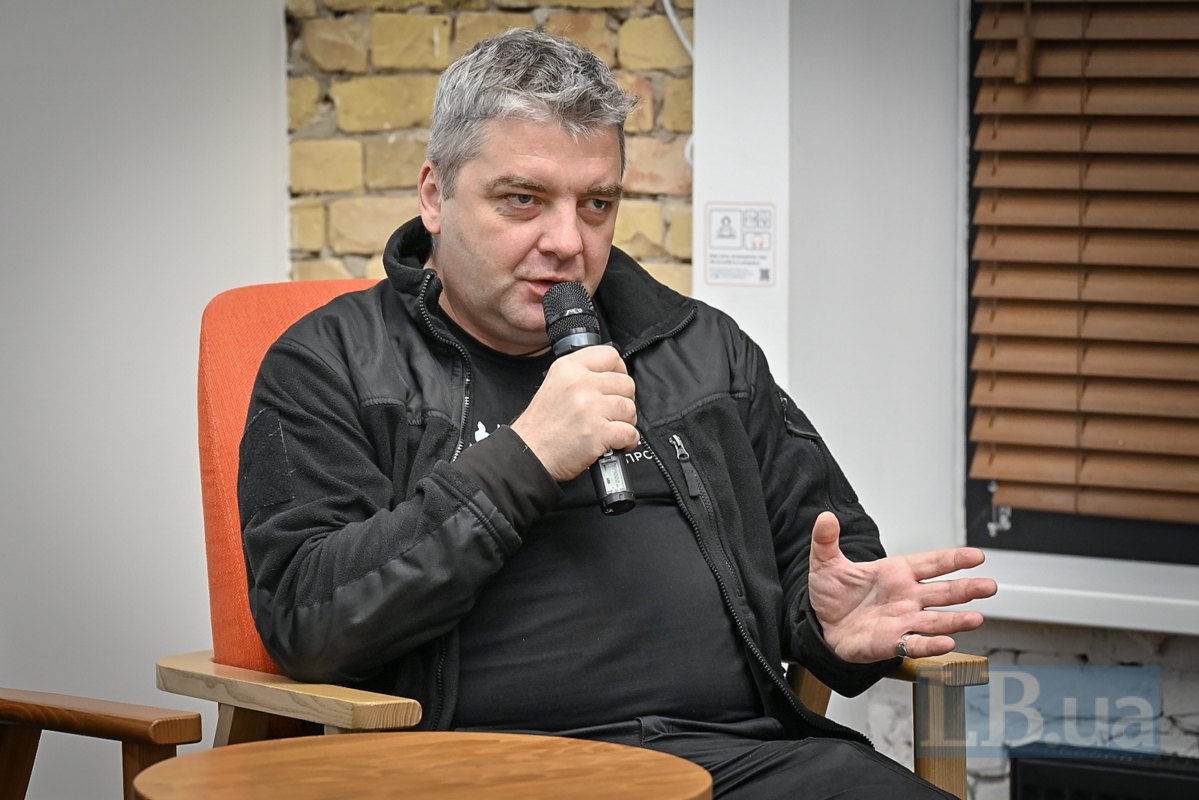
Secondly, the human rights activist adds, Russian propaganda actively uses the issue of social injustice in Ukrainian society to put pressure on Ukrainian prisoners of war.
"When we were captured and then ended up in the Luhansk pre-trial detention centre, we were interrogated constantly for the first couple of weeks. In addition to obtaining significant military information, most of these interrogations were aimed at convincing Ukrainian prisoners of war that they had made a mistake in going to defend Ukraine.
The more obtuse ones insisted that we share the Orthodox faith, are "one people" and "one language" — that's all. Considering that some of the guys were Greek Catholics, and some were generally sceptical about religion, this did not work.
But the smarter ones began to say, "Look at the gap between the rich and the poor, at the oligarchy, at the corruption; your state does not exist because you, the workers, farmers, drivers, builders, have nothing in it. You are simply a service force for those who really own the country, and when the war started, you were used as cannon fodder."
I saw (it was unpleasant to see) that for some people this could work, because they began to think about it, analysing their previous life experience. Because from the point of view of guarantees of their rights, not only civil rights and freedoms, but also labour and economic rights, their experience with corruption, their life experience whispered that he (the Russian overseer — Ed.) might not be so wrong. Maybe he is right about something.
There was no one who would listen to this. But it worked much more. Why? Because all these people have a huge demand for social justice in its various forms, for respect for their dignity," said Butkevych.
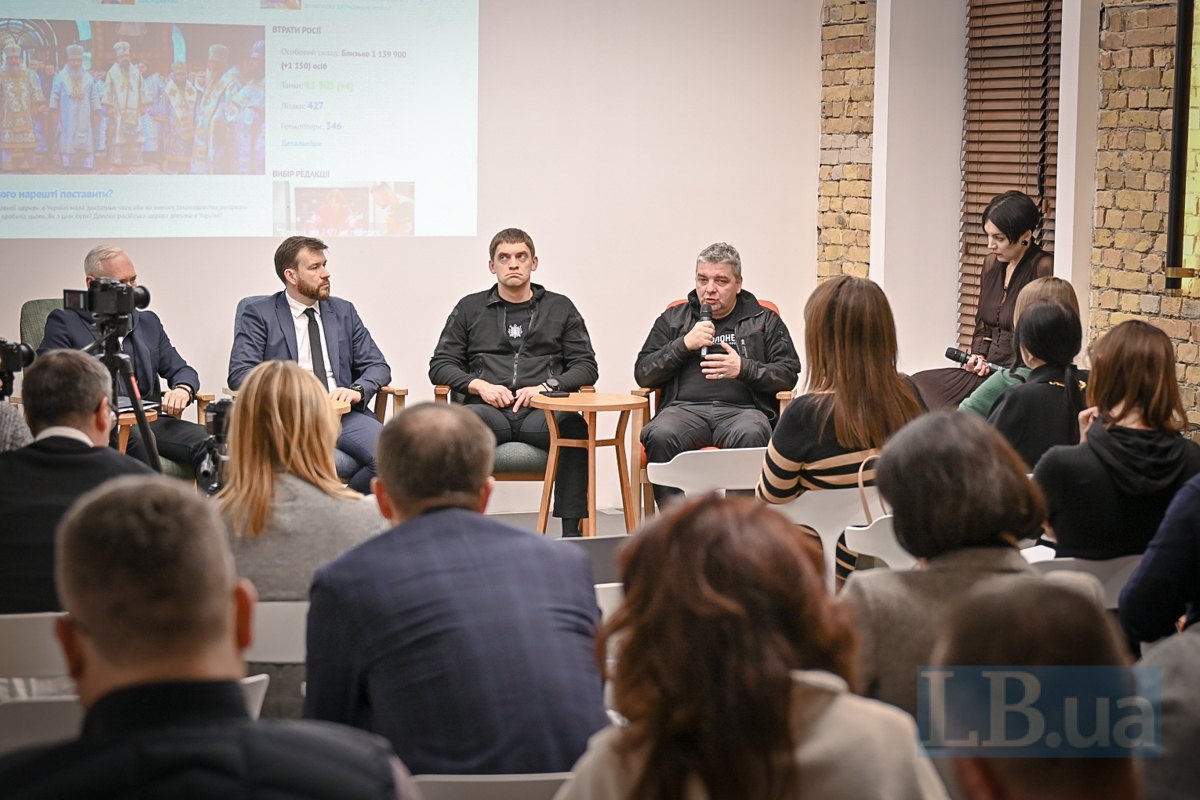
Every prisoner of war, the human rights activist emphasises, believes that when they return to Ukraine, for which they were captured, many of them wounded, they will have the opportunity to live a dignified life and do something to ensure a dignified life for their children. Therefore, the concept of social justice, Butkevych emphasises, including justice for military personnel, is a security concept.
"We do not have a dichotomy: either we survive as a state and therefore have to support the military, or we will pay more attention to social justice. People need to be motivated; they need to understand why they are defending their country, beyond just a sense of patriotism.
Patriotism is good, but it has practical dimensions. My country is better because I feel like a worthy member of the community in it. I have opportunities in this country, for myself and for my children. And that is why I will go to war for it, and if necessary, I will defend it. If people are demotivated, it will affect our security and our prospects as a country, as a state, and our defence prospects as well," notes Maksym Butkevych.
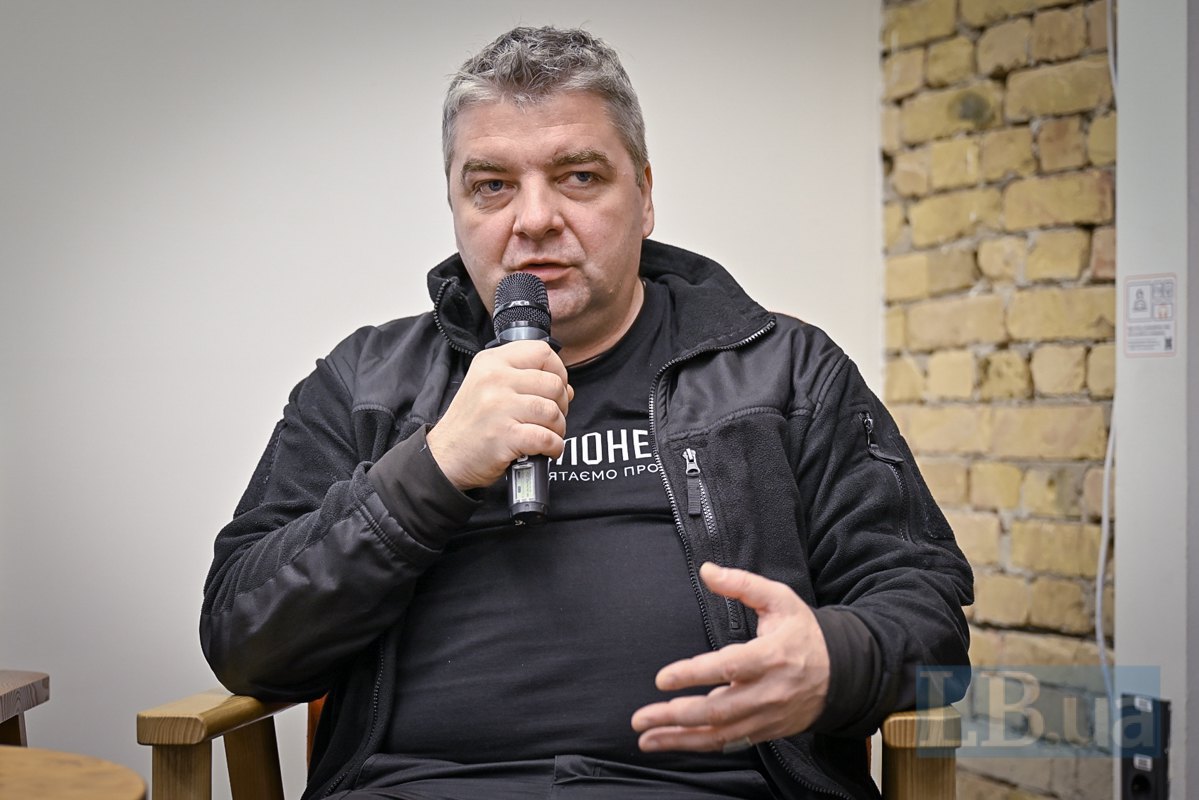
And while prisoners of war, noted the co-founder of the Zmina Human Rights Centre, receive imperfect but systematic support from the state, civilians returning from Russian captivity must first prove on their own that they were imprisoned for their pro-Ukrainian stance in order to receive compensation from the state.
"This is often not easy to do. No one goes to a Russian court and asks for information about why a person was convicted. It is not easy to find witnesses; often, those who were held together are interviewed to clarify the circumstances. Information is obtained from state structures, but this does not always help," says Maksym Butkevych.
Such people are not referred to as prisoners, added the human rights activist, and there are no established mechanisms for their release, because Ukraine cannot exchange civilians for civilians, as Russia once proposed, or civilians for military personnel — then all residents of the occupied territories would become hostages, and the Russian Federation would be able to "grab as many civilian hostages as it wants." And there are thousands of such people, says Butkevych. This is also an element of social injustice, notes the human rights activist.
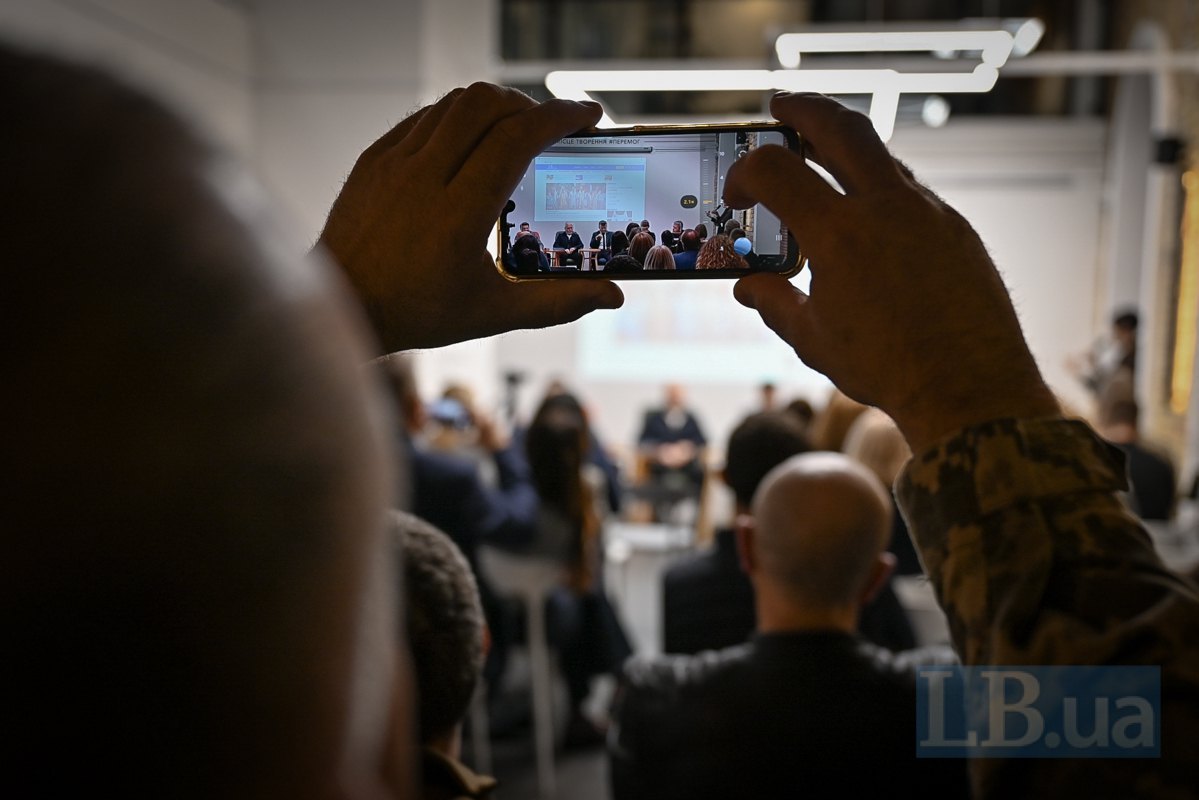
In general, today a huge number of people, including civilians, prisoners of war, internally displaced persons, military personnel and veterans, are demanding decent living conditions. And Ukraine faces an extremely difficult task — to ensure a decent life for this huge number of people. No other country in the world has faced such a challenge in recent decades, noted Maksym Butkevych.
***
We decided to sum up this discussion with a quote from a speech by businessman Ihor Liski:
"Social justice in a country begins with caring about ordinary people. It begins with helping those who really need it, rather than simply distributing everything equally — to the rich and the poor alike — because it's easier that way," he said. He believes that the focus of any social initiative should be on benefiting society, not the states
“In the search for social justice, we all need to answer the main question: how do we live together? What kind of country are we building? How can we ensure that everyone has a dignified place in it? That public transport drivers and military personnel, when the war ends, do not feel abandoned and forgotten, especially those who have lost their health. So that there is an understanding that together we are much more than each of us individually, that together we are a community that has the right to its own state. That if you are mobilised, you are provided with weapons and everything you need. If, God forbid, something happens, society will take care of you," said the businessman.
Video version of the discussion: