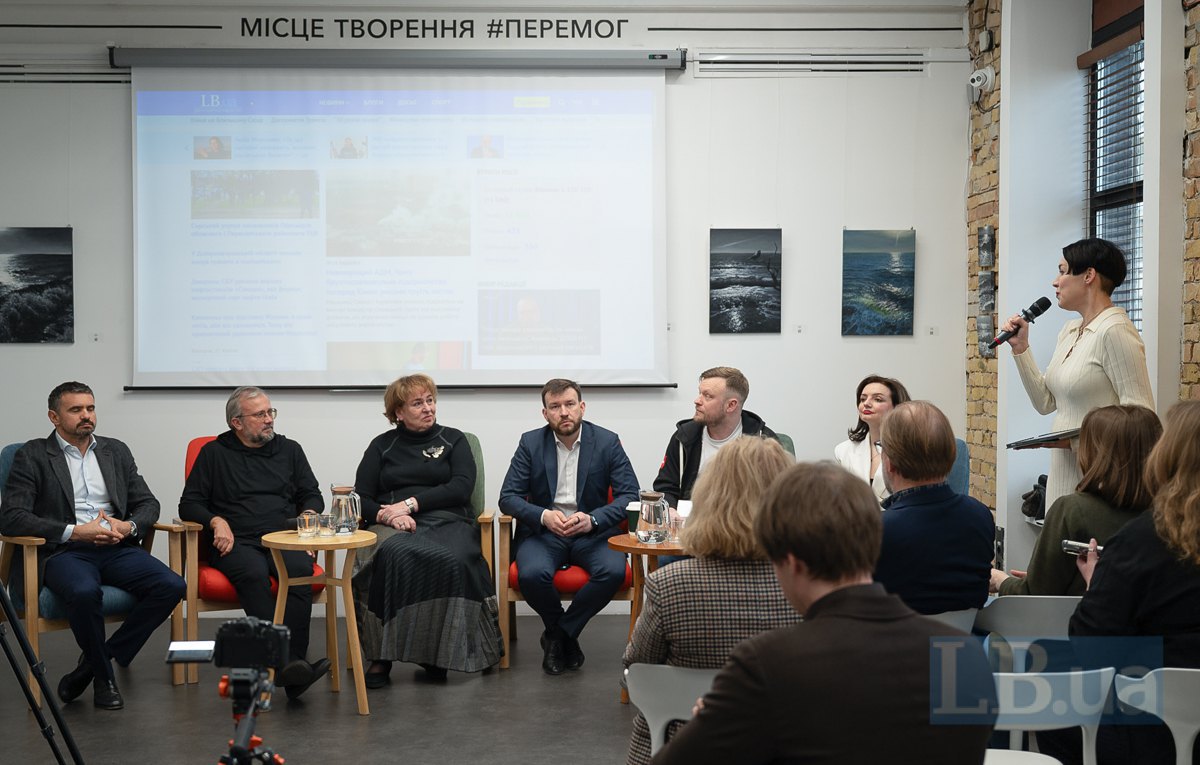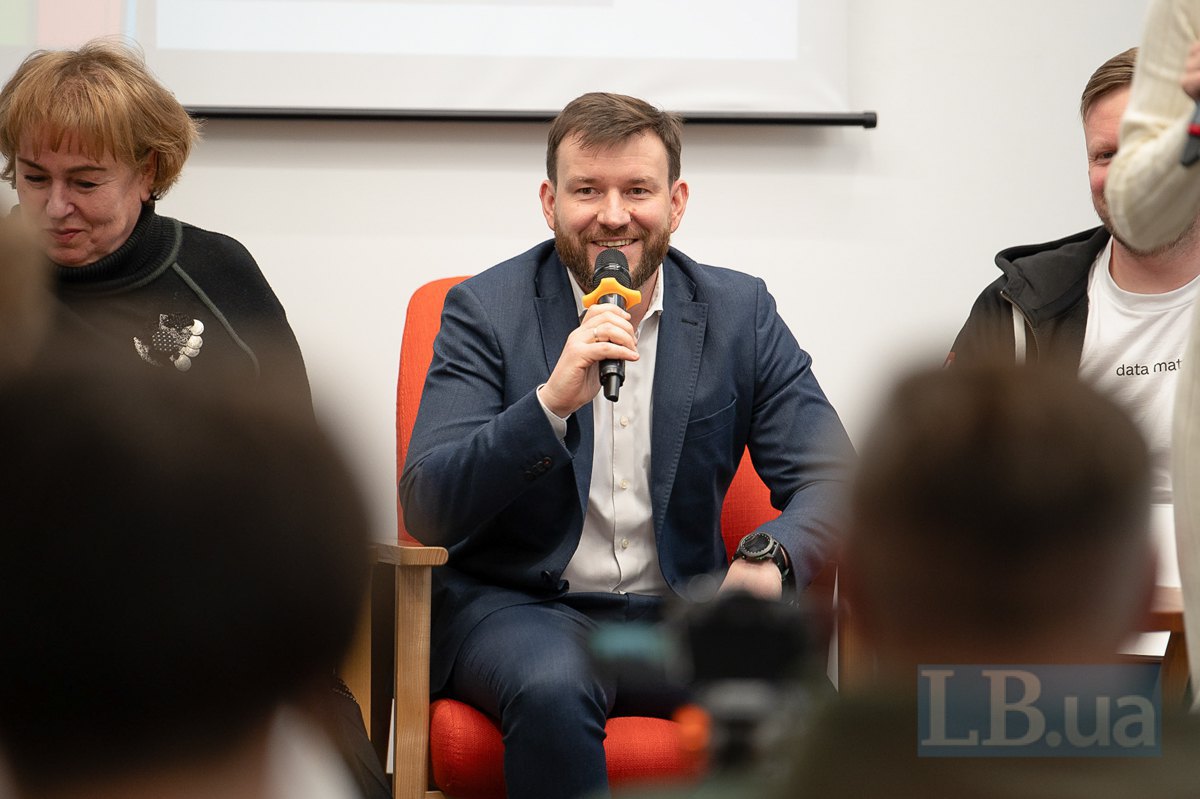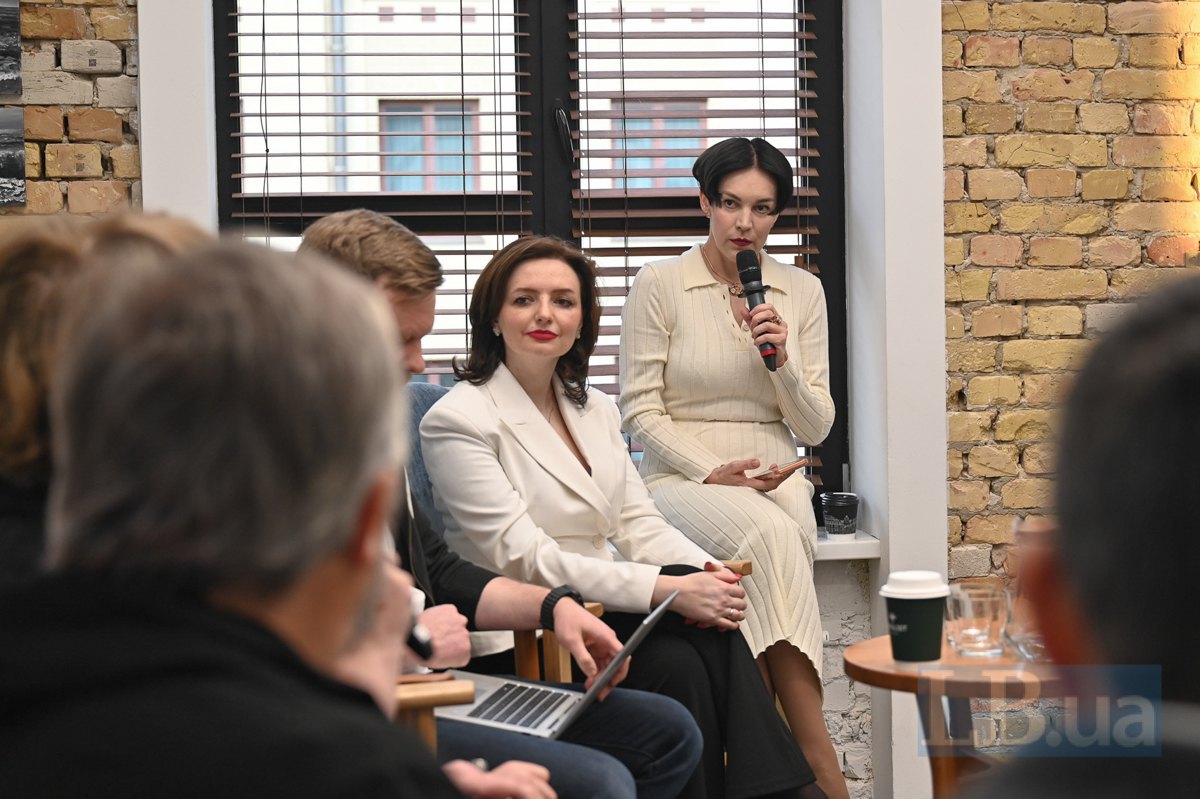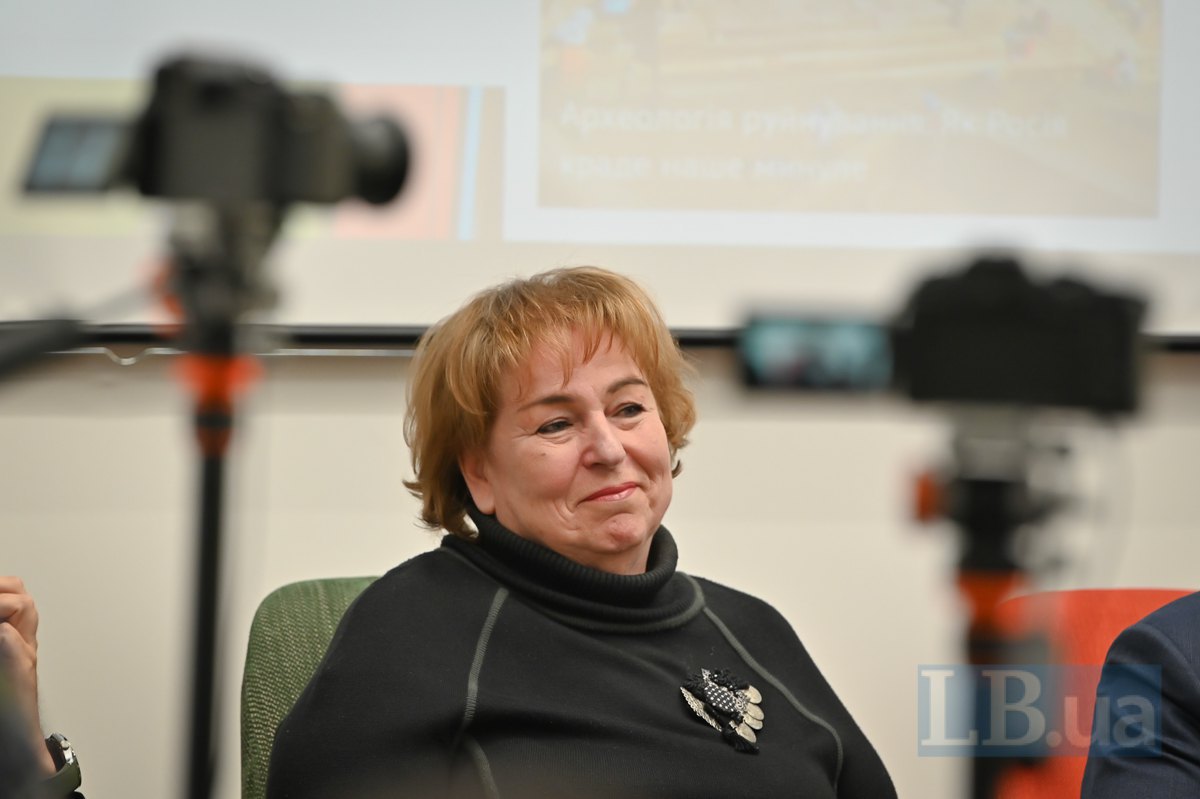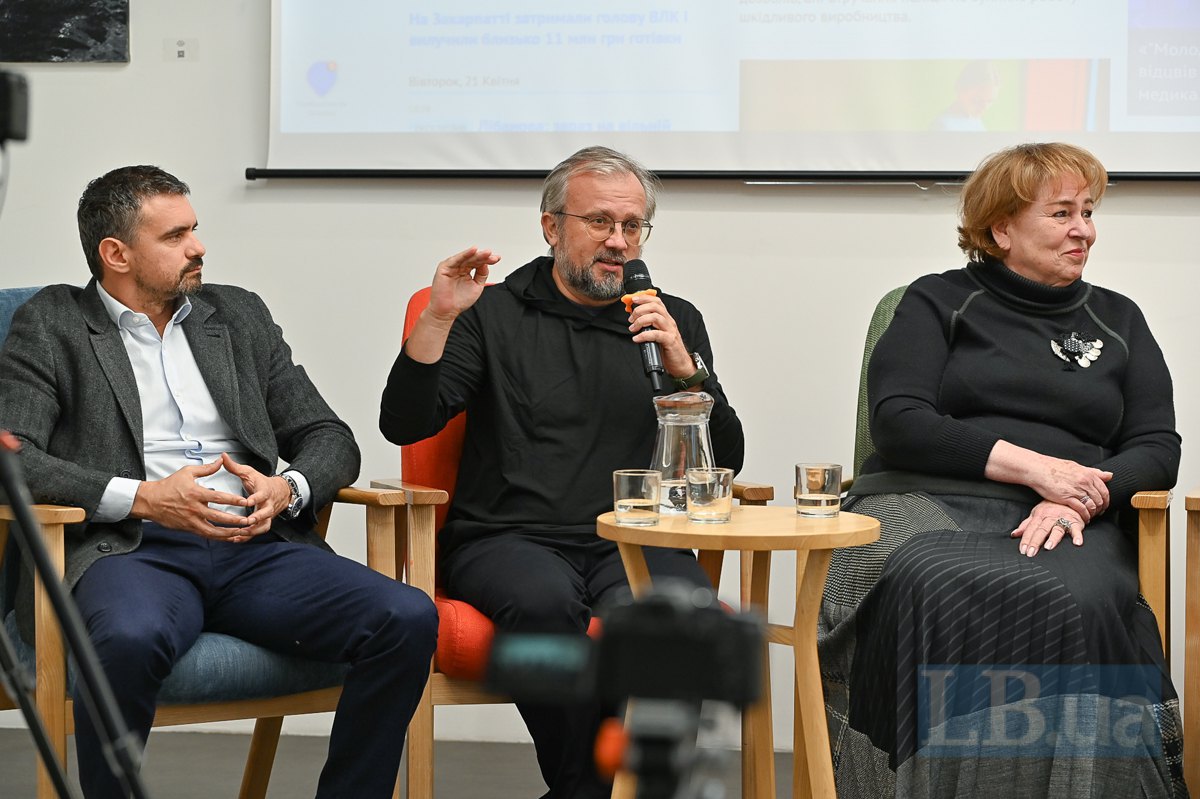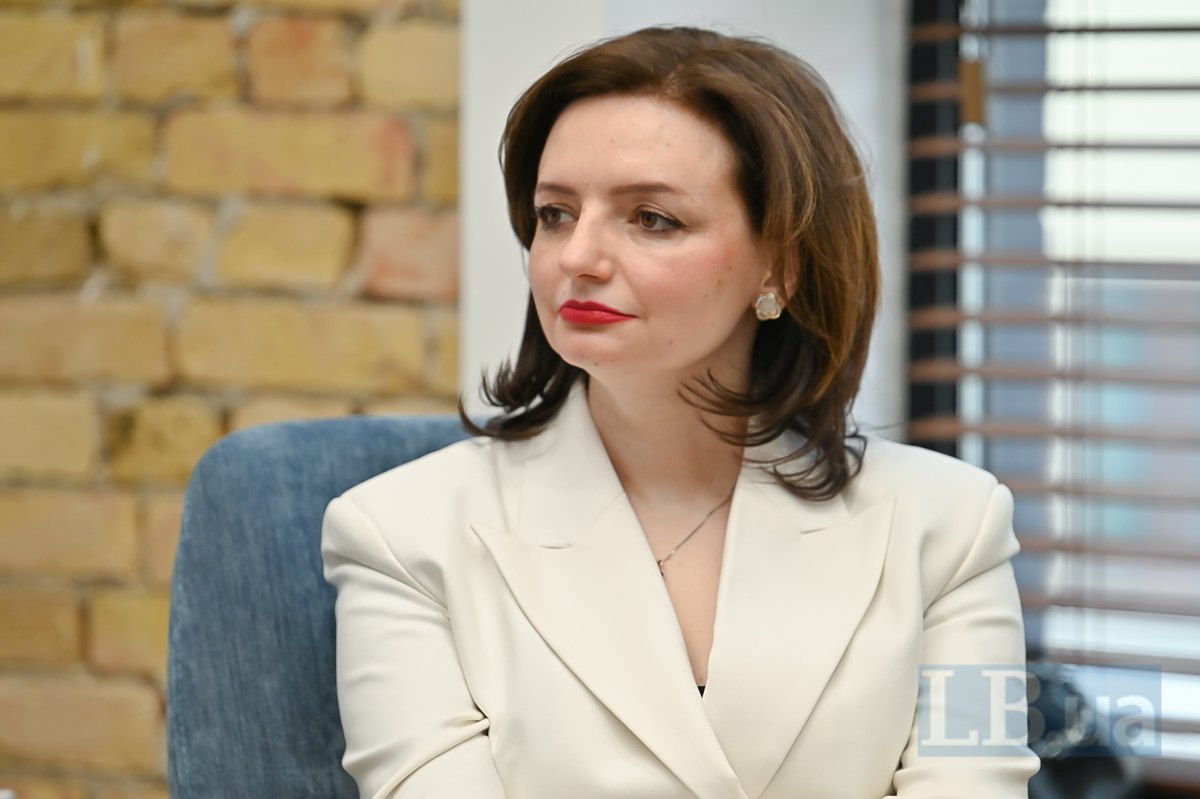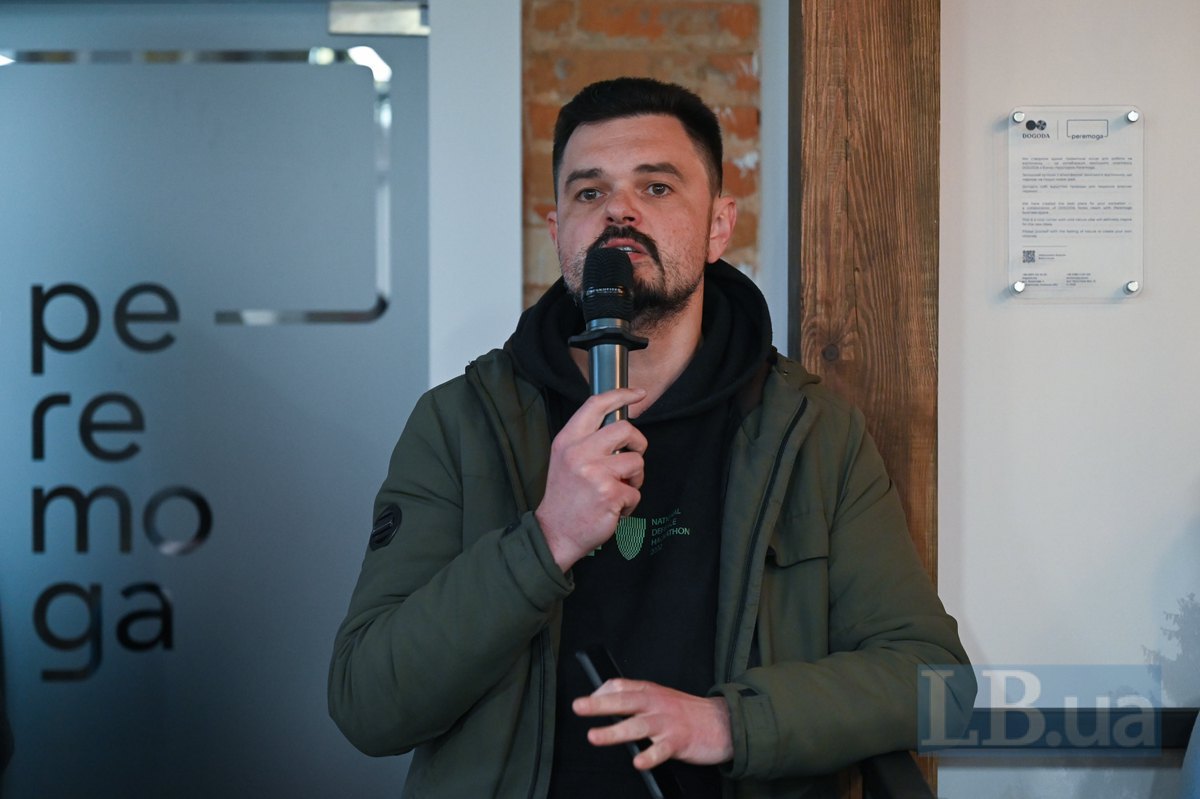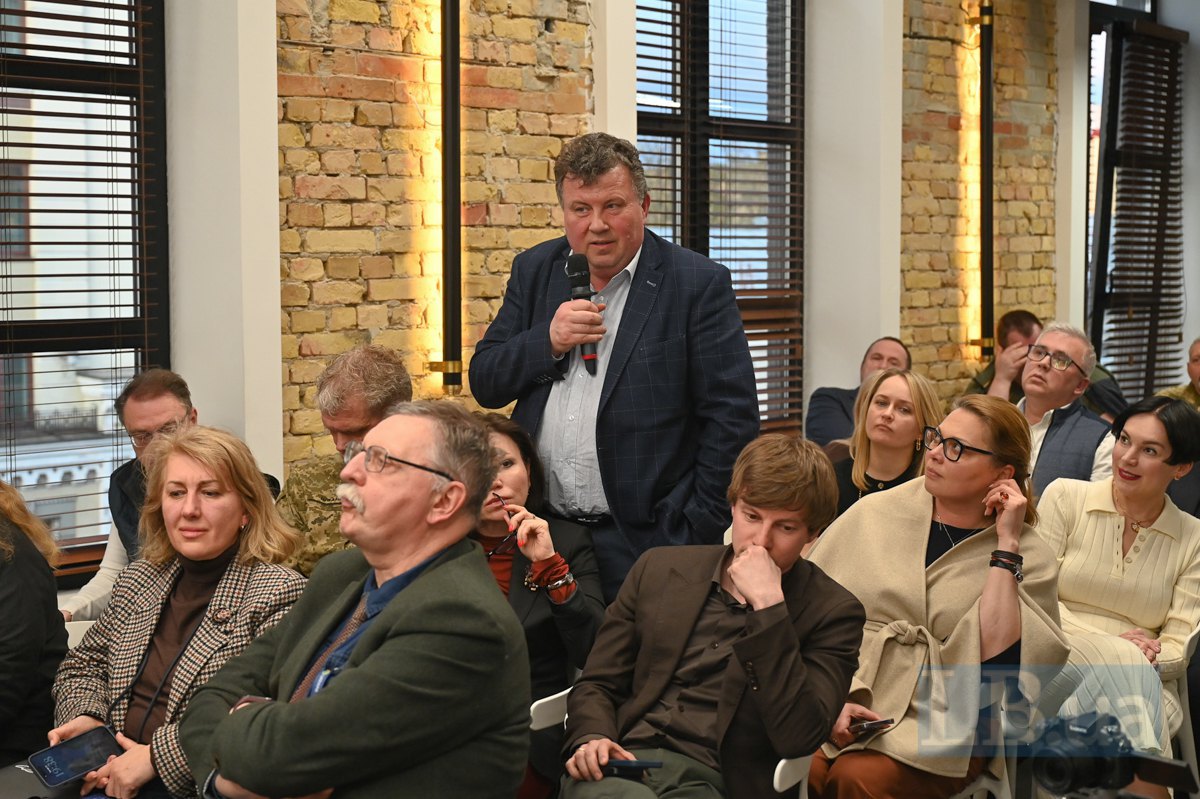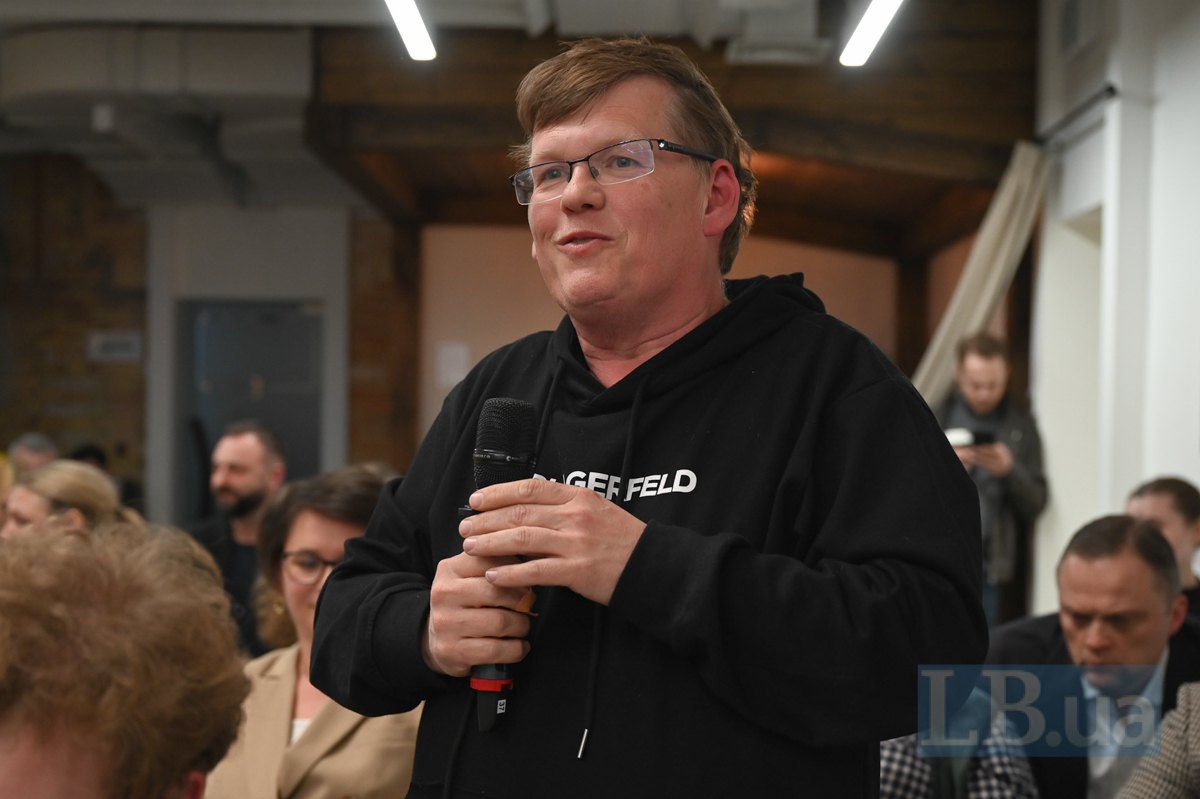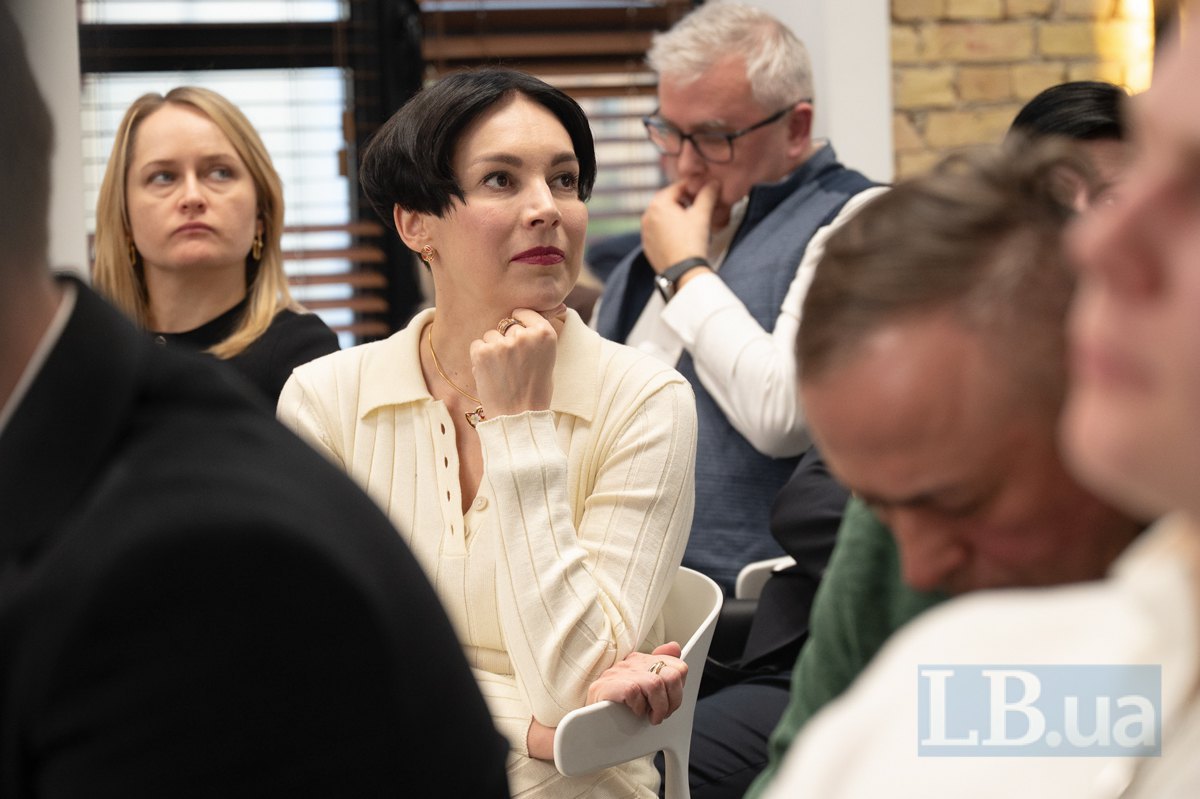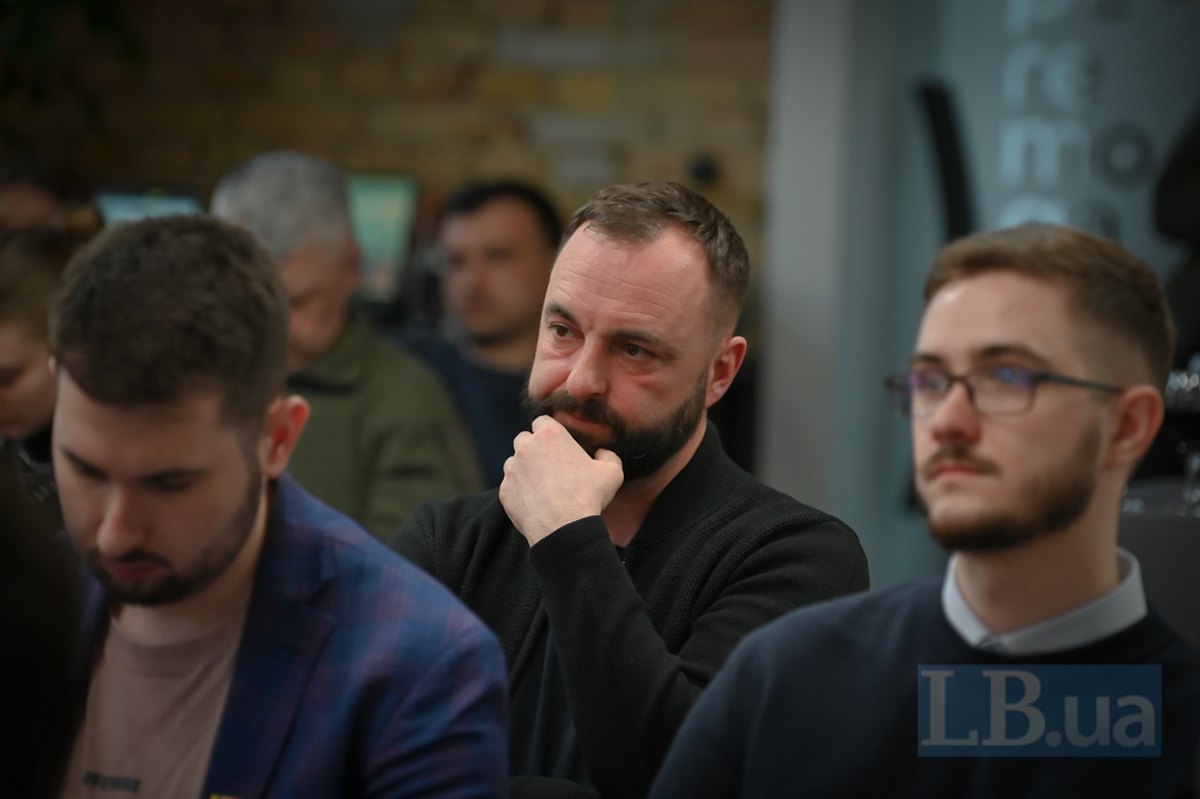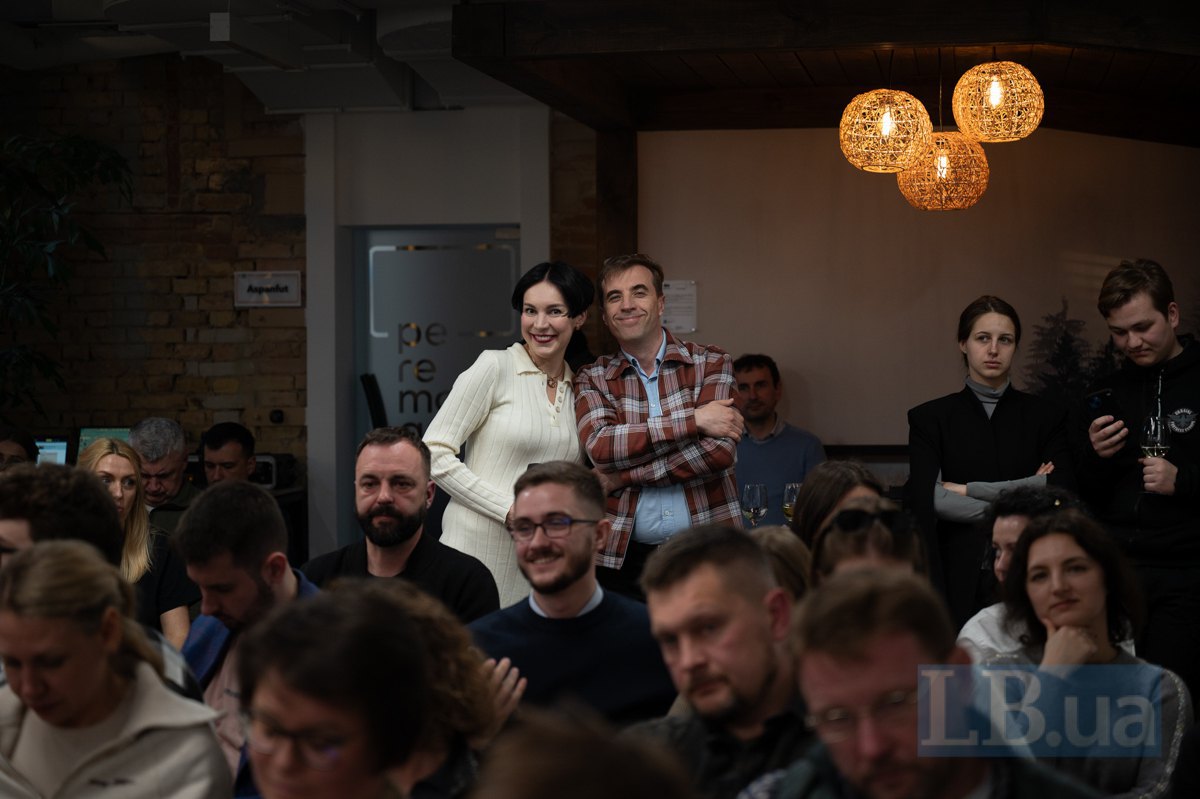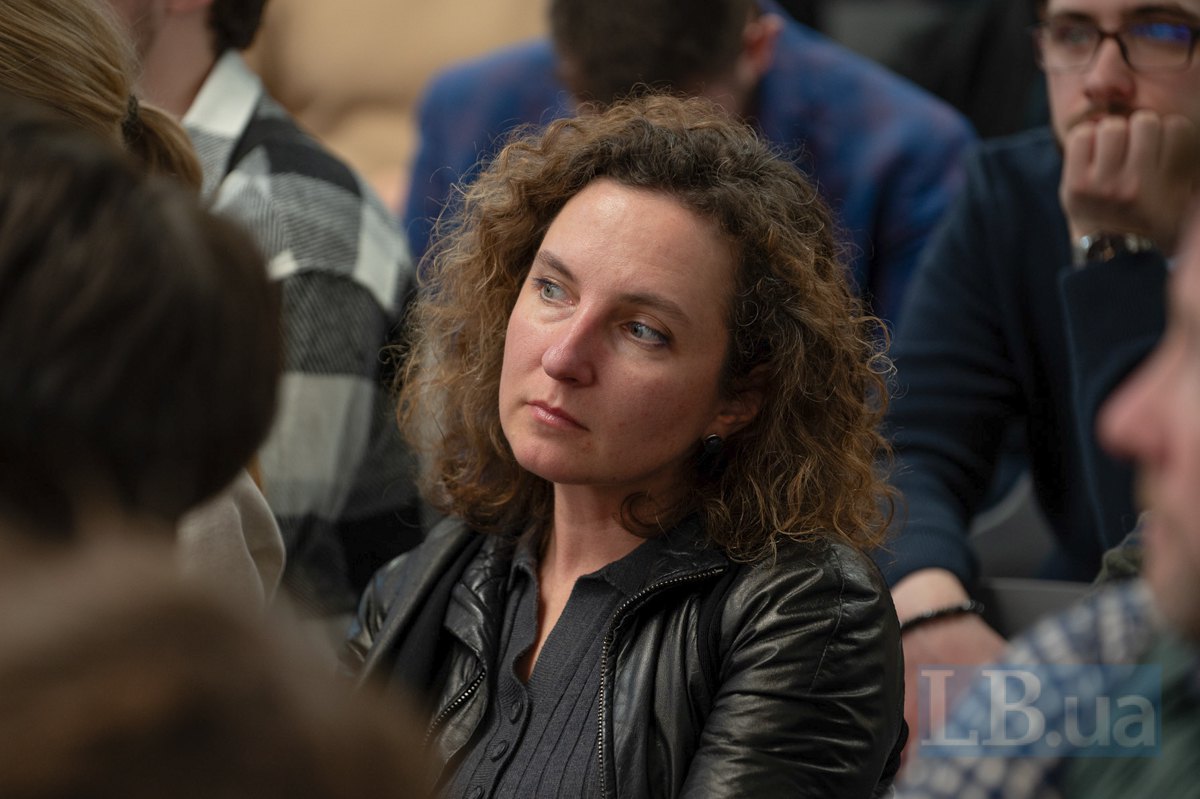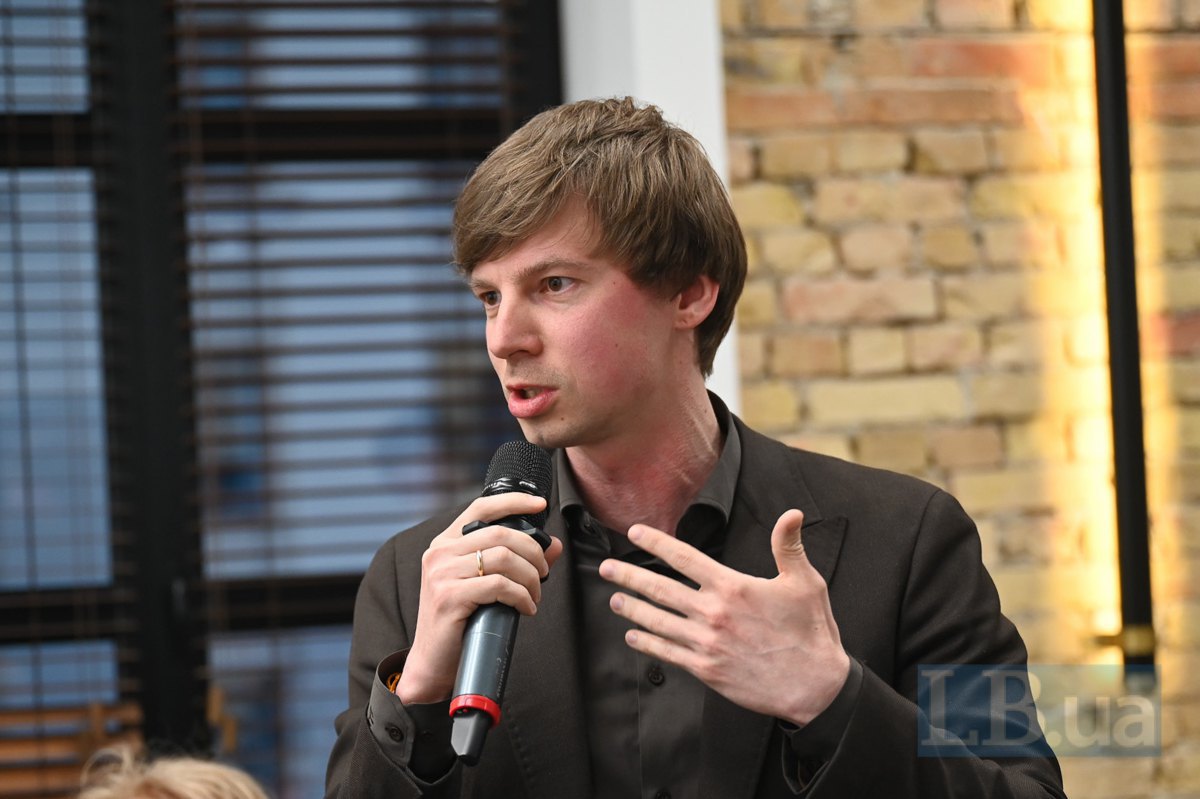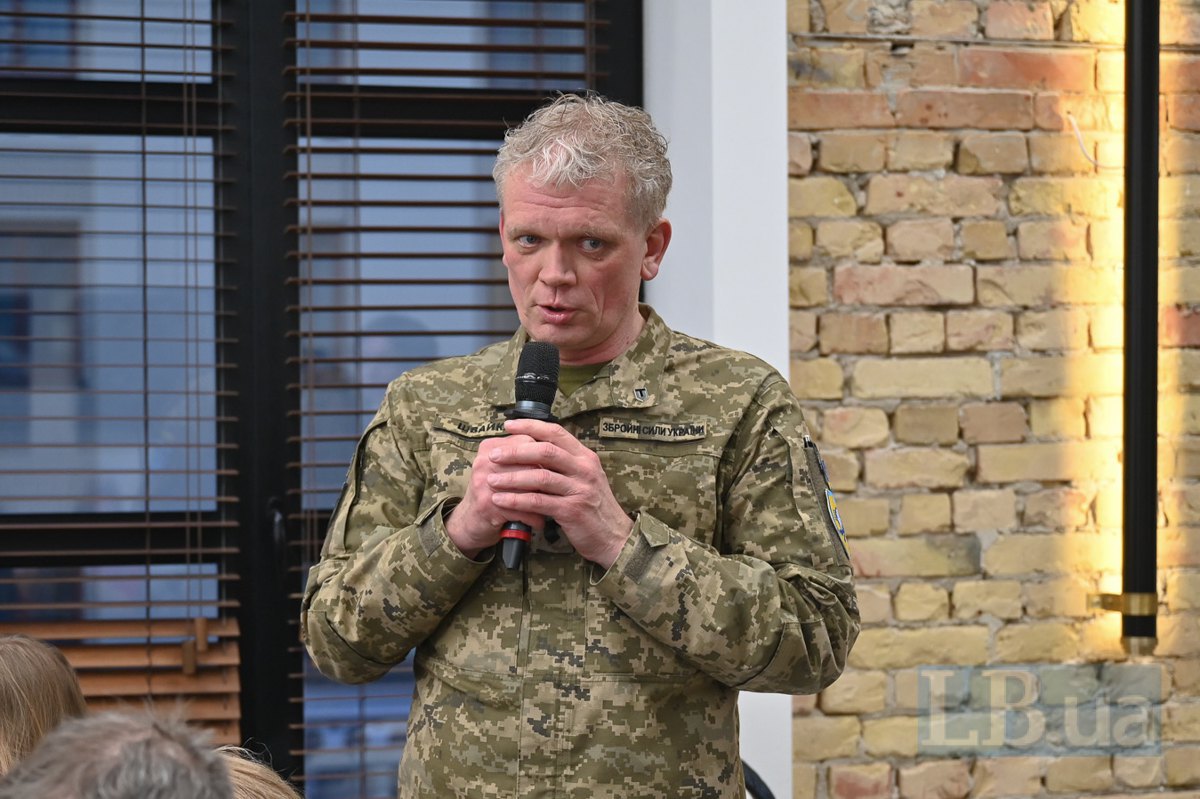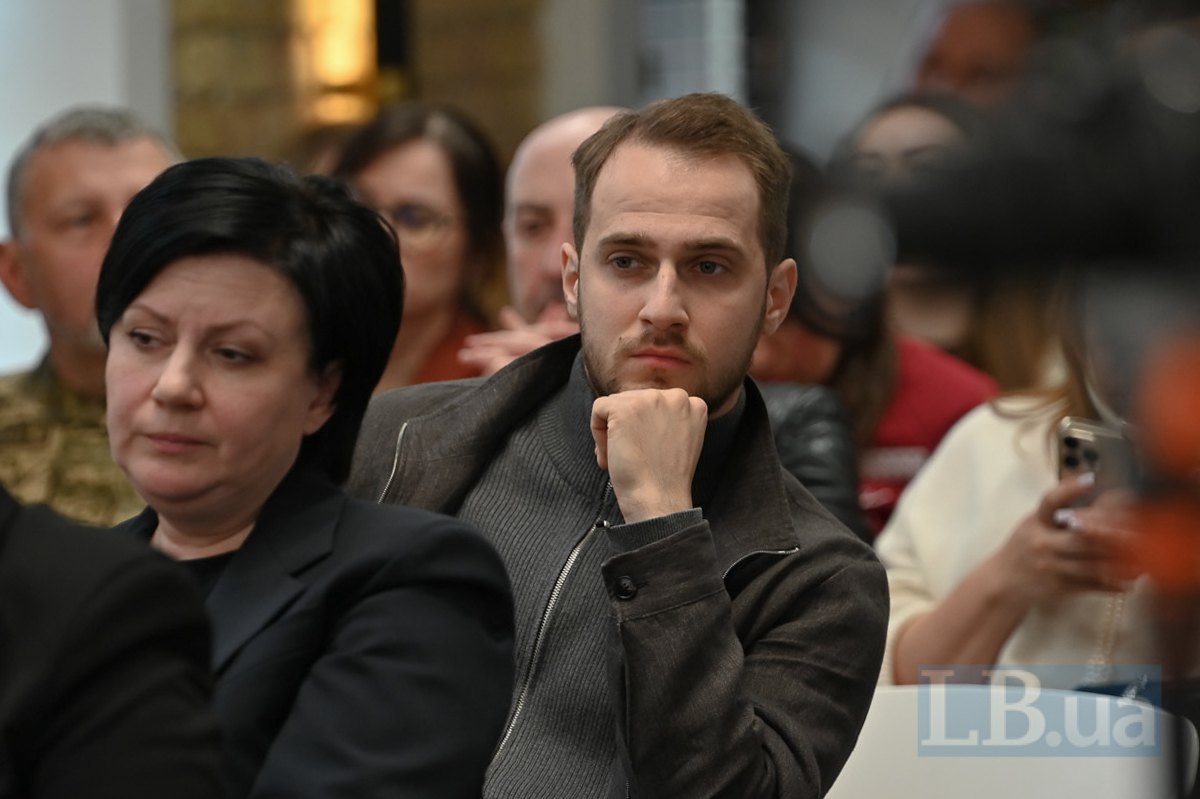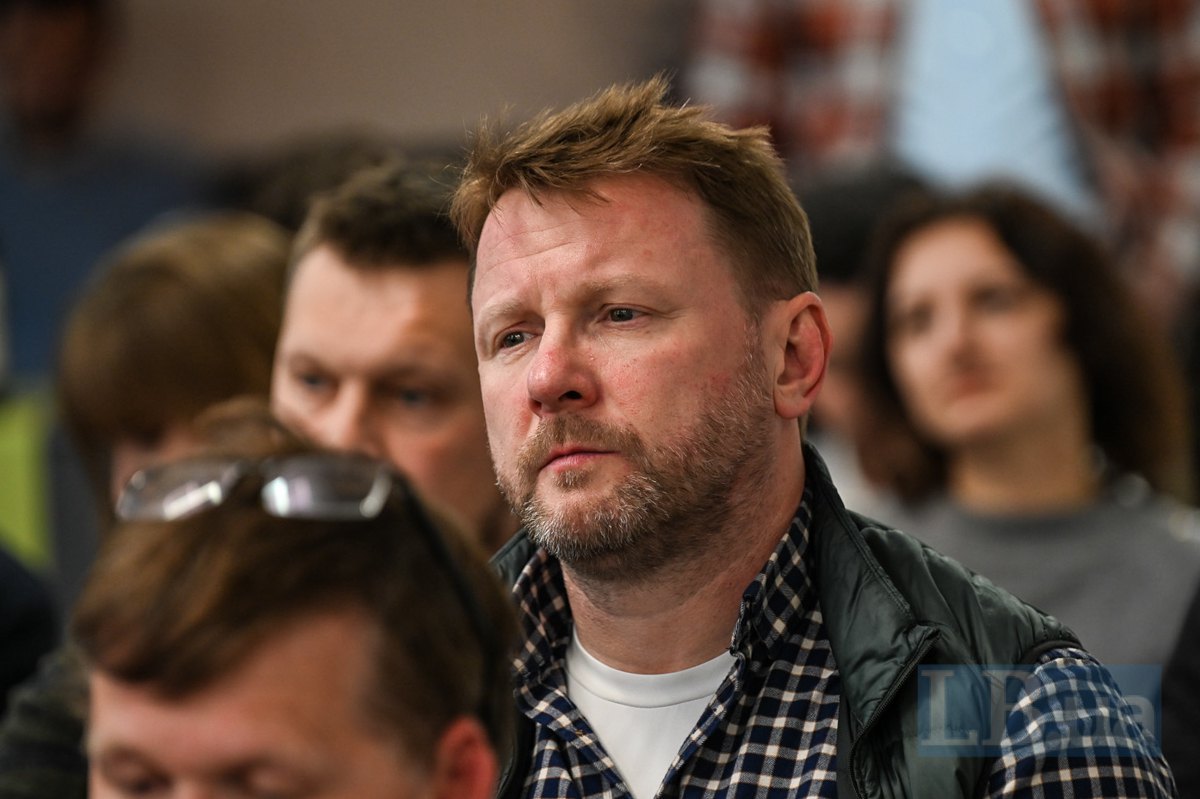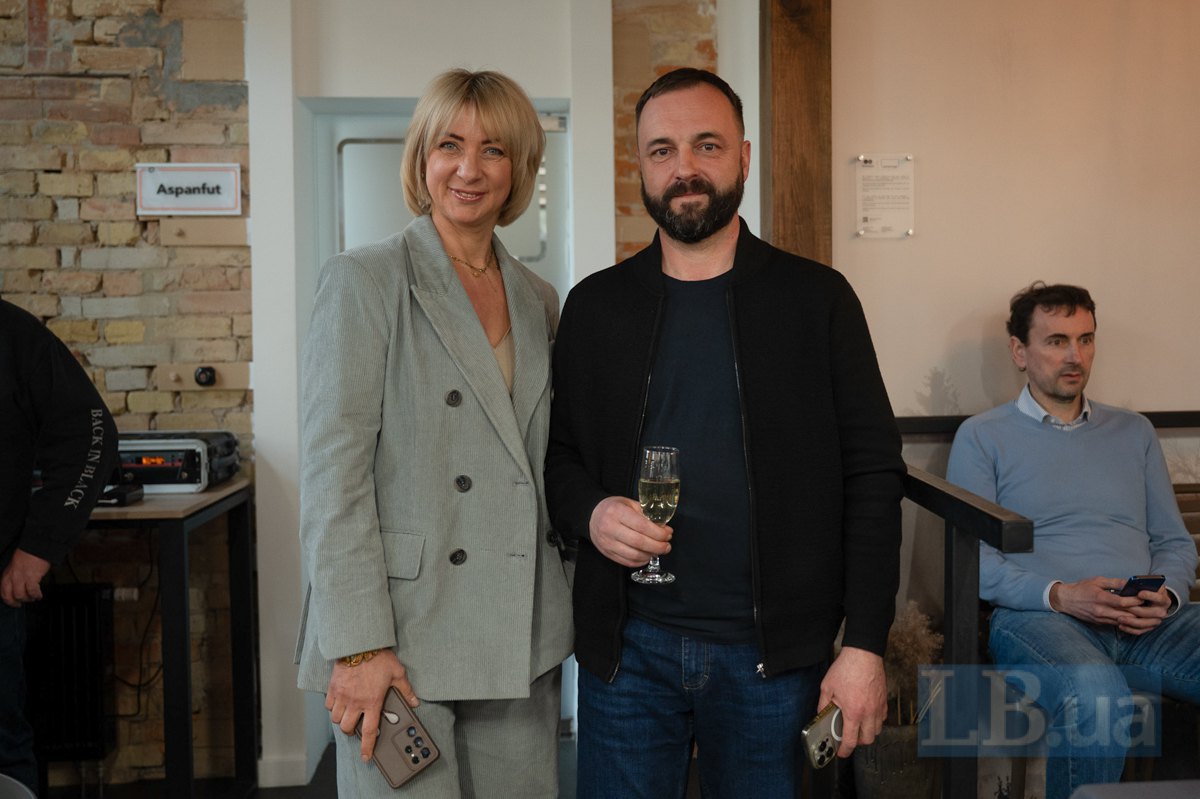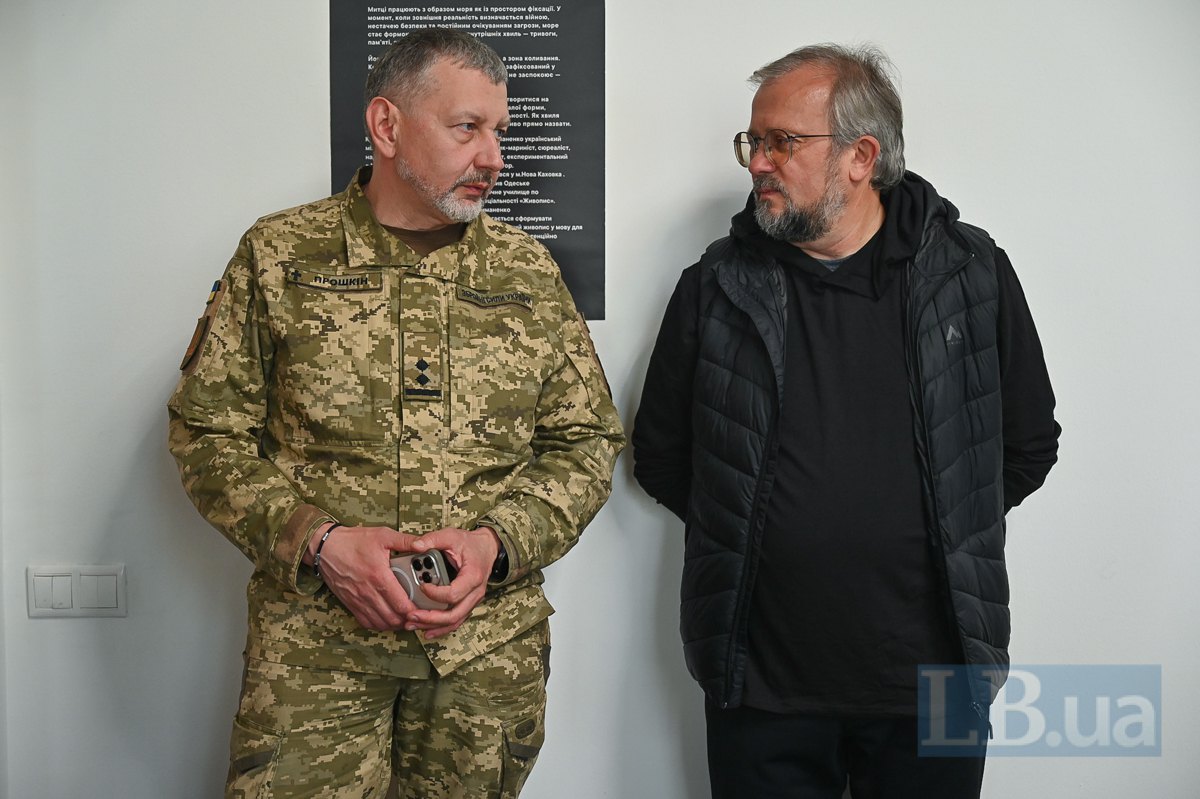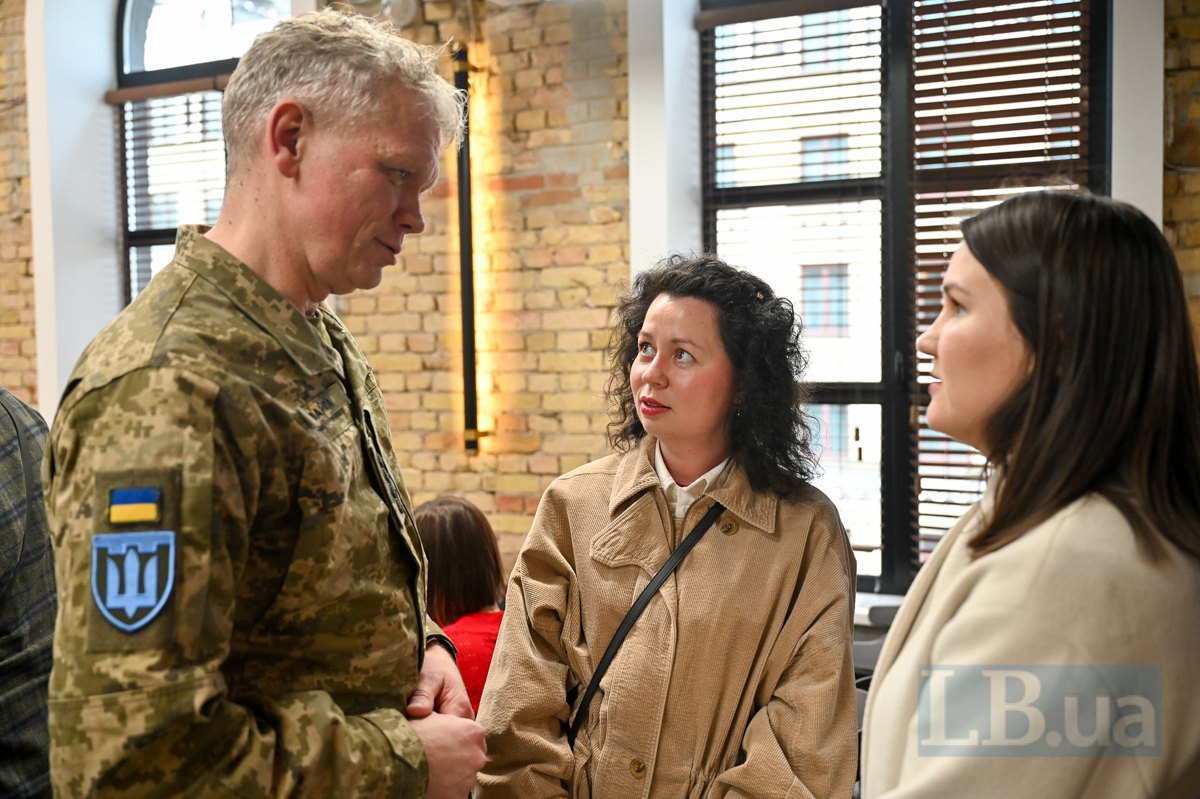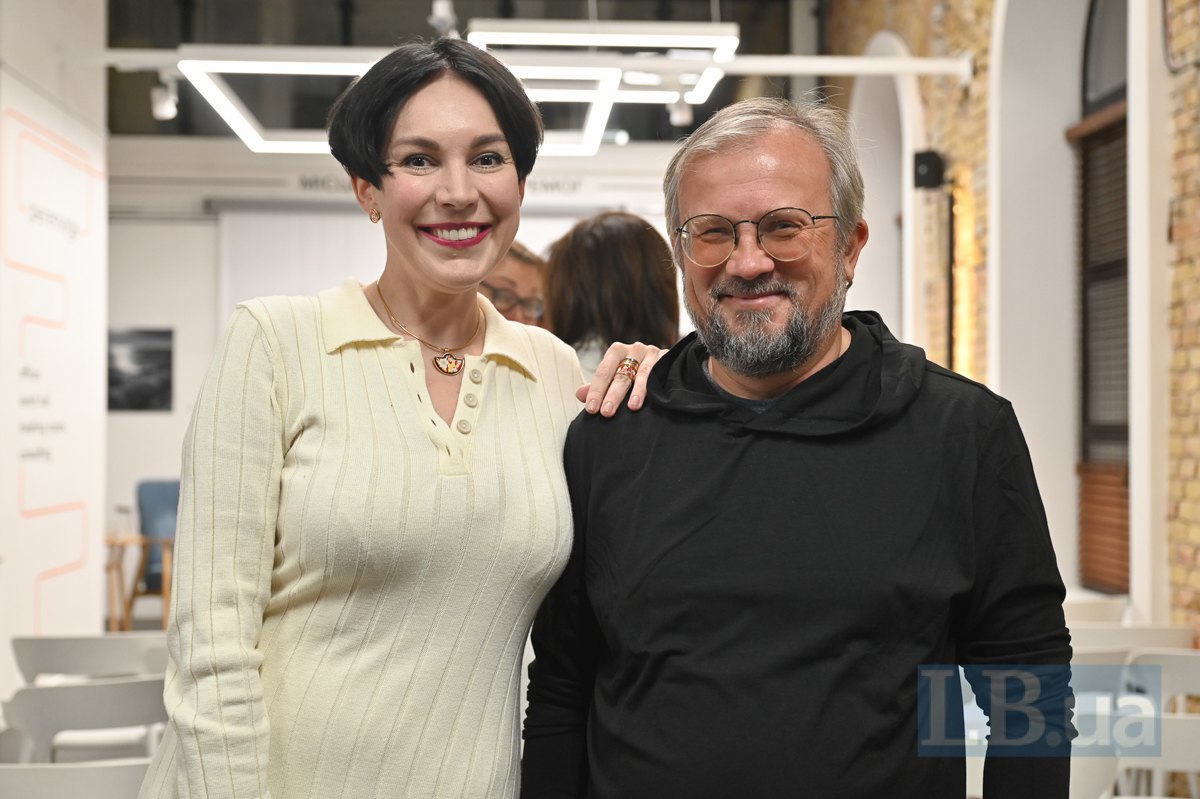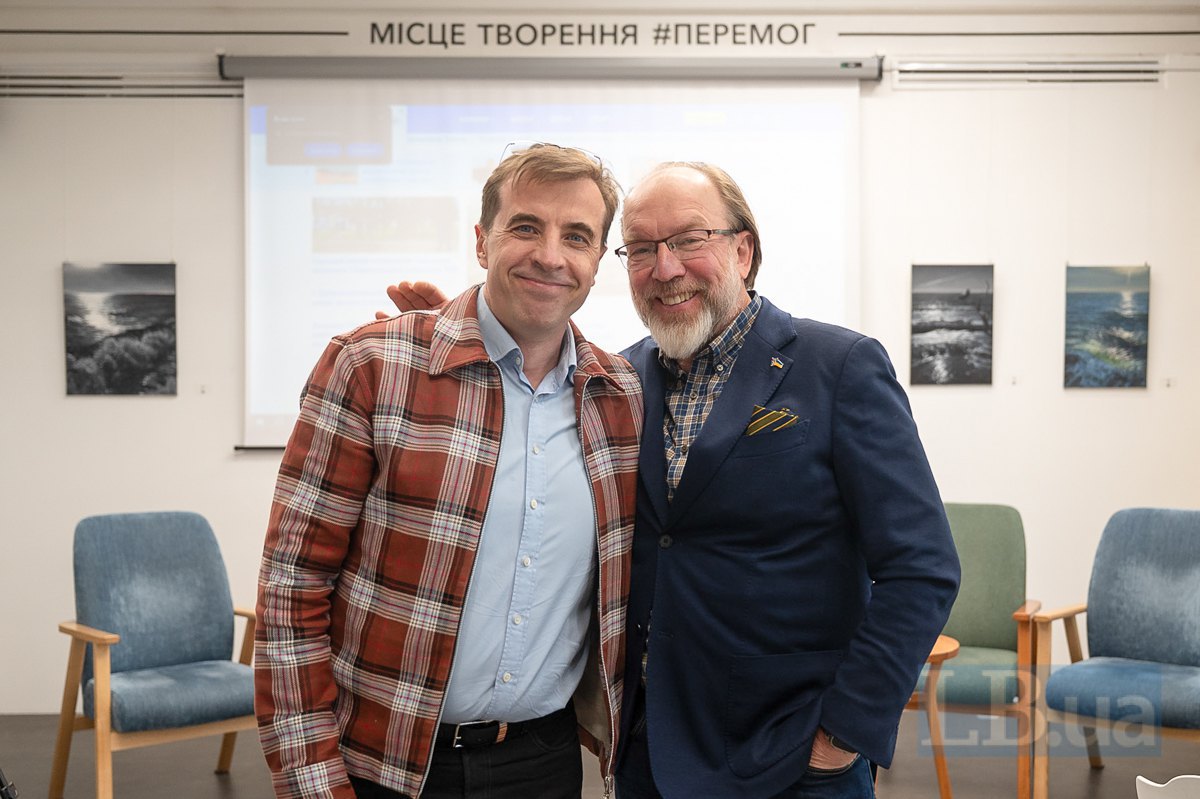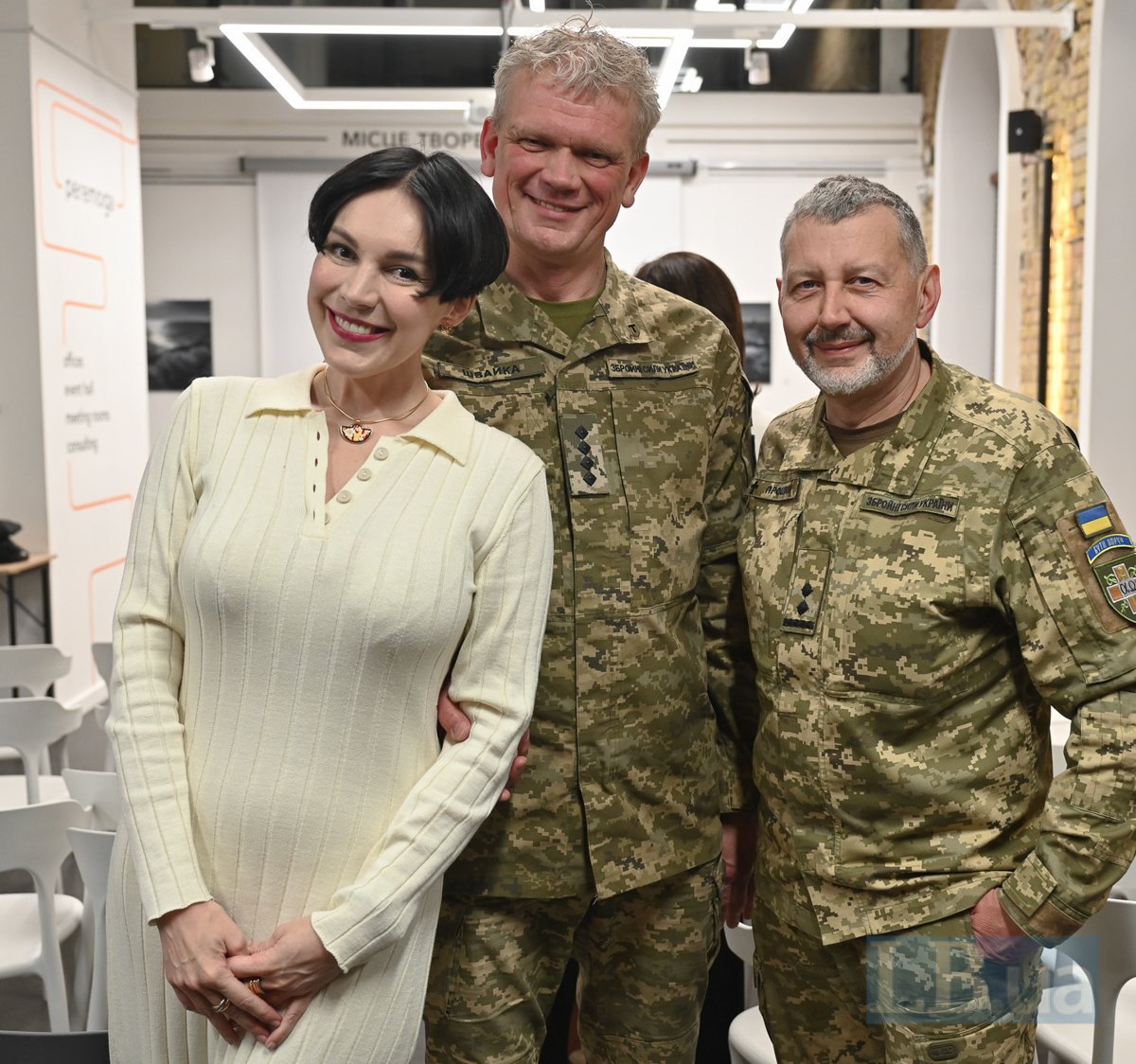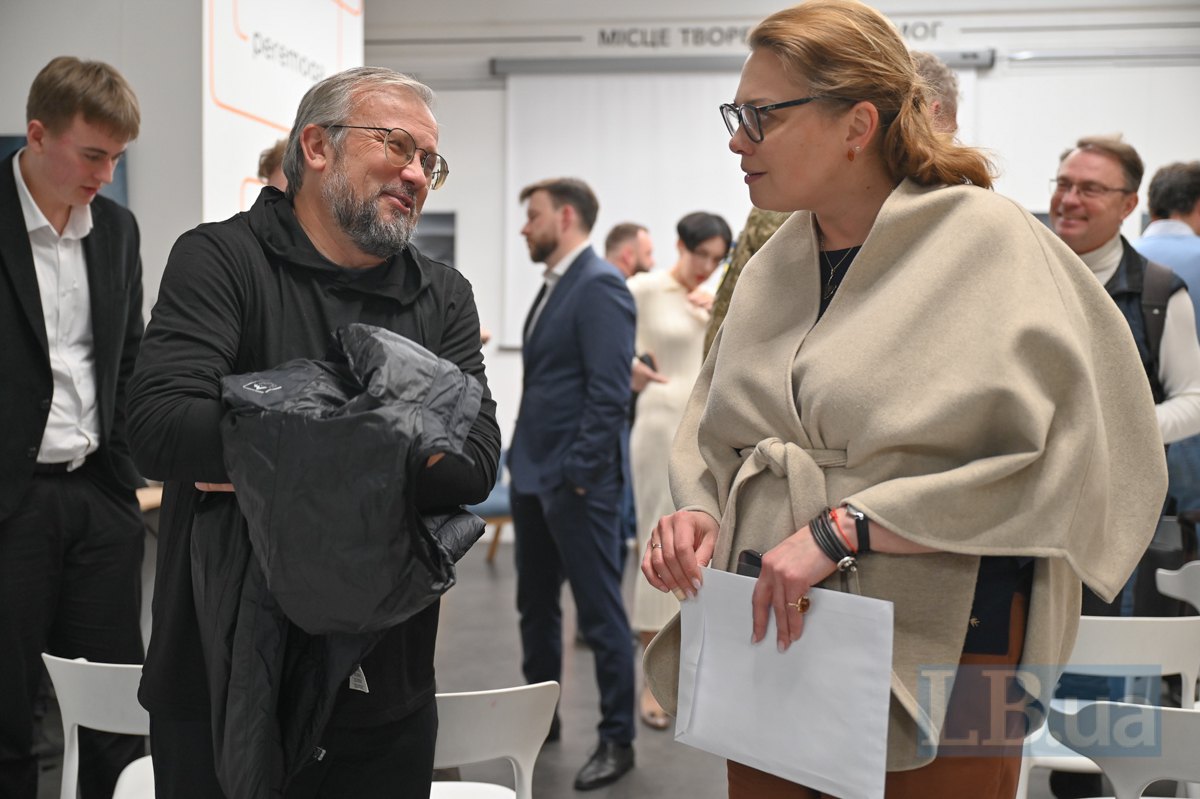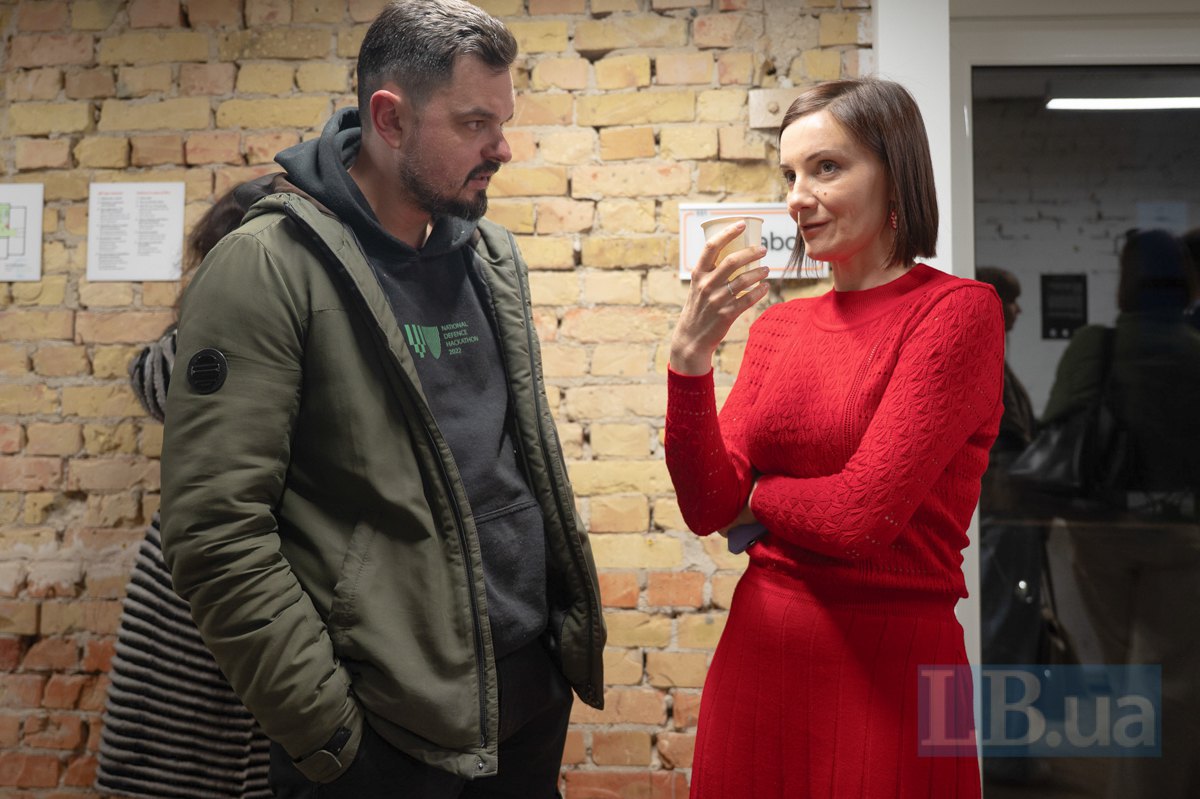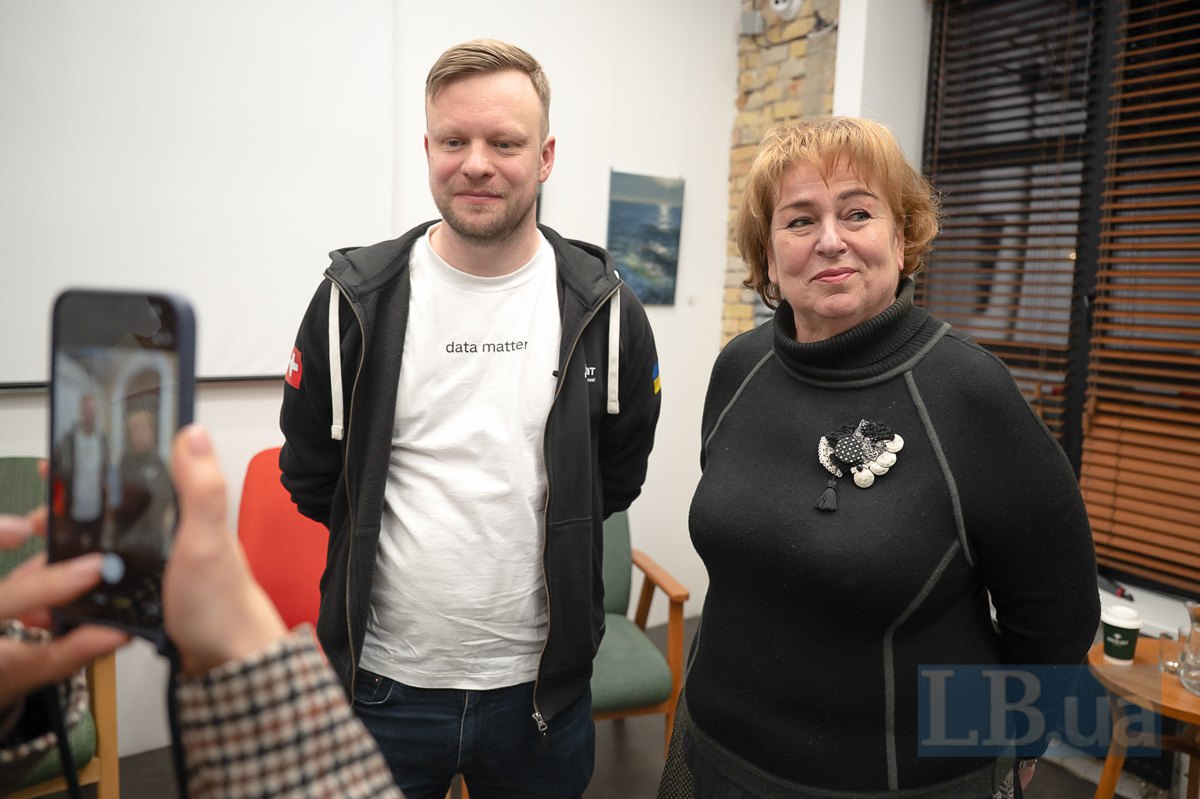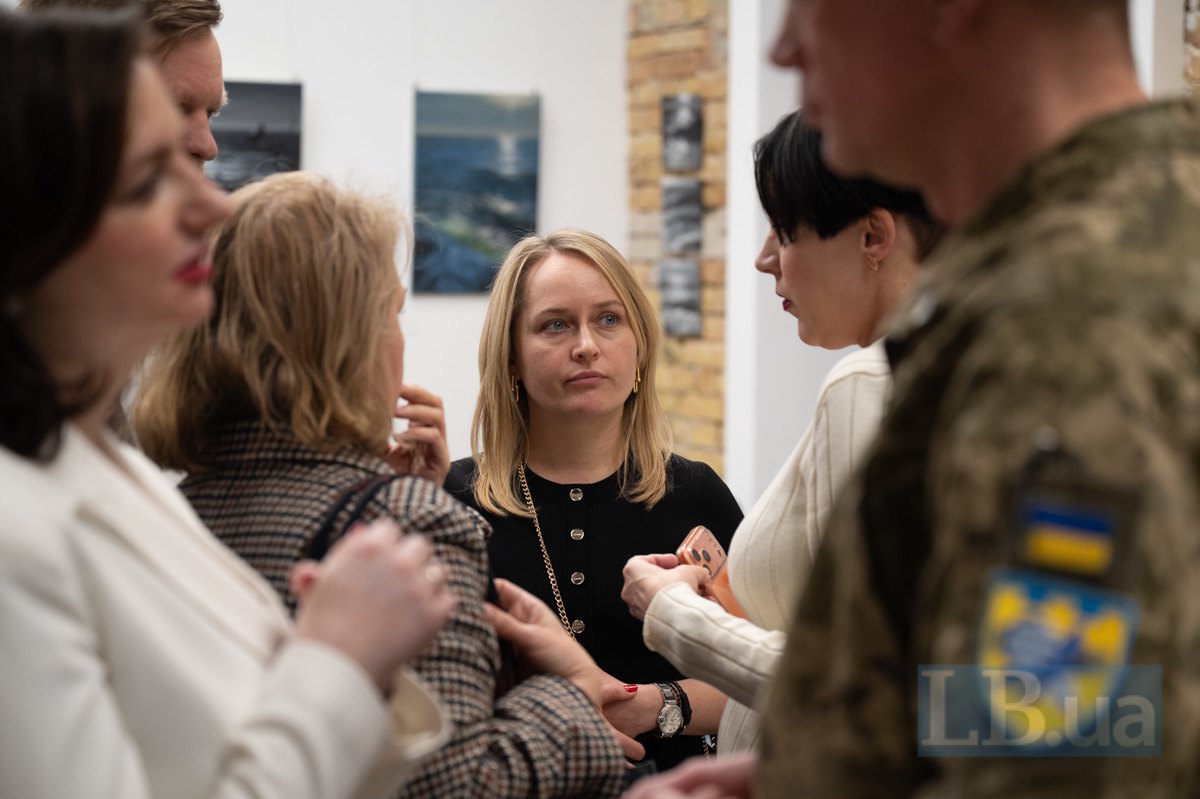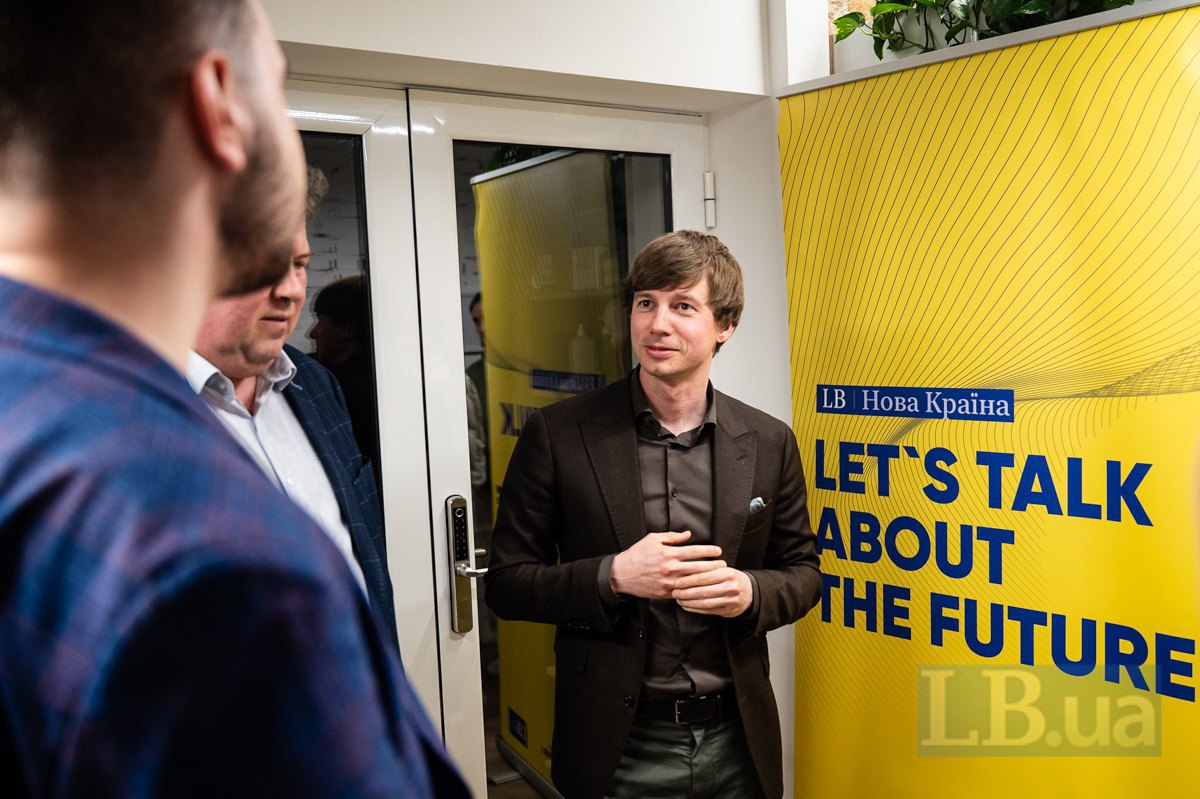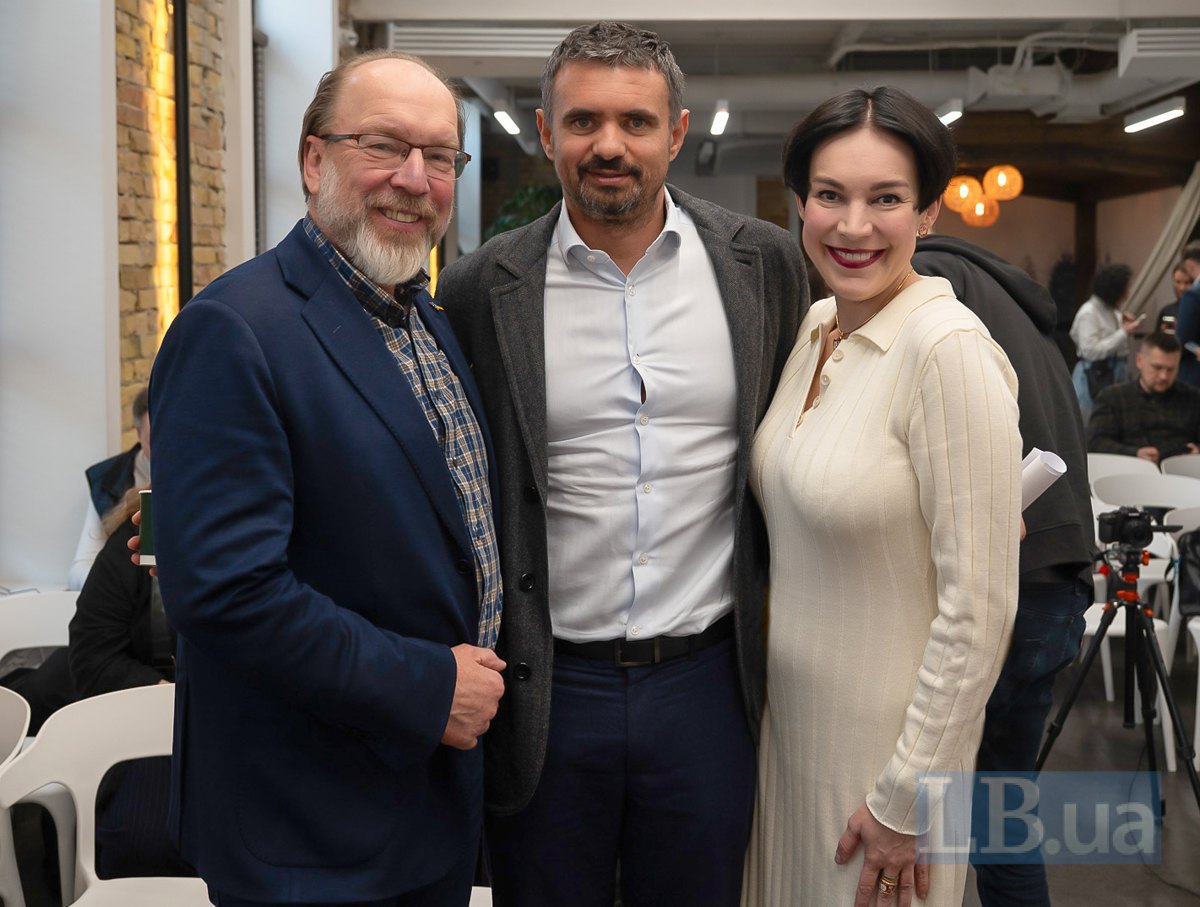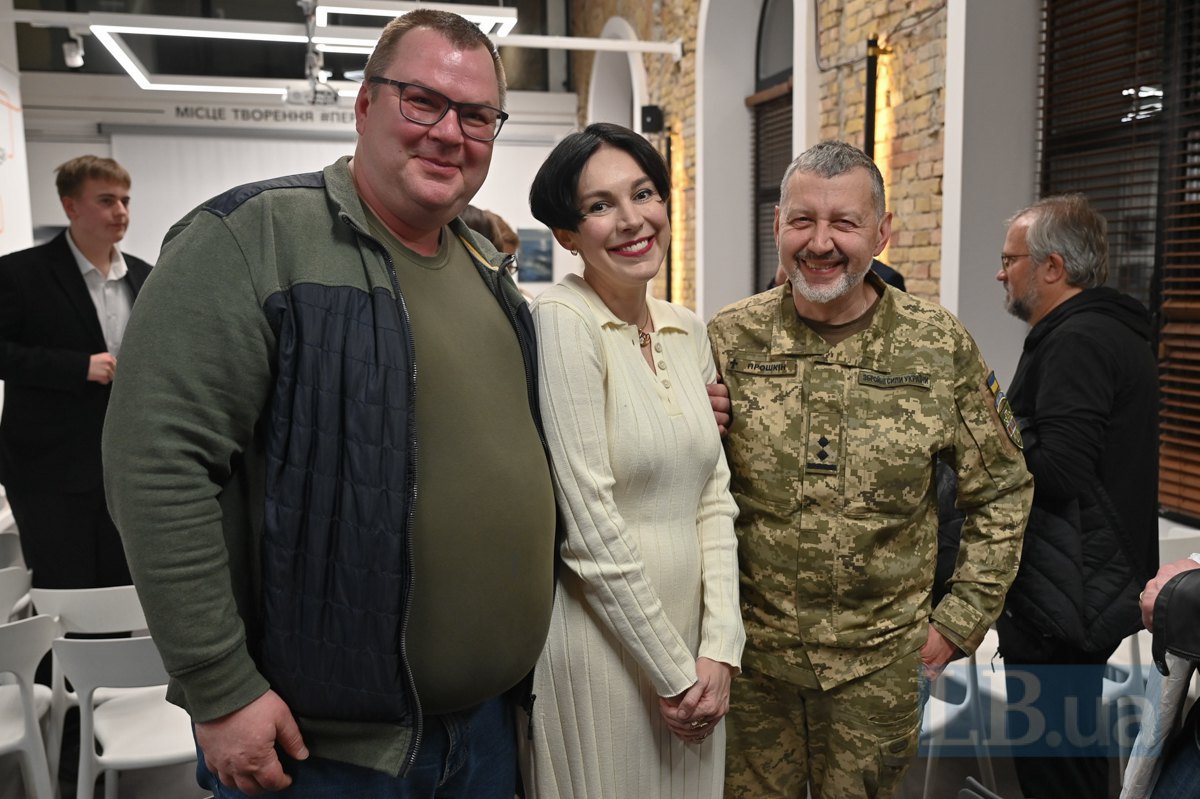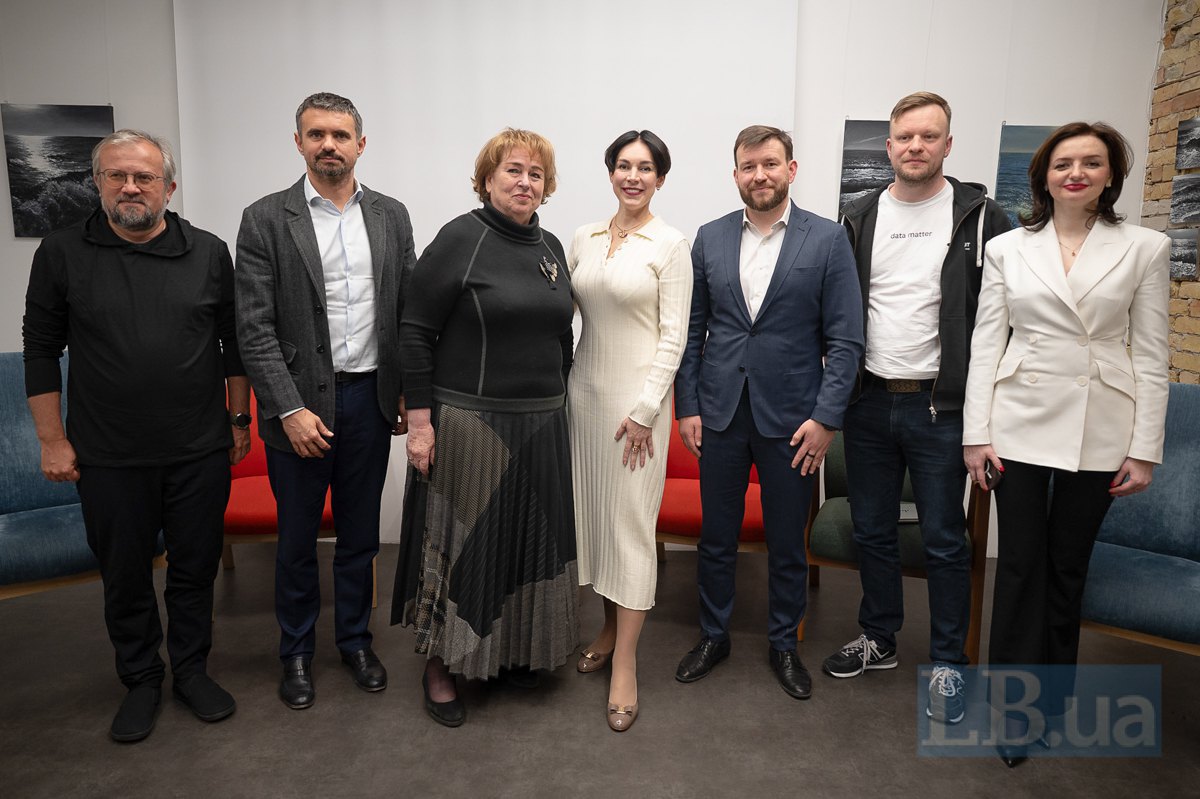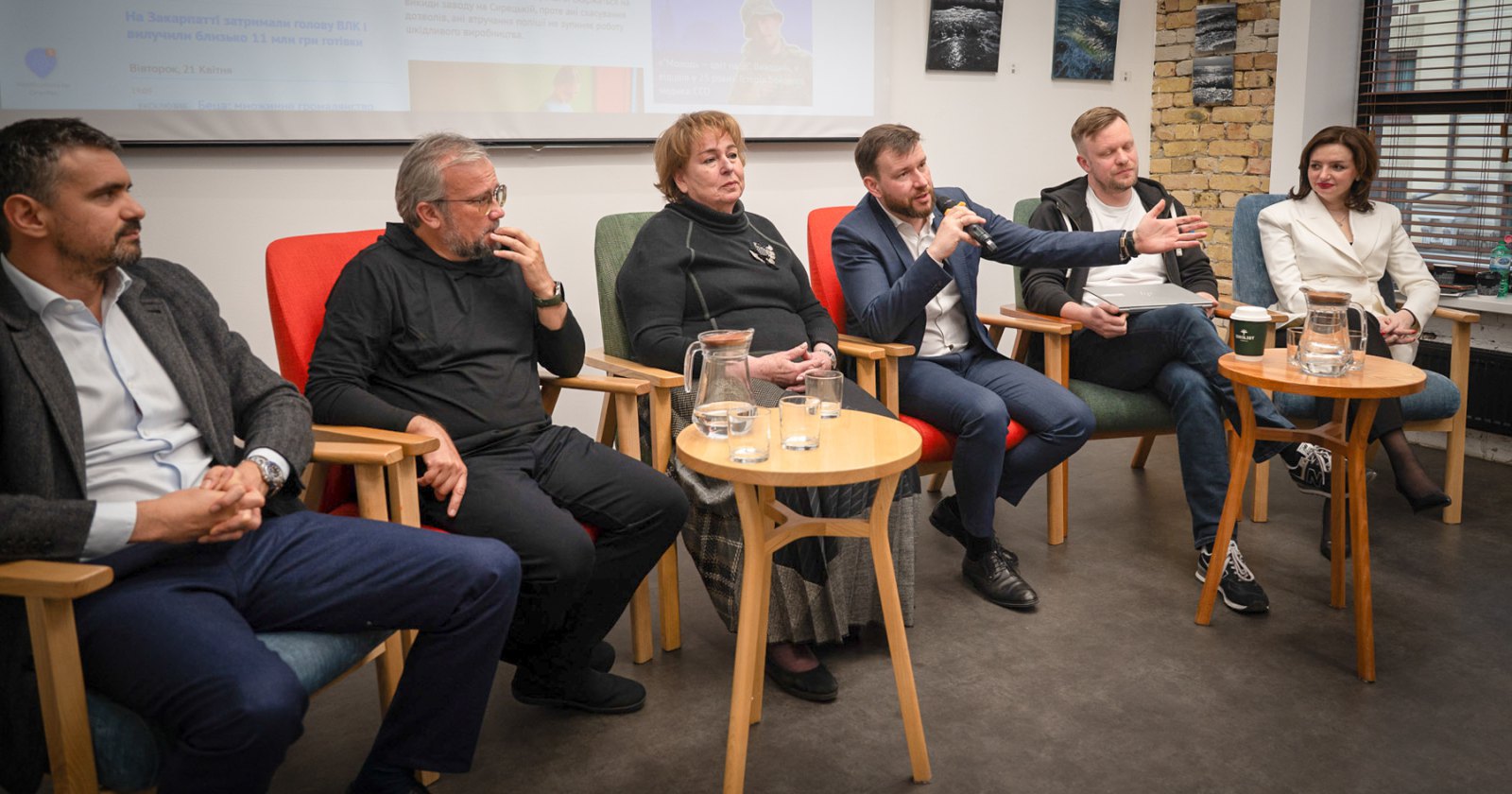







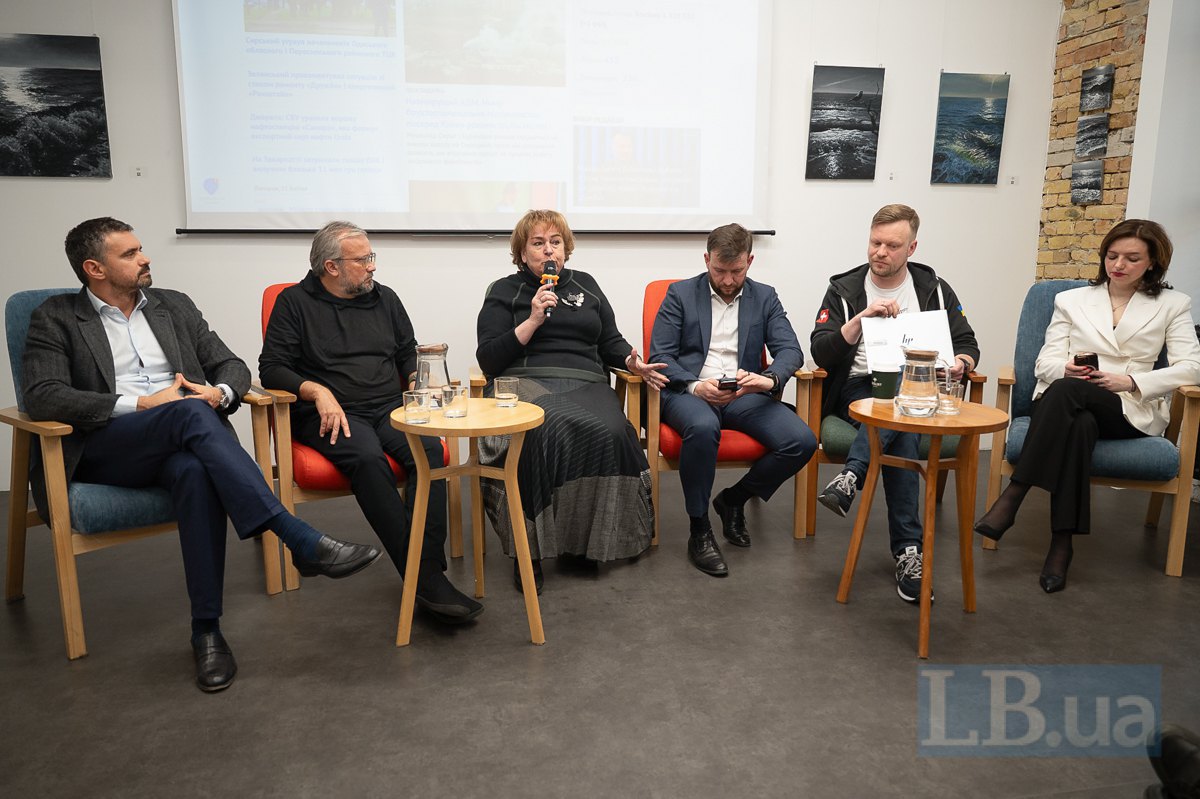
29 million. That is exactly how many Ukrainians currently live in territory controlled by Ukraine — almost a million fewer than a year ago, says Ella Libanova, Director of the M.V. Ptukha Institute of Demography and Social Studies of the National Academy of Sciences of Ukraine. Thus, the country’s population continues to decline. There are many factors behind this, and the consequences are even more far-reaching. It was precisely these issues, along with the impact on the labour market and potential labour migration, that were discussed at the debate Ukrainian Society 2026: Demography, Migration, Labour Market, held as part of the joint project between LB.ua and EFI Group, New Country. The following participants were invited to take part in the discussion:
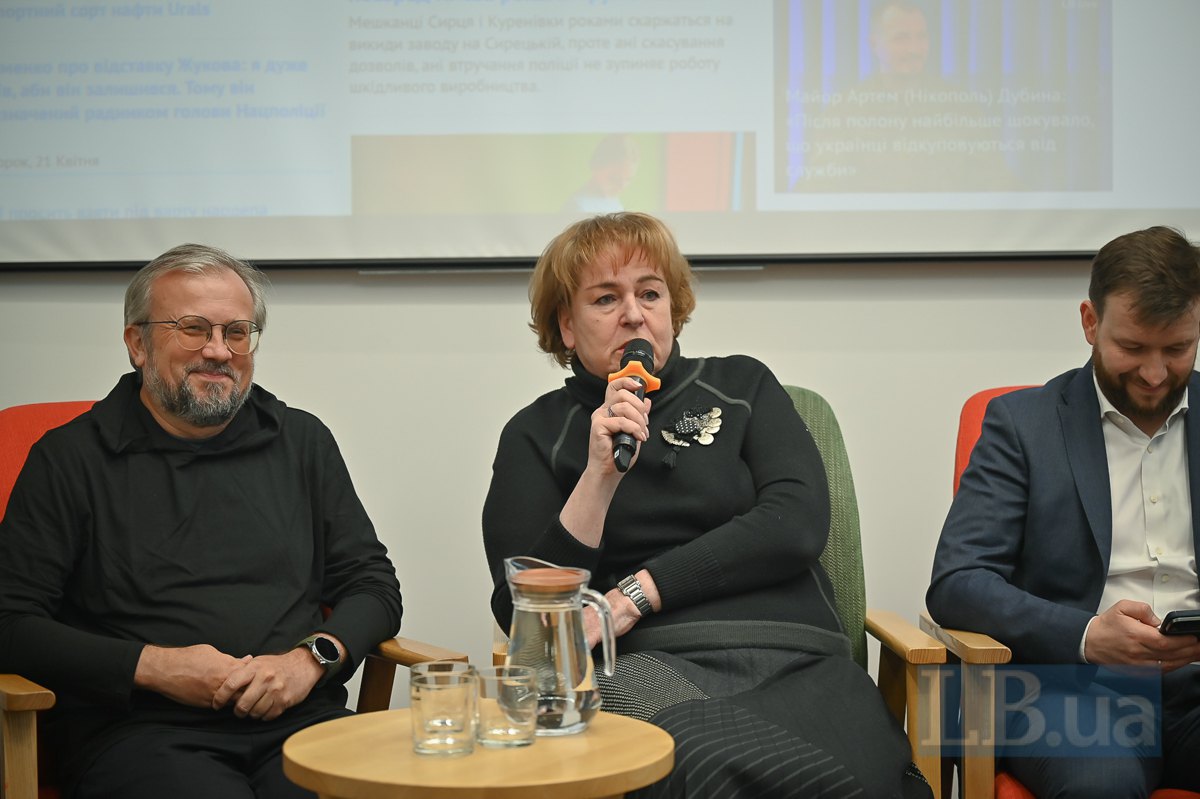
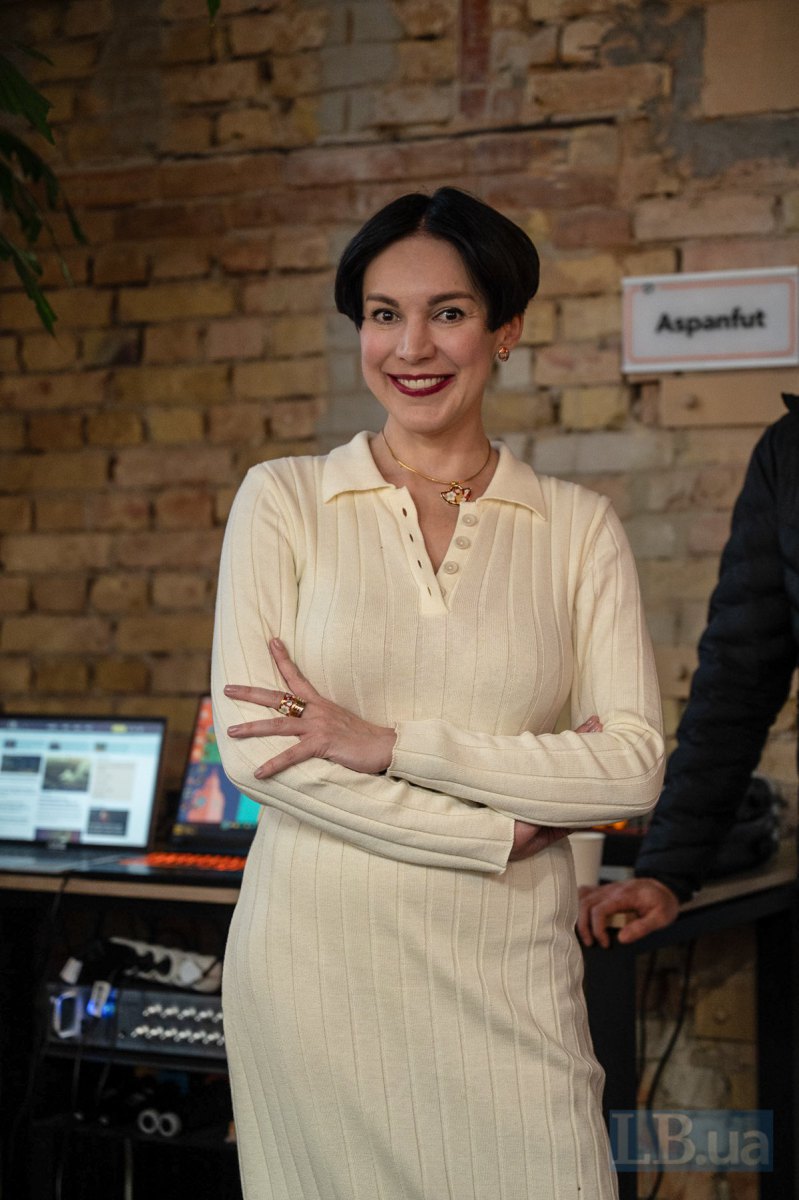
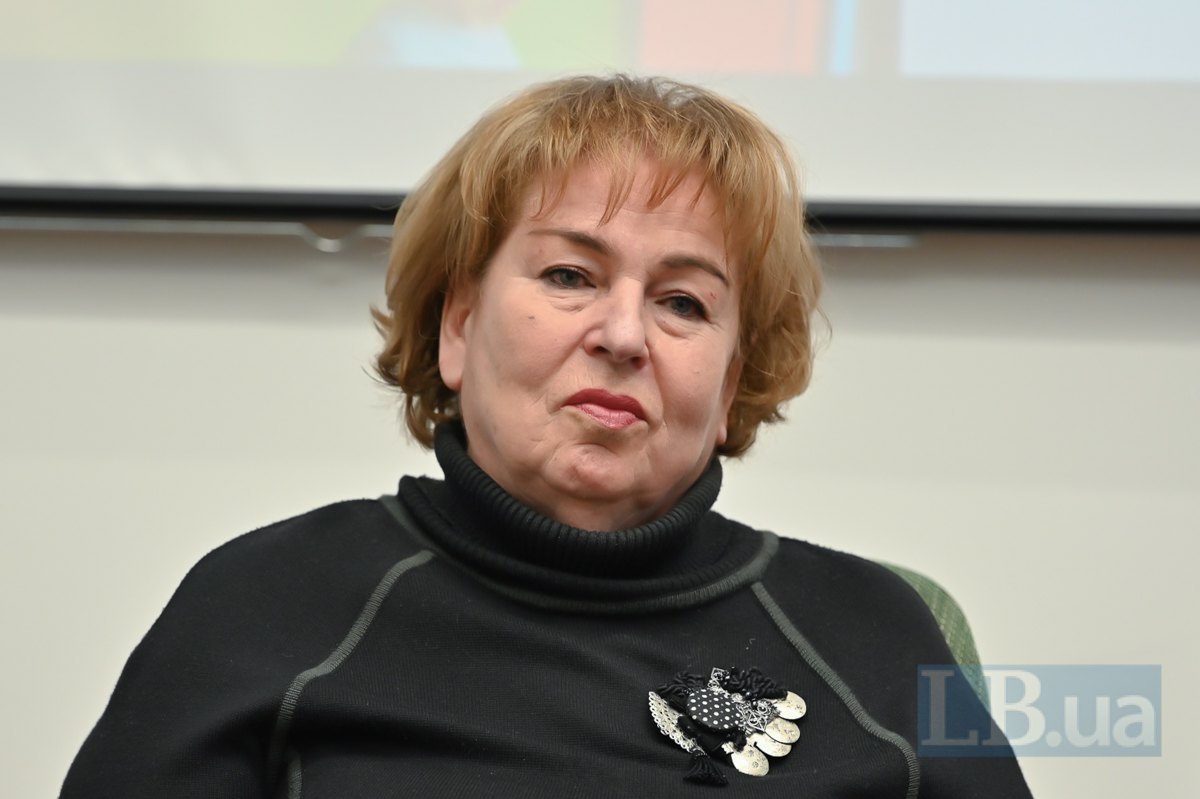
- Ella Libanova, Director of the M.V. Ptukha Institute of Demography and Social Studies of the National Academy of Sciences of Ukraine;Ella Libanova
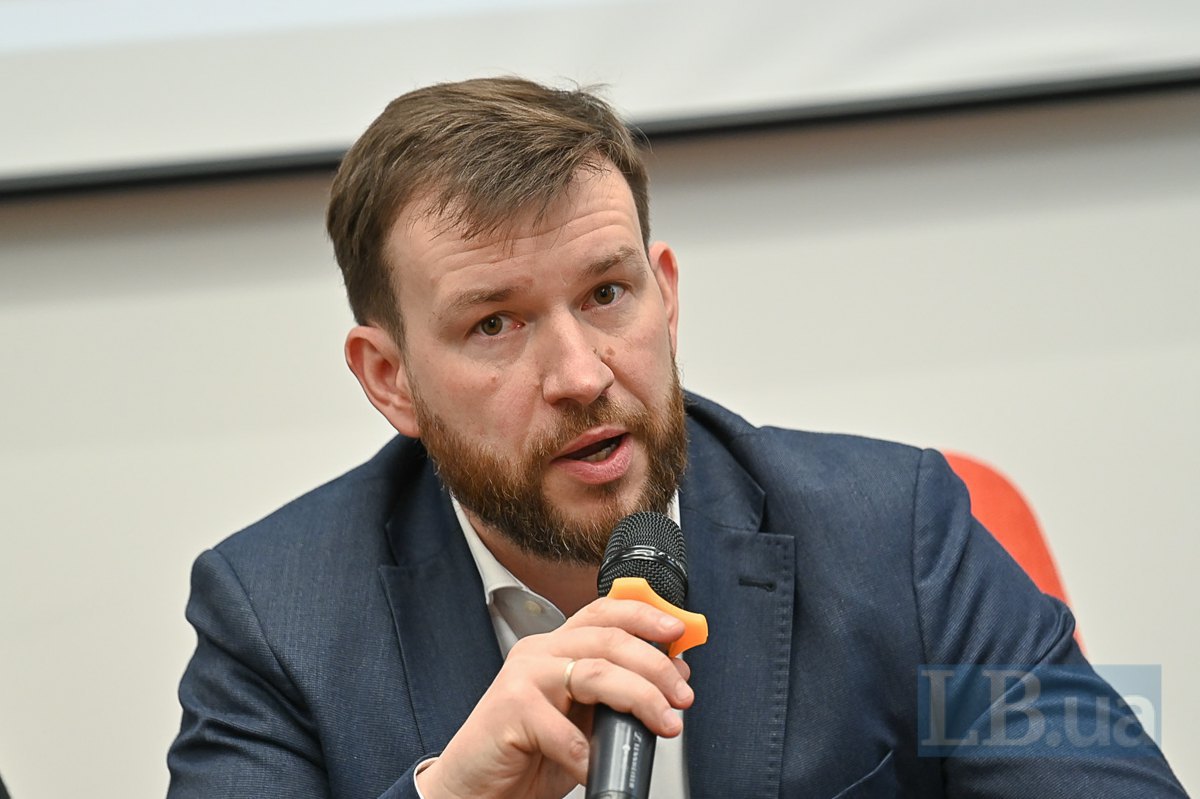
- Denys Ulyutin, Minister of Social Policy, Family and Unity;Denys Ulyutin
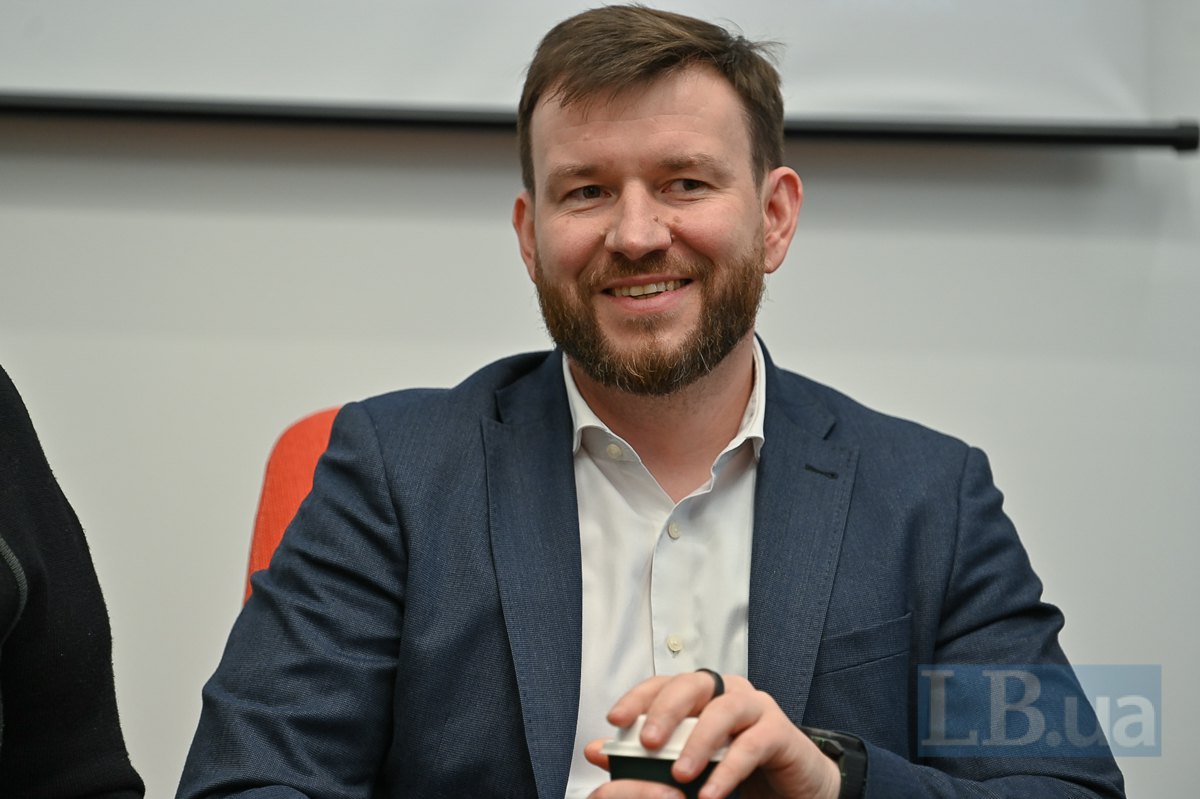
- Arsen Makarchuk, Head of the State Statistics Service;Arsen Makarchuk
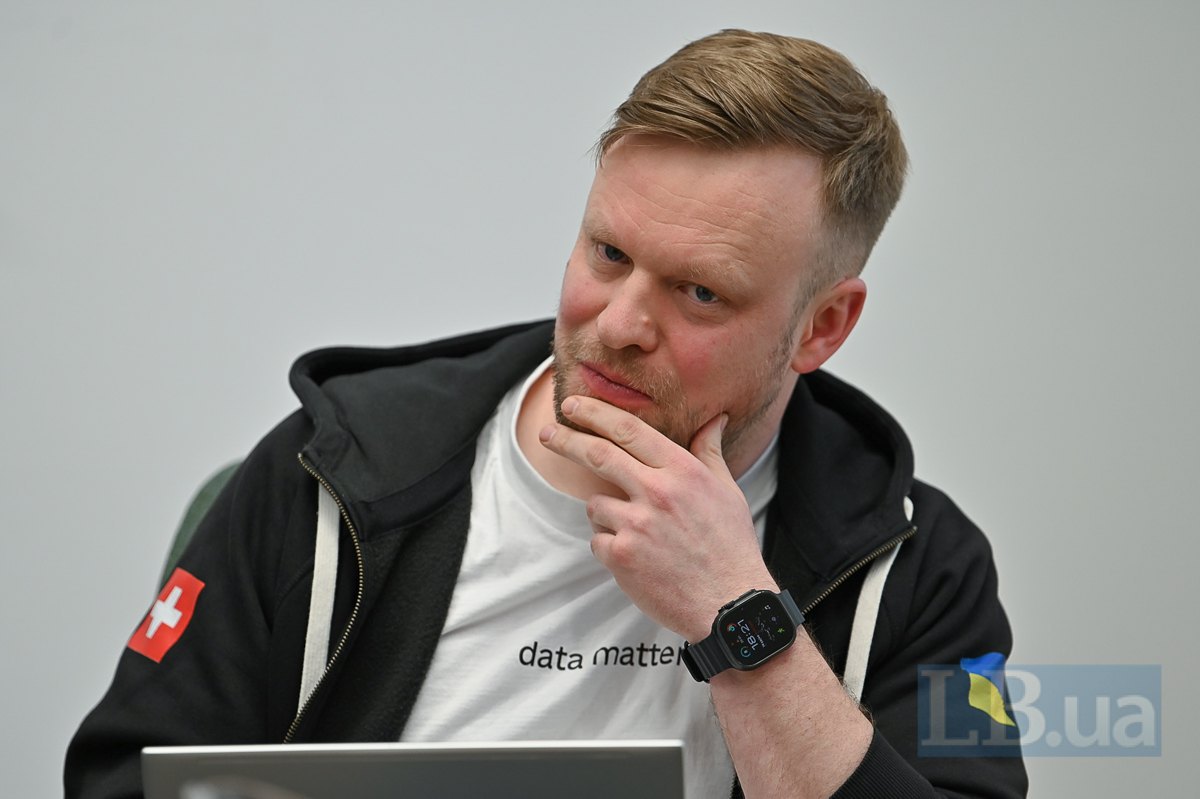
- Maryana Betsa, Deputy Minister of Foreign Affairs of Ukraine;Maryana Betsa
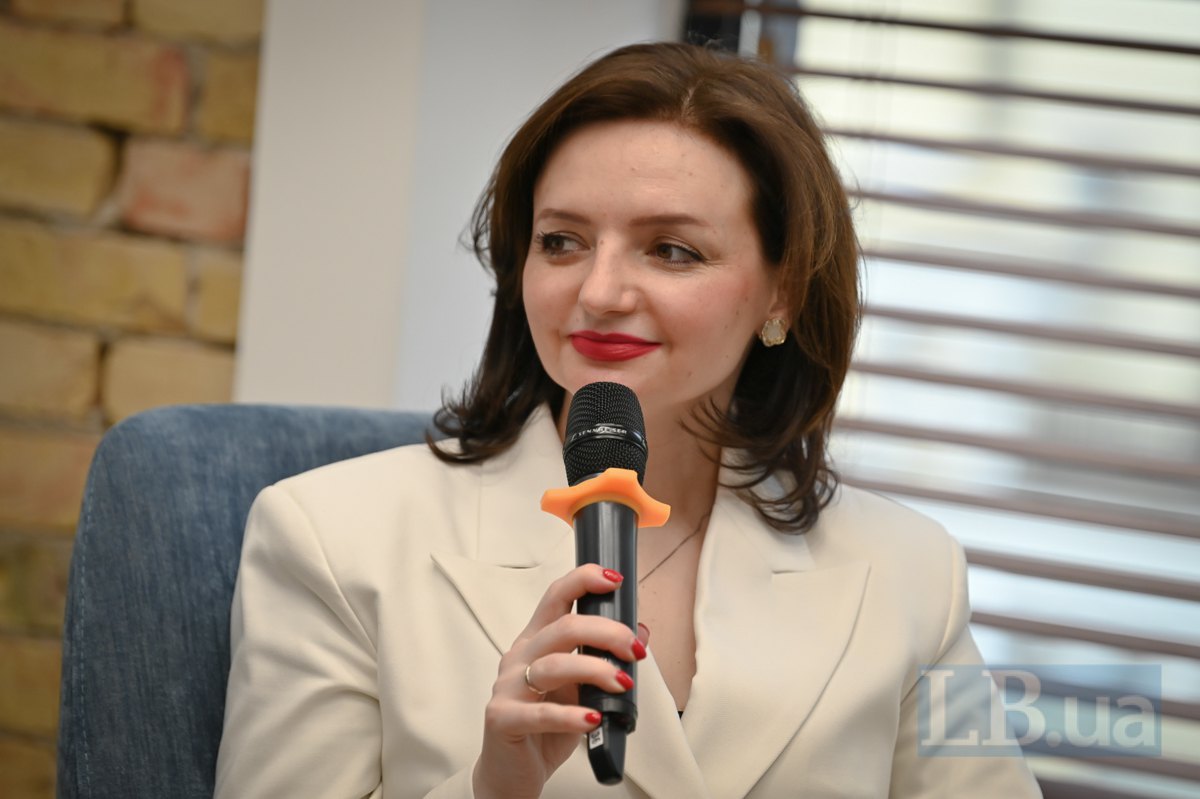
- Archimandrite Kyrylo Hovorun, PhD, Director of the Huffington Institute in Los Angeles;Kyrylo Hovorun
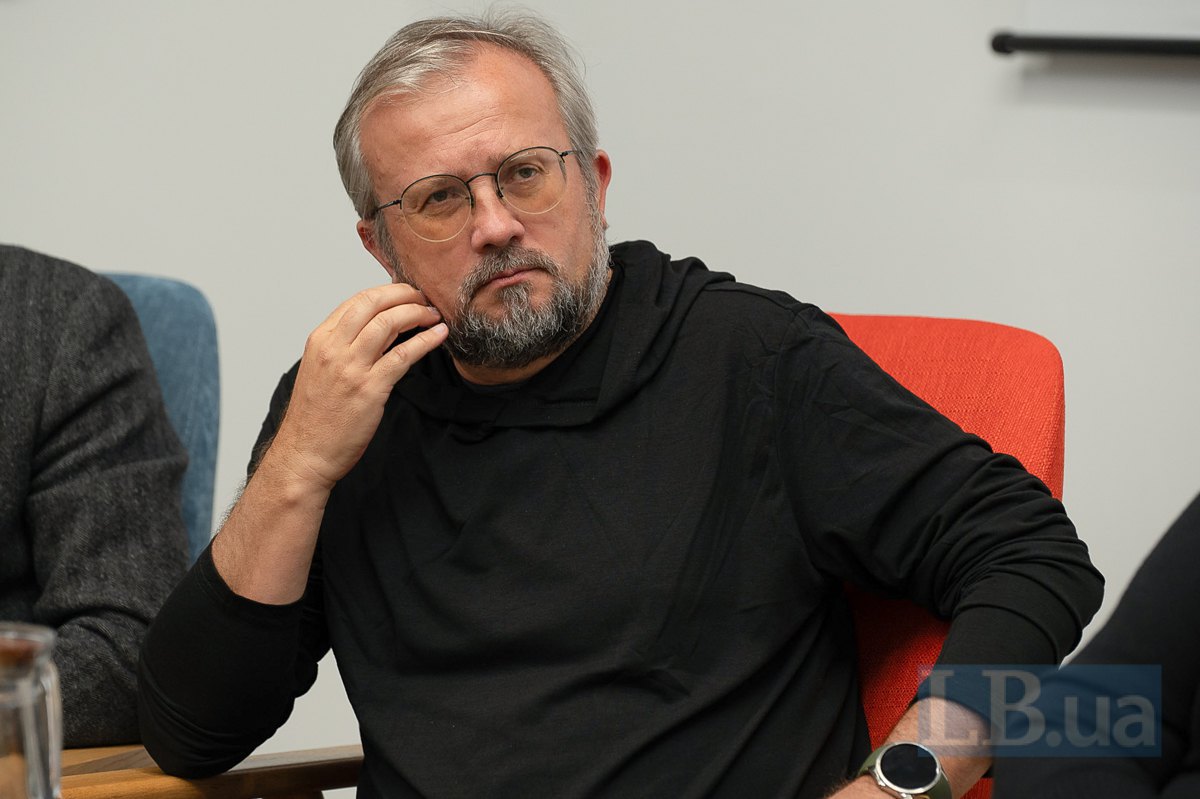
- Ihor Liski, Chairman of the Supervisory Board of EFI Group.Ihor Liski
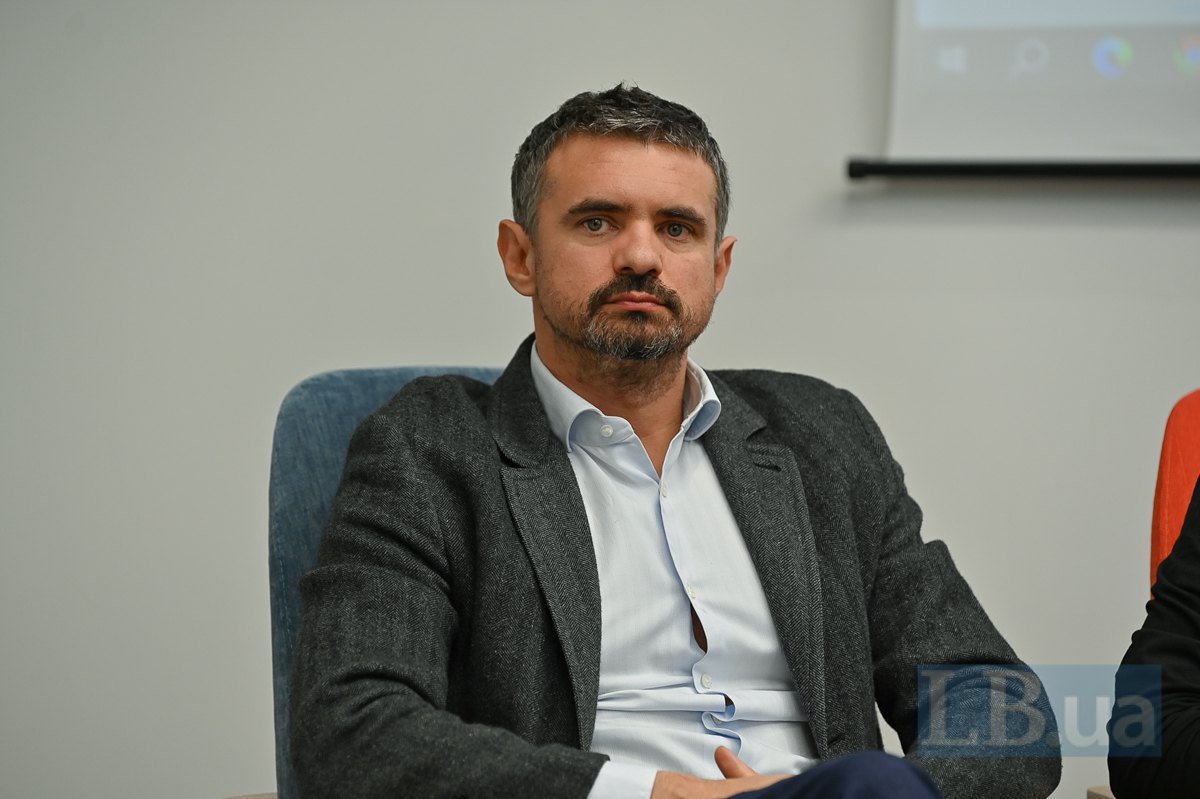
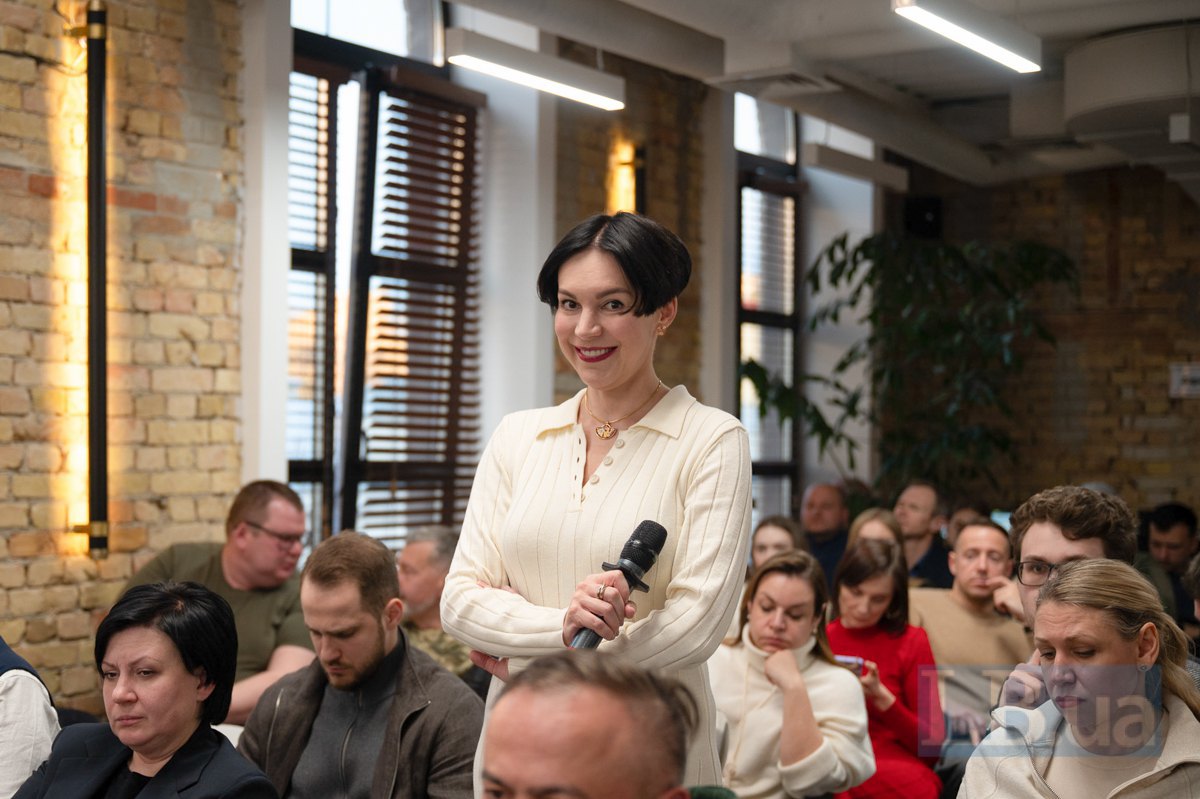
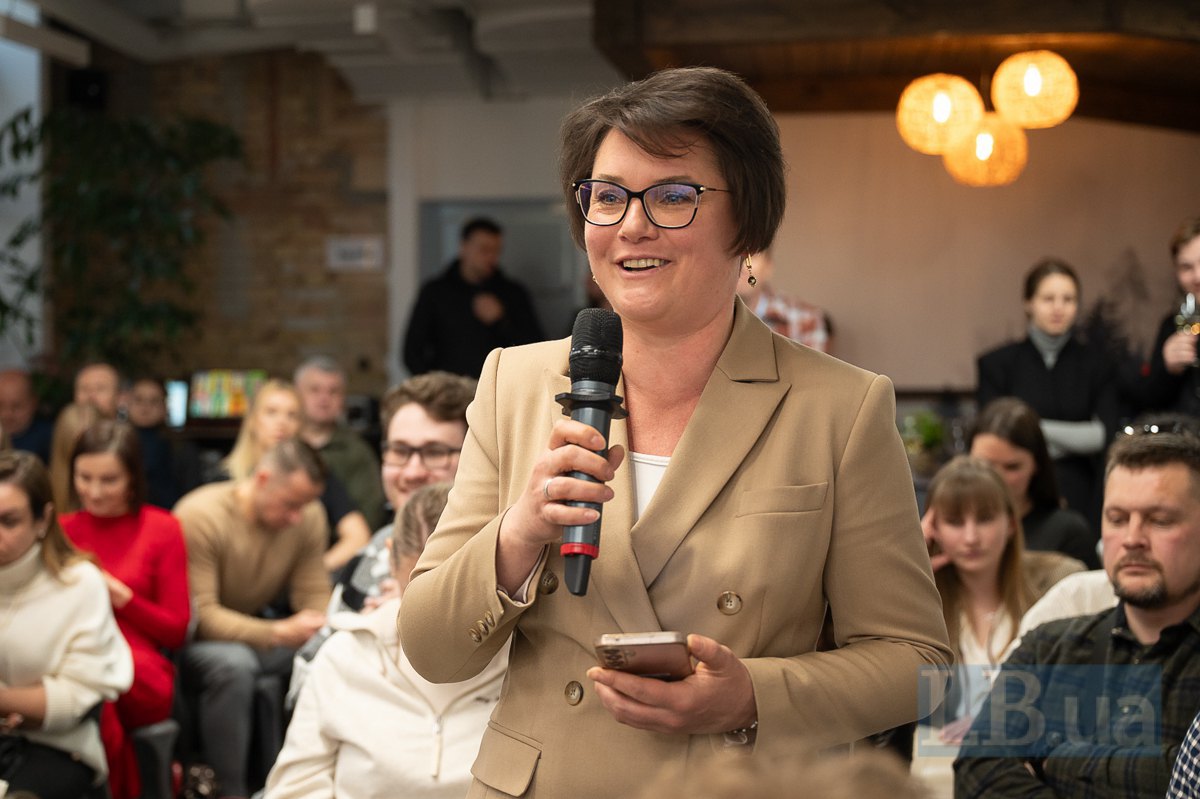
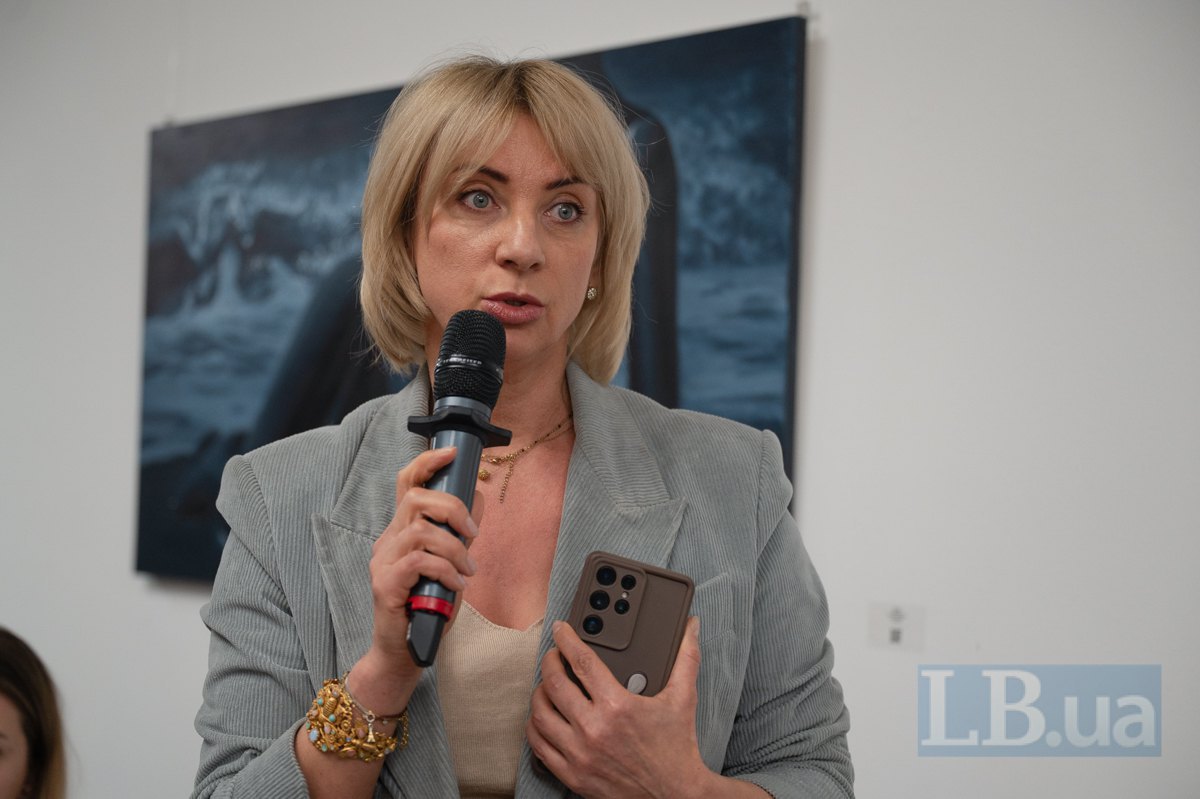
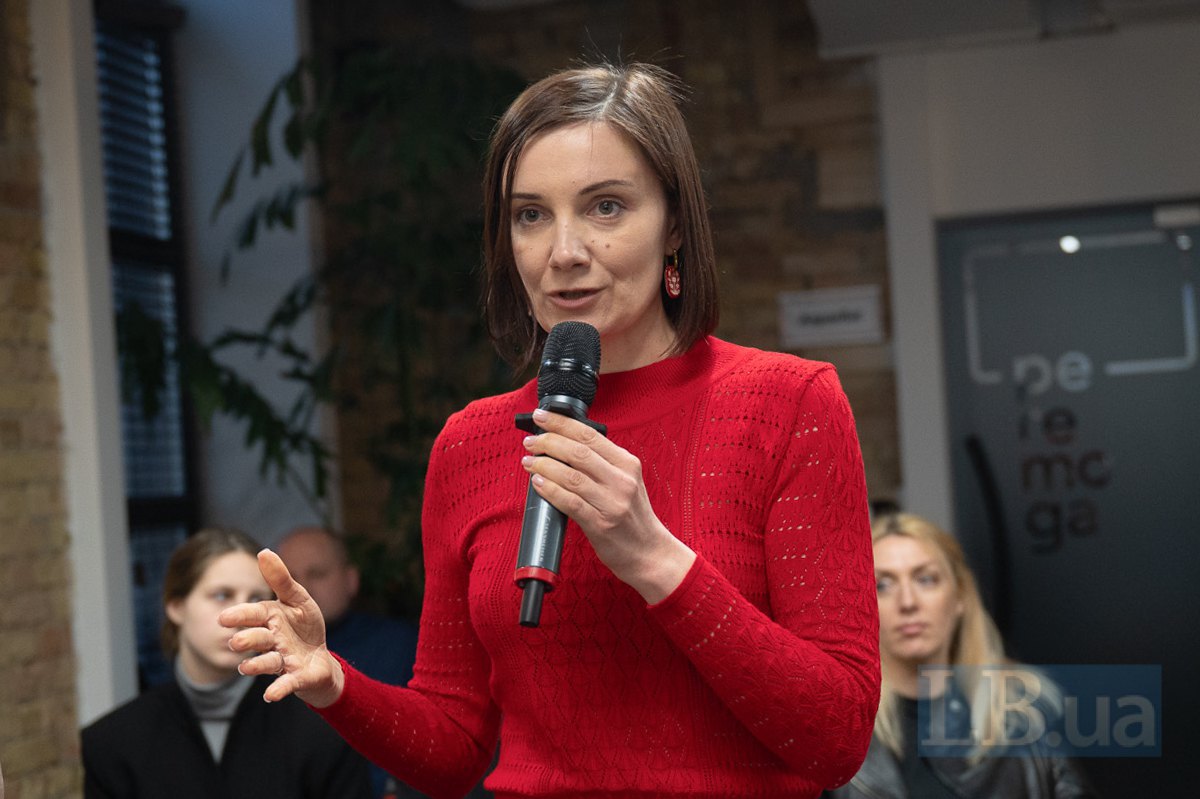
Current and former government officials, MPs, entrepreneurs, business representatives and members of the public also joined the discussion. As of February this year, there are 4.4 million Ukrainians in European Union countries, and their numbers are gradually increasing, says Ella Libanova. A further 700,000 or so are in other countries.
“The bulk of them left in the first half of 2022. Very few have returned — fewer than a million of those who left not on business trips or holidays. With every month of the conflict, fewer people will return, as they are adapting abroad,” notes Libanova. “There is also another very troubling aspect. We are facing a second wave of migration following the lifting of martial law. It was mainly young women with children who left. If families have remained intact and women have settled abroad, there is a very high probability that it will not be the women who return, but the men who will go to join them.”
“There will be second and third waves of migration and family reunification, both within Ukraine and, unfortunately, outside its borders. People will also change jobs and places of residence within Ukraine, as there are a very large number of internally displaced persons in the country. We will not be able to accurately assess the situation until at least two years after the end of hostilities,” adds Arsen Makarchuk, Head of the State Statistics Service. For now, however, he notes that the population is indeed declining, and the birth rate in particular is falling. Whilst the birth rate was 7.3 in 2021, by 2025 it stands at fewer than six births per thousand women.
The Ministry of Foreign Affairs regards Ukrainians abroad as an important strategic resource, emphasised Maryana Betsa, Deputy Minister of Foreign Affairs. The ministry’s priority remains ensuring consular protection for Ukrainians abroad and safeguarding their rights and interests; however, the next step is to maintain the strongest possible connection with Ukrainians and preserve their identity. Various measures are now being introduced to strengthen this connection.
“We have seen just how important Ukrainians abroad are as a strategic resource for the state in advocating Ukraine’s interests and supporting the country. Advocacy campaigns carried out by Ukrainian communities abroad are a significant contribution to promoting Ukraine’s interests in the EU, increasing sanctions pressure on the aggressor state, and holding Russia to account,” says Betsa.
At the same time, Ukraine should be prepared for the fact that 80% of its citizens may not return from abroad, notes Archimandrite Kyrylo Hovorun, Director of the Huffington Institute in Los Angeles. This conclusion is based on studies of similar situations.
“I am not an expert on migration, but I participated in a project at Georgetown University dedicated to migration issues. Together with experts, including those from the UN system, we studied situations in various regions of the world. The general conclusion is that in situations similar to Ukraine’s, where the middle class leaves due to military conflict — people who are able to leave and adapt to a new environment — 80–90% declare at the point of departure that they intend to return, yet around 80% do not return. These are average figures across different cases,” he explained.
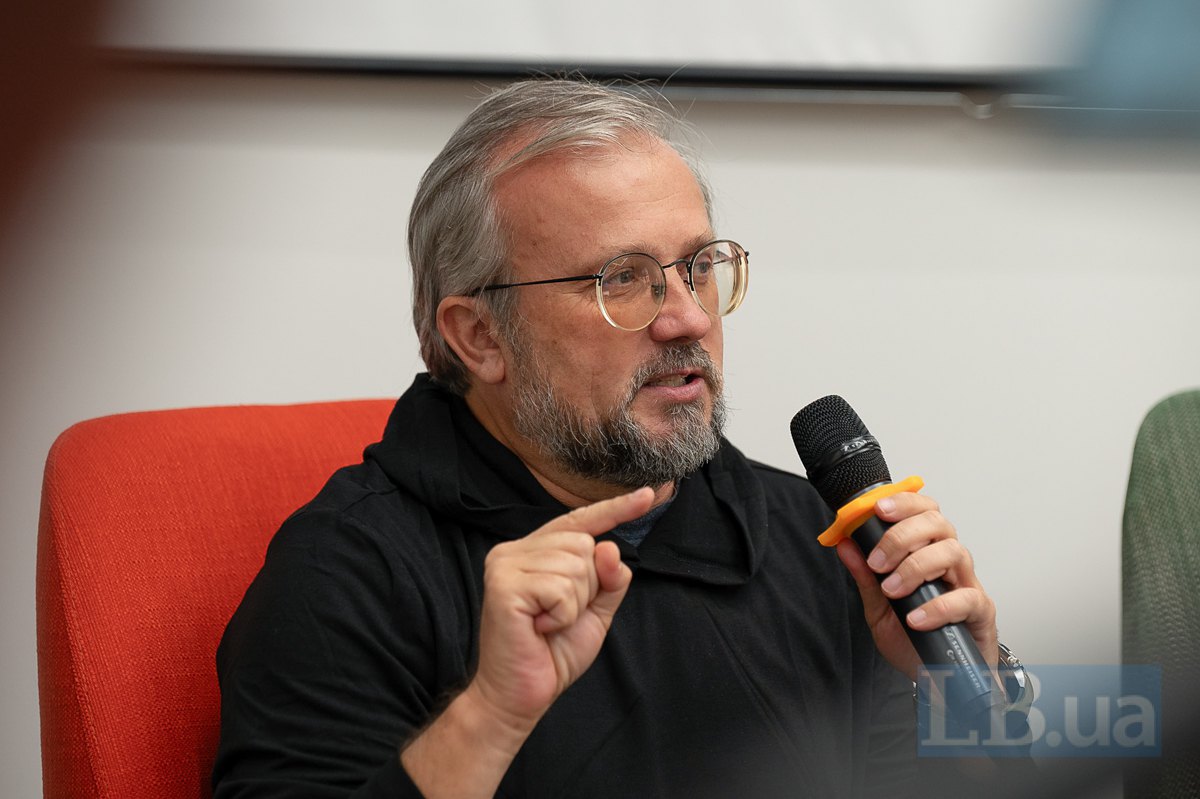
According to businessman Ihor Liski, the state must now fight for every individual, as people represent the country’s economic potential, and it must adopt a clear policy on whom it seeks to bring back. “We need to look at the figures to understand how much a day of war costs — not only in terms of money, infrastructure, security and wages, but also in terms of how many people will not return. For example, if 10 people do not return each day, that equates to roughly 5 million hryvnyas. Economically, one million people correspond to 50 billion in GDP. A million people who are uncertain about returning represent 50 billion in GDP per year in a peacetime economy. When you examine these figures, the conversation changes entirely. How much is the state prepared to invest to secure 50 billion?” the businessman remarked.
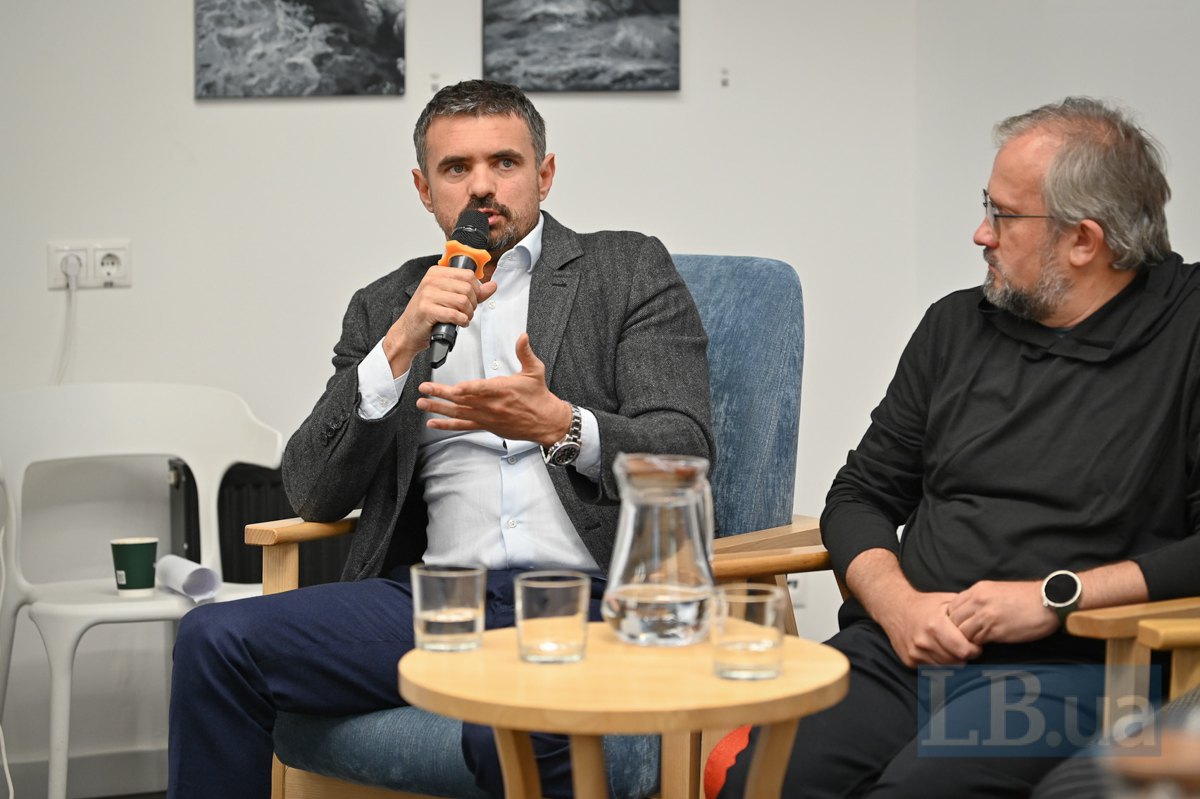
Minister of Social Policy Denys Ulyutin believes the time has come to speak openly about the need to change the social contract and social policy in the country.
“For 30 years, we have been building a system of social paternalism. Now we want to change that. As Minister of Social Policy, I believe that social benefits should be time-limited. There must be social services that enable people to become self-reliant and return to the economy,” states Ulyutin, noting that 13 million Ukrainians are currently recipients of social services. In his view, the change in state strategy should focus on involving as many people as possible in the labour market. “We have not made full use of this resource,” the minister asserts.
Look out for a detailed version of the discussion coming soon on LB.ua.