







“We realise that we need to build a new backup heating supply system for the city of Kyiv, and we see this as a priority.
Kyiv’s critical infrastructure is highly centralised. From an environmental perspective, that is excellent. However, from a security standpoint, it is a vulnerability. I do not want to disclose sensitive information, but we are dealing with large TPPs that are extremely difficult to protect due to numerous vulnerable components. While we are working on physical protection and key facilities will be secured, the main priority, based on this winter’s analysis, is to develop new backup capacity for facilities that cannot be protected 100 per cent. These are ambitious and complex projects. However, I am confident that, together with the government — not only in terms of funding, but also through the mobilisation of technical and organisational resources — we will implement them. In parallel with constructing new facilities, we must also restore those that have been damaged,” said Panteleyev.
According to him, around 3 billion hryvnyas were spent on restoring damaged equipment during preparations for the last heating season. After this winter, however, the condition of the facilities is such that “it breaks my heart”, Panteleyev noted.

The resilience plan for Kyiv (which has not yet been approved, as it requires further refinement — Ed.) предусматриває the construction of a backup heating network. A specific decision has already been made regarding an area near Teremky, which is supplied with heat by TPP-5, Panteleyev said.
“There were problems there in winter because this area is at the end of the heat supply chain, with the corresponding consequences. A concrete solution has been identified: to lay pipelines and connect to the Teremky boiler house, which is currently being modernised with additional boilers and units installed. The cost is estimated at one billion hryvnias. This work is ongoing, and the project is feasible.
As for the rest of the TPP-5 zone, it is more complicated due to the terrain and the plant’s capacity. It is the most powerful power station in Ukraine. Therefore, separate solutions will be required, including the construction of new boiler houses (90 per cent of which will be funded by the city — Ed.). This will effectively amount to building a new backup heat supply system,” said Panteleyev.
In addition, the local authorities are installing cogeneration units, which, if necessary, will supply power to the city’s critical infrastructure. However, fully replacing consumption with cogeneration in Kyiv is unrealistic, Panteleyev believes.
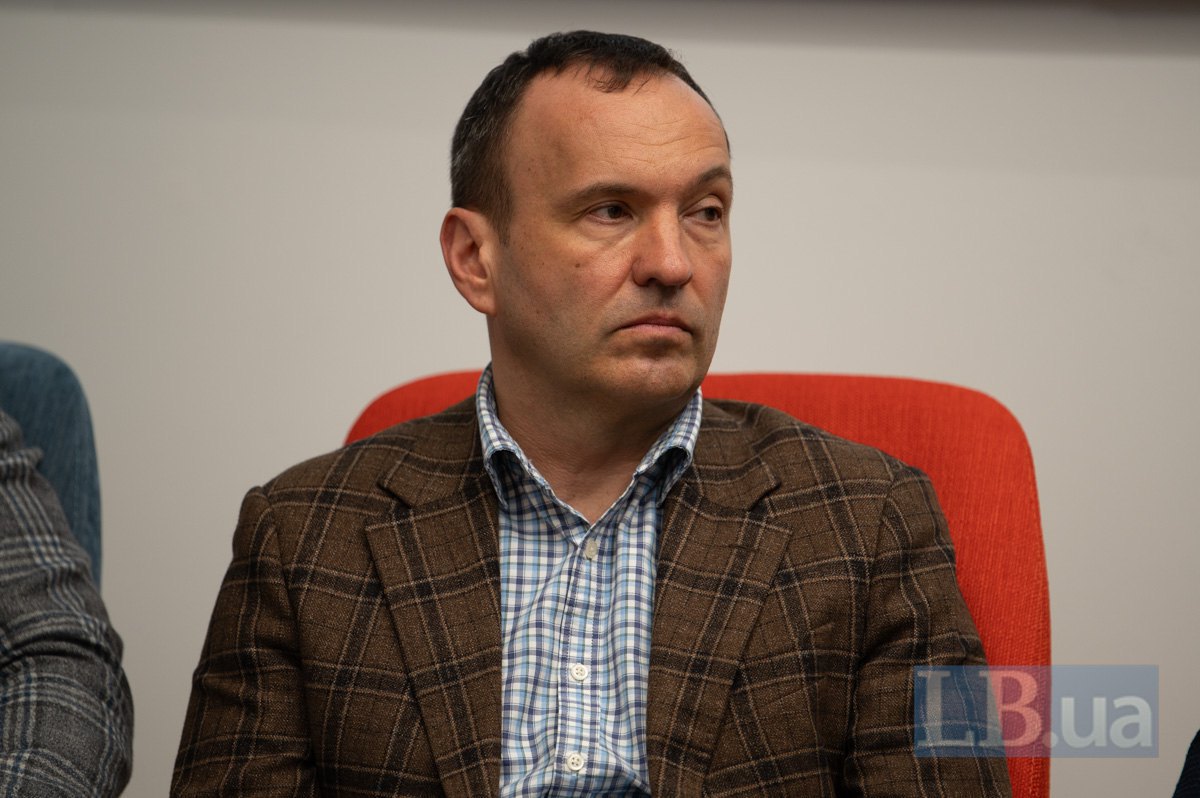
“We were the first to raise the issue of distributed energy and to approve the concept. We began purchasing cogeneration units back in 2024. Are there enough? No. We need more, and we will continue to develop this area,” he added.
Thirdly, the city is actively developing co-financing programmes for residential buildings.
“There are five such programmes, and Kyiv residents have been using them actively for several years. It was precisely those who took advantage of them — more than 1,000 buildings — who felt relatively comfortable [last winter]. Some buildings were completely self-sufficient and independent of the city’s networks for up to two days.
Moreover, the government has introduced a new programme to install generators, funded by the state, in buildings where the heating system depends on electricity,” Panteleyev noted.
Given these challenges, the city budget requires revision, the Deputy Head of the Kyiv City State Administration stated.
“The city is preparing a budget review to allocate additional funds beyond those already available. Currently, measures worth around 10 billion hryvnyas are being implemented, but this is not sufficient. The budget will be revised to allocate as much funding as possible for these measures,” said Panteleyev.