






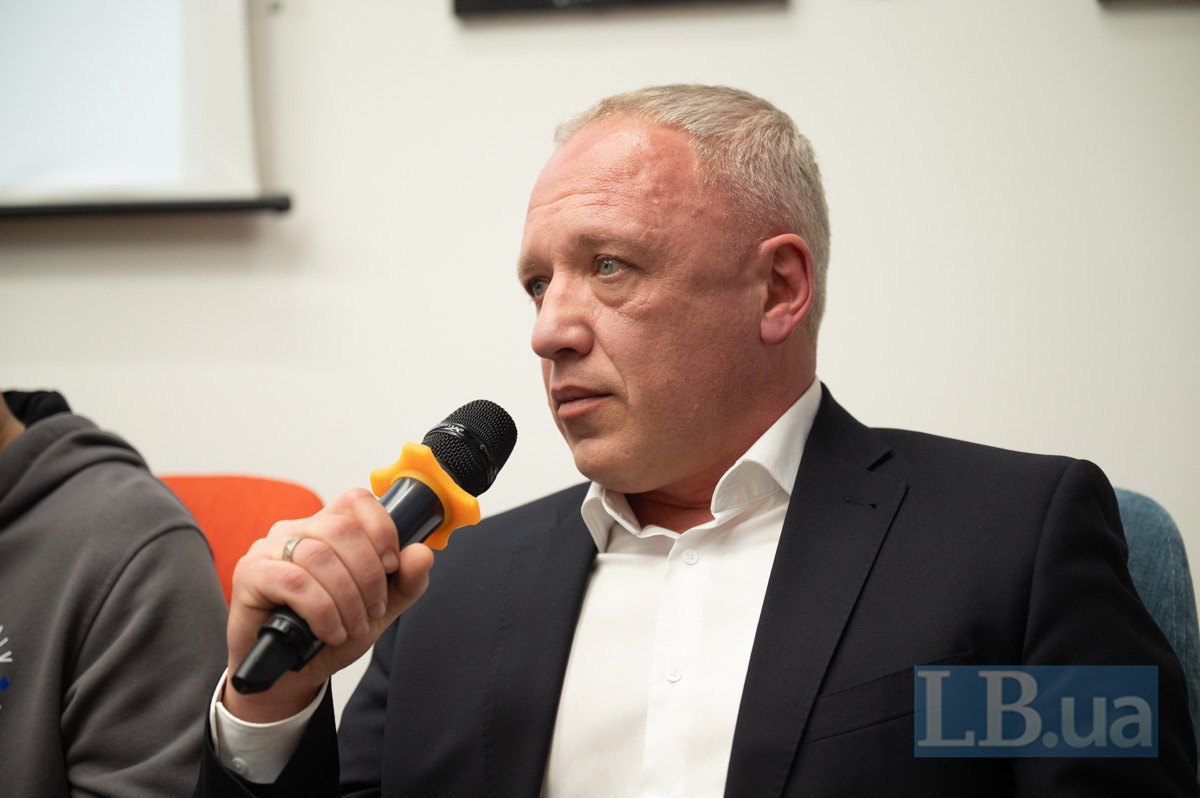
“I wouldn’t say we’ve made any drastic changes (in preparing to defend critical infrastructure and for the coming winter. — Ed.). We are continuing to implement the plans we have developed over the past 23–25 years. As for cogeneration, we have installed four units and plan to install another five.
As for the renovation of boiler houses, this year we have sought to merge two networks so that, in the event of an air raid or damage to one network, the other can cover two neighbourhoods, including the affected one. The plan is to interconnect all three. It is very expensive, but we will complete it within the year,” noted Roman Klichuk.
Funds to implement these plans, he said, are being sought “wherever possible”: from the local budget, donors, and through cooperation with the government. “We are not turning down any help,” said the mayor of Chernivtsi.

Moreover, discussions are currently underway with the government regarding the protection of water intakes and water supply; whereas the focus was previously on electricity, it has now shifted to the supply of water and heat.
According to the mayor of Chernivtsi, the city also has co-financing programmes for energy independence in buildings, implemented through housing associations or housing cooperatives. Last year, 12 buildings took advantage of such programmes. In the first month of this year, another seven did so. After this winter, the city’s leader is confident, there will be far more such cases involving alternative energy supply.
“I am certain that the coming winter will be even tougher, but I am convinced that, together with the government and local authorities, we will do everything possible to get through it as smoothly as possible,” notes Klichuk.
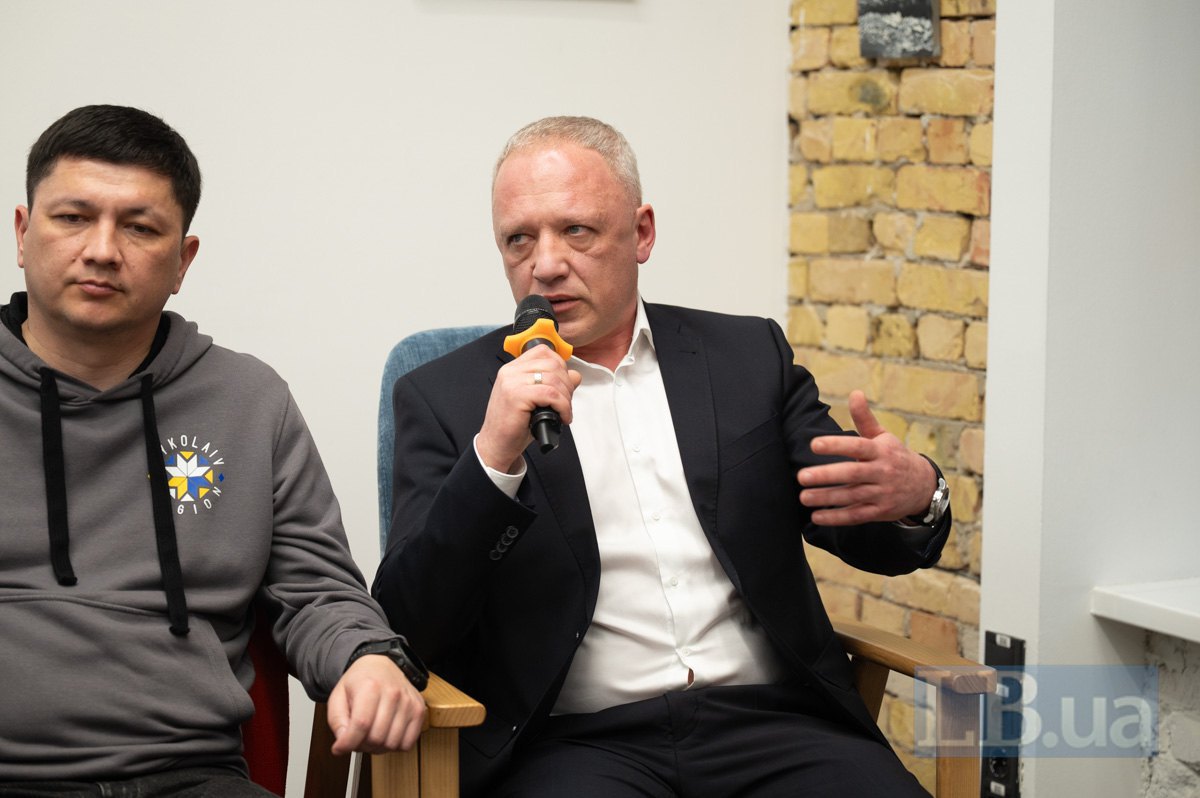
He adds that the city’s successful preparation for winter and the protection of critical infrastructure depend largely on cooperation between the mayor and the head of the military administration.
“It is precisely when they work as a team, rather than in conflict. I am already working as a team with the current head of the military administration; I was in conflict with the previous one. If we had had the current head a year ago, I am convinced we would have been far better prepared for winter,” concluded the mayor of Chernivtsi.