






Way back in 1987, Donald Trump published his book The Art of the Deal. In this work, which remained on the bestseller list for many weeks, the future president formulated a number of interesting recommendations on how to negotiate properly in order to achieve the desired result. Think big; use leverage to gain an advantage; be unpredictable and ready to walk away at any moment; defend your position; combine the carrot and the stick; never show that you really need the deal — these are some of the key tips from the businessman.
Perhaps Trump really does sometimes use these rules in his business life. But in his dialogue with Putin, the American leader is generally quite predictable, weak and, at times, pitiful. Over the past year, the Russian president has managed to undermine the authority of the White House leader on more than one occasion. He has portrayed him as a weak man who does not follow through on his threats. He has openly ignored calls to cease fire and begin real negotiations on a peace agreement. And in return, he has not received any retaliation or punishment.
Trump’s behaviour towards Russia is not at all like that of the leader of a global power that claims world hegemony. There is no place in it for the slogan “peace through strength” that the American president used to use. However, there is room for demonstrating strange zeal towards Moscow.
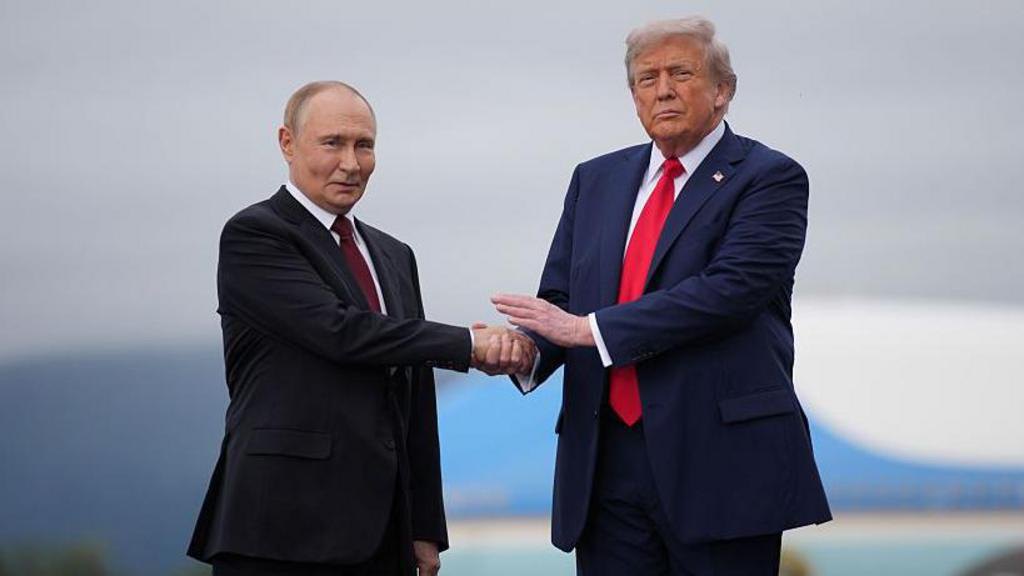
For example, to appease the Kremlin and Putin’s personal ego, the US has effectively removed any mention of Russian aggression against Ukraine from its public rhetoric. This is supposedly to avoid further irritating Moscow by reminding it of its criminal actions. Now the talk is of an abstract ‘Russian–Ukrainian conflict’ or ‘war in Ukraine’ that must be stopped. At the UN, the US does not vote for resolutions condemning Russian aggression. It also unofficially pressures European countries not to allow frozen Russian assets to be used to finance Ukraine’s needs.
The Kremlin has managed to impose its style of communication on Washington. In these negotiations, Putin is largely following the rules of Trump’s playbook. The American president and his chief negotiators think like businessmen rather than politicians when communicating with Russia: narrowly and from the perspective of potential economic gain. The Russians, on the other hand, take a more comprehensive approach.
The question of profit is secondary in Putin’s worldview. His actions and vision of the world are based primarily on ideology, however cynical and criminal it may be. His main goal is not lucrative contracts with the Americans, but the restoration of the Russian empire and the territorial expansion of the ‘Russian world’. It is also the global strategic defeat of the West and the dismantling of the old system of international relations. But Trump is unable to understand the root causes of Russian aggression.
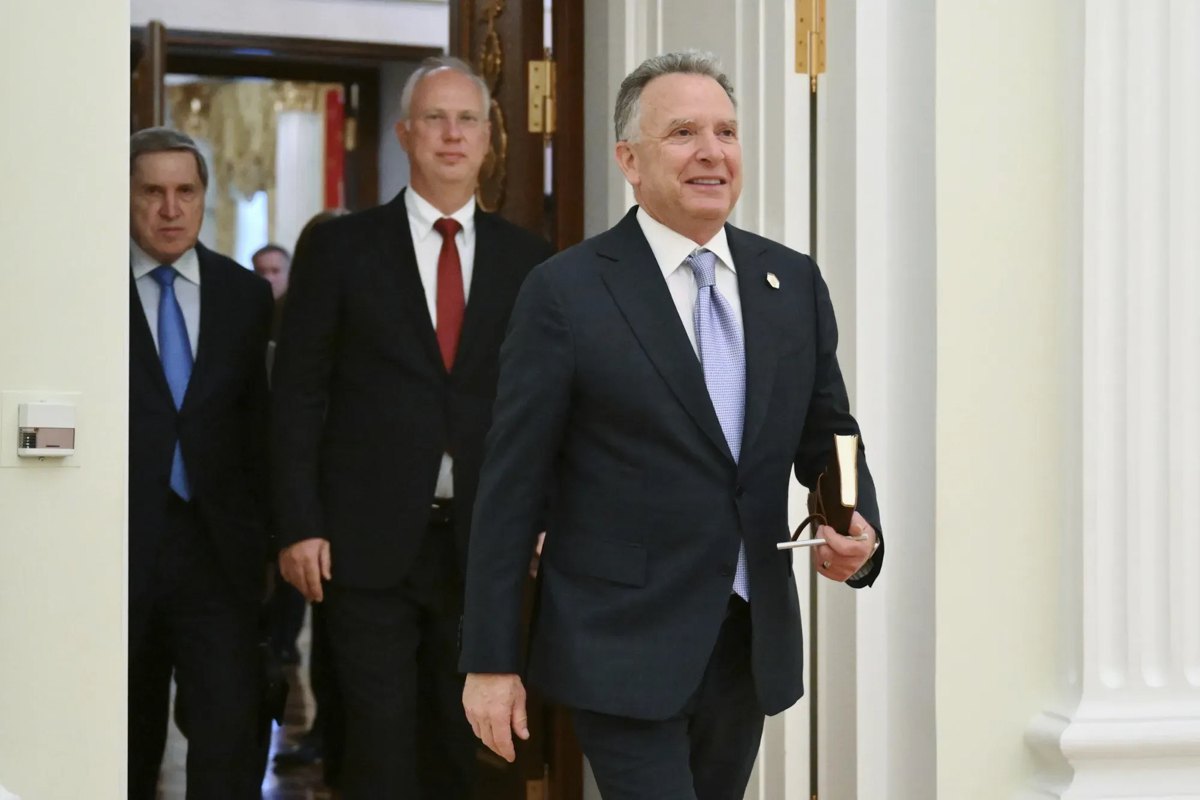
By believing that complex global political issues can be resolved by disregarding principles, morals and the interests of allies, the American president demonstrates narrow-mindedness rather than broad thinking.
If Donald Trump had adhered to his own rules of negotiation in his dialogue with Putin, he would have started from a position of maximum leverage. Maximum leverage means putting the Kremlin under the real threat of strategic military defeat and subsequent disintegration. However, the opposite is happening.
It is not Trump but Putin who dominates this process. Moscow first declares that it will not back down from any of its maximum demands, including the ‘denazification’ and ‘demilitarisation’ of Ukraine and the replacement of the government with a pro-Russian one. Then, as if to meet America halfway, Putin conveys that he is ready to settle for the withdrawal of Ukrainian troops from Donbas and a reduction in the size of the Armed Forces of Ukraine. Trump perceives this as a significant concession by Russia and begins to pressure Ukraine, while simultaneously building plans in his own imagination for joint business with the Russian Federation.
Read alsoCynical diplomatic games
Acting according to the canons of Trump’s book on the art of deal-making, Putin often pretends that he does not really need the agreement. He says that Russia will get what it wants either by military means or through negotiations. It seems that Putin has an inexhaustible limit for leaving the negotiation process and returning to it. He can imitate negotiations and then break them off under a far-fetched pretext. Or he can shift the blame onto the Ukrainian side, knowing that Trump will not dare to get too angry with his Russian colleague anyway.
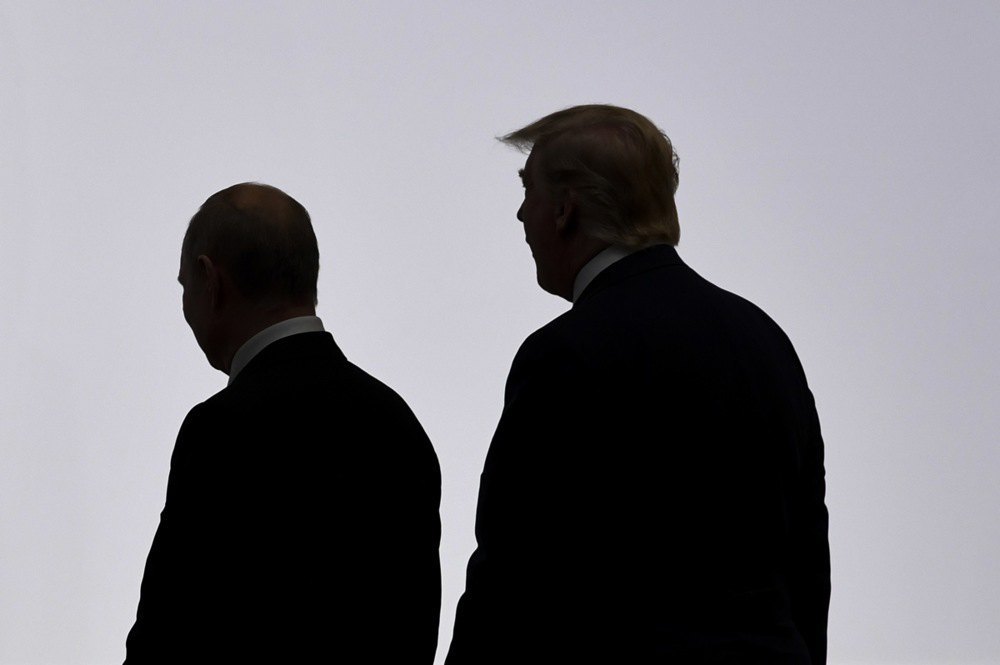
Putin’s dominance over Trump is complemented by psychological manipulation. In conversations with the American leader and his envoys, the Russian president often cites absurd figures and distorts historical facts. He tempts Americans with the benefits of economic cooperation and hints at a possible cooling of relations with China. He psychologically manipulates the American president’s weaknesses, playing on the vulnerable strings of his soul. Compliments, timely phone calls, greetings and even expressions of sympathy — Putin uses all of this to keep Trump under control.
The new edition of the US National Security Strategy, released on 5 December, largely reflects some of the foreign policy illusions characteristic of Donald Trump’s current administration. While rightly expressing concern about the state of affairs in Europe and the civilisational challenges facing the Old World, the Strategy somehow failed to recognise other obvious threats, particularly the Russian one. Seeing and criticising the internal problems of European countries, which are natural allies of America, while ignoring Russian aggression, is nothing more than double standards. And the statements about “restoring strategic stability with Russia” and abandoning NATO’s expansion policy reveal an attempt to escape reality.
Although Trump once favoured the slogan “peace through strength,” the current foreign policy of the White House and its attitude towards Russia is primarily about “peace through weakness.” And weakness always encourages bad guys like Vladimir Putin to embark on new adventures of conquest.