







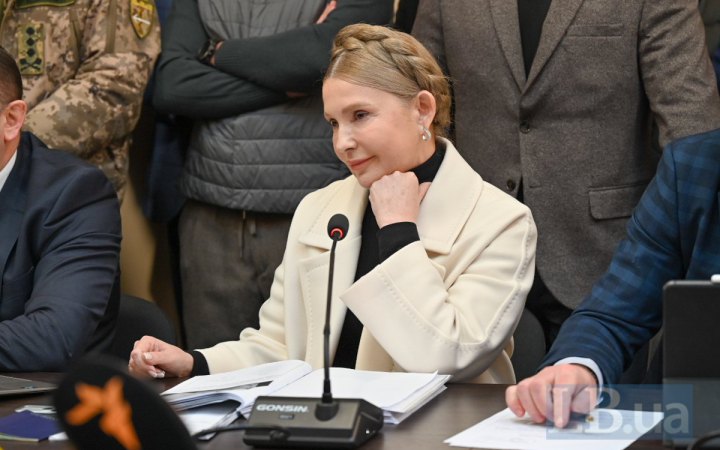
The High Anti-Corruption Court has imposed a preventive measure on Yuliya Tymoshenko, leader of the Batkivshchyna party. The court ordered bail in the amount of 33 million 280 thousand hryvnias.
Under the ruling, the MP must appear before investigators and the court upon first summons, may not leave Kyiv Region without permission, and must refrain from communicating with a number of fellow members of parliament.
The court partially granted the motion. The Specialised Anti-Corruption Prosecutor’s Office had sought bail of 50 million hryvnias, while Tymoshenko requested either a personal recognisance or no preventive measure at all.
Before the hearing began, Tymoshenko described the case as “unequivocally political”. An LB.ua correspondent reports from the courtroom.
In addition to granting media access, the HACC organised a live online broadcast of the hearing.
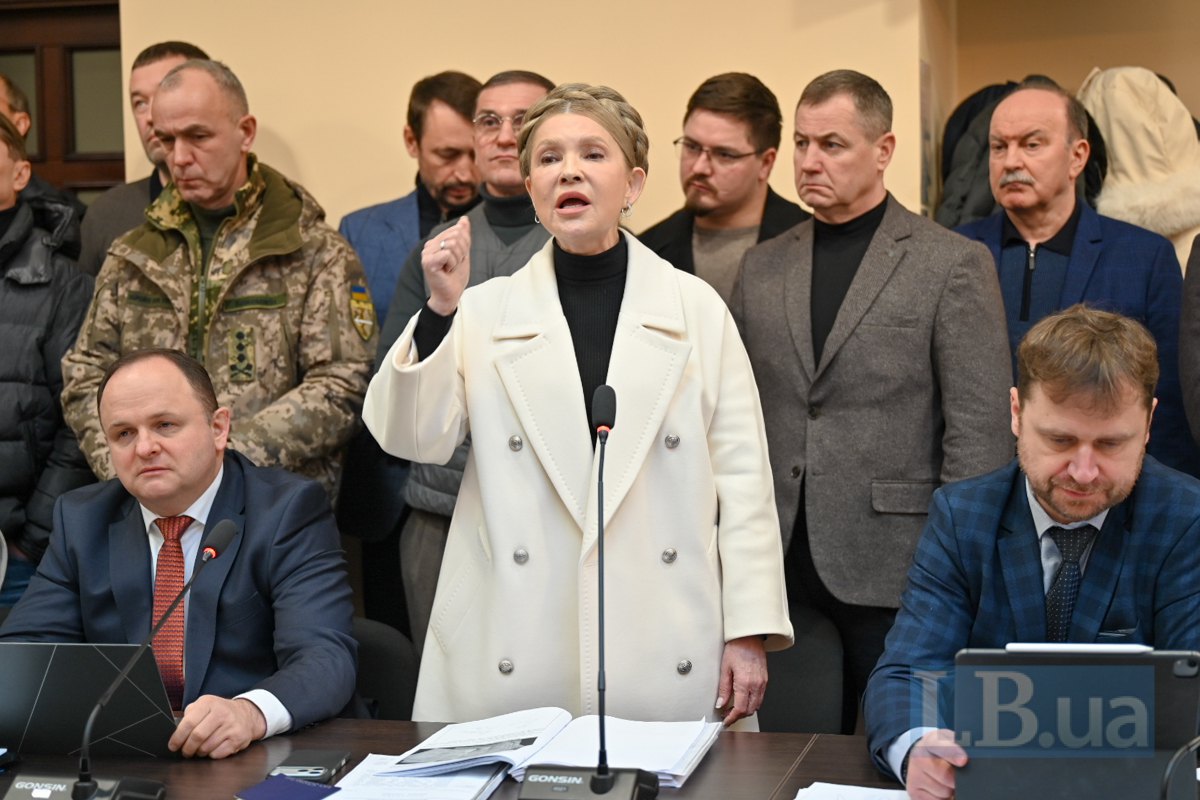
“Any hope that the court acted fairly remains, for now,” the MP said.
Asked by journalists who had “set her up”, she said the audio recording presented by NABU was “fabricated”. She denied that the cited conversation ever took place and added that she would request access for herself and her defence team to the original recording in order to submit it for forensic examination.
She also described the money seized by NABU and the Specialised Anti-Corruption Prosecutor’s Office from a Nova Poshta parcel as “family savings” that had been kept at her workplace.
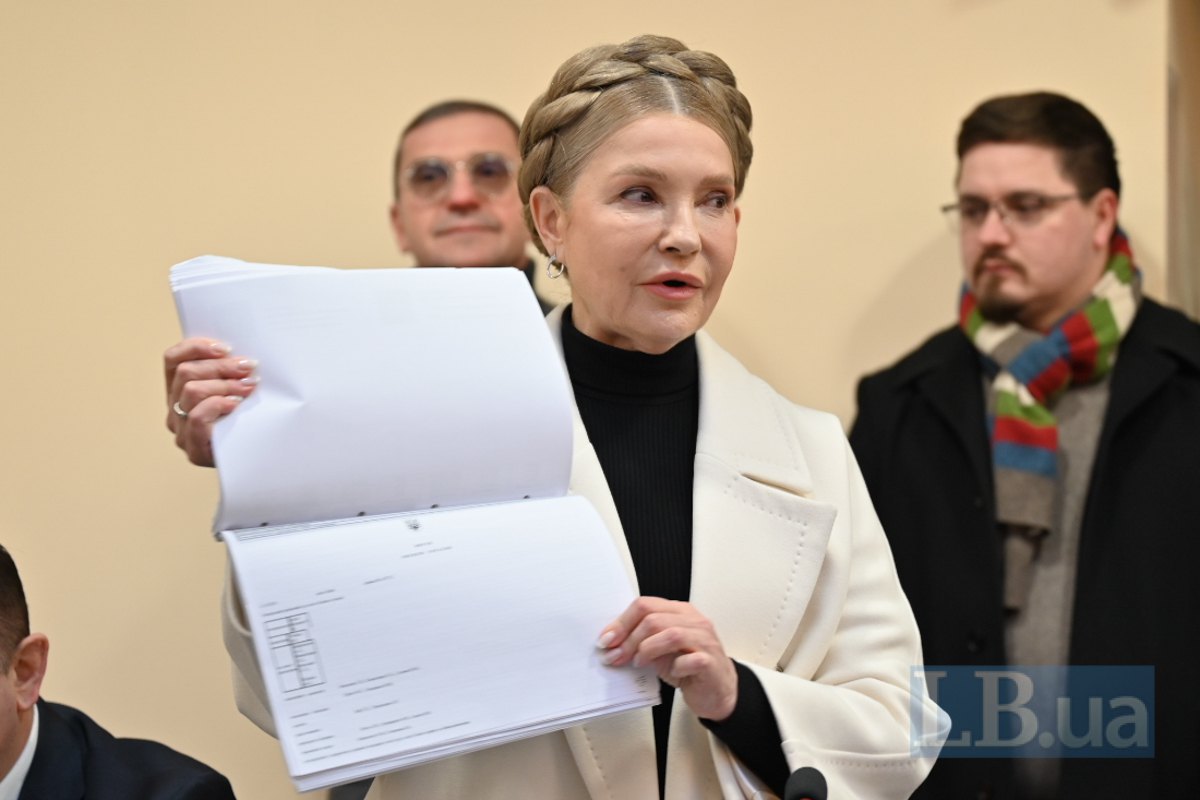
Tymoshenko also said that, in substantiating the preventive measure, NABU had included the verdict issued by Judge Rodion Kireyev, the judge who once sent her to prison.
“Yanukovych’s evidentiary base is NABU’s evidentiary base,” the MP commented.
The prosecution cited excerpts from intercepted conversations involving Tymoshenko which, according to prosecutors, demonstrate that she was aware of the criminal nature of the actions in question: she allegedly used equipment to detect wiretapping and suggested meeting at home rather than in high-rise buildings.
The conversation also mentioned the surnames of other MPs, though the prosecutor did not name them publicly. Tymoshenko, however, said the conversation was with MP Kopytin, against whom NABU is conducting a case. She believes he was “under pressure from NABU” and cooperated with investigators against her in order to secure a mitigation of the charges.
“Such conversations may have taken place — as a faction leader, I always talk about voting, about not voting, we look for like-minded colleagues within our faction,” she said.
“Kopytin, in order to free himself from criminal liability, handed something over to NABU or did everything to have it compiled in a way that does not correspond to reality,” she added.
The High Anti-Corruption Court has imposed a preventive measure on Yuliya Tymoshenko, leader of the Batkivshchyna party. The court ordered bail in the amount of 33 million 280 thousand hryvnias.
Under the ruling, the MP must appear before investigators and the court upon first summons, may not leave Kyiv Region without permission, and must refrain from communicating with a number of fellow members of parliament.
The court partially granted the motion. The Specialised Anti-Corruption Prosecutor’s Office had sought bail of 50 million hryvnias, while Tymoshenko requested either a personal recognisance or no preventive measure at all.
Before the hearing began, Tymoshenko described the case as “unequivocally political”. An LB.ua correspondent reports from the courtroom.
In addition to granting media access, the HACC organised a live online broadcast of the hearing.
“Any hope that the court acted fairly remains, for now,” the MP said.
Asked by journalists who had “set her up”, she said the audio recording presented by NABU was “fabricated”. She denied that the cited conversation ever took place and added that she would request access for herself and her defence team to the original recording in order to submit it for forensic examination.
She also described the money seized by NABU and the Specialised Anti-Corruption Prosecutor’s Office from a Nova Poshta parcel as “family savings” that had been kept at her workplace.
Tymoshenko also said that, in substantiating the preventive measure, NABU had included the verdict issued by Judge Rodion Kireyev, the judge who once sent her to prison.
“Yanukovych’s evidentiary base is NABU’s evidentiary base,” the MP commented.
The prosecution cited excerpts from intercepted conversations involving Tymoshenko which, according to prosecutors, demonstrate that she was aware of the criminal nature of the actions in question: she allegedly used equipment to detect wiretapping and suggested meeting at home rather than in high-rise buildings.
The conversation also mentioned the surnames of other MPs, though the prosecutor did not name them publicly. Tymoshenko, however, said the conversation was with MP Kopytin, against whom NABU is conducting a case. She believes he was “under pressure from NABU” and cooperated with investigators against her in order to secure a mitigation of the charges.
“Such conversations may have taken place — as a faction leader, I always talk about voting, about not voting, we look for like-minded colleagues within our faction,” she said.
“Kopytin, in order to free himself from criminal liability, handed something over to NABU or did everything to have it compiled in a way that does not correspond to reality,” she added.
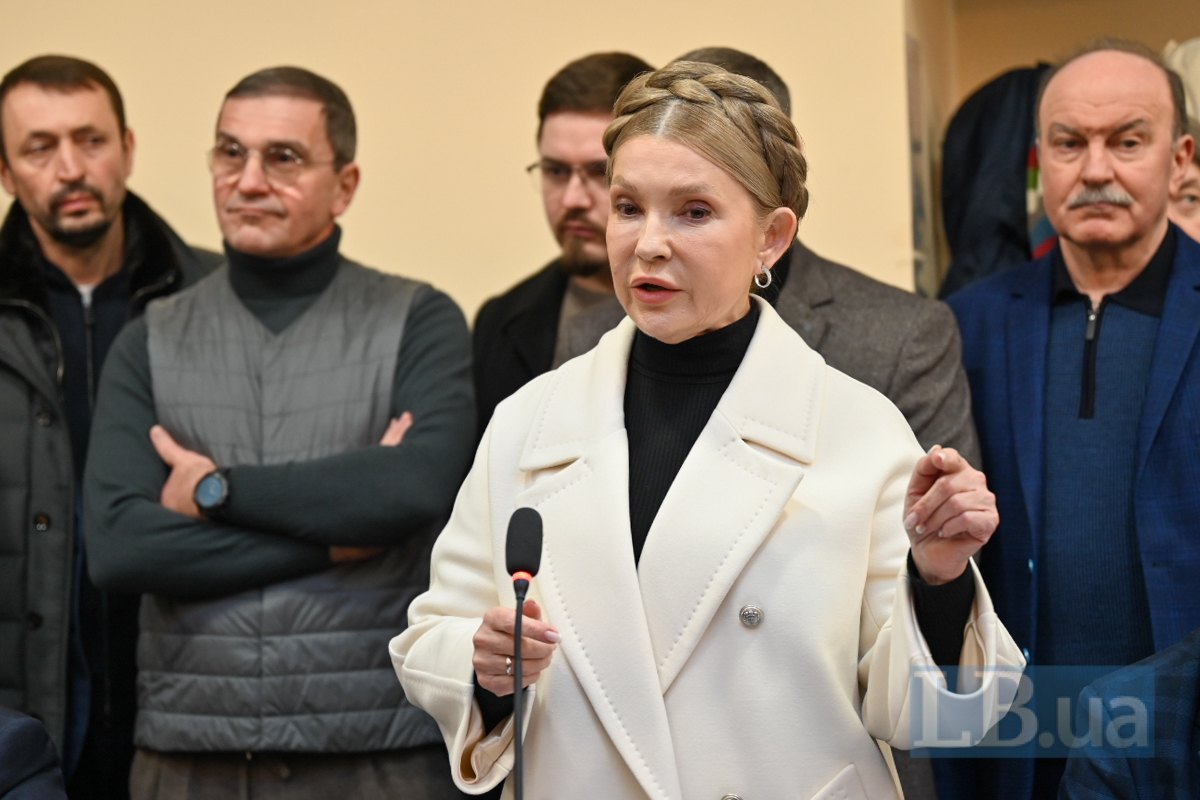
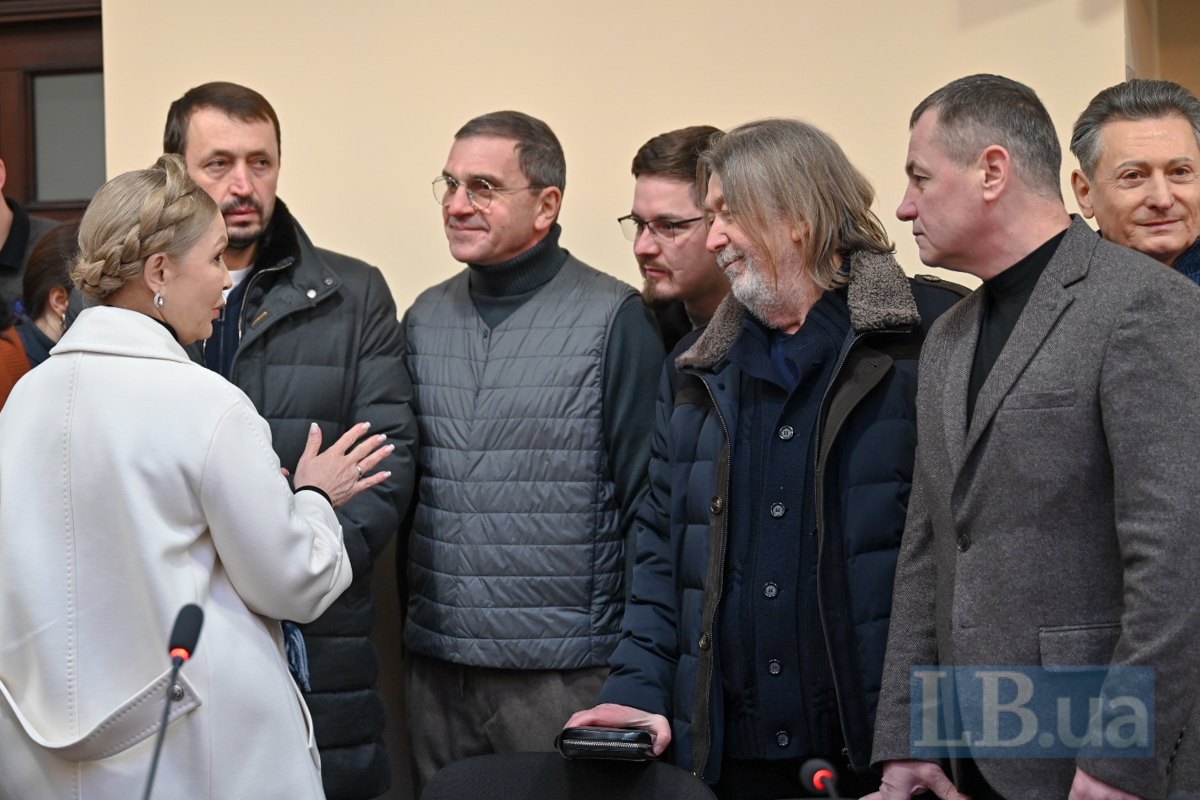
The MP denied that the conversation in question concerned finances.
Ihor Kopytin is an MP from the Servant of the People party.
The prosecution said that an iPhone 13 was seized from Tymoshenko which had only the Signal messenger installed and contained correspondence with just one contact. Prosecutors described this as a high level of conspiracy, claiming that “the communication concerned the involvement of trade unions in political life”.
A Samsung smartphone was also seized, with the messenger Threema installed, which operates only after payment. However, the account had not been activated.
In addition, the prosecutor reported that draft notes were found in Tymoshenko’s bag containing surnames of Servant of the People MPs and marks indicating their voting behaviour, as well as other draft lists of deputies. All these lists were disguised using male names such as Andriy and Serhiy, as well as the note “full list”. Tymoshenko said these were lists sent to her by her aide for analysis.
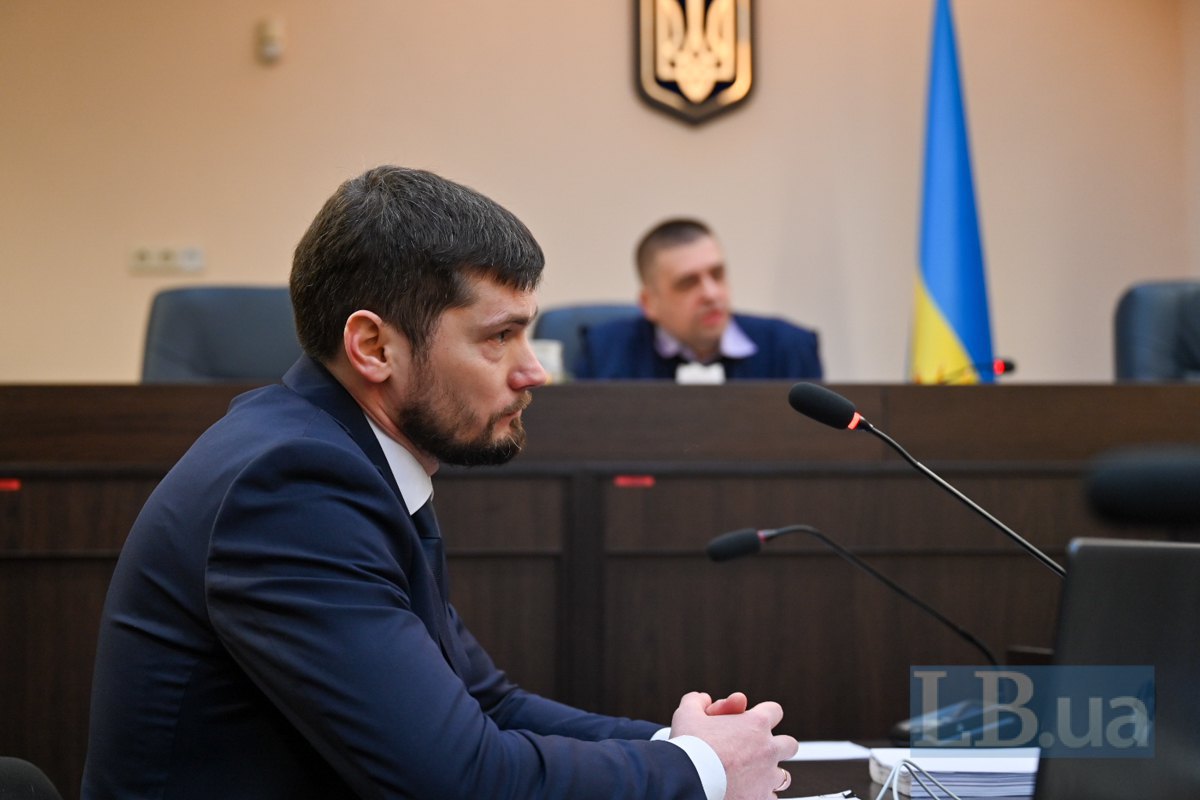
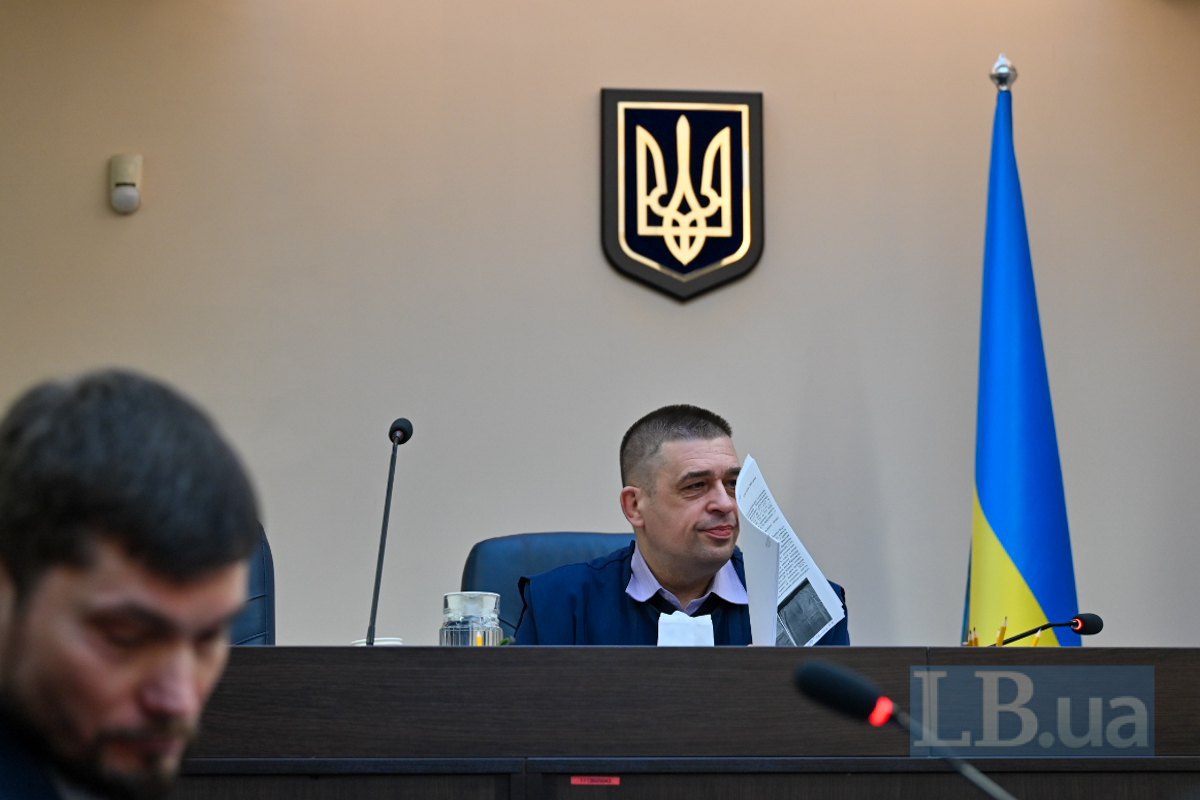
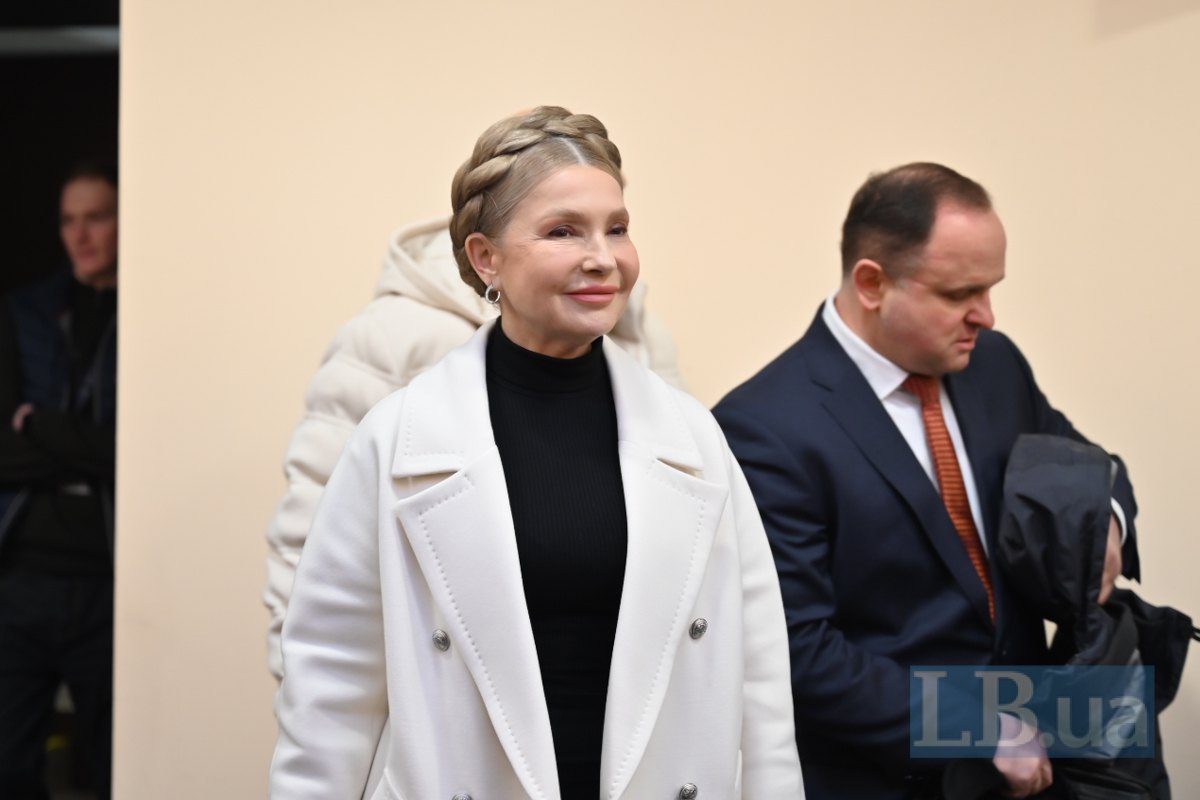
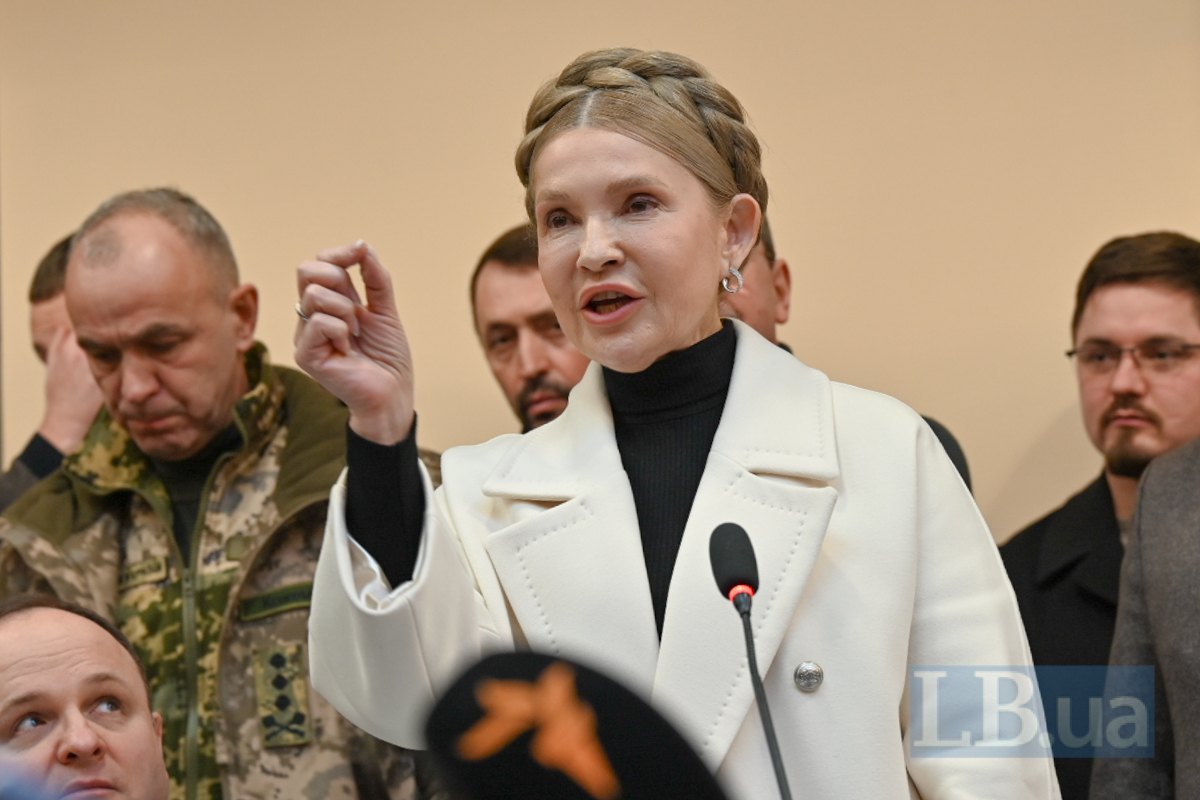
Tymoshenko urged the judge not to impose a preventive measure on her, or alternatively to limit it to a personal recognisance. Her defence added that she would need to travel abroad in January and February for work-related events.
She also assured the court that she had never given money to MPs throughout her political career.
The Tymoshenko case
Yuliya Tymoshenko was formally notified of suspicion on 14 January. NABU and the SAPO said they had documented an offer of systematic undue benefits to MPs allegedly made by the leader of a parliamentary faction. They released recordings of conversations in which the faction leader offers an MP from another political force money — referred to as “a tenner” — in exchange for supporting certain decisions. According to investigators, the payments were to be made monthly in return for specific voting behaviour. In particular, the discussions concerned voting to dismiss certain officials, refusing to vote on appointments, supporting the inclusion of draft laws on the parliamentary agenda but abstaining from voting on the bills themselves. One of the audio recordings includes the phrase “to bring down the majority”. According to the investigation, the MP decided to take advantage of a parliamentary crisis that emerged after corruption among Servant of the People MPs was exposed, when they were found to be receiving cash payments in envelopes for “correct voting”.
The suspicion was announced under Part 4 of Article 369 of the Criminal Code of Ukraine — offering, promising, or providing an undue benefit to an official holding a particularly responsible position, or actions committed by an organised group or its member. The offence is punishable by five to ten years’ imprisonment, with or without confiscation of property.