






Parliamentary prospects
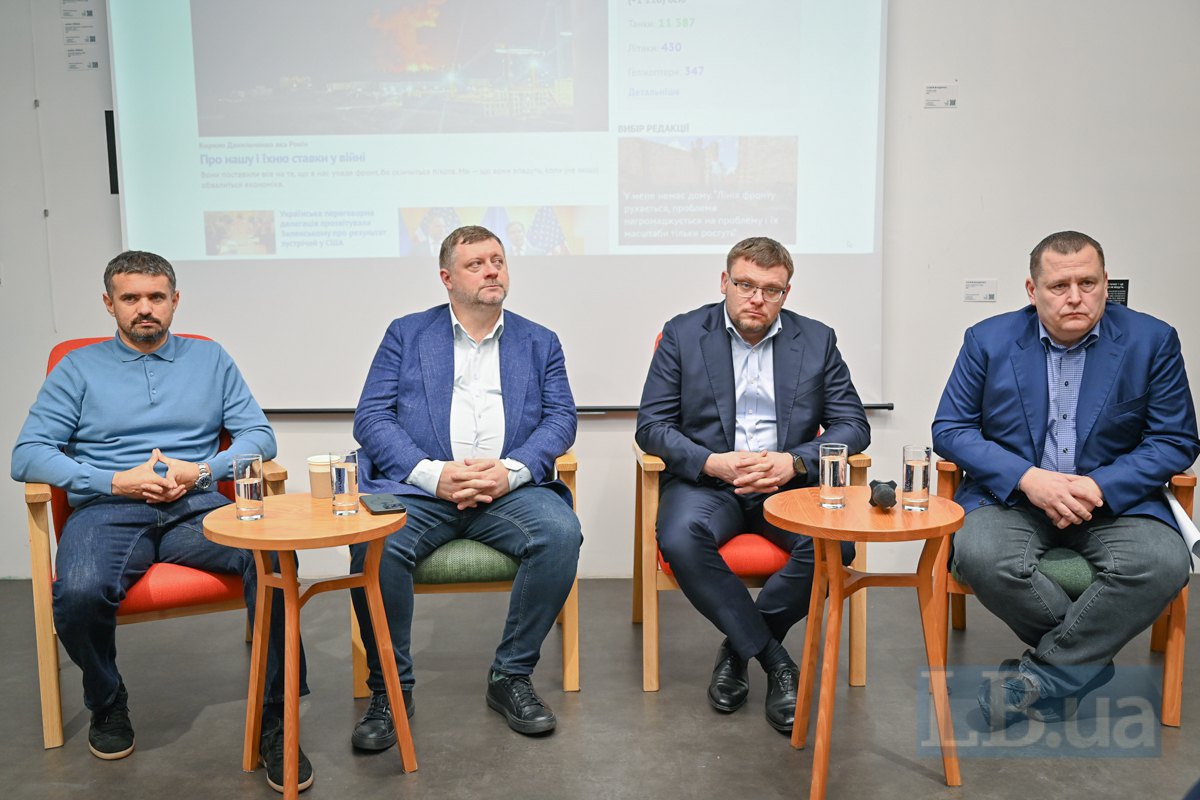
Despite well-founded concerns, the Verkhovna Rada still approved the budget for 2026, on which not only domestic spending but also the attraction of external financing depends. According to First Deputy Speaker Oleksandr Korniyenko, MPs had no alternative — none of them wanted to see crowds of dissatisfied Ukrainians outside their windows, because without a budget everyone would be left without salaries, including the military, teachers and doctors.
However, more broadly, the first deputy speaker notes that parliament is not particularly constructive. No scenarios for overcoming the domestic political crisis — such as a government of national unity or any format for restarting the coalition — currently enjoy support.
“When it comes to current tasks, such as the Ukraine Facility, which also deliver financial results, albeit not as systematically, there will, of course, be political struggle, blockages, amendments and a sluggish process. A scenario of a sluggish political battle in the Rada,” Oleksandr Korniyenko predicts. Meanwhile, the Verkhovna Rada still has to approve two ministers, vote on European integration laws, review the budget, and more.
“I am confident that this budget will be reviewed quickly for the first time. Usually, over the past three years, we have revised the military component in the middle of the year, around July. But there may be factors that will force us to revisit the budget earlier. The situation with our partners is very difficult. They did not please us with the latest EU decision (the European Central Bank refused to provide reserve financing for the payment of €140 billion to Ukraine. — Ed.). And we are working with them again to understand their position fully,” Korniyenko said. “It is clear that it appears they should finance us, because we are their frontier here — as a country and as an economy. But these discussions, which conceal the democratic devil in the details, lead to delays in financing and cash gaps, which is especially difficult for a country in the midst of war.”
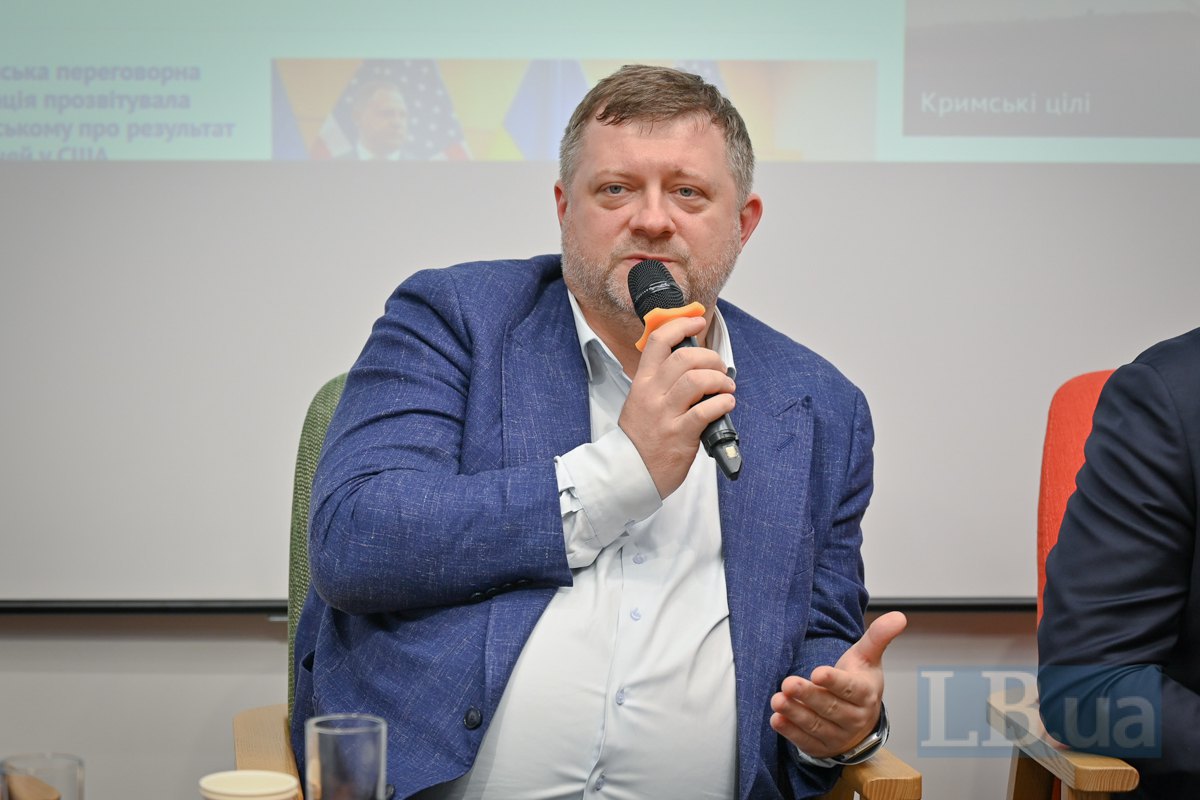
The situation is also noteworthy because, as the first deputy speaker observes, most current MPs — at least from the Servant of the People party — do not intend to run in the next election.
“We will determine who in this team wants what and where they want to go. I speak to my colleagues and so far I do not see many who want to remain in politics. After seven years in office, many have exhausted themselves, which is understandable,” the parliamentarian notes.
In his view, this is also significant because the rules for future elections have usually been set by those who wanted to start over, and in this parliament there are not many willing to run in the next one.
However, the first deputy speaker, who previously headed the Servant of the People party, believes that the “servants” do have a political future — if not within the party, then certainly as individual political actors.
“We have about 5,000 local council deputies and 200 heads. Of course, they always belong to a party and can easily change parties. But there are certain things we would like to preserve. For example, a strong international track record: Zhenya Kravchuk is a vice-president of the European party ALDE (Alliance of Liberals and Democrats for Europe — Ed.), which is a modest local success in European politics. It is a liberal party with a faction of 70 members in the European Parliament. And this, too, is a form of influence,” Korniyenko said.
At the same time, he believes it is too early to draw up a map of post-war elections, as the situation is constantly changing — there are already assumptions that the next parliament will consist largely of military personnel, or that it will be highly fragmented and diverse.
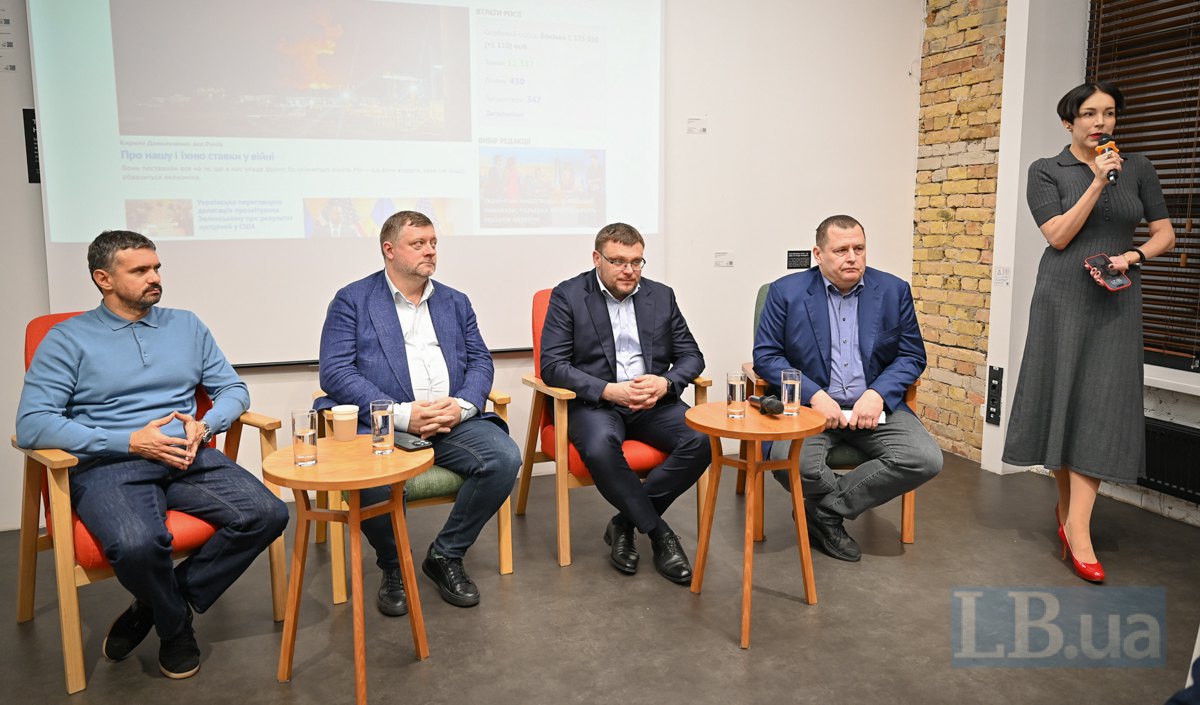
In addition, Oleksandr Korniyenko believes that international partners will also have an influence on determining the most appropriate electoral rules for the situation. After all, there are almost 7 million Ukrainians living abroad, and Ukraine will not be able to organise (and pay for) elections there on its own.
"There are a million voters in Germany. It is unrealistic to do this without the German government," Korniyenko believes.
Can Ukraine be forced to hold elections during the war as part of a "peace agreement"?
Oleksandr Korniyenko noted that everyone is unanimous in their opposition to this — both politicians and the public.
"This only causes widespread outrage. The government, the opposition and civil society organisations all emphasise that such agreements stipulate elections when there is civil war in the country, not when there is aggression and one country has invaded another. This was written by Olha Ayvazovska, and I fully support her. Everyone is on the same page here: we will decide for ourselves when and how to hold elections, especially since there is enormous demand for this in society, and no one will manipulate or delay this," said the first deputy speaker.
In his opinion, negotiators from Ukraine should remove issues such as NATO membership from the agenda altogether. This is because the course towards NATO, for example, is enshrined in the Constitution, and the 9th Verkhovna Rada will not be able to change it.
"It takes two sessions [and a constitutional majority vote of 300 votes]. And any truce means the end of martial law and immediate elections. We simply don't have time," said the first deputy speaker.
In addition, in the context of a peace agreement, Korniyenko noted that at present, the Verkhovna Rada does not understand at all between whom and whom any agreements will be signed and that they themselves will have to ratify them at the parliamentary level.
Corruption and anti-corruption
We have already published Semen Kryvonos' detailed answers to questions about the activities of the NABU. Now we will outline the general framework.
The National Anti-Corruption Bureau did not intend to influence the political situation in the country, says NABU head Semen Kryvonos. The agency is apolitical and its task is to investigate crimes in accordance with the law.
However, since the crisis has occurred, the focus should not be on this, but on ways to overcome it in a manner that satisfies Ukrainian society, emphasises the head of NABU.
"I am optimistic about this. I hope that the authorities — the parliament, the Cabinet of Ministers, the president — will show leadership, and we will emerge from this crisis stronger.
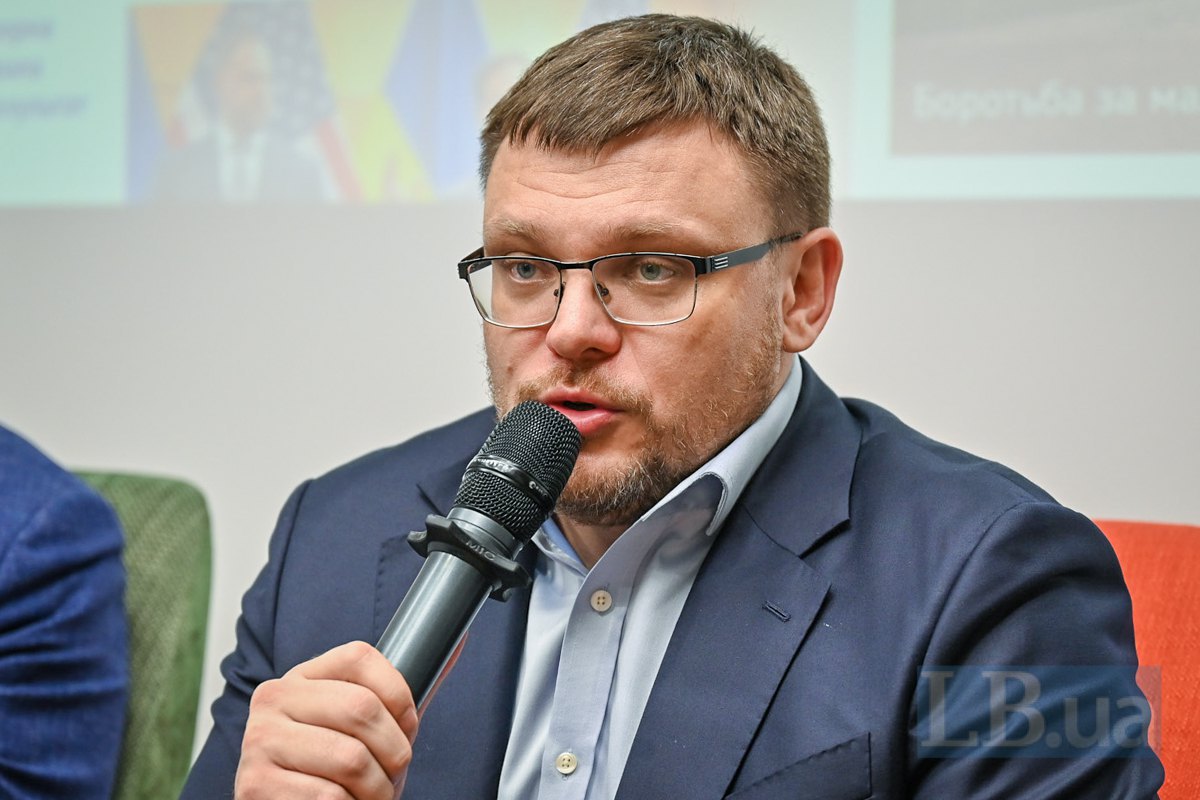
It is time to reform institutions and make them more independent. It is time to implement anti-corruption reforms envisaged in Ukraine's plan for accession to the European Union. And I hope that we will have close cooperation with the new Minister of Justice in this regard," said Semen Kryvonos.
According to him, no foreign country helped or was involved in the investigation of the Midas case, and any insinuations to that effect devalue the desperate work of the detectives.
"I say this without any exaggeration, out of respect for the detectives and prosecutors who investigated this crime: there was no external influence or secret technologies, aliens, reptilians, or mythical creatures involved in this investigation. This is the exclusive work of NABU and SAP prosecutors, who did their job with a high level of professionalism," Kryvonos said.
At the same time, he noted the enormous influence of society in making such an investigation possible.
"The only one who helped was society on 23 July, thanks to which the investigation became possible. I am happy that Ukrainian society influences us, protects us, stands behind us, stood behind us then, perhaps without even fully realising what it would see. The rest is conspiracy theory," emphasised the head of NABU.
He also rejects the assumption that such a large-scale exposure of corruption and its consequences for the country play into the hands of the Russians.
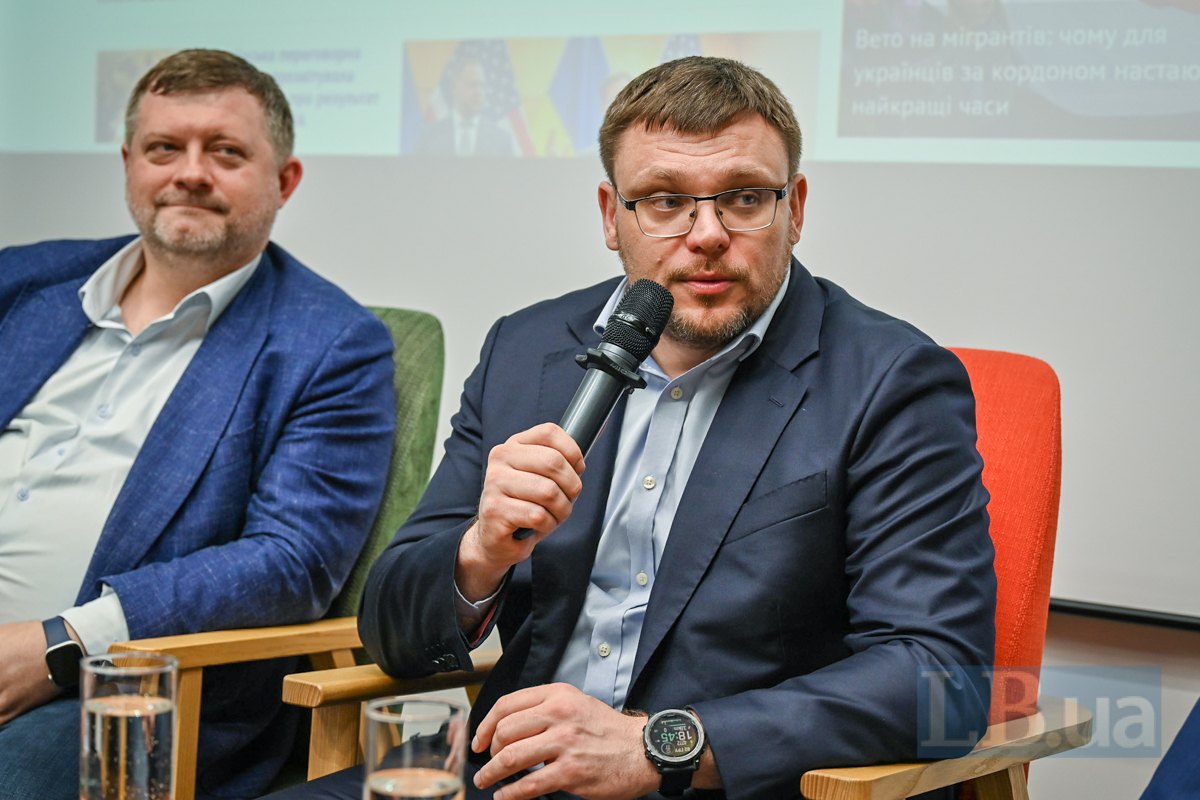
Corruption is what plays into the hands of the Russians. Those who steal from the budget and take bribes are working for the Russians. Internal corruption weakens the country.
…If we want to be effective and win, we must overcome corruption. Ukraine has everything it needs to do this. There are anti-corruption institutions, some of which are broken and need to be repaired and given more guarantees of independence. But this is already a political framework, the domain of people's deputies. Incidentally, they have a clear plan from the Europeans, which they need to follow," said the head of NABU.
Semen Kryvonos reported that the Bureau has now moved to the financial investigation stage in the Midas case. And the State Financial Monitoring Service is even showing some signs of cooperation in this regard.
"My first deputy, who coordinates the detective unit, is now actively communicating with the Financial Monitoring Service. I cannot disclose these things," Kryvonos added. "But after we started communicating a lot about this, there are certain signs of movement."
The bureau has begun to receive preliminary responses from Finmonitor, particularly regarding episodes of investigation in the defence sector, Kryvonos said. If the State Financial Monitoring Service does not demonstrate speed and quality in processing the remaining requests, the Anti-Corruption Bureau, after it has entered the public stage, may seek international legal assistance.
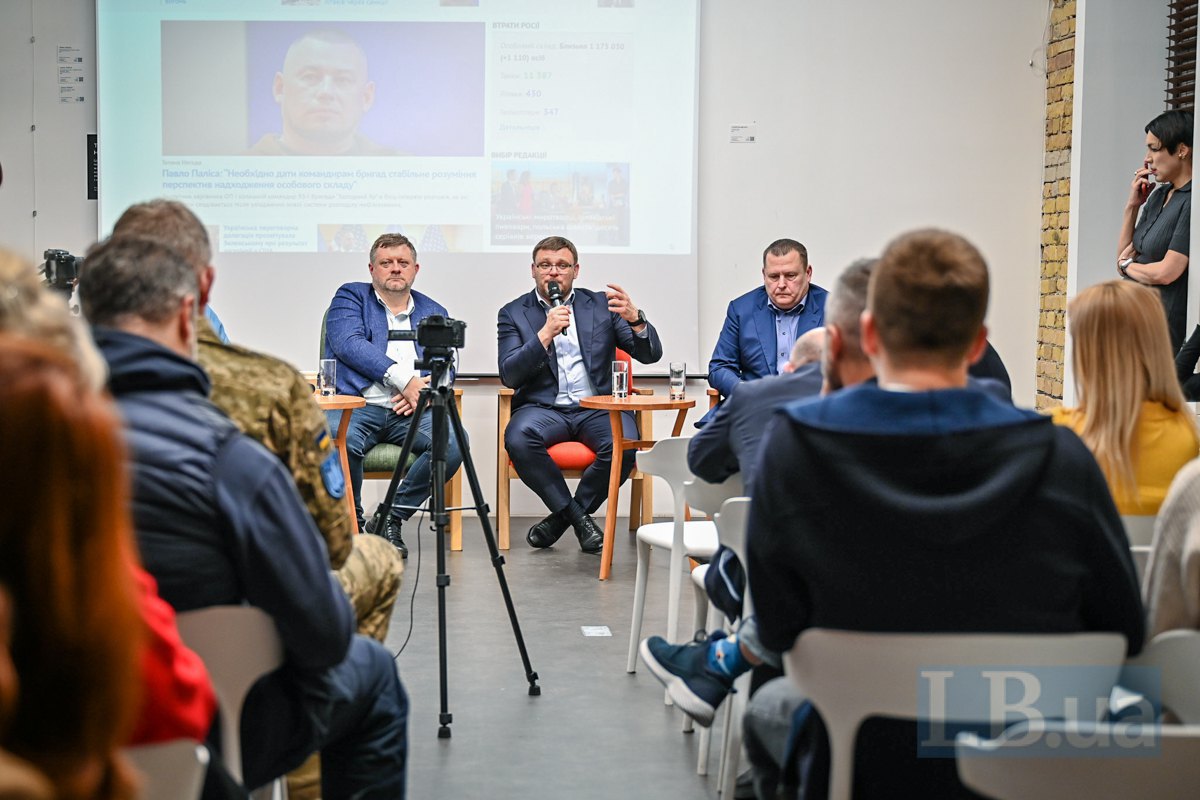
Former Defence Minister Rustem Umerov is currently a witness and has given testimony. Semen Kryvonos did not disclose any details in the interests of the investigation.
He also did not say whether charges were being prepared against former OP head Andriy Yermak.
"Charges are brought when there are sufficient grounds for doing so and evidence has been gathered. If it has not been served, the pre-trial investigation continues. This is a question of whether there are grounds at the time of a particular investigative action at the pre-trial investigation stage.
...No person guilty of a crime identified in the pre-trial investigation by NABU has managed to escape responsibility. I can answer this question in this way," Kryvonos outlined.
Former Energy Minister Svitlana Hrynychuk has no procedural status, and the head of the Bureau did not provide information about her whereabouts when answering the question of whether it was true that Hrynychuk had left the country.
At the same time, he said that a number of criminal proceedings had been registered — for surveillance of NABU detectives, for collecting data from closed registers, for tracking search warrants that had been entered into the register, etc.
"Excuse me, but what were employees of various law enforcement agencies doing there [in the registers] on the day these orders were entered, warning those involved that searches would be conducted?
They did not know the specific date, they knew the approximate time frame, because the order is limited in time. Criminal proceedings have been registered on this fact. On the fact of intentional transfer of information and infiltration into the environment of NABU and SAP, the relevant persons as well. This has also been identified, we will bring these persons to justice. Both those who implemented it and those who, excuse me, leaked this information to them," Kryvonos said.
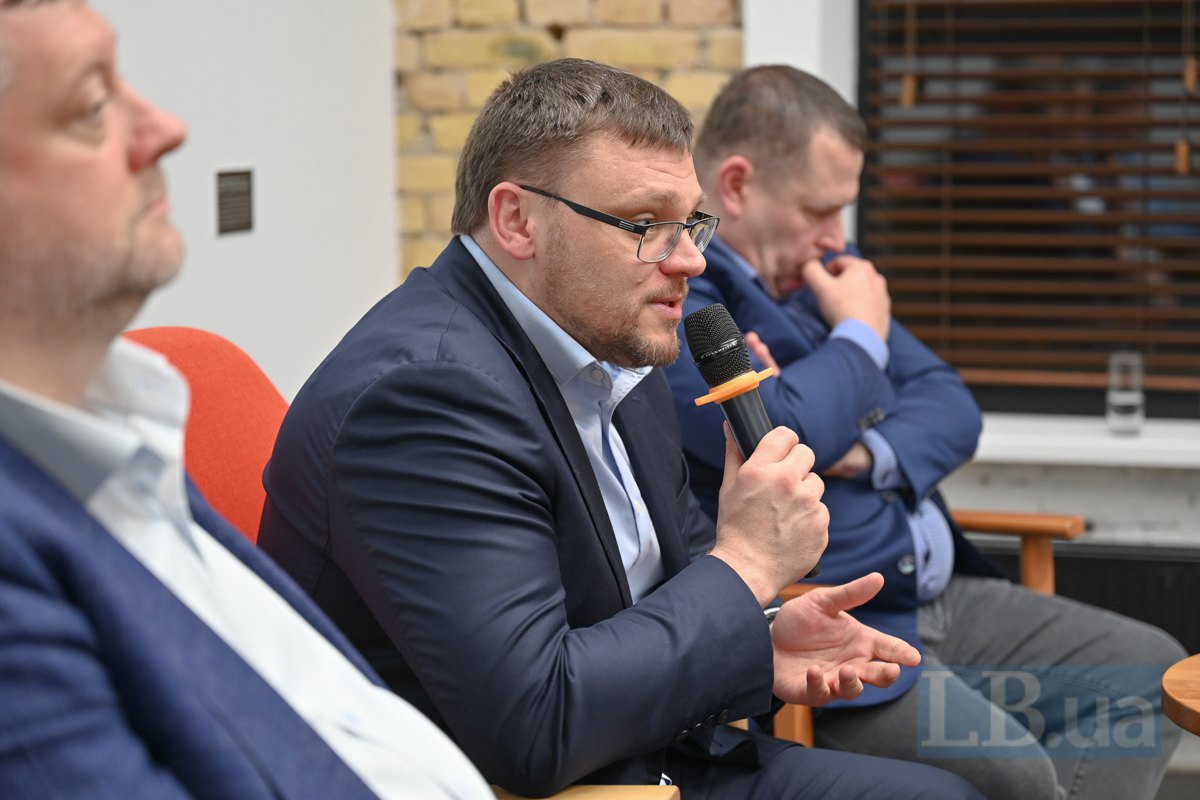
The Security Service of Ukraine has also joined the investigation into episodes of the Midas case concerning possible links with the aggressor state (a colloquial reference to an alleged Moscow apartment used as a bribe. — Ed.), the Bureau’s head said.
“We have already transferred part of the materials to them, and they will investigate their part. As for the ‘Moscow apartment’, we will continue to look into it ourselves for now, but if necessary, we will involve the counterintelligence capabilities of the Security Service of Ukraine,” Kryvonos noted.
How widespread is corruption in the country as a whole? The head of NABU recalled that in 2025 alone, detectives exposed three criminal organisations: in the Kyiv City Council and the Kyiv City State Administration, medical procurement, Energoatom and related areas. (Recently, there was a report about the exposure of a corruption scheme in the defence sector. — Ed.).
"When a back office emerges, it indicates that the institutions it parasitises are weak. And the people who head them have no position. If a person who has no authority, but only influence through proximity, the distribution of finances, through bribes or other means, can influence civil servants and officials in order to solve personal problems and enrich themselves, distributing illegal benefits and corrupting law enforcement officials, this indicates that institutions are not equipped with adequate safeguards and guarantees of independence. They do not work when needed. Somewhere, the law enforcement system, which receives 4, 5, 3, 2, 1 per cent from one tender or another for turning a blind eye to abuses, is breaking down.
Somewhere, the safeguards in the management system of the bodies that make decisions about tenders, land allocation, or raising/lowering barriers are breaking down, somewhere the supervisory board is crookedly appointed. There are many such things. But the issue of institutional weakness is our common task," says Semen Kryvonos.
How many more such back offices are there in the country? "Enough," says the director of the Bureau. "There is still work to be done. In big cities. In various areas. Unfortunately, there are signs of this in the law enforcement system as well."
Are these back offices a "pyramid" with one person at the top? It varies, but it is not one person, says the anti-corruption official.
"I will not say what you want to hear. If it is a back office in a big city, is it headed by one person? It can be headed by different people. It is a fragmented system of siphoning off funds from various sectors. And again: as I said, a back office is created where there is an opportunity to steal and where safeguards do not work," says Kryvonos.
Would it not be more useful for the state to crack down on identified corruption schemes at some stage, rather than documenting them for months (15 months in the case of Midas. — Ed.) and then make them public, causing such turmoil in society and influencing the political situation?" a member of parliament from the Servant of the People party and chairman of the Verkhovna Rada Committee on Legal Policy, Denys Maslov, asked Kryvonos.
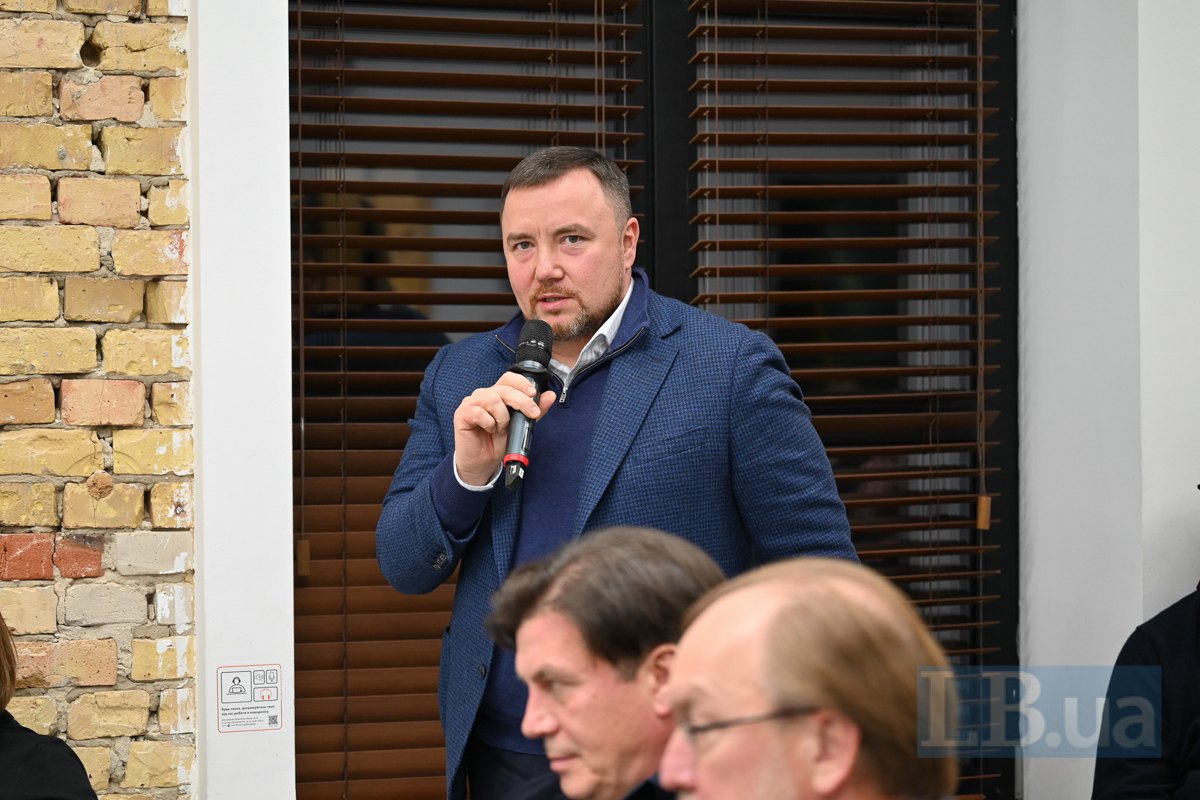
A similar opinion was expressed by his colleague in parliament, Roman Kostenko, a representative of the Voice party. According to him, such a demonstration of the results of the fight against corruption has effectively paralysed the work of state bodies — in some cases, officials in the Ministry of Defence are looking for ways to avoid signing documents or to pass them on to their assistants, which is extremely ineffective during wartime.

The establishment of all episodes and participants in the ‘scheme’ at the moment of transition from the covert stage to the overt stage should have an extraordinary preventive effect, Semen Kryvonos is confident. Even before Operation Midas became public, the NACP provided a number of recommendations to eliminate corruption at Energoatom, he noted, but they did not work.
"Would it have been more effective to write a request that NABU is investigating, oh dear? They would have shrugged their shoulders, pretended to be very afraid, and continued in another facility.
The point is that we left just in time, even though it was painful and led to such things. I think that sometimes you have to do just that to make the positive effects more decisive, profound and systemic. That is why the operation is unique. There have been no such operations in the NABU, and I do not recall such a high level of exposure in others over the past 10 years.
I am not boasting now, I am simply analysing the information available to me. That is why it caused such a resonance. But it also has a really serious preventive effect," says the head of the NABU.
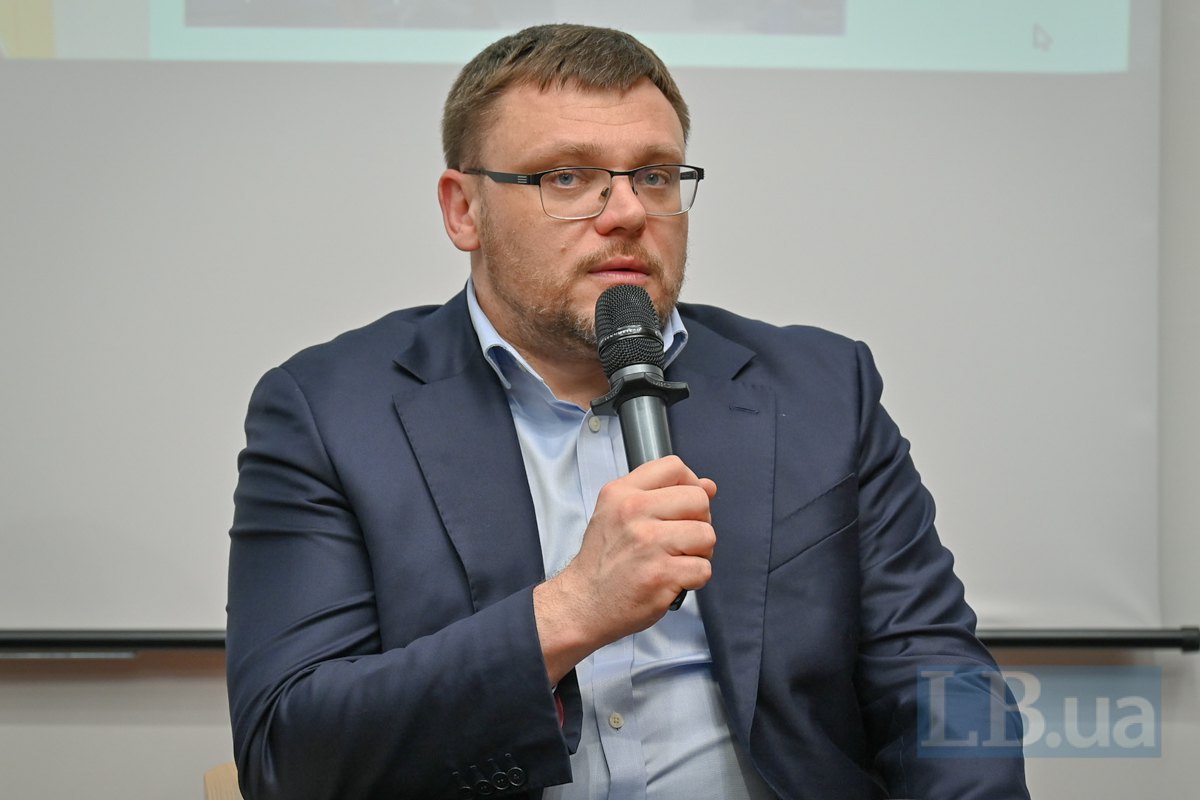
Businessman and chairman of the supervisory board of EFI Group, Ihor Liski, on the contrary, noted the Anti-Corruption Bureau's balanced approach to communicating its results.
"It feels like this is the most mature body in this country. It is so bold and specific in its fight against corruption, while receiving public support and not completely destroying state institutions. Because it could have destroyed everything. It could have communicated in such a way that there would be ruins here afterwards," the businessman believes. In his opinion, parliament, the coalition, the president and other state bodies should behave in the same thoughtful manner.
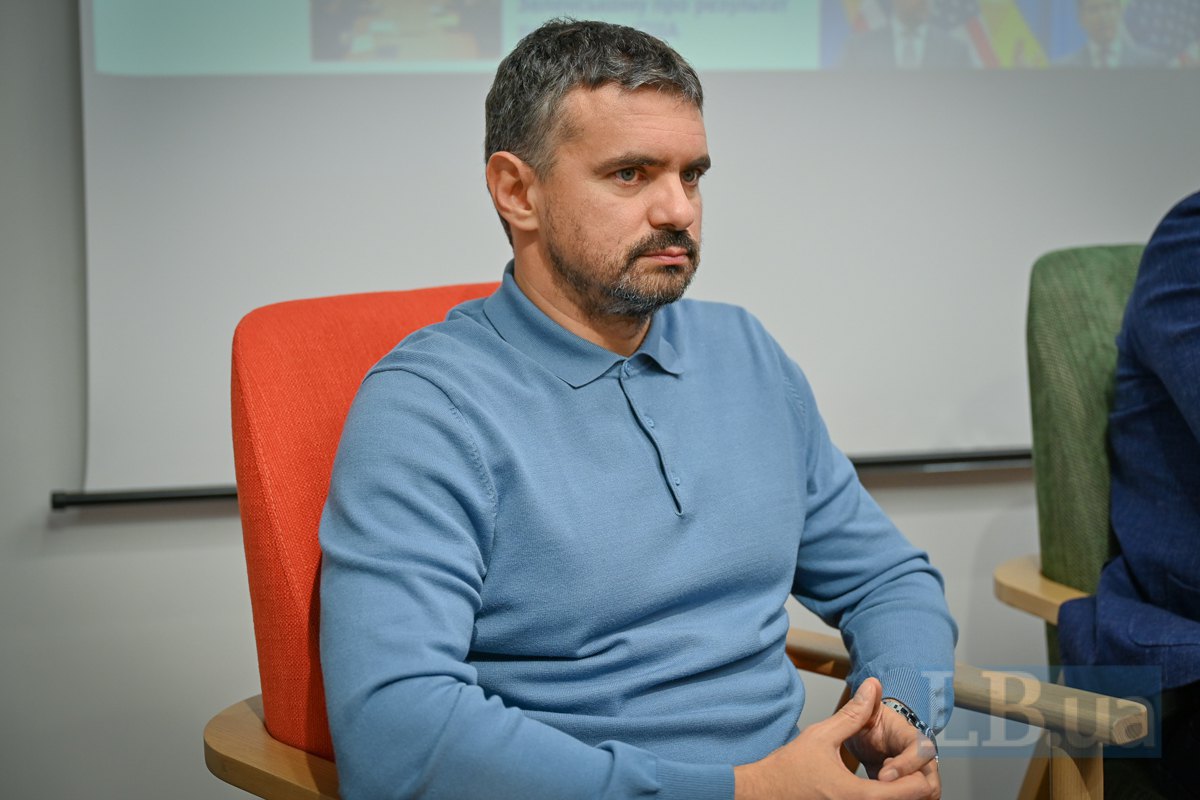
MP Roman Kostenko also stated that a provision is currently being discussed to return control over procurement in the Ministry of Defence to the parliamentary committee. Does the head of NABU see the expediency and preventative nature of this step in relation to corruption abuses?
Semen Kryvonos stated that he does not see how this could prevent corruption. If the ‘flawed’ procedure of sole decision-making is replaced with a collegial one, it could be even worse, he added, as it would be more difficult to document the participants and find the culprit. However, such a tool is better discussed at the expert level.
In this branch of the discussion, the CEO of Ukrposhta, Ihor Smilyanskyy, noted that it is simply impossible to work according to the law in large state-owned companies in Ukraine.
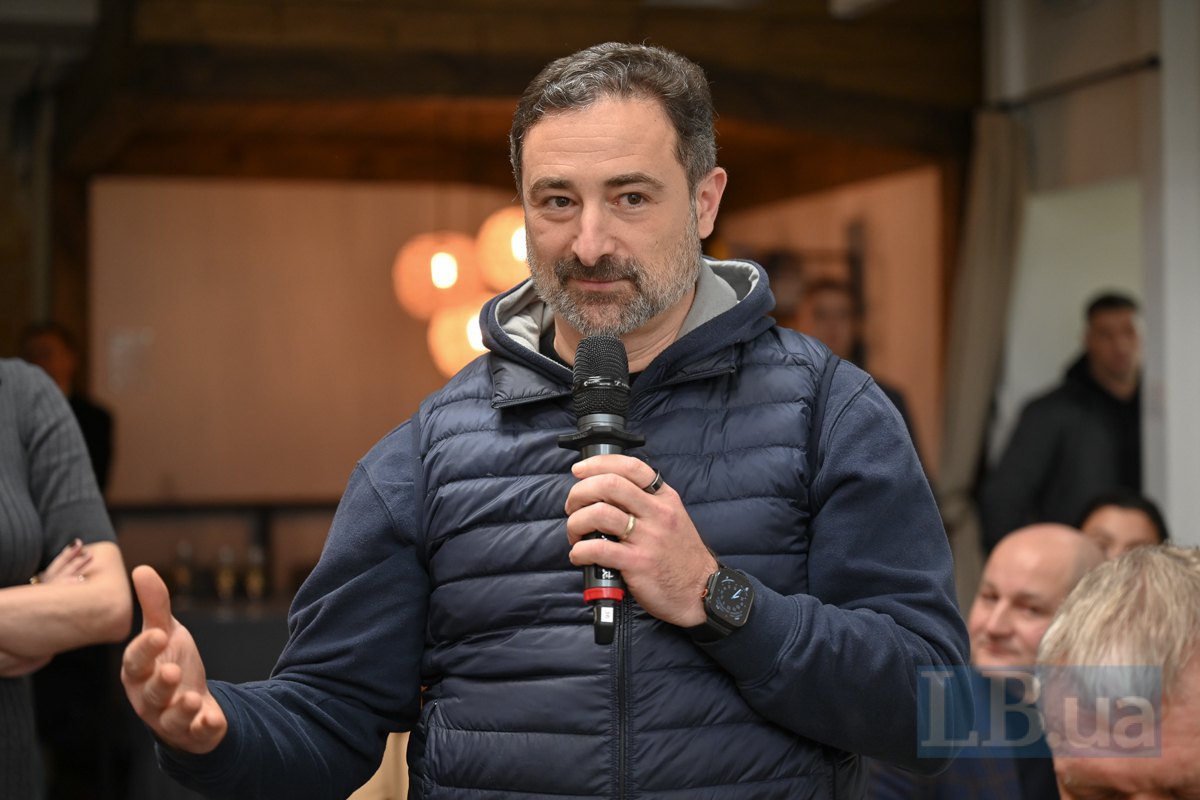
One distinguished member of parliament receives his pension from Ukrposhta. He is on the sanctions list. According to the law on financial monitoring, I cannot pay him his pension, but according to the Constitution of Ukraine, I must. I have already received complaints about this not only from the National Bank and the Financial Monitoring Service.
When you enter the public sector, the very next day you become a client of all authorities, and they must do their job strictly according to the law, but you have to choose which one. I think that we should not just fight corruption, but we need to rethink the social contract. Because if everyone is chasing after the heads of state institutions, it will be easier for them not to buy generators: by the time they go through Prozorro, they will arrive at the end of January, and maybe they will no longer be needed. We need to make it possible to build kindergartens without back offices, not in two years after all the tenders, but in six to eight months," Smilyanskyy noted.
What about the regions
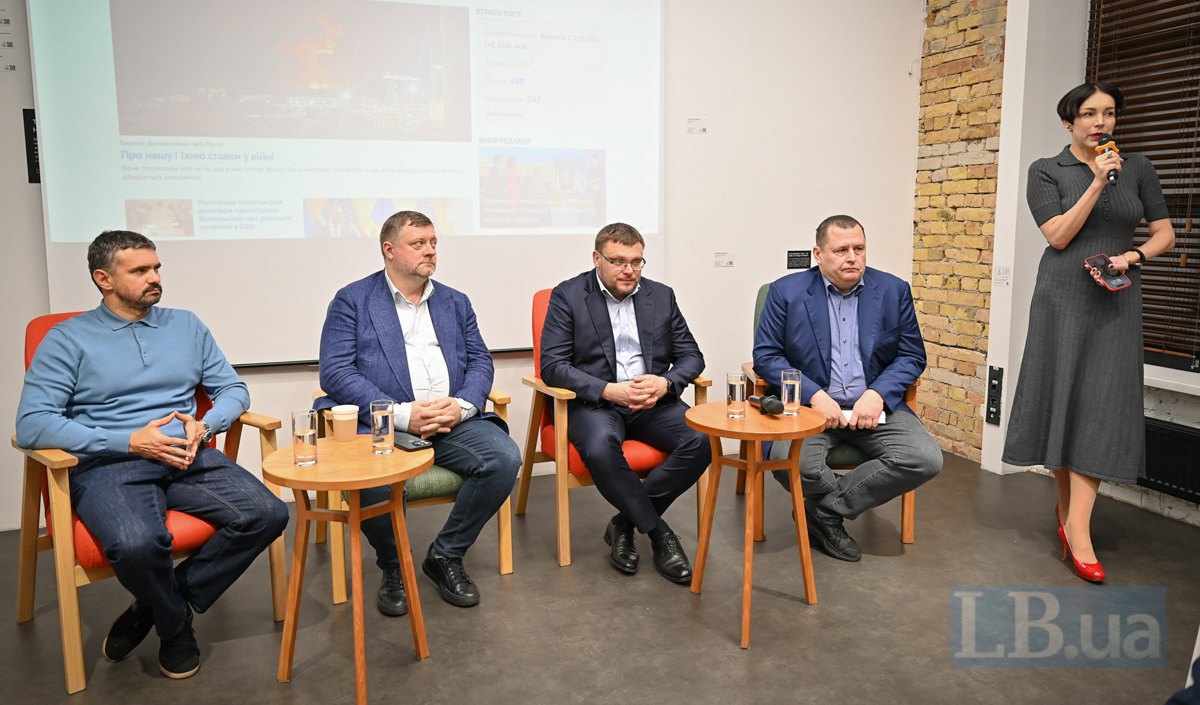
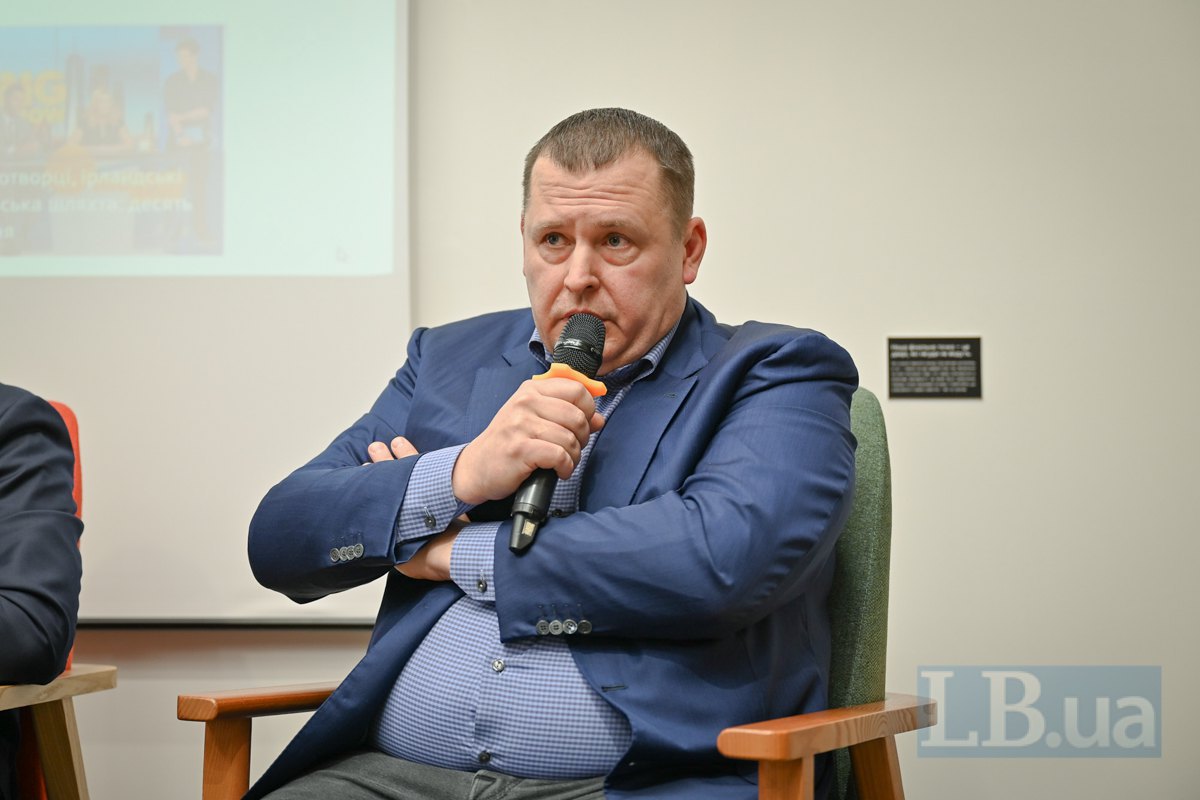
Local government was represented in the discussion by Dnipro Mayor Borys Filatov — a large city near the front line, whose leader is known for his categorical stance. He states: "Local government is being killed. It is being killed financially. It is being killed in other ways — starting with fabricated criminal cases.”

"297 territorial communities, including nine regional centres, do not have mayors. The reasons vary, and one can assess this in different ways, examining each case separately, but I am talking about trends," Filatov notes.
This approach is not new for the central government, emphasises the head of Dnipro, faces change, but approaches do not.
"I have déjà vu. Every year I go to the Ministry of Finance, call the head of the government. And this applies not only to the current government. It was the same under Petro Poroshenko, I constantly argued with Groysman. Every year, before the central budget is adopted, they want to rob us. Take this, take that. And now they say: "Choose between four per cent and a reverse subsidy" (in the adopted version of the budget, communities were left with 4% of personal income tax. — Ed.). But we're not at the market. What does 4% and a reverse subsidy have to do with it? These are completely different financial instruments. How can it be either this or that?" Filatov emphasised.
According to him, if an additional 4% of personal income tax were taken from the regions, together with the reverse subsidy and the difference in tariffs, indirect withdrawals would amount to 10 billion hryvnyas, while Dnipro's budget is 28 billion.
"In fact, the Dnipro City Council will turn into a cashier's office for the payment of salaries and social benefits, and we will still be able to service loans. We will return to 2013. Do you understand? And all this talk about Ukraine facilities and decentralisation is just talk," Filatov cut off. "Every year, they rob us, rob us, rob us. You all live in territorial communities, in cities and towns. If the current trend continues, by 2026, we won't have any money left, excuse my language, to shovel shit. In Mykolayiv, for example, they have already stopped social security payments.”

At the same time, the mayor of Dnipro notes that in private conversations, the withdrawal of money from large cities is explained by an attempt to deprive mayors of political resources. And for local communities, this could result in a municipal collapse.
"Remember the story about the so-called military personal income tax, which was taken away from local self-government (the money is supposed to go to a special fund to support the Armed Forces. — Ed.). A smear campaign called "Drones, not stadiums" was launched through anonymous Telegram channels. But they took away not only the military personal income tax, but also the law enforcement tax: the National Guard, the police, the courts, the State Emergency Service — all these people and their families live in local communities, use public services, infrastructure, etc. And do you know how this money was ultimately spent? 120 billion was spent by the Ministry of Defence — 45%, the State Special Communications Service — zero, the Ministry of Strategic Industries — 2%. The remaining 77 billion was returned to the general fund and spent on a telethon and other things. No comment. As I say: no drones, no stadiums," Filatov noted.
When he asked the authorities for help in re-registering IDPs, because no one knows the exact number of displaced persons (officially there are 170,000 in Dnipro, according to Filatov — no less than 300,000), he received the answer that this was "politically inappropriate."
"And I can't count them myself. I count them based on primary medical declarations, mobile operators, aid received, waste norms, and so on. But we live in a free country, and often, for example, people come from Donbas, leave their children to study in Dnipro, at school, where they study online, and move to Poltava themselves. And it is impossible to count this," complains the mayor of Dnipro.
He gave another example of how the centre helps the regions:
"I will give you an example of when the authorities supported us, without irony. In June, there was shelling, half of the Novokadatskyy district was destroyed, and many buildings were damaged. In June, the Cabinet of Ministers granted a subsidy of 88 million. We only received it on 6 November. And how are we going to use it now? We won't have time," the mayor notes.
At the same time, Dnipro is truly a frontier. The city has suffered 197 missile and drone strikes; 2,220 buildings have been destroyed or damaged. Of these, 1,010 were private residences, 672 were apartment buildings, 225 were educational institutions, 47 were healthcare facilities, 70 were industrial facilities, and 19 were infrastructure facilities.
But the city is not asking for help, notes Boris Filatov, it is asking not to take anything away from the regions.
"I speak for all local governments: please leave us alone, leave us what rightfully belongs to our residents. ...And that's all we need. Because the war has come to all regions of Ukraine. The war has reached Ternopil. So just let us work in peace," Filatov concluded.
There are many problems, but the main one is just one
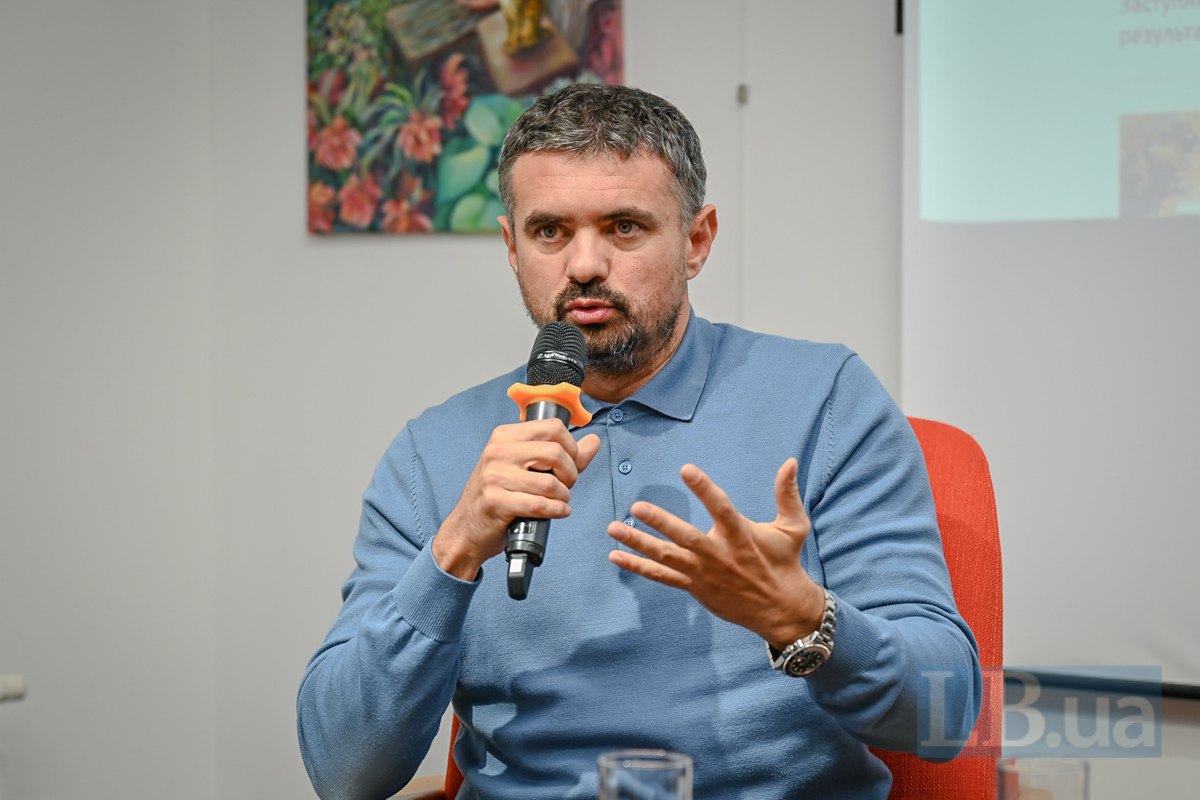
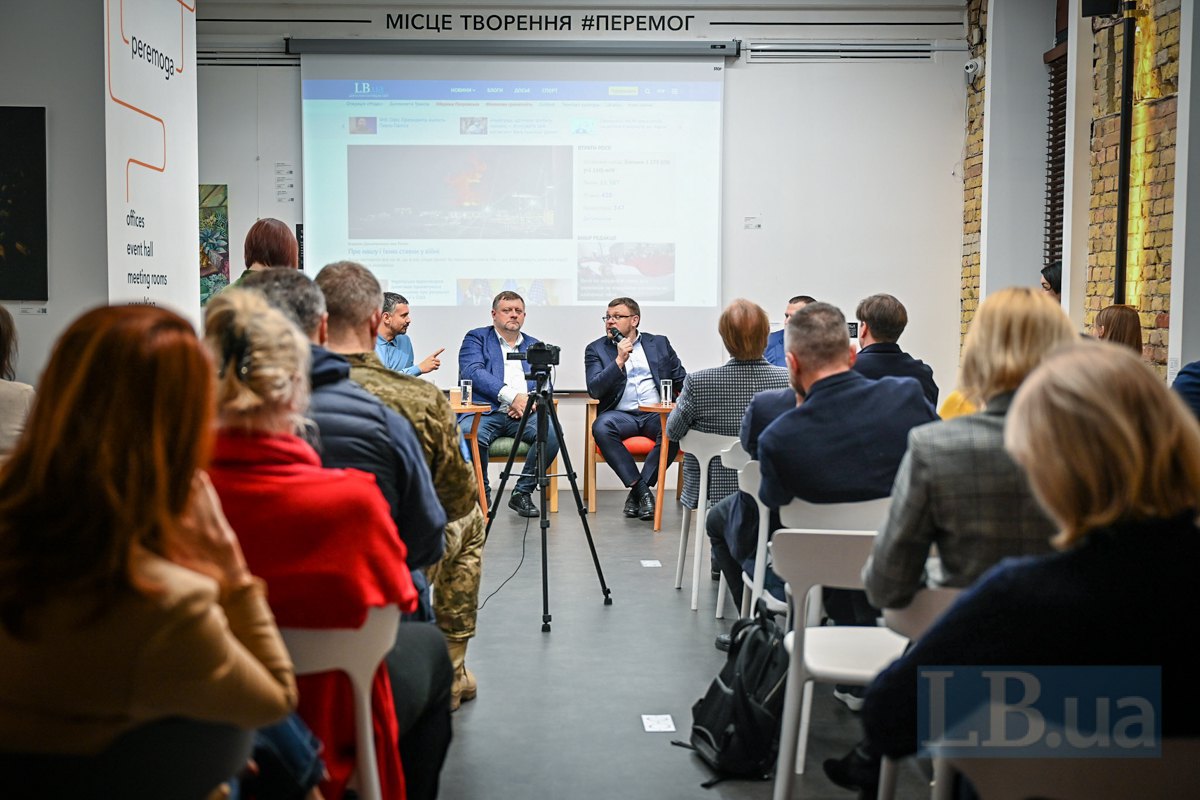
Businessman and chairman of the supervisory board of investment company EFI Group, Ihor Liski, listened attentively to the speakers, guests and their discussions, and finally summed up: when discussing the domestic political crisis in detail, the most important issue — security — is lost from focus.
"I've been through this before. At one time, I was also a member of the city council in Luhansk, discussing things with someone, fighting corruption, building houses, enterprises, mines. And suddenly it turns out that my country is gone — no more percentages, no more corrupt officials, no more Mayor Kravchenko, no more governor, no one. Because other people came and took everything away from us," said the businessman, who himself is a native of Luhansk.
"Summing up this year, I really want us not to forget the main thing in our petty political struggle for power, reputation, and perhaps even important things — not to lose the country, Dnipro, Kharkiv. Against the backdrop of uncontrollability and the loss of public trust in the government, who, excuse me, will fight for this country?" added Ihor Liski.
In his opinion, the situation in Ukraine today is similar to that of 1918, as described in the memoirs of hetman Skoropadskyy.
"Our northern neighbour is repeating the same situation that happened 100 years ago: internal strife, one hetman replacing another, fighting each other, and eventually the Red battalions arrived and took everyone away. And where is everyone now? Where is Semen Petlyura and the Ukrainians who fought so hard for the Ukrainian language? No one is there," the businessman noted.
Therefore, he adds, every decision must be made with a view to whether it brings us closer to victory.
"What difference does it make who wins the election, after all, if it's still a Ukrainian? Otherwise, there will be other guys, and believe me, none of you will be able to live here. I guarantee it. Those in Luhansk who thought they would wait it out, thinking 'what difference does it make', are now either in their graves, in basements, or somewhere even worse," said Ihor Liski.
According to the businessman, the next 10-11 months will be a real test for Ukrainians.
"It all comes down to next autumn. There will be elections in America [to the Senate], and Trump really wants to end the war before these elections and hang a medal around his neck. And, in principle, part of American election politics will be about the war in Ukraine.
The second story is that the enemy has enough economic resources for 9-11 months of active warfare. That is why they are speeding up — either to collapse us as much as possible, squeeze us as much as they can, or to agree with their American partners to break Ukraine together with Europe and force this peace agreement on us," Liski noted.
To avoid these scenarios, in his opinion, Ukrainians need to unite around the main goal — to survive.
"The only trump card we can play is that Ukraine is united, capable of fighting, defending its sovereignty and independence, and making decisions about its future as a mature nation. We must win the right to sit at the table and decide our own fate," believes Ihor Liski.
"Our unity is our only card, which no one has ever taken into account, believing that Ukrainians will never unite. If we unite and defend our borders on the front line, this will be the main argument. We will choose decent conditions for peace, rebuild institutions, and experience new democratic elections. And suddenly, looking back, we will realise that we live in a better country," the businessman noted. He adds that Ukraine has already undergone significant transformation.
"Just imagine: in August, the country created a revolution and defended the main right of society — to have an honest, non-corrupt government. At the same time, no one was beaten, the government listened, the anti-corruption authorities did not turn it into some kind of political PR or reprisal, but maturely moved on to do their business. This is real progress. With us, every revolution makes things worse and worse, but now this is a great success," he says.
The main thing remains — to endure.