





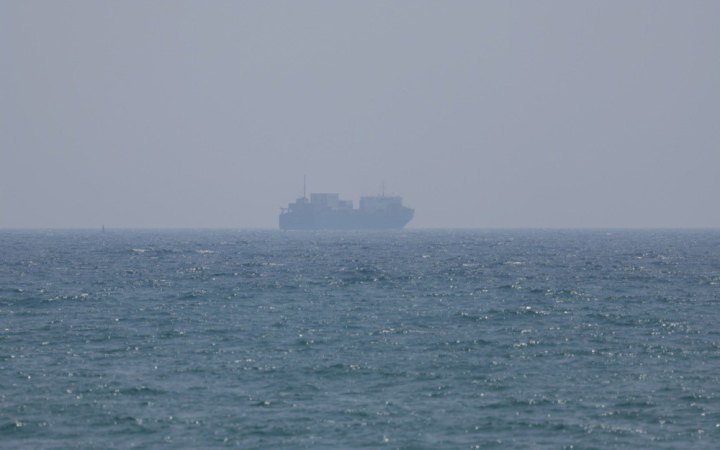
Global oil prices rose again following reports of new attacks on ships in the Strait of Hormuz. However, the prospect of increased oil supply on the global market limited the rise in prices.
This was reported by Reuters.
On 24 November, Brent crude futures rose by 45 cents, or 0.5%, to $89.82 a barrel. US WTI crude gained 42 cents, or 0.52%, to $80.59 a barrel.
The previous day, on Monday, three vessels were hit by projectiles while travelling east through the Strait of Hormuz. This was reported by the UK Maritime Trade Operations (UKMTO). All three vessels continued their voyages and no crew members were injured.
Analysts note that expectations of an oil supply glut continue to restrain any price recovery. Further moves will depend, among other things, on whether the new attacks affect actual crude deliveries.
At the same time, the market is also seeing signals of increased supply. In particular, Libya has resumed operations on the Sharara pipeline after it was temporarily shut by an unknown group.
According to Deutsche Bank estimates, global liquid hydrocarbon inventories rose in October, indicating an oversupply of about 1.7 million barrels a day.
Russian oil supplies to China and India are also influencing the market. According to Reuters, both countries could reach record volumes of Russian crude imports this year. This has been aided by temporary US exemptions from sanctions on Russian oil, which have expanded opportunities to purchase it.
- After the attacks on ships near the Strait of Hormuz, the global market did not face a shortage of crude oil. According to Bloomberg, Saudi Arabia, Iraq and Kuwait increased production, and supplies from the Persian Gulf have almost returned to pre-war levels thanks to alternative routes and ship-to-ship transfers outside the strait. At the same time, output has increased in the United States, Brazil and Guyana.
- The supply glut, together with weaker demand, has intensified downward pressure on prices. Vitol Group estimates that the war with Iran has reduced global oil consumption by about 3 million barrels a day. However, the market remains vulnerable: attacks threaten shipping, and a new escalation in the Strait of Hormuz could disrupt supplies.