





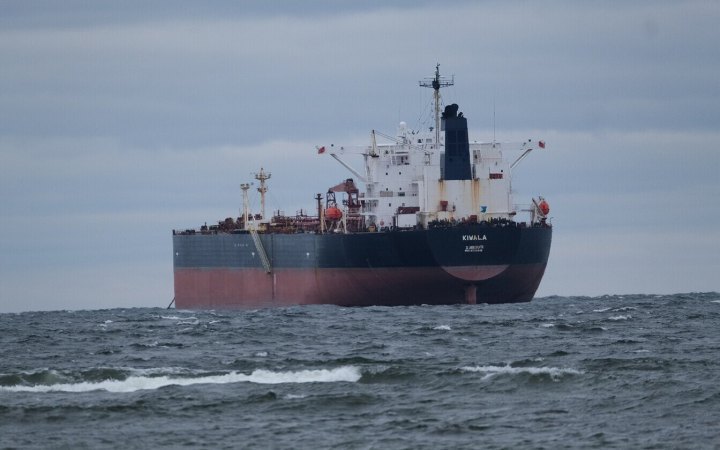
In the four weeks to 25 October, seaborne shipments of Russian oil fell to 3.55 million barrels a day. That is 30,000 barrels a day less than in the period to 18 October and the lowest level in five weeks, according to tanker-tracking data compiled by Bloomberg.
The decline came despite a resumption of loadings from the key Baltic port of Primorsk near St Petersburg. Last week, 12 tankers departed from there, compared with four a week earlier, when vessel movements were interrupted for three days. Overall, in the week to 25 October, 37 tankers loaded 26.93 million barrels of Russian oil. Weekly exports rose by 730,000 barrels a day to 3.85 million barrels, the highest level in a month.
The resumption of loadings from Baltic ports also increased the volume of Russian oil currently at sea on tankers. A recent lull in Ukrainian attacks on Russian refineries has allowed Moscow to increase crude processing volumes that might otherwise have been exported. If attacks on refineries continue to subside, export volumes could fall in the coming weeks as damaged plants return to operation.
At the same time, India may reduce purchases of Russian oil because of high shipping costs and cheaper alternatives from the Persian Gulf. Oil supplies from the Middle East have returned to near pre-war levels, but their stability will depend on how the conflict involving Iran develops.
On a four-week average, the gross value of Russia’s oil exports was $2.61bn a week. On a weekly basis, it rose by about $430m to $2.76bn, the highest level since the start of the full-scale war. Higher shipment volumes and rising prices for the Pacific ESPO crude grade offset falling prices for Russia’s main Urals grade.
China and India remain the biggest buyers of Russian oil. However, overall shipments to Asian buyers edged down to 3.42 million barrels a day. Deliveries to Turkey were about 80,000 barrels a day, to Egypt about 50,000, and exports to Syria have stopped since August.
According to Bloomberg, final delivery volumes to individual regions may be revised, as the ultimate destination for almost 1.8 million barrels a day of Russian oil has yet to be established.
- Meanwhile, the United States is considering easing restrictions on “shadow fleet” tankers linked to Russia and Iran. This would involve potentially allowing vessels on the blacklist to be sold to legitimate operators and lifting restrictions that would enable them to operate without sanctions bans.