





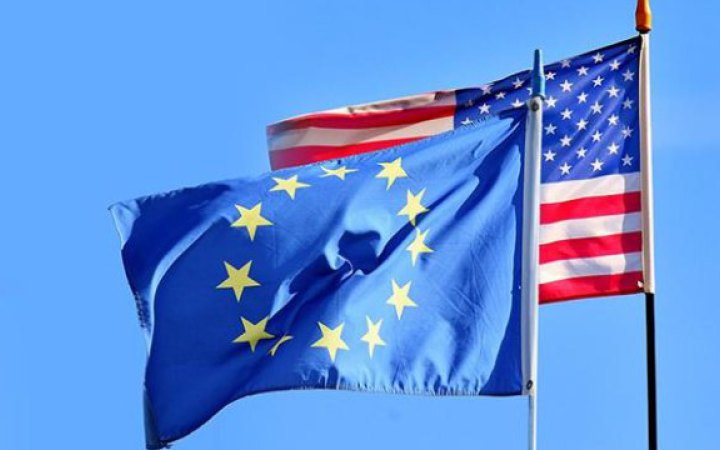
The administration of US President Donald Trump has warned European Union leaders against introducing taxes for major technology companies (Big Tech), Politico reports.
“We oppose the EU’s proposal to introduce an EU-wide digital levy — just as we opposed (and continue to oppose) other digital services taxes that discriminate against American companies while also harming consumers,” the United States Department of State told the outlet.
On Saturday, European Council President António Costa proposed resuming talks on a European digital tax to help fund the EU’s long-term €2 trillion budget and reach agreement on its final size.
This concerns companies whose global turnover exceeds €750 million, of which at least €50 million is generated in Europe. This threshold covers US technology giants such as Google, Meta and Amazon.
Today, EU leaders gathered in Brussels for a two-day extraordinary summit, where they are discussing funding for the next budget. The most important items on the agenda will be how much to spend and how to reduce the burden on national budgets by bringing in new revenue through “own resources”.
In 2018, the European Commission proposed introducing an EU-wide digital services tax, but later shelved the initiative to allow time to reach a global agreement in talks under the auspices of the Organisation for Economic Co-operation and Development (OECD).
France, Austria and Italy decided to introduce their own national taxes, prompting threats of retaliatory measures from the first Trump administration.
The idea of introducing an EU-wide tax is gaining traction again. Among its supporters are France, Denmark, Spain and Italy.
- Yesterday it emerged that Trump had initiated the introduction of new tariffs against 14 major trading partners, including China, Japan and the European Union. The US president’s administration proposed new maximum rates of between 20% and 40% to tackle excess industrial capacity in those countries and blocs.
- At the same time, the Office of the United States Trade Representative said it plans to limit the new tariffs to lower rates that the parties have agreed under existing or future trade agreements.