







Plovdiv and the surrounding region have become a second home to nearly 12,000 Ukrainians who fled the war, around 4,000 of them children. This places the city among the leading Bulgarian communities in terms of the number of refugees received and turns it into a model of social solidarity and successful integration on a European scale.
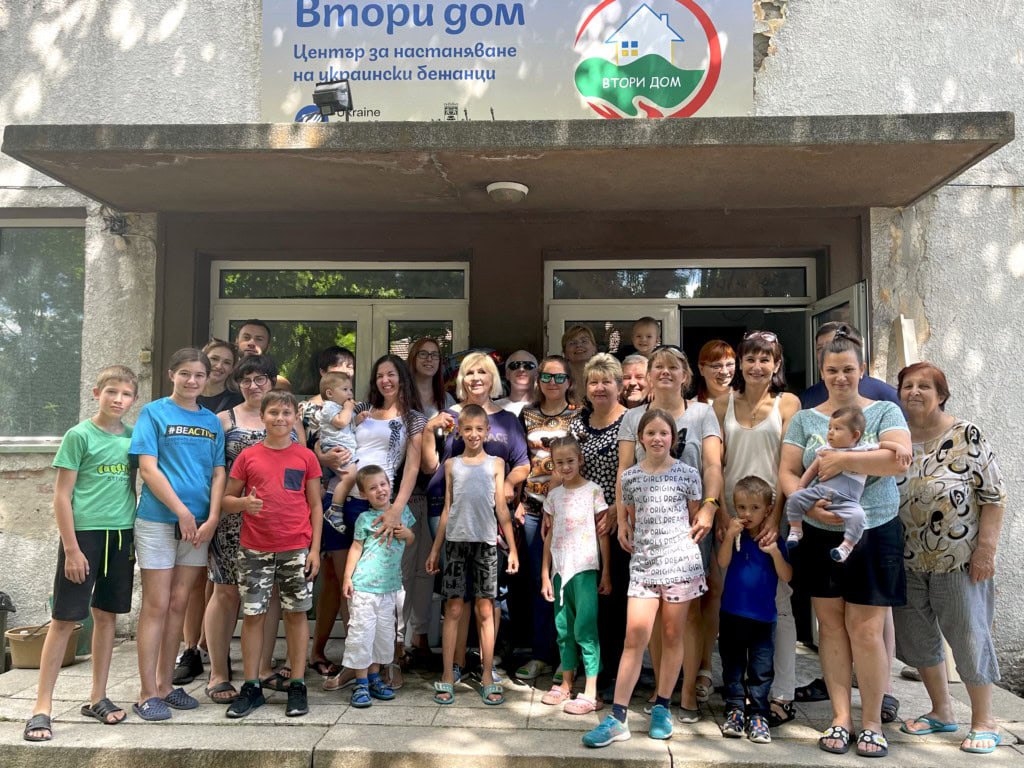
In response to the refugee wave that followed Russia’s invasion of Ukraine at the end of February 2022, Bulgaria’s second-largest city, Plovdiv, organized support efforts. The “Plovdiv–Ukraine” Coordination Center opened its doors on March 1, and the city administration began searching for accommodation for Ukrainian refugees. The idea of transforming the former Pulmonary Hospital into a reception center emerged that same month.
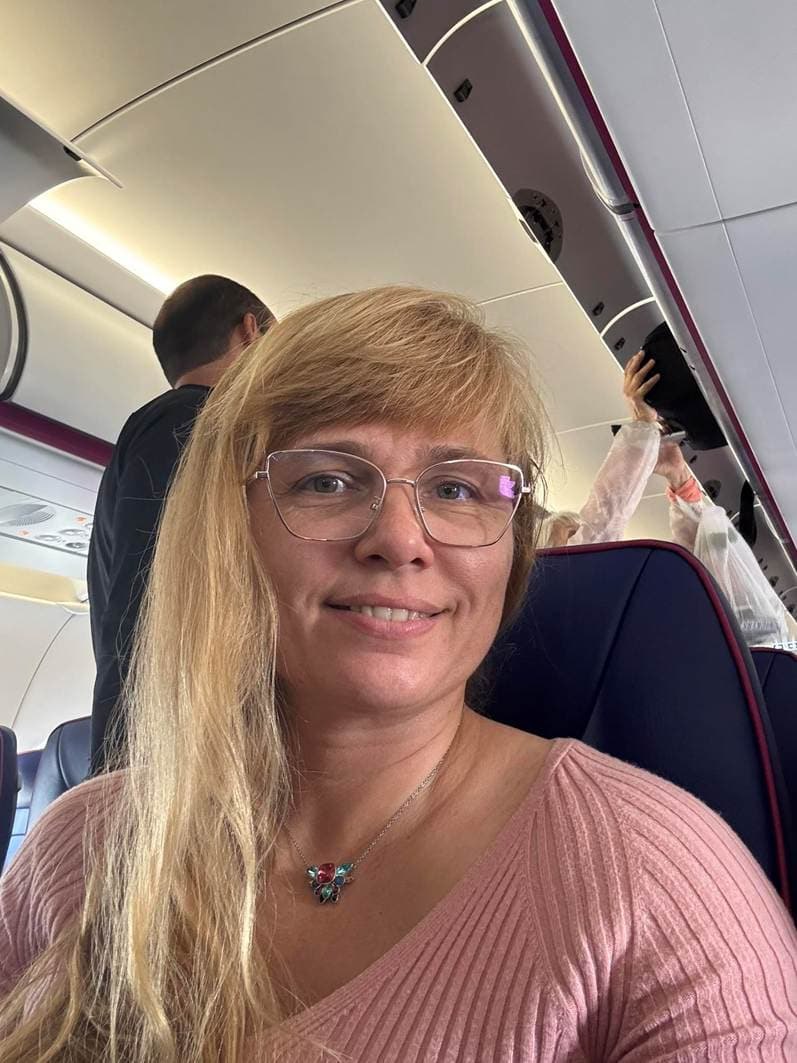
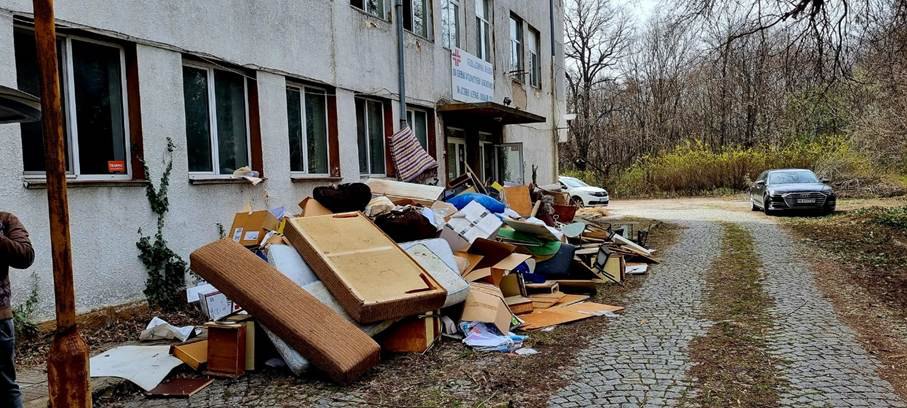
It belongs to Natalia Ellis – a Ukrainian who moved to a village near Plovdiv in 2015 with her husband and their two sons, and who today is known as “the beating heart and tireless driving force of the Ukrainian community.” At the time, many doubted the idea that volunteers could transform the abandoned hospital into a Temporary Accommodation Center for Ukrainian refugees. The Municipality of Plovdiv provided the derelict building, left deserted for seven years and in poor condition, and hundreds of volunteers joined Natalia in taking on the challenge.
Second Home – the place that stays in the heart
The creation of “Second Home” is an example of synergy between different actors in society. The Municipality of Plovdiv contributed an abandoned building with crumbling rooms and an overgrown, neglected park, and gave institutional support, including the assistance of municipal companies for the reconstruction of the former hospital. Refugees themselves, alongside volunteers led by figures such as Natalia Ellis of the Ukraine Support and Renovation foundation, took an active role in the renovation, furnishing, and transformation of the space into a habitable residence.
Numerous organizations and individual donors have provided financial and material support, without which the project would not have been possible. Their contributions continue to help furnish the Refugee Accommodation Center and cover its daily needs to this day.
Thus, out of the ghost hospital was born “Second Home,” which opened its doors two months later and can accommodate just over 160 people at a time. In early June 2022, the first residents moved in – five mothers with seven children. Among them was baby Senya, the same age as the war itself, who arrived together with his mother.
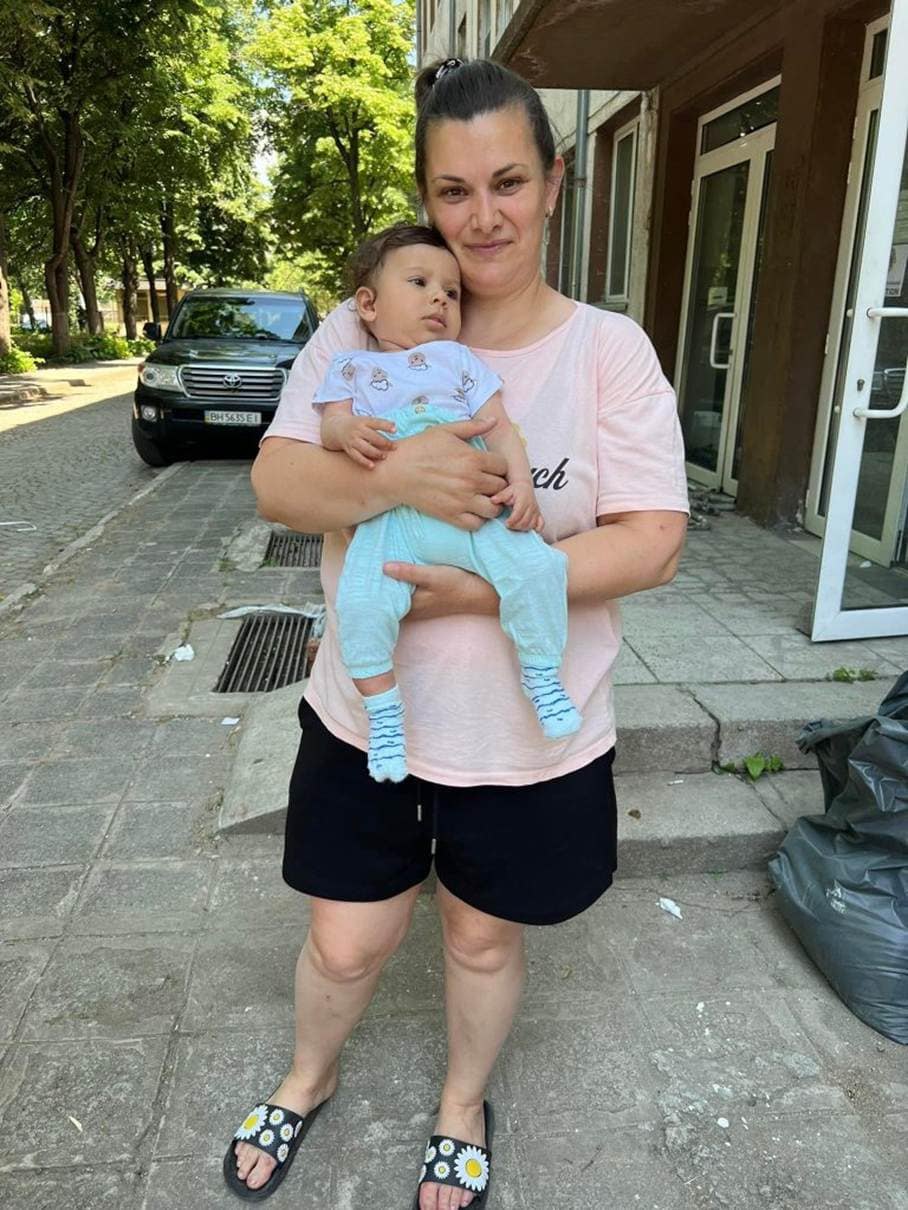
Today, the little boy is already three years old, attends kindergarten in Plovdiv, and his single mother, Oksana, shares a rented apartment with another Ukrainian woman who is also here with her two children. Oksana is a university lecturer in sports and a rehabilitation specialist. A kind Plovdiv resident named Donika gifted her a massage table so that she could return to work. Many of the women who passed through “Second Home” now rent shared apartments, have jobs, and support each other in raising their children.
Soon, the empty corridors filled with laughter, voices, and hope. Hundreds of people have found long-term shelter here, and more than 1,500 pass through each year on their way to a new life.
Births and new beginnings
There are always children in Second Home. For Ukrainian women, childbirth in Bulgarian hospitals is a paid service, as the National Health Insurance Fund does not cover costs for non-EU foreigners. Volunteers often organize fundraising campaigns to cover these expenses.
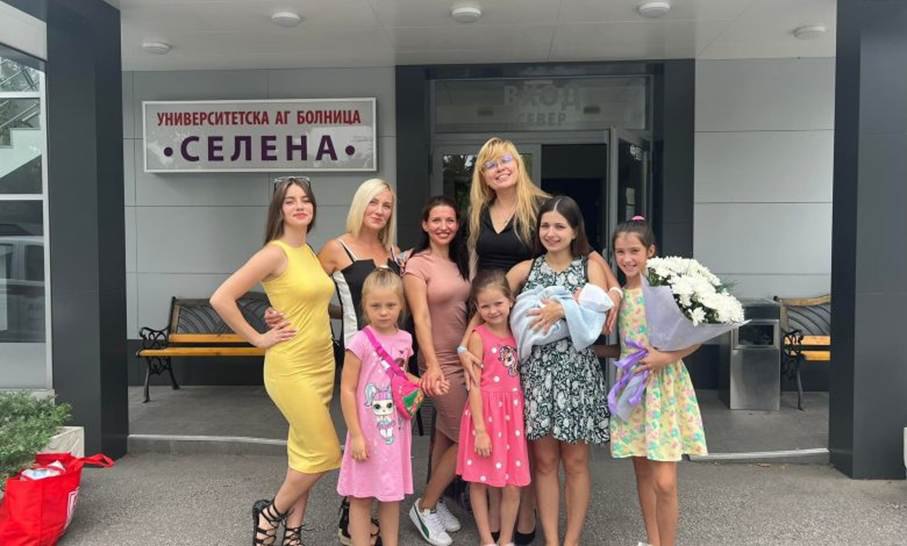
By the end of September 2025, official records from the Civil Registration Department show that 91 children born to Ukrainian mothers took their first breath in Plovdiv. For a city of its size, that is equivalent to a full kindergarten.
Initiatives for child adaptation and integration
Special attention is given to the youngest. In abandoned kindergartens located in under-block spaces, which are transformed into temporary buffer centers, children undergo an adaptation process before joining Bulgarian kindergartens. The first center opened in May 2022. Initially, it hosted 20 children aged 3 to 6, who studied Bulgarian and participated in preschool activities in the long-unused premises of the “Kremena” Kindergarten in the Trakia district.
Today, there are already three such spaces. They are managed by women from the Ukrainian community, who provide a home-like environment while the parents are at work. The centers offer Bulgarian language lessons, as well as psychological and speech therapy support – a key tool for faster and smoother integration.
Zhivka Petrova is a young teacher of Bulgarian Language and Literature at a school in Plovdiv. In her very first year as a teacher, 2023/2024, a new student, Ira, joined her class at the “Dimitar Talev” Primary School, having been in the city for just a month. The seventh-grader will need to take the National External Assessment, a mandatory exam in Bulgaria for high school admission. With the help of bilingual presentations, attention, and patience, the teacher helps the child feel confident, accepted, and make progress with the language.
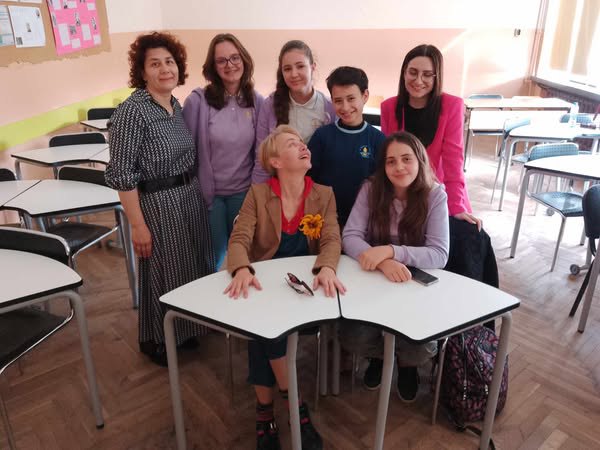
Petrova recounts that by the end of the first school term, Ira came to her and said that she no longer needed translation for the lessons. On the seventh-grade exam, the girl performed well and fulfilled her dream of studying at an Art High School – not in Ukraine, but in her second home, Plovdiv.
The stories of these families testify to the strong support of the local community and to Plovdiv’s ability to be a true home and a new beginning.
An unexpectedly good combination: “Second Home” and the Senior Home
In the spring of 2025, the Municipal Senior Home in Plovdiv was also moved to the top floor of the same building. According to the article “Senior + Second Home = an unexpectedly good combination” on the Pod Tepe website, this cohabitation creates a unique environment. The two institutions function very well in parallel. Refugees with children and the elderly interact, forming a kind of multi-generational family.
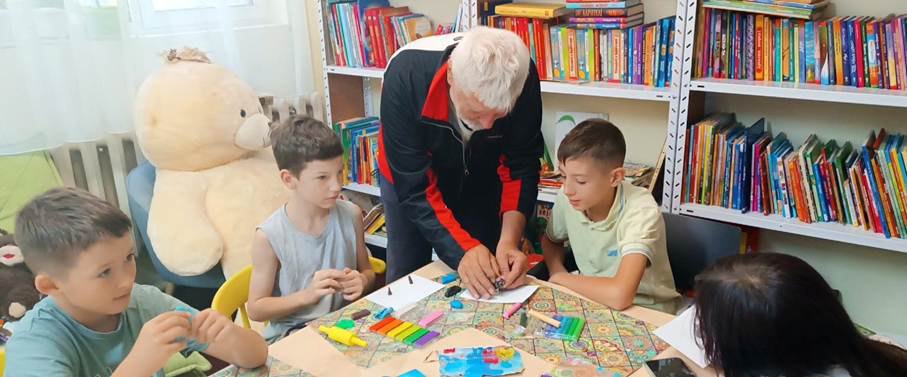
The children bring energy and life, while the elderly enjoy their presence and feel useful. This model demonstrates the community’s ability to find humane and innovative solutions, bringing different social groups together under one roof.
Recognition and success
In 2023, the initiative was awarded by the UN as an outstanding model of integration. The international recognition came in tough competition with projects from Austria, Belgium, Germany, the Netherlands, France, Spain, and others. That same year, the project also won the prestigious “Hero of the Year” award in the Community Causes category from TimeHeroes. The award described the project as creating a “city within a city” and highlighted it as a successful model of civic engagement, demonstrating how ordinary people, volunteers, and NGOs can build a functional support system.
“Second Home” is more than just a roof – it is a place where Bulgarian is learned, where jobs are found, where children paint their future in a small educational corner, and where mothers regain the belief that tomorrow can be better.
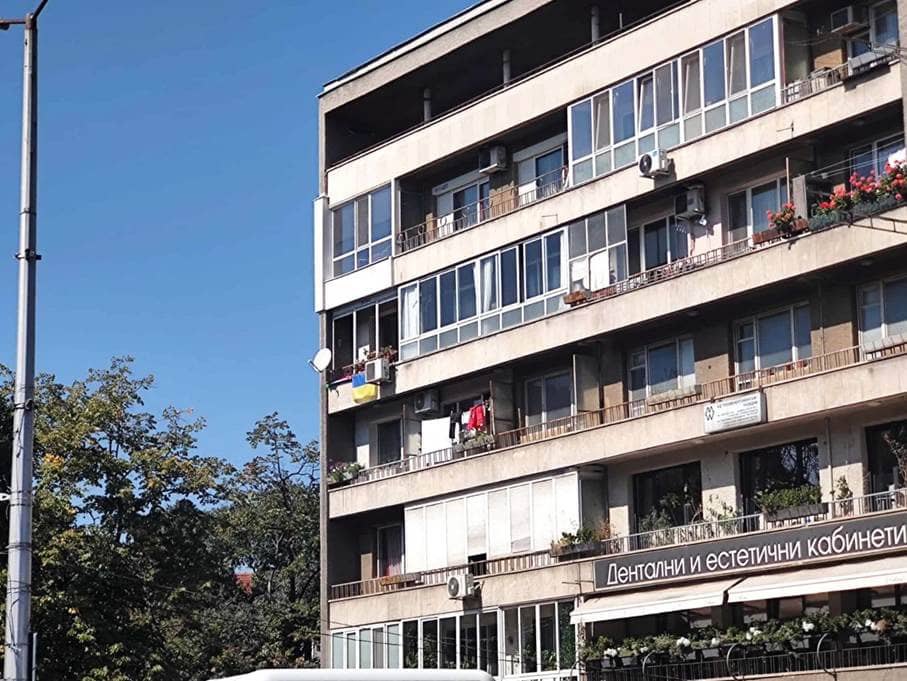
Today, many of those who once crossed the threshold of the home already have their own apartment or house in the Plovdiv region. Yet in their hearts remains the memory of that moment of warmth and togetherness – a moment that proves that a home is more than walls and a roof. “Second Home” stands as evidence that sometimes the strongest support is the one we create together – and that a true home is a feeling we carry with us, wherever life may take us.