





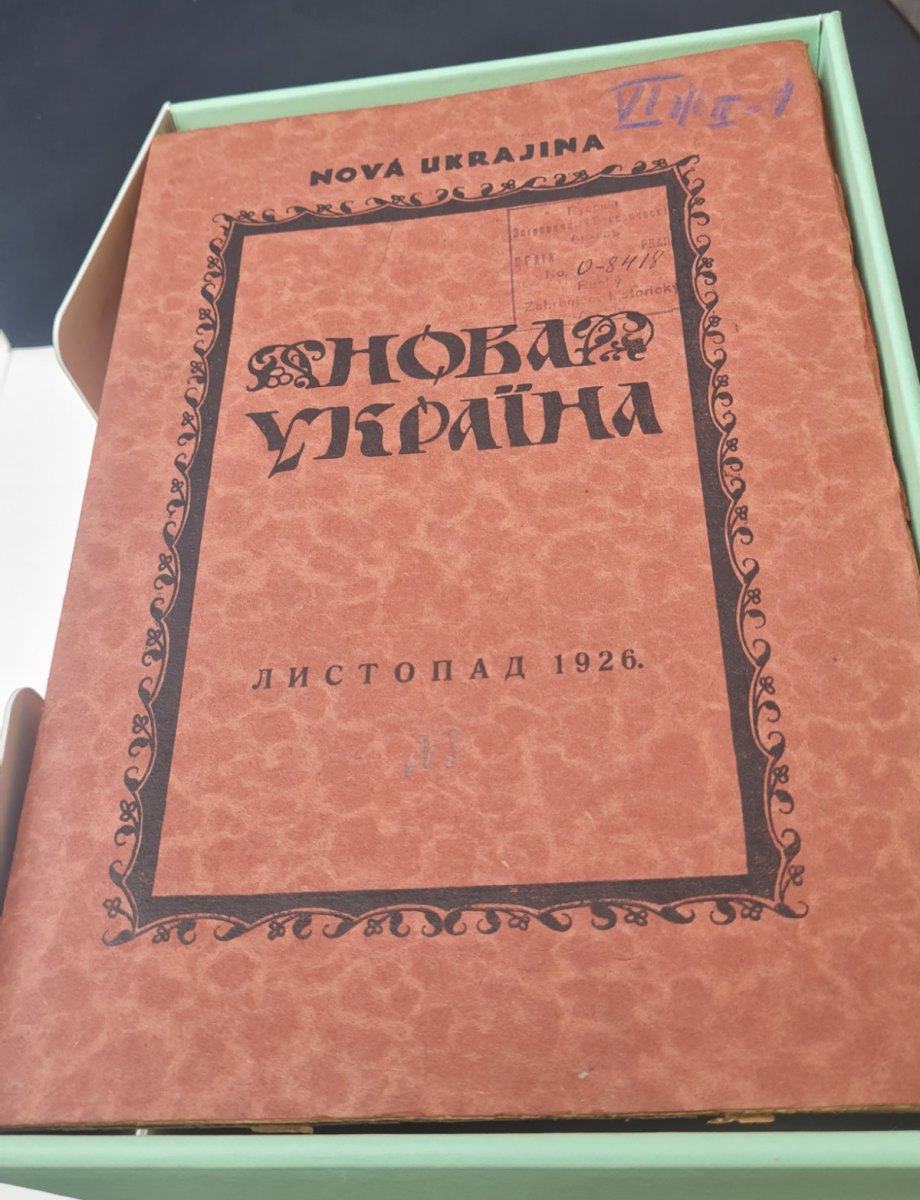
The «New Ukraine» Periodical as the Intellectual Headquarters of Ukrainian Thought
Prague, 1922. The clang of trams, the clip-clop of horse-drawn carriages, overtaken with honks and a roar by cars of various makes. Into this urban din, a publication timidly made its entrance, set in a plain typeface on inexpensive paper. It was the «New Ukraine» periodical, created and edited by the well-known émigré figure from Ukraine at the time, Mykyta Shapovalov, and his like-minded colleagues.
The periodical would be distributed among the Ukrainian community, bringing it together.
The introductory article of the first issue stated:
«The fact of all-destroying ruin compels Ukrainian citizens, with particular respect, to pose the question: what will happen next? How can we prevent the Ukrainian people from spiritual and physical death?
There is only one answer. No Europe will save Ukraine from spiritual and physical hunger… The conclusion is likewise the only one: the Ukrainian people must save themselves by their own strength. If this does not happen, they will perish of hunger, leaving an empty place for peoples more capable of self-preservation.
In seeking salvation, Ukrainian civic society must first and foremost direct all its efforts towards the struggle against spiritual and physical hunger, towards work to create and develop spiritual and material treasures».
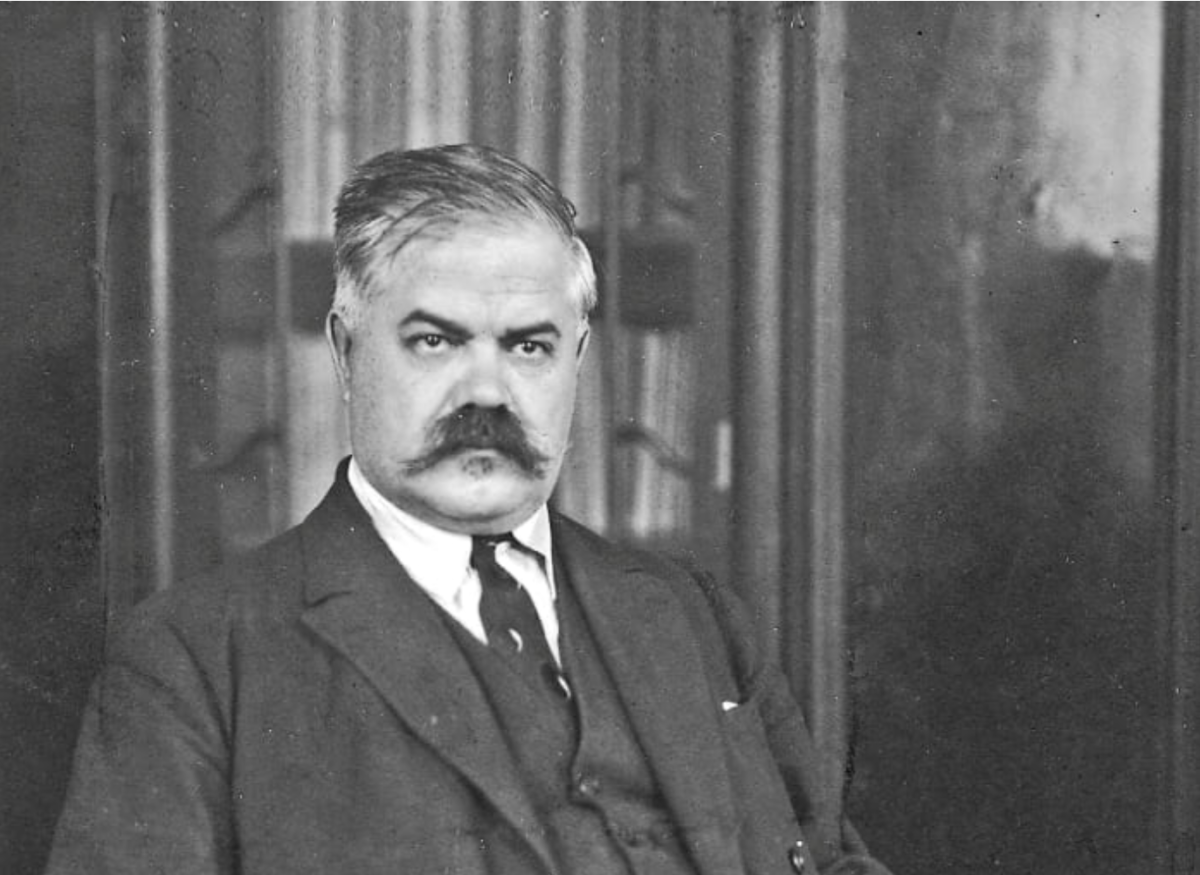
The «New Ukraine» periodical was published in Prague from 1922 to 1928 and became one of the leading Ukrainian-studies journals in Czechoslovakia—and, more broadly, across the Ukrainian political emigration of the 1920s in Europe.
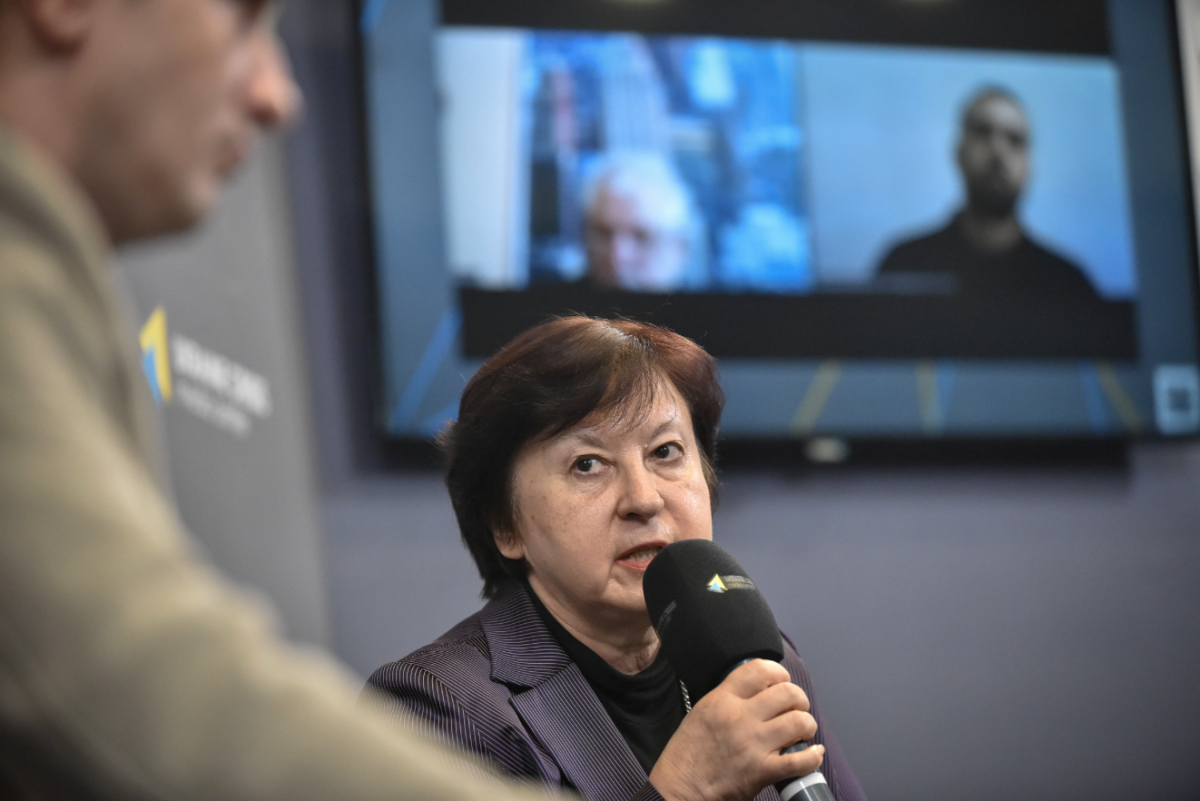
«After the defeat of the Ukrainian Revolution of 1917–1921, Ukrainians had to answer a question that may have been harder than the struggle itself: what do you do when the state has been lost?—comments Oksana Suproniuk, Candidate of Philological Sciences and Senior Research Fellow at the Department of Foreign Ukrainica of the Institute of Book Studies at the V. I. Vernadskyi National Library of Ukraine.—The army was defeated, political forces scattered, and Ukraine once again under Russian rule. It would seem that all that remained was to preserve the memory of defeat. But Prague’s intellectuals chose a different path: they began to think about what Ukraine should be after defeat—and what needed to be done today so that it could be reborn tomorrow».
The scholar explains that it was not merely an émigré periodical—rather, an “intellectual headquarters of Ukrainian thought”.
Gathered around the journal were Mykyta Shapoval, Nykyfor Hryhoriiv, Borys Martos, Ivan Palyvoda, Volodymyr Vynnychenko and other Ukrainian figures. They argued about politics, the social order, and the reasons for the defeat of the liberation struggle—but very quickly moved beyond political debate.
«“New Ukraine” speaks with striking modernity. Its authors understood: statehood does not begin in offices, and not even at borders. It begins with the school, the book, the language, scholarship, historical memory—with a person who recognises themselves as Ukrainian», Ms Oksana adds.
Prague at the time, she says, was an intellectual rear area for Ukrainians: here the emigration gained the opportunity to do what was becoming increasingly difficult in Soviet Ukraine—to think freely, argue, research, publish, plan for the future. In Soviet Ukraine, scholarship and book studies were still developing, and cultural institutions were operating. But at the same time, censorship, bans and persecution were already intensifying.
The periodical carefully recorded this process, including restrictions on Ukrainian books, persecution of cultural figures, and the narrowing of Ukraine’s cultural space.
The Clementinum and «New Ukraine»
The Clementinum, in the centre of Prague. The history of this unique architectural complex dates back to the 11th century. Since 1781, it has housed the National Library. The Baroque library hall astonishes with its lavish interior.
The holdings of the Slavic Library of the National Library of the Czech Republic also include a large collection of periodicals from the Ukrainian emigration, including the «New Ukraine» periodical. The copies are shown by Anna Khliebina, a member of the library staff.
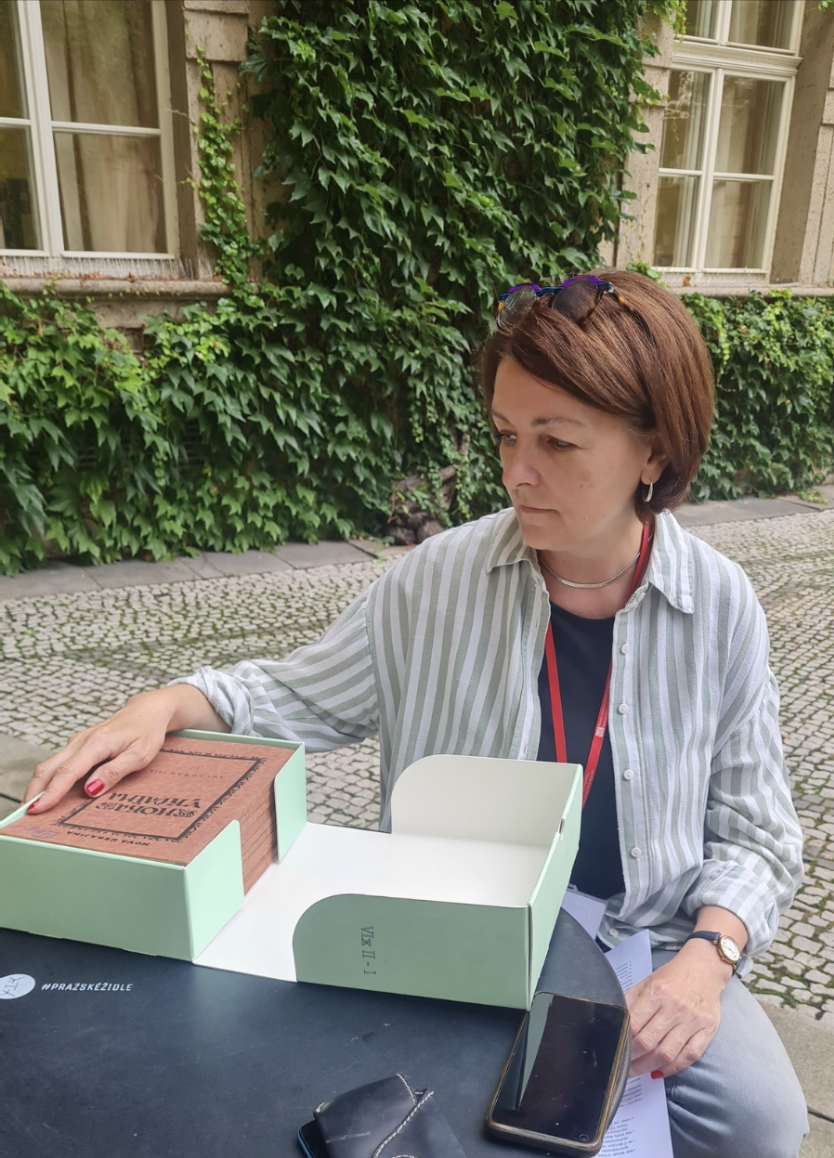
«Olha Kobylianska, Oleksandr Oles, Volodymyr Vynnychenko published a great deal here. I would say the entire intellectual elite considered it prestigious to have a publication in the “New Ukraine” periodical. There were views on how to build the future and discussions about the present. And then there were also letters from readers, who wrote in with their questions and responded to publications», Anna says, leafing through the pages of the periodical.
At the time, this publication was a platform for discussing visions of the future.
Why Is All This Relevant Again Now?
«Probably because, reading this periodical now, a hundred years later, we suddenly recognise our own era,» reflects Oksana Suproniuk from the Vernadskyi Library. «War again. Russia again denies Ukraine’s right to an independent historical existence. Culture, language, education, information and the book again become a battlefield.
But what strikes me most is something else. They did not know when Ukraine would become independent again. Perhaps many of them did not expect to see it in their lifetime. And yet they acted as if a future Ukraine would inevitably exist. They published books. Created libraries. Wrote history. Educated the young. Compiled bibliographies. Debated the future state system. In other words, they did not simply wait for a historical chance—they prepared Ukraine for it».
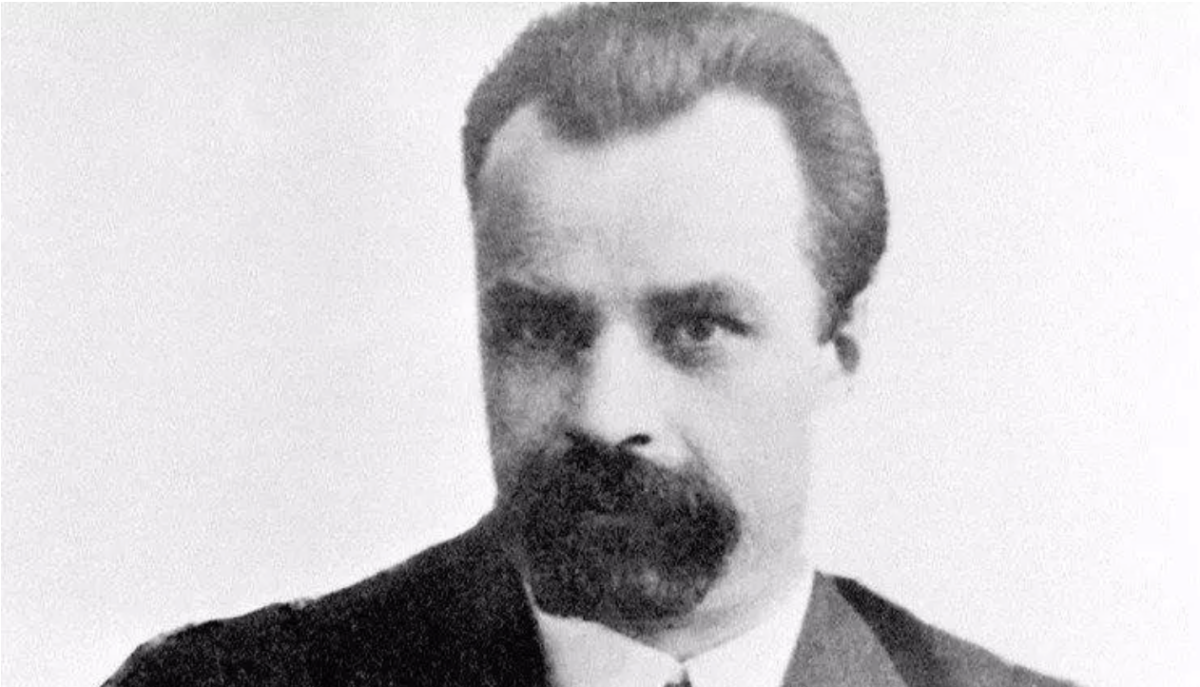
In Ms Oksana’s view, the main lesson we can take from this periodical is: if language, culture, the book, memory, scholarship and the ability to think about the future are preserved, history is not over.
«That is why “New Ukraine” is worth reading today not to find ready-made recipes in it, but to see this: at the darkest moment, Ukrainians already knew how to do what matters most—not only to fight for Ukraine, but also to think about a Ukraine that did not yet exist. And that, ultimately, is how a future state begins».
What, exactly, did the periodical’s authors imagine the future Ukraine to be?
Here is how they declared it in the very first issue of their periodical:
«We consider it necessary that Ukrainian civic society, wherever it may be—whether in Ukraine or abroad—should immediately set about constructive cultural and economic work, without looking to others for help.
Ukrainian civic society in Ukraine must rally all its forces for work of self-preservation from spiritual and physical hunger, and the Ukrainian emigration must use its involuntary stay abroad not only to gain education and experience merely for the time “when calm, change, etc. comes”, but also so that already now, today, it takes certain real steps towards restoring Ukraine’s economic and cultural life, seeks forms and means of the immediate спасіння of the Ukrainian people from spiritual and physical hunger, using for that all possible forms and all its connections with European peoples».
In Anna Khliebina’s view, comparing the emigration of that time with today’s is misguided, because they are different: among today’s emigrants, the majority are women with children, refugees from occupied territories, and others.
«And the tasks of the interwar emigration and those of today differ in general both at the personal level and at the global level. So all that today’s emigration can do for itself is draw conclusions. Learn the language of the country where a person lives. Integrate into the environment, take an interest, not cling only to one another at any cost, because that leads to isolation».
Anna carefully puts the periodical back to take it to the library stacks.
And I think about what, in the end, it has left for us after 100 years.