





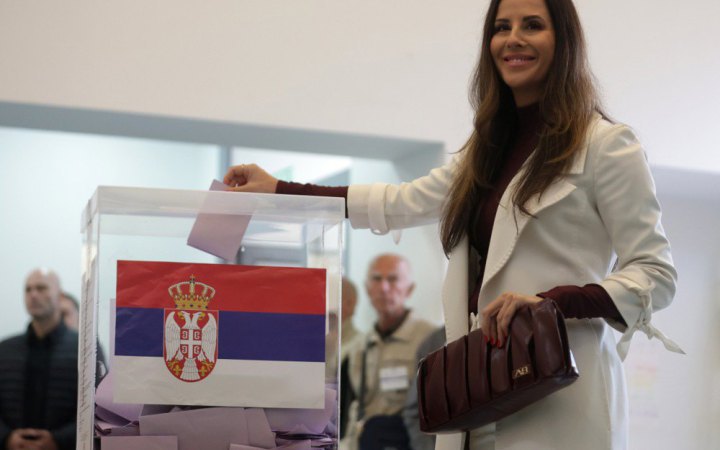
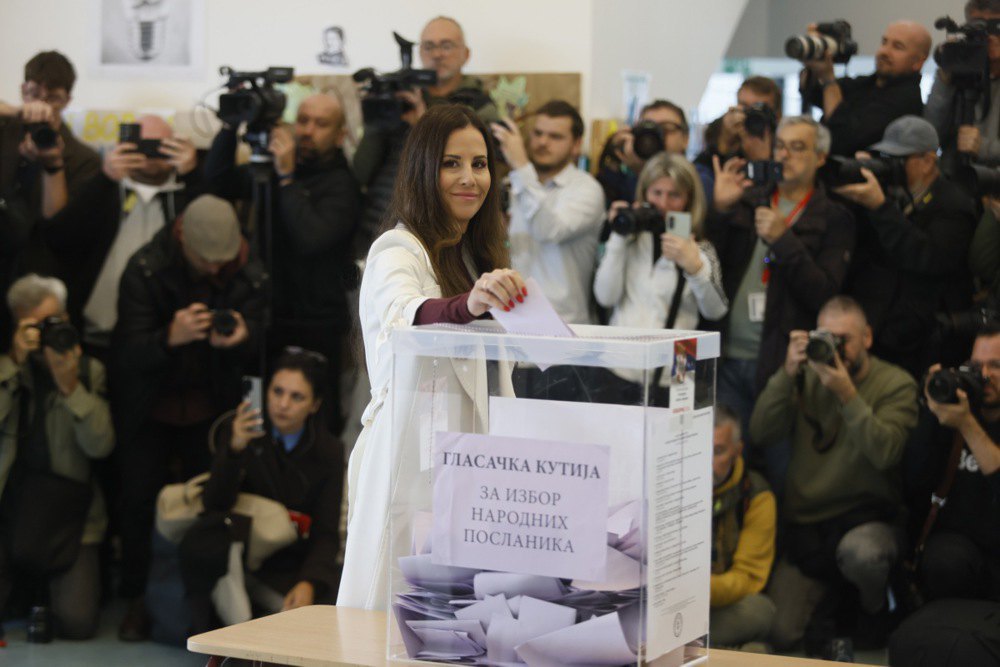
On Sunday, 25 October, Serbia is holding a snap parliamentary election against the backdrop of mass student protests, whose participants are seeking to remove the country’s long-serving leader Aleksandar Vučić from power.
This is reported by Reuters.
Vučić called the snap election in September. It comes after almost two years of student demonstrations against corruption and the tightening of authoritarian tendencies. The protests began after 16 people were killed when a canopy collapsed at the railway station in the city of Novi Sad in 2024. Since then, the student movement has gained broad support.
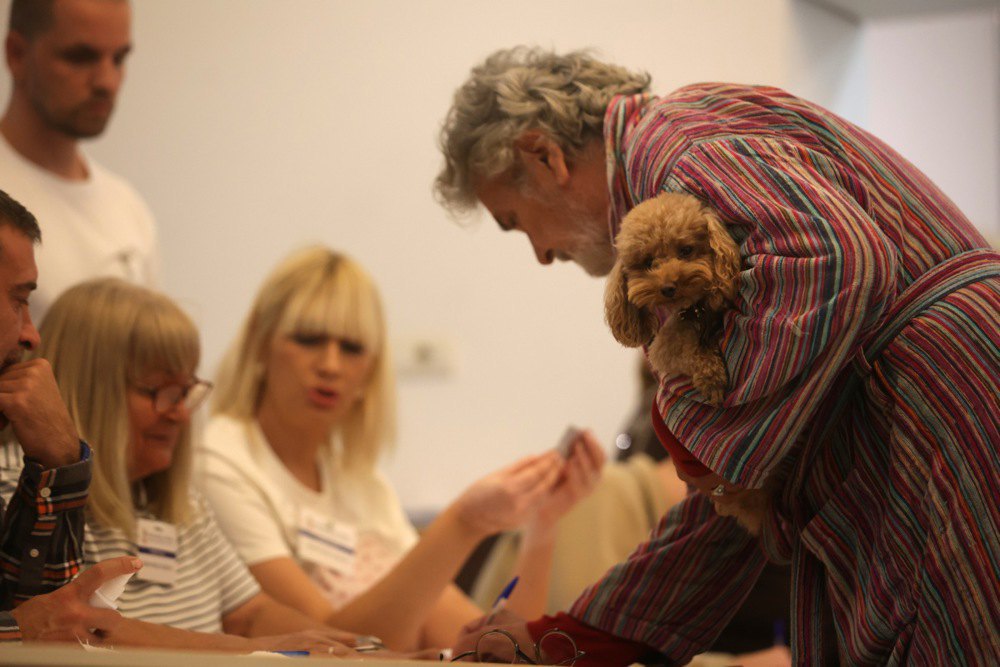
According to Reuters, unusually long queues have formed outside polling stations in cities and towns across the country. Data from the CeSID polling organisation show that as of 9:00 local time turnout stood at 12% – more than double the figure at the same time during the 2023 election. Vučić waited in the queue for almost two hours to cast his vote.
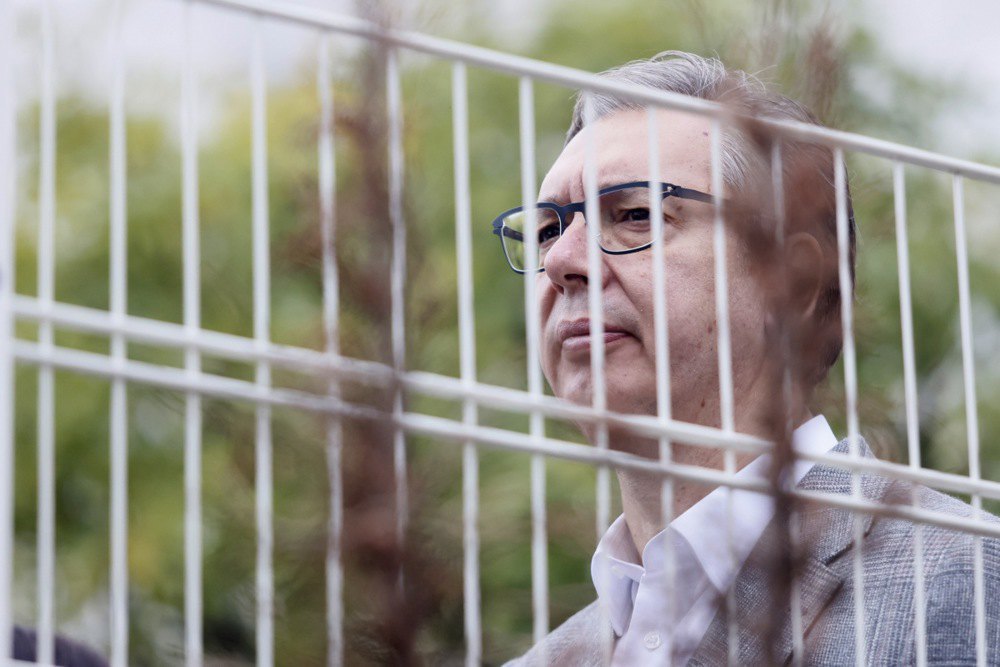
The first preliminary results are expected around two hours after polling stations close at 20:00 local time.
The main opponent of the Serbian Progressive Party (SNS), led by Vučić, is the “Student List” – a coalition movement made up of candidates nominated by participants in the student protests.
The list includes 250 people, among them professors, doctors, entrepreneurs, cultural figures and activists from different regions of the country. The movement is led by Ilija Srdanović, a cardiologist and professor at the Faculty of Medicine of the University of Novi Sad, who describes himself as “first among equals”.
The student movement’s domestic platform focuses on fighting corruption and improving the quality of education. At the same time, its representatives speak cautiously about international ambitions.
According to an Ipsos poll published on Thursday, 47% of respondents support the Serbian Progressive Party, while 40% back the student movement. Other polls, however, have shown higher levels of support for the students.
Vučić remains an influential political figure. Some voters associate his rule with economic recovery and the modernisation of the country, including the construction of motorways, railways, schools and hospitals.
In domestic policy, he has promised to raise pensions and public-sector wages, invest in the healthcare system and provide subsidies to young couples.
On the international stage, Vučić is trying to balance cooperation with China, one of Serbia’s main investors, and Russia, a traditional ally and the main supplier of natural gas. At the same time, the country retains the prospect of joining the European Union, although the negotiating process has effectively reached a dead end.
About 6.4 million Serbian citizens are eligible to vote in the election.