





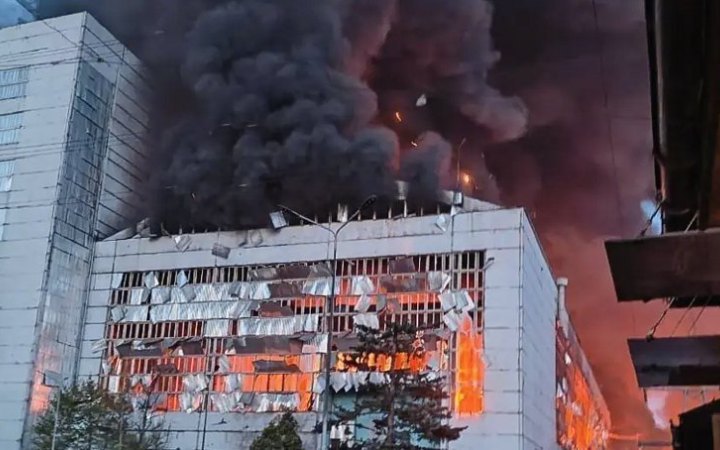
The Independent International Commission of Inquiry on Ukraine presented a report to the General Assembly at its 81st session. The report described Russian attacks on Ukraine’s energy infrastructure as war crimes.
This is stated in the UN commission’s report.
The commission continued investigating the consequences of Russia’s large-scale attacks on Ukraine’s energy infrastructure, including during the winter of 2025–2026, as well as their cumulative impact over the entire period.
According to the commission’s findings, over four years systematic waves of strikes created intolerable living conditions for the civilian population.
Russian forces carried out repeated attacks, simultaneously deploying hundreds of drones and missiles, causing significant damage to energy infrastructure and power outages for millions of people.
Civilians’ suffering was compounded by more intense winter attacks, the widening geographical spread of strikes and their repetition. According to those interviewed, prolonged stays in unheated homes had a negative impact on physical and mental health.
A resident of Dnipro described the prolonged winter power cuts her family endured as follows: "The cold paralyses you; there’s simply no way to warm up, and terrible thoughts creep into your head".
The commission believes that Russian commanders who ordered the strikes knew about the vital importance of heat-supply facilities for civilians, especially in winter.
The evidence collected, the commission concluded, indicates that the Russian authorities deliberately carried out waves of attacks on energy infrastructure as part of a state policy aimed at depriving civilians of essential energy resources and causing them suffering.
The commission concluded that the Russian authorities committed war crimes in the form of intentionally directing attacks against civilian objects, as well as crimes against humanity in the form of other inhumane acts.
Another line of inquiry was the recruitment of foreign nationals into the Russian armed forces. The commission gathered compelling evidence that the Russian authorities, in cooperation with individuals and organisations in different regions of the world, engaged in human trafficking involving people from 29 countries, using deception or coercion to draw them into the Russian army.
Men were offered civilian work in Russia that appeared attractive and plausible. Recruiters arranged the transport of groups of recruits to the country, but soon after arrival they were forced to sign contracts with the Russian Ministry of Defence in Russian. In many cases, the men’s phones and passports were taken away.
According to the commission, recruiting agents and agencies presented themselves as legitimate companies or enterprises with government backing. They arranged visas and travel documents, and sometimes accompanied recruits during their journeys. The commission noted a high level of coordination between agents in different countries and the Russian authorities.
The authorities of several countries confirmed that their citizens had been recruited into the Russian army and launched investigations into the activities of the relevant networks. At the same time, Russian officials publicly denied instances of illegal recruitment.
On the basis of the evidence collected, the commission concluded that the Russian authorities committed the crime of human trafficking, as well as other human rights violations.