





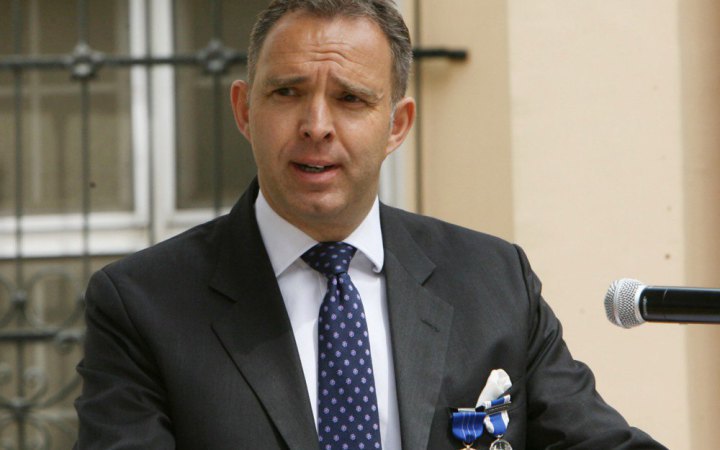
Former UK National Security Adviser Mark Sedwill has urged NATO to “go on the offensive” against Russia so that Vladimir Putin’s regime feels it is “under threat”.
He made the remarks while speaking at the Atlantic Future Forum, the Financial Times reports.
Sedwill said the Western alliance should create “strategic dilemmas” for Moscow and situations that pose “danger” to it.
He noted: “NATO is a defensive alliance, but the most effective form of defence is often... going on the offensive against our adversaries.”
“How do you make them feel they are under threat, rather than simply handing them the initiative and only defending?”, he added, clarifying that this applies across all domains, including land, sea, air, cyberspace and space.
According to people familiar with Sedwill’s views, among the possible measures to strengthen Western action against Moscow he is considering carrying out offensive cyberattacks, taking more decisive steps against Russia’s “shadow fleet”, and dismantling Russian spy networks in Europe.
The FT recalls that Russia has been linked to arson attacks, interference with subsea infrastructure, cyberattacks that have inflicted billions of pounds’ worth of damage on European economies, as well as an attempted drone attack at Leipzig airport this summer.
Read alsoGermany officially accused Russia of a hybrid attack in Leipzig
At the same time, Vice Admiral Rune Andersen, a senior Norwegian commander, warned that NATO must pay attention to escalation management in relations with Russia in order to avoid “misunderstandings” in the North Atlantic, where the Alliance has rapidly increased its presence.
“We are strong, we have brought aircraft carriers back to this region, as well as strategic aviation — all of this is necessary and good,” Andersen said, speaking at the forum.
“So I would like us to pay due attention to calibrating this deterrence, understanding how it is perceived by the Russian side, and also making sure we are able to demonstrate such strength without creating any misunderstandings,” the officer added.
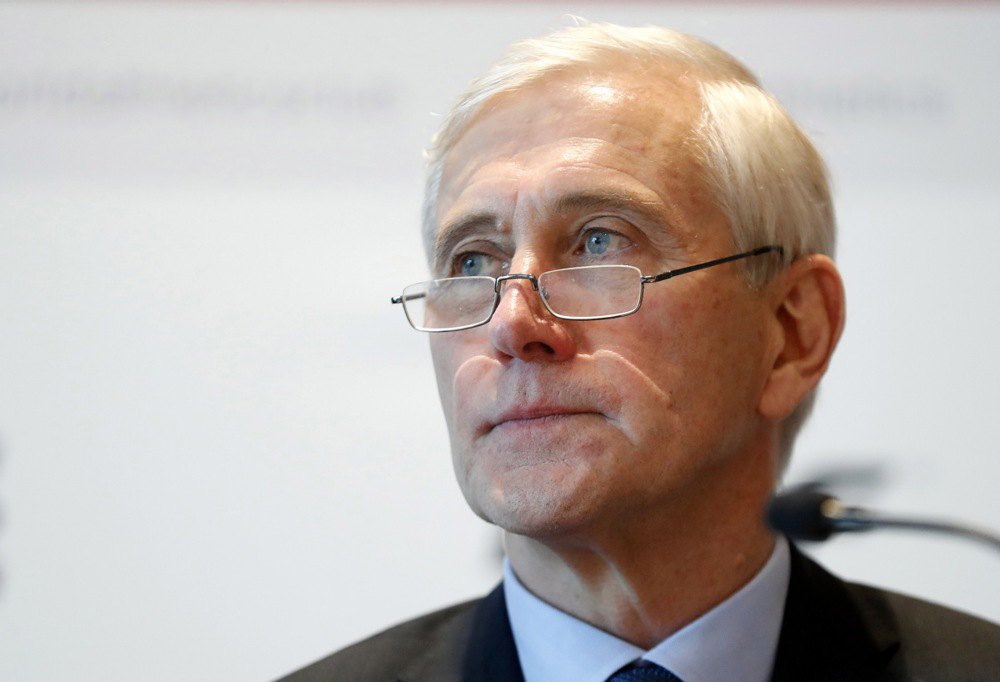
In the view of Rob Johnson, Director of the Oxford University Changing Character of War Centre, economic pressure should remain NATO’s main strategy towards Russia. As an example, he cited measures aimed at Russia’s “shadow fleet”.
The FT adds that the debate over NATO’s approach to Moscow unfolded against the backdrop of a statement by a spokesperson for Russia’s Ministry of Foreign Affairs that Russia’s defence ministry is ready for dialogue with its British counterpart if the UK shows the appropriate initiative.
UK Defence Secretary Wes Streeting told the publication that he would like Britain and Russia to find new channels of communication in order to avoid the “risk of miscalculation”.
At the same time, British officials stressed that previous attempts by the UK to establish high-level military contacts with Moscow — including proposals for phone calls between the Chief of the General Staff of the Russian Armed Forces, Valery Gerasimov, and two British defence secretaries (the previous and the current) — were rejected by the Russian side.
- Earlier, at a conference in Moscow, Russian Foreign Ministry representative Alexey Drobinin said that Russia does not rule out concluding non-aggression treaties with certain NATO member states as part of forming a new security system in Europe.
- The Telegraph, citing diplomatic sources, reported that Moscow may demand a reduction in NATO’s military presence in Europe to 1997 levels. This could involve the withdrawal of Alliance troops from Poland, the Baltic states and Finland.