





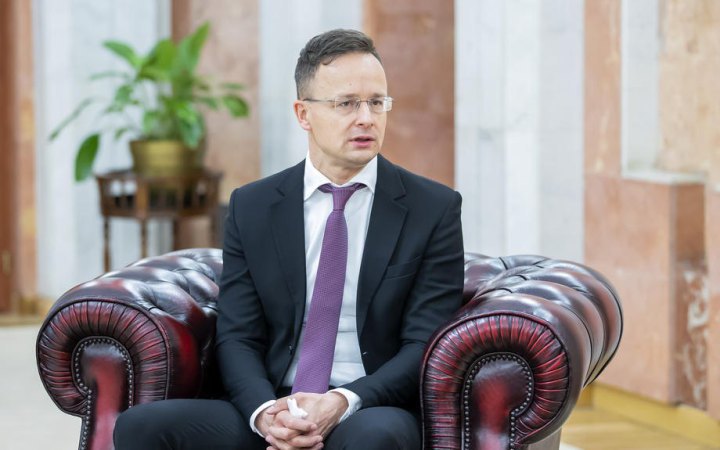
Former Hungarian Foreign Minister Péter Szijjártó regularly received materials from the Russian side detailing how Russian intelligence services were preparing to discredit politicians from the Tisza party ahead of the elections, in order to bolster the position of the then ruling political force, Fidesz.
This is stated in the book “Friendship with Privileges” by investigative journalist Szabolcs Panyi, which examines the extent to which Russian interests have penetrated Hungary’s state apparatus, the Telex portal reports.
According to the book’s materials, reports on measures against the Tisza party were sent from Moscow to Budapest via diplomatic channels. In particular, the main target of the Russian attacks was István Kapitány, a former senior executive at Shell who joined the political force. To discredit him, Russian agencies created fake videos using artificial intelligence and also circulated articles on foreign and Ukrainian platforms claiming that opposition figures were supposedly interested in profiting from the war and from rising energy prices.
The journalist notes that the transport logistics for these documents were allegedly handled by diplomatic representatives, although Hungary’s ambassador in Moscow, Norbert Konkoly, refused to act as a courier because he disagreed with the official policy of rapprochement with Russia. Later, Hungary’s ambassador in Belgrade, József Magyar, was brought in to deliver the papers.
Despite the Kremlin’s large-scale efforts and the spread of propaganda materials through a network of international websites and social media in support of the pro-government course, the effectiveness of such co-ordination proved low, as confirmed by Hungary’s subsequent election results.