





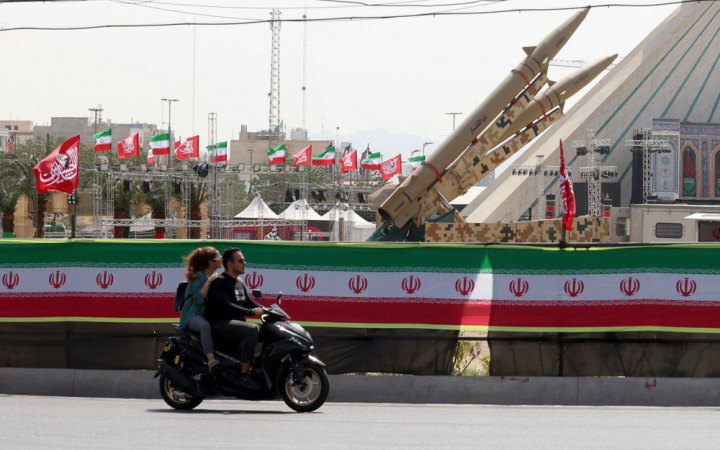
Iran has between 1,500 and 2,500 missiles that it could use to strike US targets and facilities belonging to US allies if the war resumes. The Wall Street Journal reported this, citing US officials familiar with intelligence data.
According to the officials, the estimate is not entirely precise because it is difficult to count missiles stored in depots or already ready for launch. At the same time, they stress that Iran has a substantial missile arsenal.
Despite US and Israeli strikes on missile-production facilities, Tehran continues to replenish its stockpiles. However, this process is slower than before the war, largely thanks to the use of accumulated components. In addition, Iran has a significant number of drones and short-range missiles.
As the WSJ notes, these figures contradict statements by representatives of US President Donald Trump's administration about the near-total destruction of Iran's armed forces. According to the newspaper, the intelligence assessments became one of the reasons the Trump administration discussed the possibility of resuming joint strikes on Iran with Israel.
Simone Ledeen, a former deputy assistant secretary of defence for Middle East affairs, believes that even the lower-end estimate of 1,500 missiles indicates that Iran has restored more than half of its pre-war stockpile. She said the country fully rebuilt its missile arsenal in the period between the 12-day war in June 2025 and the start of the current conflict in February.
At the same time, former CIA analyst Jim Lamson explained that it is difficult to determine the exact number of missiles because of Iran's secrecy on armaments, the large number of manufacturers, and the lack of information about the ability to assemble missiles from components stored underground.
According to the newspaper, Iran's attack tactics have also changed. The accuracy of strikes on targets in the Middle East has increased thanks to better intelligence and more precise target identification. Tehran is being helped in this by allies, including Russia. In addition, Iran is combining missile strikes with drone attacks.
The WSJ also notes that Iran previously kept thousands of short- and medium-range ballistic missiles in underground storage facilities. US and Israeli strikes destroyed the entrances to some of these sites, but satellite images later showed that Tehran was able to clear access to some of them. According to an Israeli military official, the missiles inside the facilities were probably not damaged.
- Earlier, US President Donald Trump said he sees no grounds for resuming hostilities against Iran and is inclined to preserve the status quo in the Middle East. He said the conflict is nearing an end, and US forces will remain ready for any developments.