





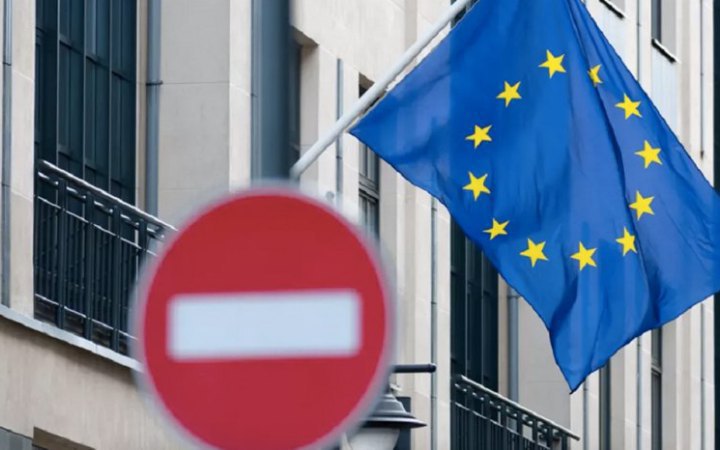
On 16 November, the Council of the European Union imposed sanctions on 30 individuals and two organisations in response to Russia’s interference in the information environment and malicious activity in cyberspace.
This was reported by the EU Council’s press service.
Sanctions were imposed on the Moscow-based “Social Design Agency” (Social Design Agency, SDA), which works in public relations and political consultancy. According to the EU Council, the company carries out large-scale information manipulation and interference projects that are financed, directed and controlled by the Russian presidential administration.
The agency organised disinformation campaigns against EU countries and institutions, and also sought to influence public support for Ukraine in Europe. In particular, this concerns campaigns ahead of the 2024 European Parliament elections and special operations targeting Germany and France.
Read alsoFive EU countries call for sanctions against Russian crypto networks
The sanctions list also includes 24 agency employees involved in developing and implementing the so-called “European counter-campaign” and “Ukrainian counter-campaign”.
In addition, restrictions were imposed on Russian TV presenters Vitaliy Yeliseev and Petr Marchenko, blogger and military commentator Yuriy Podolyaka, as well as Chay Bowes from RT’s international desk. The EU Council said they spread narratives that justify and support Russia’s war of aggression against Ukraine.
Another target of the sanctions was the pro-Russian hacking group NoName057(16), which emerged in March 2022. It claims responsibility for cyberattacks on government bodies, critical infrastructure facilities and private companies in Ukraine, the United States and EU countries.
According to the EU Council, the group carried out DDoS attacks on websites and portals in the energy, financial and transport sectors, as well as on water supply facilities, political parties and candidates during elections.
The sanctions provide for asset freezes, as well as entry bans and transit restrictions through EU member states. EU citizens and companies are also prohibited from making funds available to sanctioned individuals and organisations, directly or indirectly.
With the new sanctions package under the mechanism to counter Russia’s destabilising actions, the restrictions now apply to a total of 111 individuals and 21 organisations.