





The risk of a nuclear accident in Ukraine this winter is increasing due to Russian strikes on energy infrastructure. Representatives of nuclear regulatory authorities from 38 countries issued the warning, urging Russia to stop attacks on energy facilities needed for the safe operation of nuclear power plants.
This is reported by Reuters, citing a joint statement by the international organisations HERCA, WENRA and NORA.
“We express deep concern about the growing risks to nuclear safety as a result of Russia’s war against Ukraine and its continued attacks on the country’s energy infrastructure,” the joint statement by representatives of nuclear regulatory authorities said.
They urged Russia to stop attacks on Ukrainian nuclear facilities and the energy infrastructure required for their safe operation.
As the statement notes, without a stable electricity supply from the power grid it will become increasingly difficult for Ukraine’s nuclear power plants to maintain cooling of nuclear fuel and prevent a potential reactor meltdown.
According to HERCA and NORA head Per Strand, Russian attacks have become more dangerous in recent weeks. In particular, Russia has begun using drones with larger warheads and more accurate guidance.
“It is clear that this winter the risk of a nuclear accident will be at its highest because of the Russians’ new tactics,” Strand told Reuters in an interview.
He said the worst-case scenario would be a complete blackout of Ukraine’s power system, which would simultaneously affect nine reactors generating electricity in Ukraine.
Strand stressed that such a development can be avoided if pressure on Russia is increased now and an end to strikes on energy infrastructure is secured. At the same time, European countries must prepare jointly for the possible consequences of a nuclear accident.
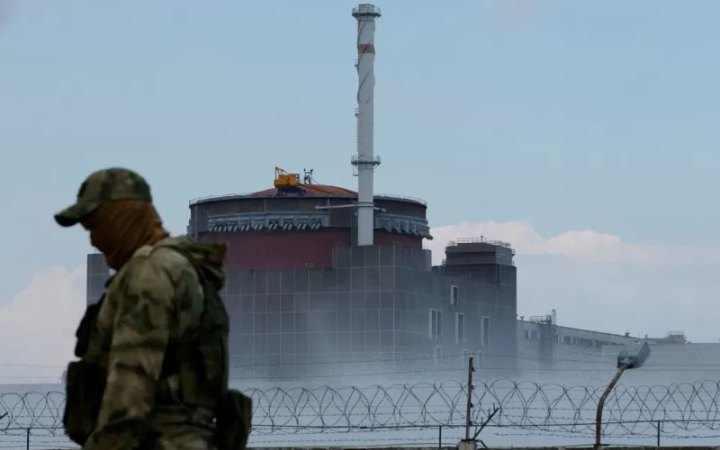
Ukraine has four nuclear power plants, three of which are operating. They provide about 80% of the electricity used this winter. The Zaporizhzhia NPP, the largest in Europe, is under Russian control and is not generating electricity.
At the same time, the plant depends on an external electricity supply needed to cool nuclear fuel. Since the start of the full-scale war, the Zaporizhzhia NPP has already lost external power 27 times, forcing it to switch to emergency diesel generators. Since the end of March, the plant has depended on only one external power line.
The International Atomic Energy Agency also reported on 15 November that electricity supplies in Ukraine were unstable due to military activity. This led to reduced output at some power units at Ukraine’s nuclear power plants.
- Russia has effectively turned the temporarily occupied Zaporizhzhia nuclear power plant in Enerhodar into its own military base, intelligence says.
- On the territory of the Zaporizhzhia NPP, where all six nuclear reactors are in a state of “cold shutdown”, the Russian occupying army has stationed military equipment directly in the turbine halls of power units 1, 2, 5 and 6.