





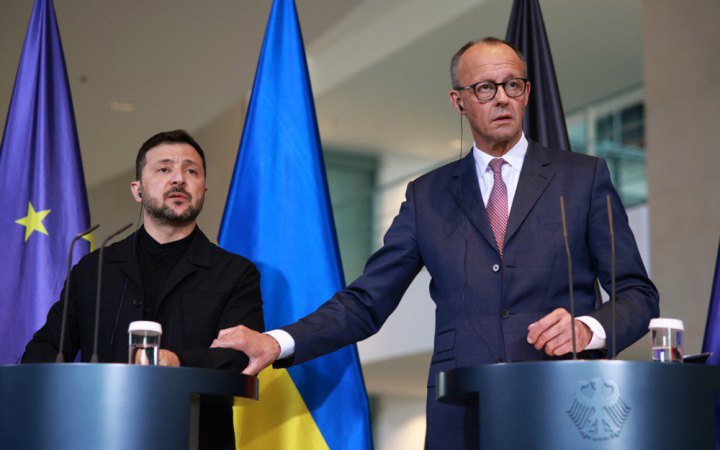
Germany is insisting that the EU’s next long-term budget enshrine a mechanism for stable funding for Ukraine, Politico reports.
This would be a mechanism under which potential opponents — for example, Marine Le Pen, if she wins France’s presidential election next year — would find it difficult to impose a veto.
According to a senior European official familiar with the negotiations, Berlin’s plan is to secure “fiscal space” (a reserve) for the EU that would make it possible to raise additional funds for Ukraine — on top of the €100 billion already proposed by the European Commission.
Such a borrowing mechanism would make it possible to finance support in the future without the need for huge and politically unpalatable spending all at once.
The senior European official told the publication that the issue of funding for Ukraine is now more contentious than ever. The situation would become even more difficult if Marine Le Pen — a representative of the far-right National Rally party — were to win, the official added.
While adopting the EU’s next long-term budget (as well as the plan to create an additional financial reserve that Germany is pushing for) requires unanimous support from all member states, future decisions to raise funds for Ukraine under this scheme — provided Germany gets its way — would require only a qualified majority.
According to an EU diplomat, this would make it harder for individual governments to block support from the European Union.
The German proposal is likely to face resistance from countries such as Hungary, the Czech Republic and Slovakia — which have demanded the option not to take part in providing aid to Ukraine. The initiative will also further complicate the already difficult negotiations over Europe’s seven-year budget ahead of a special EU summit scheduled for 26–27 November.
Meanwhile, German Chancellor Friedrich Merz is trying to get his way on Ukraine aid by using a powerful lever: Germany is the largest contributor to the EU budget, which totals €2 trillion.
In a letter sent at the beginning of this month to European Council President António Costa, Merz issued an ultimatum: Germany’s support for the next EU budget will depend on whether the bloc agrees to raise an additional €45 billion for Ukraine for 2027, and whether a “funding outlook for Ukraine for the period after 2028” is set out.
At the same time, Merz effectively threatened to cut German contributions to regional development funds — money used by Central European countries that are sceptical about aid to Ukraine. This threat applies if those countries try to block the plan to increase the financial reserve or refuse to support Kyiv.
- The European Commission has proposed granting Ukraine a €45 billion loan in 2027. It is planned to be repaid from future Russian reparations for the damage inflicted on Ukraine.