





After lengthy discussions over who exactly would represent Europe in future negotiations on Ukraine, allies are facing a new challenge — agreeing a common position and red lines.
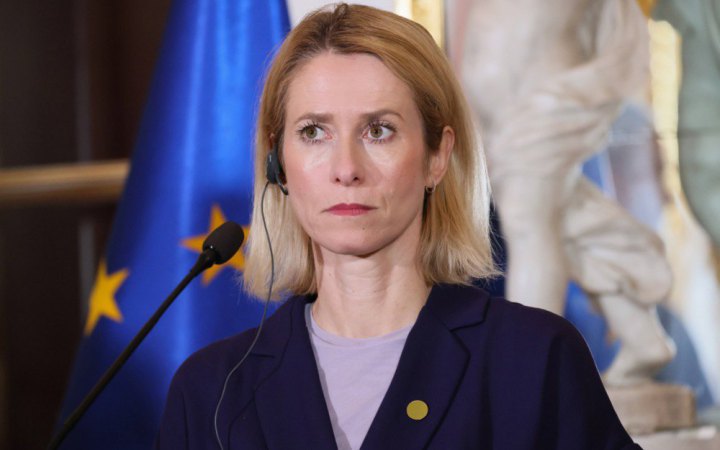
Some countries favour a flexible approach and gradual steps, while the EU’s top diplomat, Kaja Kallas, is urging a hard line, Politico reports.
After several days of wrangling, EU leaders agreed the make-up of the negotiating group: it will include officials from France, Germany, Italy and Poland, as well as representatives of the United Kingdom, NATO, the European Commission and the European Council.
In a 15-point document prepared ahead of a meeting of foreign ministers, Austria proposed focusing on confidence-building measures. In particular, it refers to a limited or partial ceasefire to prepare for a broader truce, as well as the creation of an international forum to monitor a possible peace agreement.
Norway, which is not part of the negotiating team but has direct contacts with Moscow, is also putting forward ideas. Norway’s foreign minister, Espen Barth Eide, said Europe should clearly define the topics it will not discuss. At the same time, he urged drawing on Cold War-era experience, including the 1975 Helsinki Accords and arms-limitation agreements that may be needed in the post-war period.
A number of countries are also insisting on giving the European delegation a flexible mandate so participants can genuinely engage in dialogue rather than having their hands tied. Sources told the outlet that EU ambassadors, not foreign ministers, should draft this mandate. An additional complication is that such a document would bind only representatives of the European Commission, the European Council and advisers from France, Poland, Italy and Germany, but would not apply to delegates from the UK and NATO.
Kaja Kallas, by contrast, is convinced that the mandate should be shaped by foreign ministers themselves, and that Russia should be required to make concessions at the outset — not the other way round. Drawing on her experience as a lawyer, she explained that negotiations should begin with maximum demands, while keeping the limits of possible compromises and the final red lines confidential. This position was backed by ministers from the Baltic states, Northern Europe and the eastern flank. Lithuania’s foreign minister, Kęstutis Budrys, stressed the importance of последовательність: first an agreement on silence at the front, and only then talks on a lasting peace. His Estonian counterpart, Margus Tsahkna, added that Putin must be the first to cease fire, after which Ukraine and Russia would talk about peace, and allies would determine security guarantees for Ukraine and the entire region.
Despite these demands, Europe has in effect already accepted that negotiations will continue even without a prior ceasefire. According to two EU officials, European negotiators expect meetings in Abu Dhabi to resume in the coming weeks and are counting on sitting at the same table with the Russians, even as Moscow continues daily attacks on Ukrainian territory.
- Volodymyr Zelenskyy said after a meeting of the coalition of the willing that Europe would be represented in the talks by five countries, as well as representatives of the European Union and NATO. From now on, the negotiations will therefore be not trilateral but quadrilateral.