





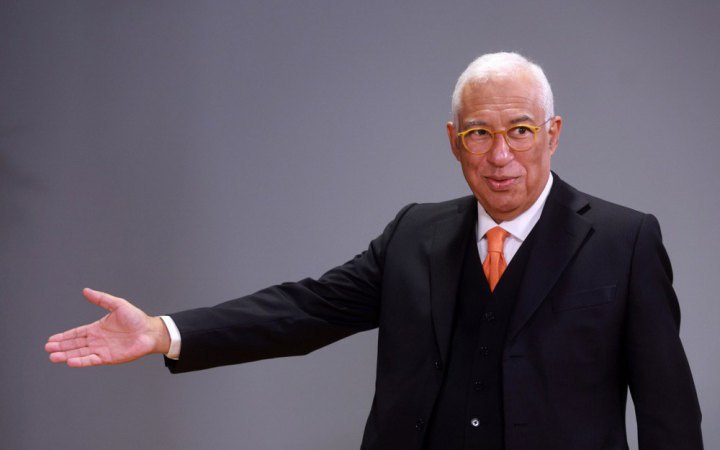
European Council President António Costa has proposed a new draft of the EU’s next budget, DW reports.
Among other measures, he proposes introducing a tax on major technology companies to reduce the financial burden on member states, some of which sharply criticised earlier proposals.
The EU budget is the European Union’s common budget, with funds allocated to a range of needs: from agricultural subsidies and infrastructure projects to border control and defence.
The first draft budget for 2028–2034 was presented by the European Commission in 2025, but it drew criticism, including from a group of northern European member states (among them Germany), which insisted on significant cuts.
In light of this criticism, the President of the European Council has put forward a new version, reduced by €204 billion.
At the same time, differences between member states appear to persist. France immediately came out against Costa’s new draft, saying it caused deep disappointment.
The proposal sets out a number of new “revenue sources” intended to “keep national contributions at an acceptable level”, meaning member states would have to pay less than under other proposals.
The biggest stir is likely to be caused by a tax on companies whose annual turnover from digital activities is at least €50 million in the EU and €750 million worldwide.
According to Costa, such firms would have to make “an annual contribution of 3% of annual net turnover generated from online advertising, digital intermediation services and user-generated data”.
In addition to the tax on the technology sector, a “balanced basket of new own resources” also includes taxes on tobacco products and electronic waste.
What Happens Next?
Neither the European Commission nor European Council President Costa will have the final say on the budget. Costa’s plan will become the central topic of lengthy negotiations taking place next week in Brussels with the participation of EU leaders.
However, the initial reaction from France suggests a final agreement is still a long way off.
France’s leadership said this budget falls well short of what is needed, especially in the context of the Common Agricultural Policy, in particular when it comes to guaranteeing support for farmers’ incomes.
The EU had hoped to reach an overall agreement on the budget by the end of 2026, with formal adoption planned for 2027.
- In October, at a European Council summit, there was talk of a budget of almost €2 trillion, which will set the EU’s main priorities for the period from 2028 to 2034 — including in agriculture, defence, competitiveness and migration.