





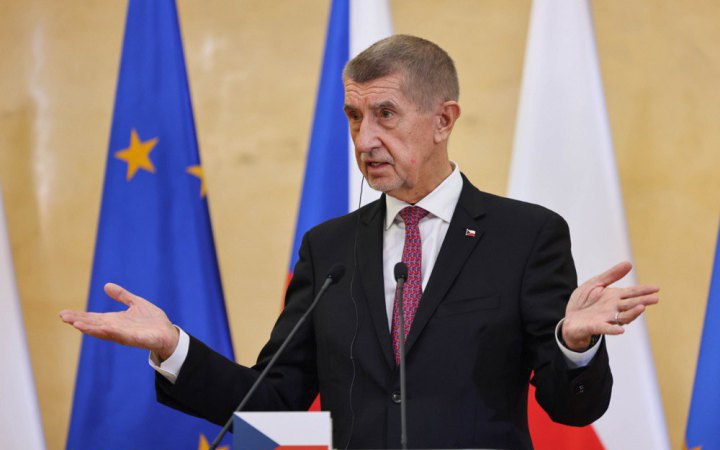
Czech Prime Minister Andrej Babiš has called the current draft EU budget completely unacceptable for his country.
In a video address on the social network X, he criticised the planned cuts in payments to the Czech Republic, spending on maintaining European institutions, as well as the allocation of money to support Ukraine, Ceske Noviny reports.
The updated draft seven-year EU budget for 2028–2034 was presented by European Council President António Costa. The document provides for a €204bn reduction in spending compared with the European Commission’s initial plan of €1.763tn, which some countries consider too burdensome.
Babiš, however, spoke out against cuts in funding for his country. He said the Czech Republic is paying ever more into the common fund, but under the Irish presidency’s proposal, first floated back in October, payments to Prague are to be reduced by 7.5bn koruna.
In addition, the Czech prime minister said he was outraged that over seven years the work of the European Parliament, the European Commission and the upkeep of officials would cost €100bn. He also rejected the idea of directing a further €100bn from the EU budget to aid Ukraine, saying Kyiv should receive these funds outside the European budget.
Czech Foreign Minister Petr Macinka backed the prime minister’s position. Before departing on a working visit to Britain, he told journalists that discussions of financial assistance to Ukraine should take place separately from debates on the European budget.
Analysts note that the Czech Republic still receives more from the EU budget than it pays in, although as the country’s prosperity grows this situation may change in the future. According to the Ministry of Finance, last year Prague received 31.1bn koruna more than it paid, and taking into account funds from the recovery fund, the positive balance reached 77.9bn koruna.
Costa is trying to agree a compromise version among the 27 member states by the end of the year. However, his latest draft has also been criticised by German Chancellor Friedrich Merz. Berlin’s position, as a net contributor to the EU budget, is the opposite of the Czech one: Merz is calling for the overall size of the budget to be cut even further, while at the same time ensuring reliable and sustainable multi-year support for Ukraine.
What We Know About the EU’s €45bn Loan for Ukraine
- On 18 November, the European Commission presented a new €45bn support mechanism for our country. European Commission President Ursula von der Leyen said she was confident that all 27 EU countries would back the initiative, despite differences over how the funds would be used.
- The financing mechanism will be the same as the one used last year to provide the already agreed €90bn loan to Ukraine. The funds were intended to cover Ukraine’s financial needs for this year and next. However, increased destruction as a result of Russian attacks has widened Kyiv’s funding shortfall.
- The legislative proposal still has to be considered by the European Parliament and the Council of the EU.
- Slovakia said it would refuse to finance additional aid to Ukraine in 2027. At the time, this concerned the need to cover a Ukrainian funding shortfall of €70bn.
- Now Prime Minister Fico has said his country will not take part in financing the European Union’s new €45bn loan for Ukraine.