





At the heart of the Kyiv Biennial 2025 is the concept of Middle-East-Europe. Why did this geographic framework seem productive to you for a conversation about contemporary art?
This overarching framework of the Kyiv Biennial is not limited to the Berlin chapter, which runs from 11 June to 13 September 2026. It is, in fact, an attempt to rethink the map of the region by moving beyond the familiar West–East opposition. It invites us to consider a newly conceptualised space from a post-colonial perspective: to explore emerging alliances and examine how the interconnected histories of these countries continue to shape the present. The concept brings together diverse historical experiences and different ways of understanding the region.
But it goes beyond the conventional dichotomy.
And that is precisely how the Kyiv Biennial operates in its current nomadic format. This approach has already been realised in Warsaw, Linz and Antwerp, as well as at Kyiv’s Dovzhenko Centre and in Dnipro. Each edition is developed in collaboration with a local institution: the core concept is adapted to the specific characteristics of the platform while also taking into account the audience—the residents of the city in which the project is presented. That is why every iteration receives a new title and, in a sense, a renewed interpretation of the concept.
In Berlin, it is A Bird That Cannot Land.
For Berlin, this is particularly compelling because it is precisely here that people from this newly imagined space come together. And there are several important points of connection here.
Exile.
Exile from the world—and flight from the world.
Exile can be geographical, such as being forced to leave one’s country. But there is also exile from language, from family, a flight from one’s former self. In times of war and alienation, it is especially difficult to find a language to speak about what has been lived through. Language can do a lot, but it also has certain limits. KW focused in particular on this: how we talk about conflicts and how to find a common denominator for this new geographic framework and for Berlin. So voice and forms of expression truly became the central methodology of the Biennial’s Berlin chapter.
That is why the project has three components: it is not only an exhibition, which consists of 21 exhibition positions from the basement to the top floor. There is also a performative program curated by Lorena Juan—including a “concert week.” We worked very closely with Berlin’s diaspora communities and also developed the idea of voice and sound. Sound is central here. In other words, it is about how one can move through different stages of exile or grief, as well as hope—through words and music.
And there is also a discursive program curated by Vasyl Cherepanyn: a more academic look at the region, its history, and contemporary political and economic processes.
The name “Kyiv Biennial” seems to promise that Ukraine will be at the center of attention. At the same time, in the Berlin exhibition Ukrainian artists are presented alongside artists from Central Asia, the Caucasus, and other regions. What does this framework change in the conversation about Ukraine?
If we start from the project’s overall concept and the idea of thinking through exile, reflection begins: how exactly can we talk about this. We turned to different ways of narrating conflict and life under conflict, developed by many generations. This is a very important precondition. The exhibition presents around fifty works created by artists born from 1936 to 2001. So it is a long view and truly an intergenerational exhibition.
We worked with artists, each time clarifying their mode of expression and life experience—including the accumulated legacy of generations. For us, it was a practice of listening. The ability to listen became an important part of this work. The very opportunity to work with people who have such rich experience and such a poetic language becomes an experience that forces curators toward professional humility. It is not only about understanding the specifics of conflict, but also about the approach itself. These intersections become especially visible in certain works. And there is a particular beauty in that.
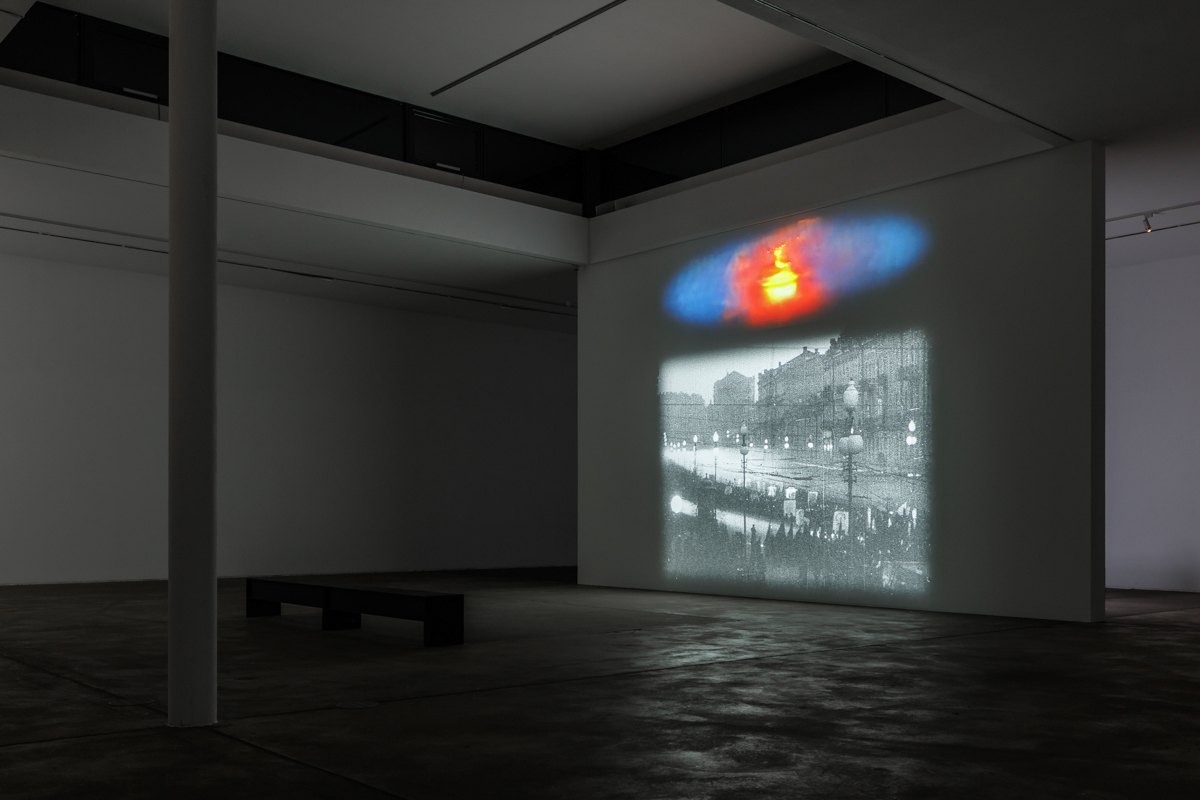
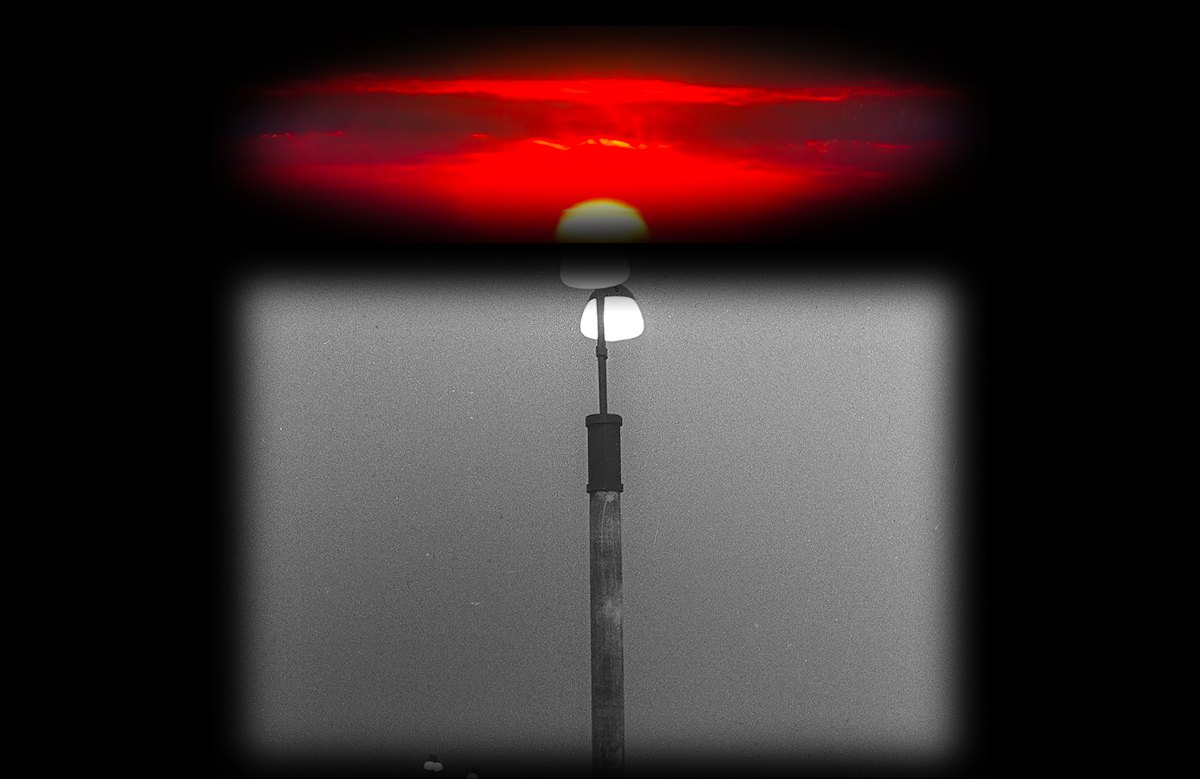
For example, Lesia Vasylchenko works with an “archaeology of images,” turning to Kyiv archives and exploring the night sky as both a symbolic and political space. Her works show how meanings shift as they move from one historical and cultural context to another. (The exhibition features the artist’s works: the sculpture A Willow’s Lament Etched in Light, and the video works Tachyoness, Night, Night Without Shadows and Light Without Rippling of Waves. — Ed.)
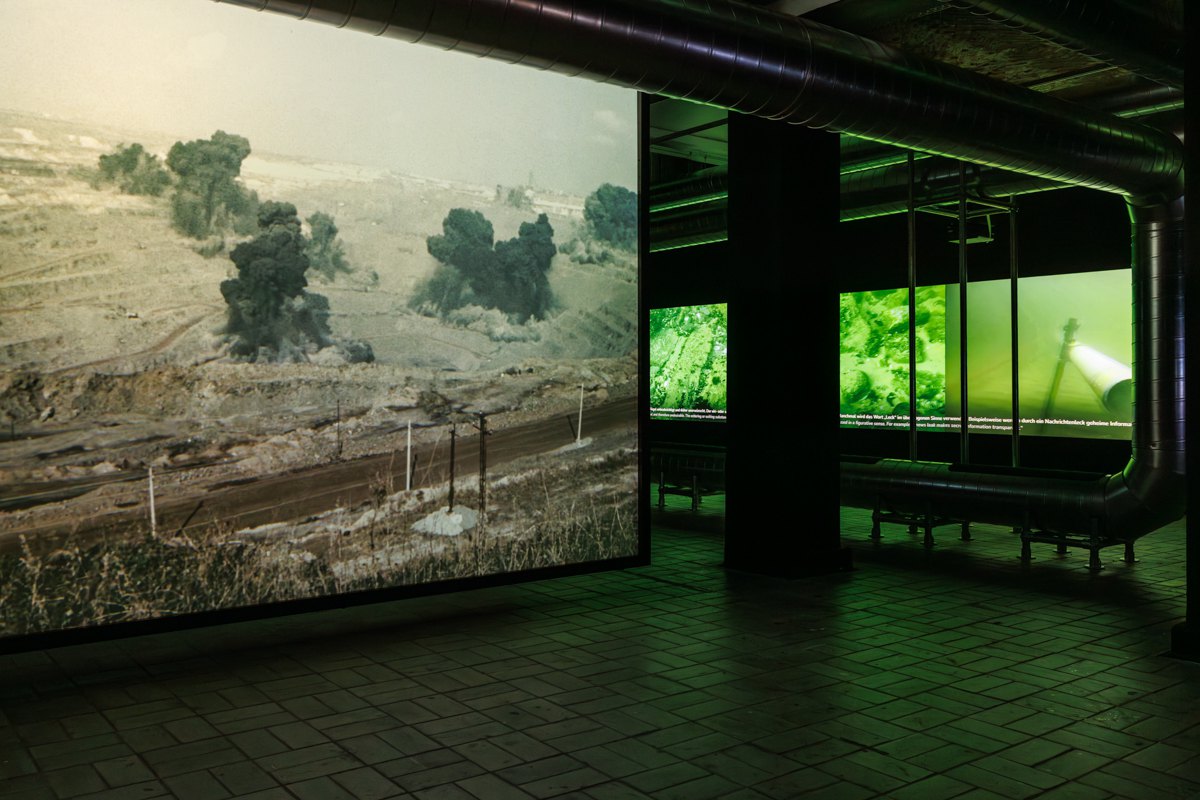
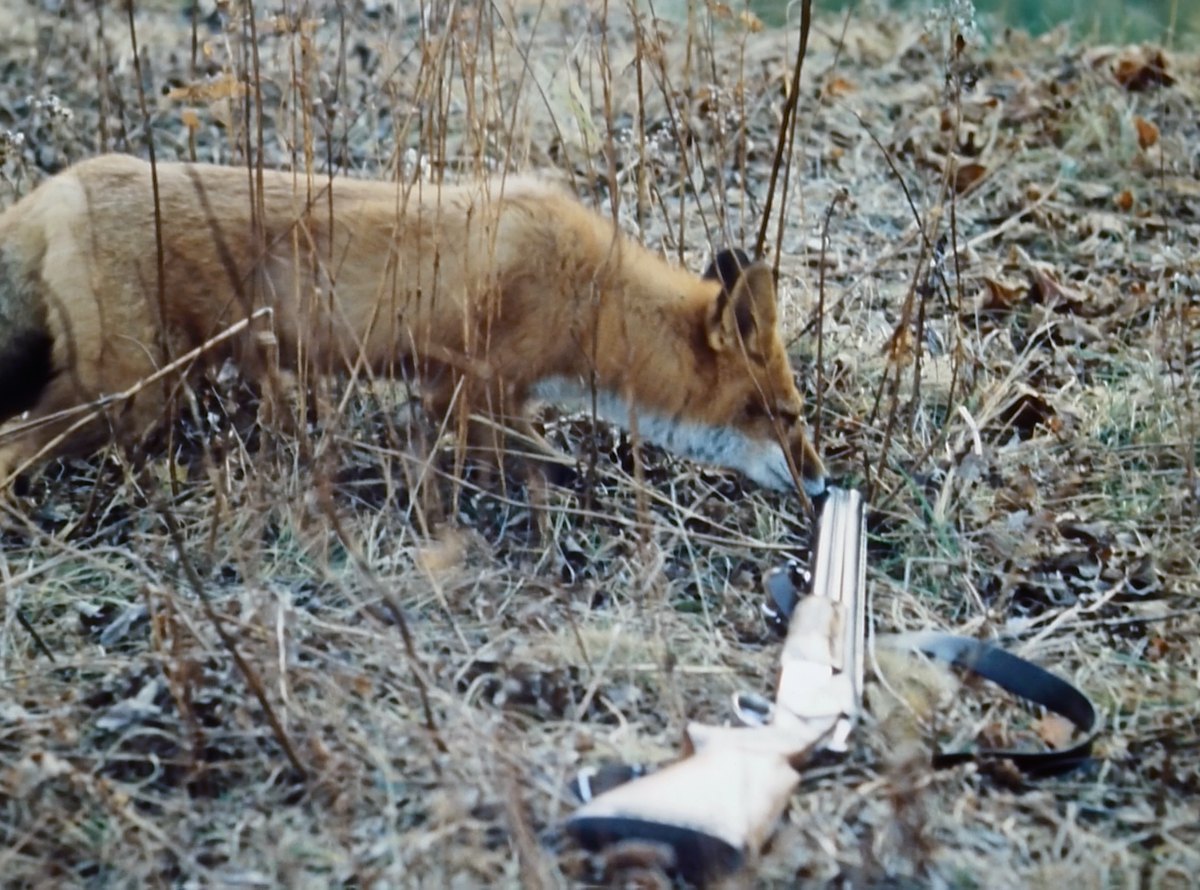
The same applies to the German artist Hito Steyerl, who has lived in Berlin for many years. Together with Oleksiy Radynskyy and Philip Goll, she worked on the project Leak about the Nord Stream 2 gas pipeline, which is largely about how history is translated or told through images, pushing language into the background—and how these images do not always reflect the truth, but create it. On the first floor of the exhibition space there are three experimental documentary films about Nord Stream 2 that try to create images of what previously was not obvious.
So images become a language.
Did you think about the risk of diluting the Ukrainian voice?
As for the risk of diluting the Ukrainian perspective… that is, ultimately, one of the key ideas of the Kyiv Biennial. As a post-Maydan platform, from the very beginning it has focused on critically reflecting on the Ukrainian experience. As far as I can judge from our collaboration, the Biennial’s aim has always been to build connections between Ukraine, Europe, and neighboring regions.
If, for example, in 2023 the Kyiv Biennial at nGbK and “Between Bridges” focused primarily on the everyday experience of war—from news from the front to civilian life—now a longer historical perspective is proposed. It turns to older events that took place centuries ago, traces how they manifest today, and asks how this past can help us imagine the future differently.
For me, this juxtaposition of different experiences is not a way to dilute the Ukrainian perspective, but an opportunity to make the conversation richer, to create space for dialogue and mutual understanding.
If you were asked to guide a viewer through the exhibition using only one pair of works, which would you choose and why?
There are very different works presented here, and it is precisely the interaction between them that creates a coherent impression. Each floor has its own theme, so it is difficult for me to name one piece that would embody the entire exhibition.
But I really like the room with Lesia Vasylchenko’s works. Then, deeper inside, there is the video by Afghan artist Lida Abdul, In Transit. Together, these two works convey the idea of Middle-East-Europe with great precision.
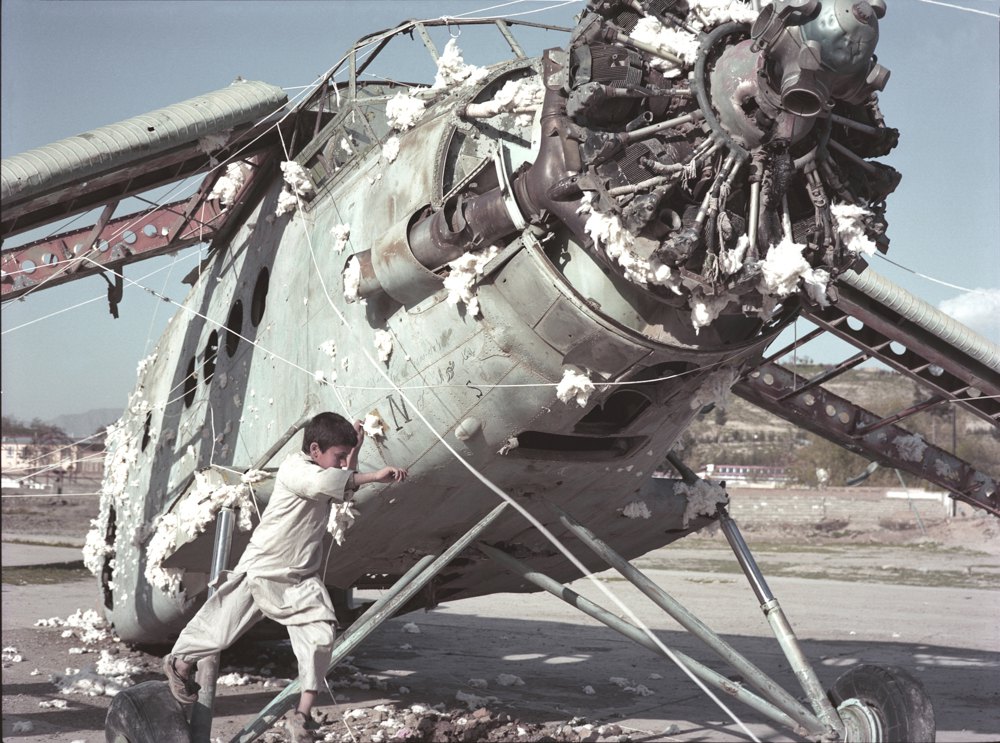
Lesia Vasylchenko shows a sequence of images from 1918 to 2025, including the disaster at the Chornobyl Nuclear Power Plant. Lida Abdul’s work addresses the consequences of the war in Afghanistan. In a sense, these two works speak to two historical processes that defined the end of the Soviet era. This is where the exhibition’s conversation begins.
From there, these stories diverge in different directions, but at the same time they continue to interact. That is what I like most about the exhibition. Especially on the third floor, where each work exists on its own, in its own silence, yet at the same time enters into dialogue with others.
Projects like Bird… reflect political realities—but can they also shape the way Europe talks about war, solidarity, and memory? Where does curatorial responsibility fit in?
For KW, this is an important question. We work with the urgent challenges of the present, and our role is not only to show art, but also to create the conditions for it to emerge. This is even embedded in the name Kunst-Werke itself. “Werk” means not only a “work,” but also a “factory.” So we see ourselves as a place where art is made, not only exhibited.
The exhibition begins with Geta Brătescu’s work The Traveller: a small figure of a traveler that embodies everything I put into the exhibition as a whole. It is an atmospheric work. Geta worked extensively during the Ceaușescu dictatorship. At that time it was extremely difficult to create critical art, so she used the space of her own studio for that. An exhibition is not a studio, but in the same way the art space here becomes a means of travel. A way to connect with others—more imagined than physical. Brătescu did not travel, but art became a way of traveling.
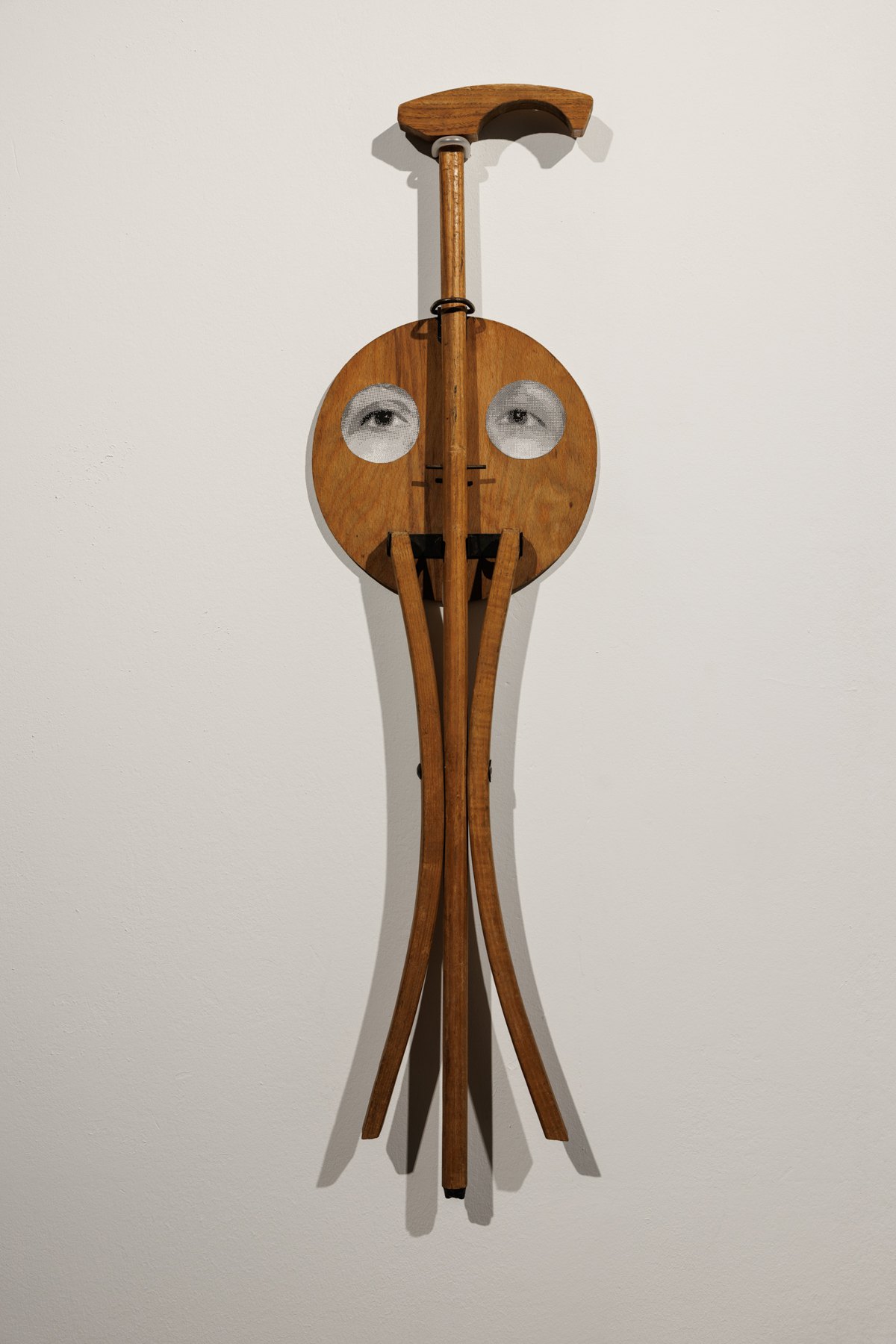
For us, A Bird That Cannot Land is one of the paths. And it is also an attempt to create a space you can come to, see something shared, and perhaps be inspired. Not necessarily—but possibly. Here, the possibility arises to discover new perspectives. Our task is to create a space where that will happen, or where there is a high likelihood that it will happen. I think that is precisely the curatorial approach to the question.
Working on the project, I discovered the Ukrainian art scene—extraordinarily diverse, strong, and compelling. Artists who live in Ukraine and beyond it reflect in different ways on the experience of belonging and war. And the Kyiv Biennial, as it seems to me, consistently expands the field of this conversation—not only through art, but also through research practices and academic discussions.
In my view, this collaboration continues what the Kyiv Biennial has been steadily developing for many years, while also connecting it with KW’s tradition of working with artistic voices that have not yet been sufficiently heard. It is precisely this synergy between the two institutions that, to my mind, made Bird… such a special project and made it possible to create something that neither institution could have done on its own. And the very opportunity to work on something like this and be part of it became a real privilege.