





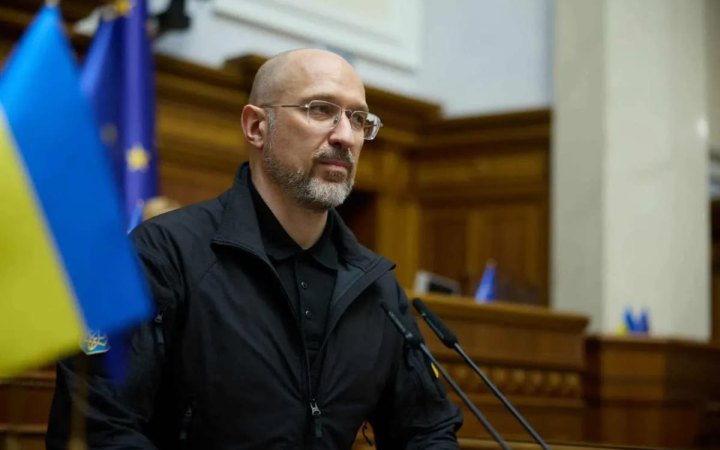
Air defence and electronic warfare have long been part of the infrastructure’s operating regime. This is engineering protection—monolithic superstructures over facilities. As of now, construction of about 200 second-tier protective structures has been completed, First Deputy Prime Minister Denys Shmyhal said on 21 August during the government question hour.
Work in the regions continues in line with resilience plans. Of the 40 billion hryvnyas recently allocated by the Verkhovna Rada to strengthen regions and communities, 35 billion has already been distributed. The money will go, among other things, to backup power and protection.
“At the same time, when we talk about protection, we need to understand the real picture. When several ballistic missiles with half-ton warheads hit a facility, protection does not provide a 100% guarantee. But there is a big difference between damage and total destruction. Damage can be repaired. In practice—within weeks,” he said.
The state is building a system of so-called energy cells—a network of small sources that operate autonomously. A large network can be destroyed with a dozen missiles, while a thousand small ones dispersed across the country are much harder to take out. Currently, 1.8 GW of distributed gas generation is operating. More than 400 MW has been connected as part of resilience plans. The plan by the end of the year is an additional 800 MW of capacity.
More than 280 units are at the installation and construction stage. The biggest progress is in Kyiv and Kharkiv Regions, while there are risks in Kyiv and Poltava Regions. Russia is already trying to destroy generation facilities, preventing them from being installed. Yesterday there was a strike on one of the energy facilities, which set the plan back.
- Denys Shmyhal did not specify where exactly Russia attacked the energy sector yesterday. However, Kyiv Mayor Vitaliy Klitschko said that for the first time in months, Russians carried out a targeted attack on the city’s critical infrastructure.