





One of the Most Powerful Strikes on Kyiv’s Energy Hub
The enemy’s plan is clear: Russia wants to isolate Kyiv even before winter. That is why the Russian army is sending jet-powered drones at the region’s energy infrastructure every day, and in addition has been striking with ballistic missiles several times a week.
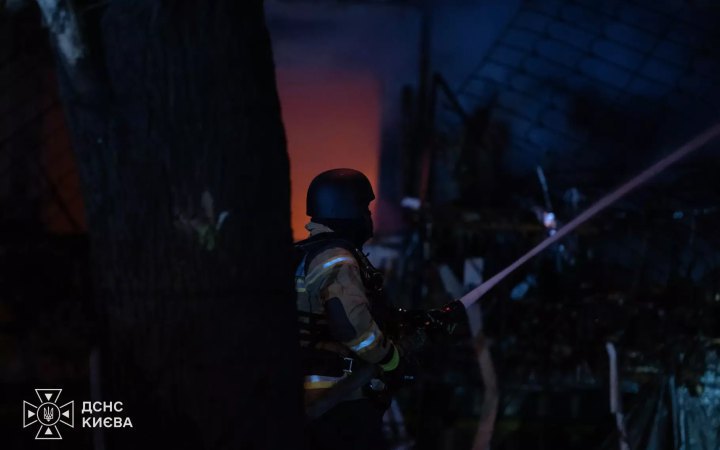
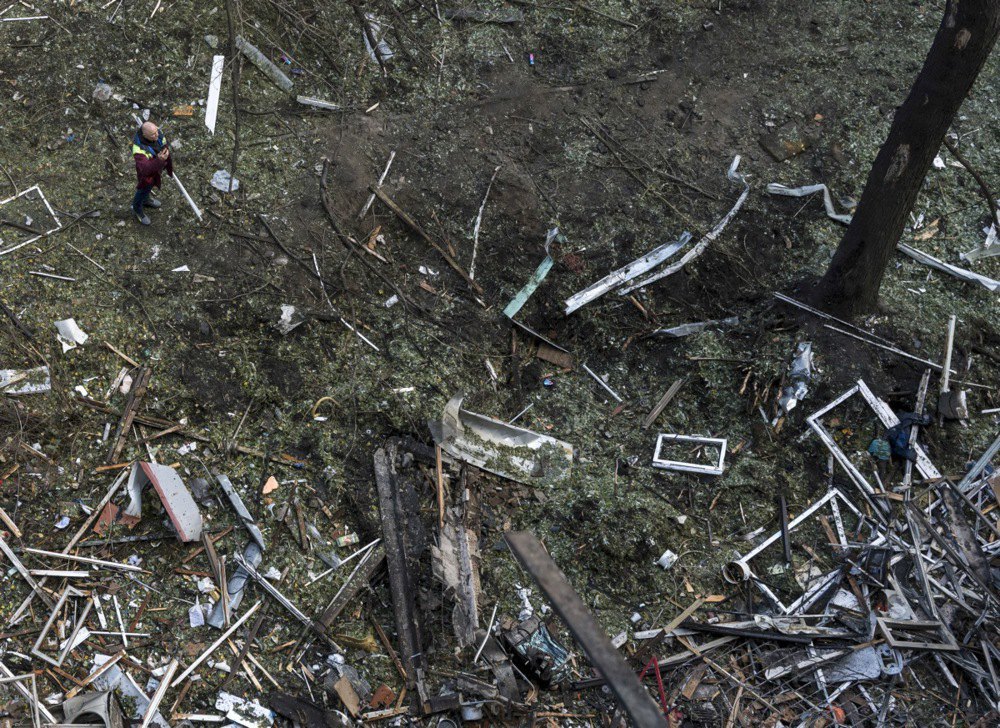
The shelling over the past two days has been particularly intense. Overnight, the Russians hit three of the city’s combined heat and power plants. At the same time, they also targeted a thermal power station in the Kyiv region, as well as key facilities in the electricity transmission system.
“CHP Plant No. 4 (Darnytsia) took a direct ballistic hit. Several other energy-supply facilities in the capital were attacked with ballistic missiles: the Trypillia Thermal Power Plant and Kyiv’s energy ring. As a result of the attacks, there were disruptions to electricity supply, water and urban transport, and emergency power cuts were introduced,” says Volodymyr Omelchenko, Director of Energy Programmes at the Razumkov Centre.
In other words, Moscow is seeking to destroy power generation inside the Ukrainian capital. It also aims to sever the energy bridges that transmit electricity from the west of the country.
CHP infrastructure is not only about generating electricity and producing heat in winter, explains Hryhorii Plachkov, former head of the State Nuclear Regulatory Inspectorate. The Russians are directing missiles at open switchgear located on the sites.
“Through them, electricity can be distributed across the region. The open switchgear at Kyiv’s CHP Plant No. 5 serves as a large substation even if the facility is not generating electricity. All the infrastructure for that is there,” Hryhorii Plachkov explains.
According to Mayor Vitali Klitschko, since the start of the year the Russians have attacked the capital’s combined heat and power plants almost fifty times. This includes hits by both drones and missiles. The intensity of the strikes has increased significantly. The 14 October attack caused “quite serious” damage, the mayor added.
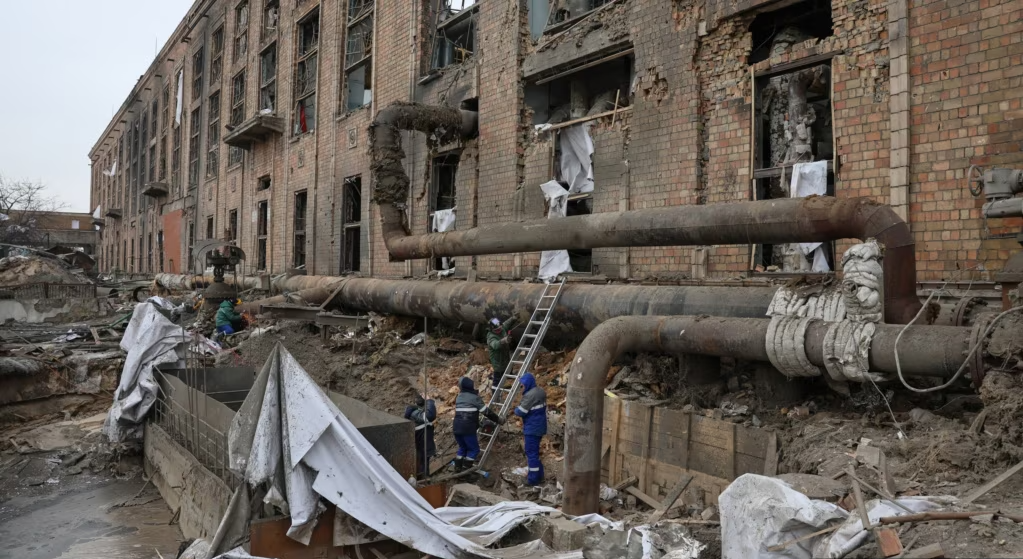
As a result of the Russian strike, Kyiv again experienced problems with electric public transport. It stopped for several hours in three districts at once: Pechersk, Solomianskyi and Shevchenkivskyi.
On the right bank, there were also disruptions to water supply. In two districts of Kyiv, pressure in the pipes was reduced for several hours. And in part of Pechersk there was no water at all.
“The Russians are acting according to their plan, which has already become public. They are trying to deprive Kyiv of all the benefits of civilisation: electricity, water, sewage and heat. But their plan is not new to us and is entirely clear; we are countering it,” says Hryhorii Plachkov.
It is still impossible to predict what the situation with electricity supply in Kyiv and the region will be. The main factor is the ability to shoot down Russian drones and missiles effectively. With such a high intensity of Russian strikes on Kyiv’s energy hub, it is difficult to consider even a basic scenario for how long outage schedules might last.
Russians Shell, Americans Blackmail
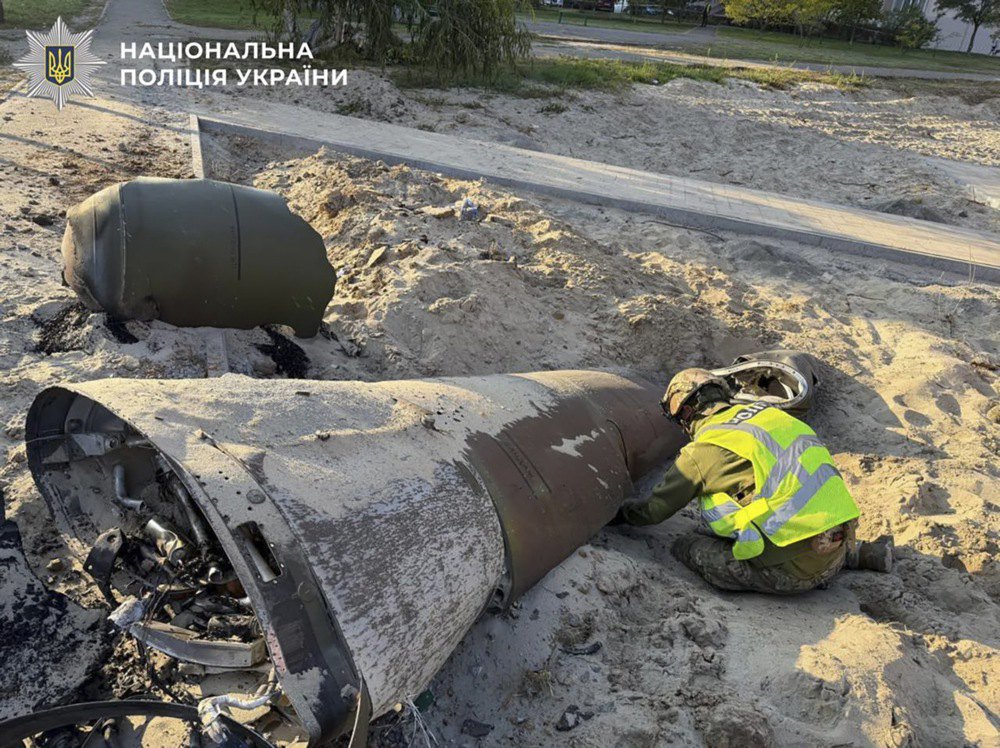
The attack on Kyiv on 13–14 October took place in four stages, the Air Force reported. The first air-raid alert in the capital was announced at around 22:40, and then missiles and drones kept coming until morning. In total, the Russians used 167 aerial attack assets, including 39 ballistic missiles.
Ukrainian air defences shot down most Russian drones. The news on intercepting Russian ballistic missiles is grim: Ukraine’s air-defence effectiveness in this attack was only just over 10% (four missiles were shot down).
As of Wednesday morning, more than 600,000 consumers were still without power in their homes.
Ukraine is also being harmed by the actions of the US leadership. The White House has launched a pressure campaign on Kyiv.
First, for two days in a row US intelligence has not provided information on Russian ballistic launches. On Tuesday evening in Kyiv, explosions were heard first, and only then did the sirens wail. A Politico source suggested that a likely reason for the US actions could have been “bad weather” — a version that, to say the least, is baffling.
During the shelling of Kyiv on Wednesday evening, the situation repeated itself, although the Americans did still pass on data to Ukraine about renewed ballistic launches.
Later, President Volodymyr Zelenskyy confirmed: the threats from across the ocean are real, and the US is demanding that Ukraine not strike Russian oil refineries.
Second, the Americans have restricted the operation of the Starlink satellite network for the Defence Forces. This affects both the effectiveness of strikes on Russia and the ability to counter jet-powered drones.
“What does a Trump-style ceasefire look like? It is when the Russians are allowed to destroy critical infrastructure with impunity ahead of winter, along with residential buildings and their inhabitants, while Ukrainians are forbidden from carrying out deterrent strikes on oil refineries. And from receiving intelligence that warns of danger to people’s lives,” says Volodymyr Omelchenko.
In the Kremlin, they are publicly mocking Donald Trump. After the shelling of Kyiv, Putin’s spokesman Dmitry Peskov said the US president had not specified the details of the so-called energy ceasefire. In fact, the occupant of the White House himself refused the day before to disclose details of the agreements (if they exist at all).
“We ask America and everyone in the world who does not close their eyes to reality to respond — and to respond firmly,” President Volodymyr Zelenskyy said.
Energy Isolation of Kyiv Is Not the Russians’ Only Objective
The International Atomic Energy Agency (IAEA) should try to help protect key substations around nuclear power plants. The organisation promises to deploy its largest mission in Ukraine. The Ukrainian government has reached an agreement on this with the IAEA leadership. However, this process has several important nuances.
On the one hand, the Ukrainian authorities’ idea is understandable and rational — all possible mechanisms must be used to safeguard strategic facilities from Russian strikes. The Kremlin has not abandoned the idea of shutting down Ukraine’s nuclear plants, which account for half of the country’s electricity generation.
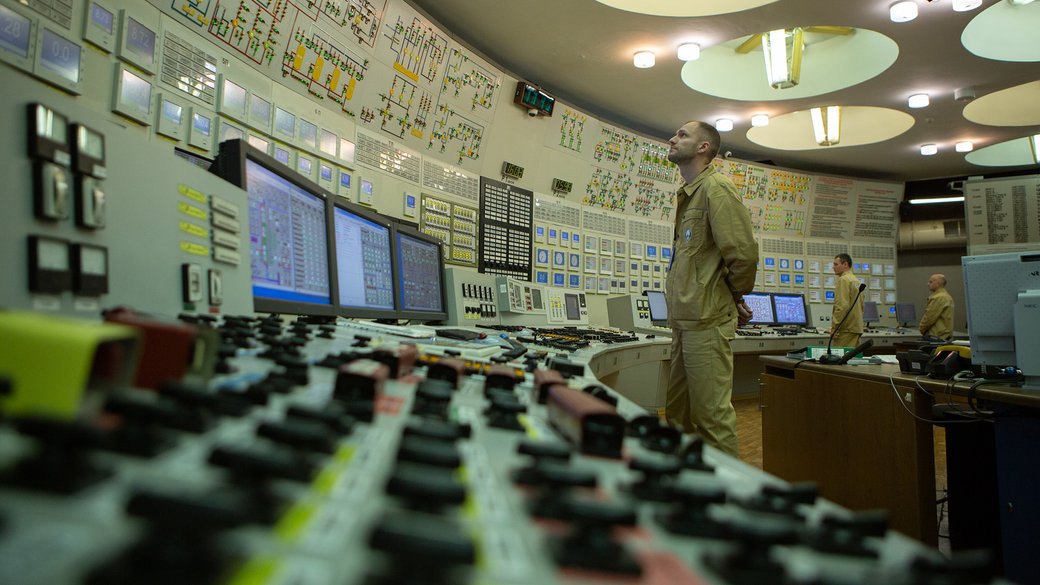
“This will be the largest deployment of IAEA missions of this type to date and a timely step to ensure nuclear safety and nuclear security amid ongoing Russian attacks on Ukraine’s energy system,” Ukraine’s Foreign Minister Andrii Sybiha said.
But on the other hand, two years ago the IAEA mission had the opportunity to demonstrate its effectiveness in protecting substations around nuclear power plants. However, periodic visits by foreign guests did not shield these facilities from attacks.
Overall, the new IAEA mission is supposed to cover 19 strategic substations. However, that does not mean specialists will be permanently present on site. Another serious concern has emerged among nuclear experts interviewed by LB.ua: potential Russian influence over the organisation.
Only a month ago, Russian citizen Mikhail Chudakov was removed from his post as IAEA Deputy Director General. But not for spying for the Kremlin — rather, for typically Russian behaviour. In his book, Chudakov made offensive remarks about feminists and members of the LGBT community. Incidentally, the removal was carried out in a very low-profile manner. Probably because the current head of the IAEA is aiming for the post of UN Secretary-General and may also count on Russia’s support.
“Send missions to 19 key substations — so that Russians working in the IAEA Secretariat can leak the specifics of physical protection and structures at key equipment? How many times do we have to step on the same rake?” says independent nuclear energy and security expert Olha Kosharna.
The Russians will try to sever Ukraine’s energy links with EU countries. This concerns interconnectors with Poland, Slovakia, Hungary and possibly Romania. The goal is obvious: the Kremlin wants to knock import capacity out of Ukraine’s energy balance — imports that will play one of the key roles in winter.
“Russia has attacked these substations before. This is not news at all, and it is obvious it will happen this year. Imports are important to us. How much do we expect? I think 2 GW and more — that is a lot for the power system,” explains Daria Orlova, an electricity market analyst at the consulting company ExPro.
Last week, purchases of electricity from EU countries rose by 6%, according to calculations by the Analytical Centre DiXi Group. At present, imports do not play an important role in supplying household consumers.
With the exception of Kyiv’s energy hub, frontline areas and a few other cities, the country’s energy balance is relatively stable. At times it even has a surplus of electricity, which sporadically makes it possible to open exports. For example, last week they rose by 20%.
Ukrenergo explained why a situation arises in which Kyiv has outage schedules while exports continue. The Russians are destroying generation in specific regions, making them deficit areas. The enemy is also attacking substations and power lines, making it impossible or limiting the transmission of electricity.
“The combination of these factors leads to consumers in parts of Ukraine being forcibly disconnected at a time when there are no restrictions in the rest of the regions, and to avoid the problem of surplus capacity, electricity exports are carried out,” the company adds.
Ukrenergo is asking consumers in all regions to use electricity sparingly. Especially in the evening hours, when consumption has been rising in recent days due to the gradual drop in temperatures. Consumers are starting to switch on electric heaters en masse, which becomes another challenge for the energy sector.