





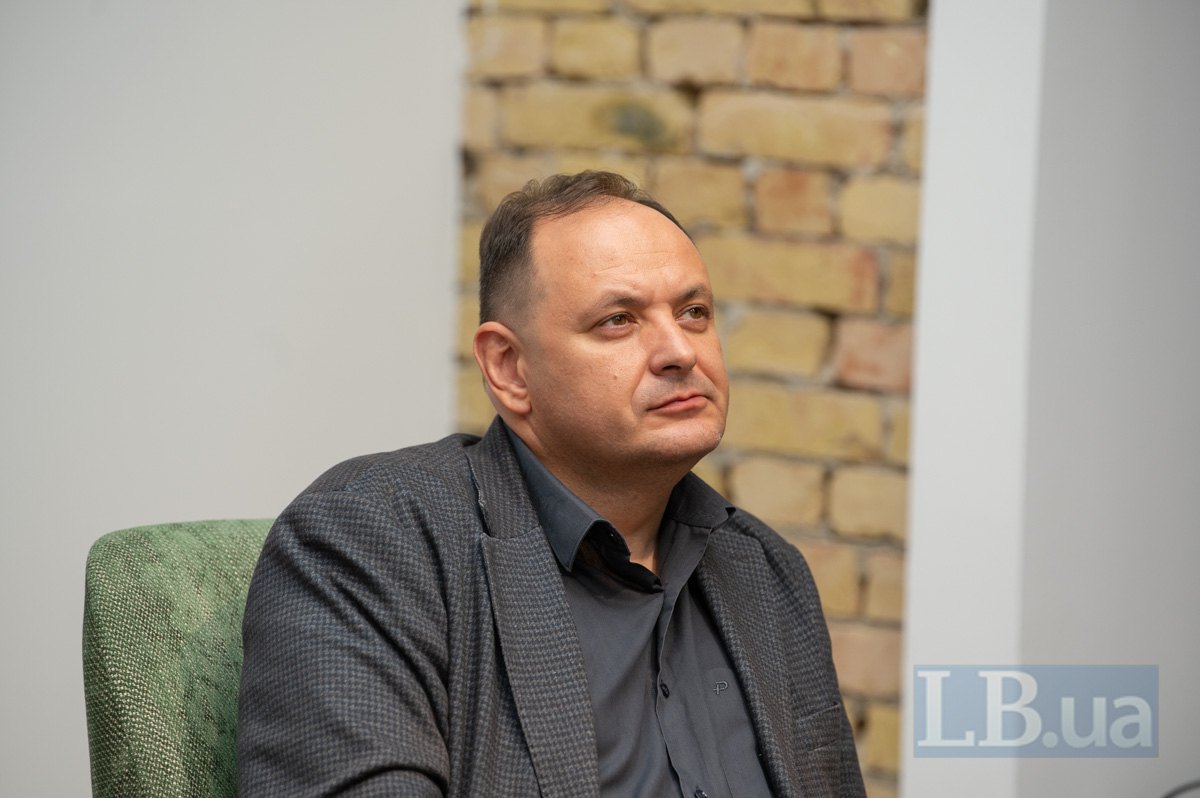
According to Ivano-Frankivsk Mayor Ruslan Martsinkiv, the city began building a decentralised heat-supply system long before the full-scale war, when it made the strategic decision to switch to individual heating. So this part of the critical infrastructure can be considered less vulnerable.
“We have been moving towards abandoning large boiler houses as much as possible for about 10 years now. I calculated that today 25% of the city still has district heating, while 75% already have individual systems. In time, we will complete this reform,” Martsinkiv says.
As part of preparations for winter amid possible strikes, the city is implementing protection for electricity and water supplies, the mayor also notes, and is building up fuel reserves. Like other regions, it has problems with payments due to the government blocking non-critical spending.
But the biggest problem for Ivano-Frankivsk today is the number of people who have arrived in the city, the mayor points out.
“I have a feeling we are returning to 2022, when people slept in schools and canteens cooked food for them. We have not reached that point yet, but there is a sense it could happen.
I ask Frankivsk residents not to raise the price of renting housing. But it has already tripled. Elderly citizens come to my reception and say: ‘I have nowhere to live, house me.’ And for now we are trying to accommodate people in hostels,” the head of Ivano-Frankivsk says.
Read alsoFrankivsk Mayor Martsinkiv: “Our ideal is a city with Kyiv’s opportunities, but Geneva’s comfort”
Since 1 September, Martsinkiv notes, the number of students in Frankivsk has increased by 40%. “The city is full of young people — parents thought that if they are sending their children to study, it is better to do so in the west, where, at least for some period of time, education will be in the usual format,” he explains.
Overall, the city’s population, which 10 years ago, according to the State Statistics Service, was 250,000, is now, by various estimates, 327,000–350,000 (with the potential to grow, in Ruslan Martsinkiv’s view, to 500,000). More than 70,000 of these people are forcibly displaced persons.
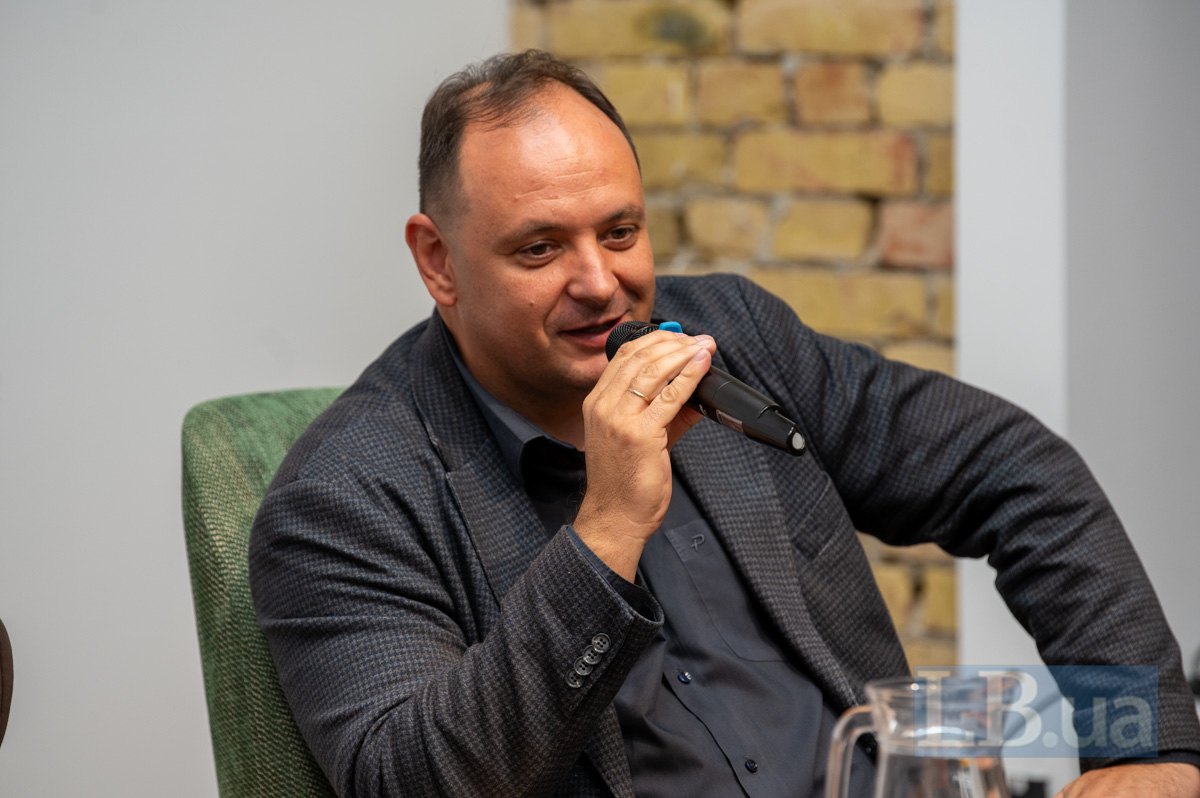
“That is a huge number for our city. Water consumption is increasing, as is the load on transport and infrastructure. In effect, there is no infrastructure for that many people, and there are no resources to build it up either. So this is the number one challenge for the city,” Ruslan Martsinkiv states.
There is roughly the same situation with conditions for business relocation, the mayor notes.
“Frankivsk residents have always wanted to challenge Lviv’s notional leadership. And we are trying to attract business as much as possible to do that. But we are criticised for large-scale housing construction, and building conflicts arise.
But without this, the city is simply not physically ready for companies to move. Every week I meet someone who wants to relocate a business, but we do not have the space. We do not have enough electricity, and so on. So this is a significant and important challenge for us, and we are trying to work in this direction,” Ruslan Martsinkiv noted.