





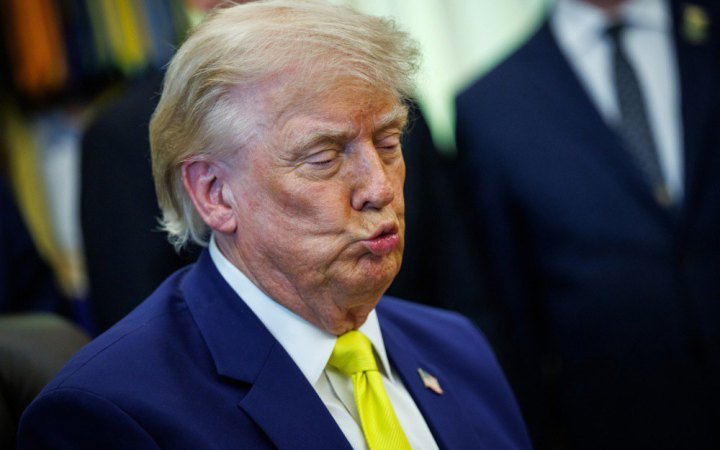
US President Donald Trump, three weeks before the US midterm elections, has resumed contacts with Russian dictator Vladimir Putin and, over five days, made a series of statements favourable to Moscow, Axios writes.
On Friday, Trump announced an agreement that would allow millions of tonnes of Russian diesel fuel onto global markets. This could ease sanctions pressure on Moscow and increase its revenues from energy exports.
On Saturday, the American leader criticised Ukrainian President Volodymyr Zelenskyy over strikes on Russian oil refineries and said Kyiv needs to change its leadership.
On Sunday, Trump announced a so-called “energy ceasefire”. At the same time, Russia continued to attack Ukraine’s energy infrastructure.
Read alsoZelenskyy: after the ceasefire announced by Trump, Russia attacked a power station and gas infrastructure in Ukraine
On Monday, the US president dismissed intelligence reports that Russia is passing information about US military facilities to Iran. And on Tuesday he again defended the agreement on Russian diesel fuel, rejecting concerns that the proceeds could finance Russia’s war machine.
These steps drew criticism from representatives of both parties. In particular, Republican senators called the diesel fuel agreement a “betrayal” and a “gift to the enemy”.
At the same time, energy market analysts doubt that increased supplies of Russian diesel fuel would significantly reduce fuel prices in the US, which have risen because of the war with Iran.
According to Axios, Washington’s actions are also creating tension in relations with European NATO allies, who are facing Russian sabotage, cyberattacks and drone incursions.
Trump’s attitude towards Putin has long been a source of controversy in American politics. These debates intensified back in 2016, when Russia was accused of interfering in the US presidential election.
Read alsoThe Hill: Republicans in the US Congress criticised Trump’s decision on exporting Russian diesel fuel
The White House said the diesel fuel agreement is intended to help reduce costs for American farmers, hauliers and families. Administration spokesperson Anna Kelly also noted that Trump is urging both sides in the Russia–Ukraine war to stop striking oil refineries.
These decisions carry political risks for Republicans ahead of the midterm elections. Losing control of Congress could complicate the implementation of Trump’s legislative agenda and strengthen parliamentary oversight of his administration.
- The administration of US President Donald Trump is counting on the agreement to supply Russian diesel fuel helping to bring Moscow back to negotiations on ending the war against Ukraine.