





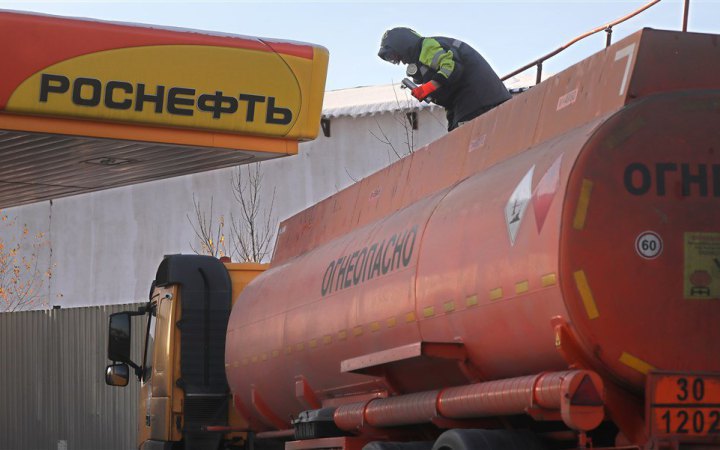
The sharp rise in oil prices in September did not deliver the expected profit to the Russian budget.
Ukraine’s Foreign Intelligence Service reported that the Kremlin is being forced to return almost half of the taxes collected to oil companies in the form of compensation to support the domestic fuel market.
In September, gross oil and gas revenues reached about $10.16bn. However, after paying all compensation and deductions, only $5.28bn made it into the budget. That is 22.3% less than in the same period of 2025. The main reason is the increase in payments under the so-called fuel damper, which jumped to $3.56bn in September, reaching its highest level since April 2022. The higher the global oil price, the greater the gap with domestic prices that the state must reimburse to producers.
The situation is being significantly worsened by a decline in domestic oil refining and a fuel shortage. As a result, Russia is restricting its own exports of petroleum products and increasing imports, while compensation from the federal budget has been extended, among other things, to imported fuel.
Over the first nine months of this year, oil and gas revenues in Russia’s treasury fell by 17.2% year on year, to $63.82bn. At the same time, oil companies received about $25.7bn in compensation payments from the budget. Because of these trends, Russia’s Ministry of Finance has already cut its annual forecast for oil and gas revenues by 14.5%. At present, reduced refining and persistent disruptions at refineries are turning high oil prices from a source of profit into an additional burden for the Russian budget.
- Meanwhile, the United States and Russia have agreed on an initial supply of more than 300,000 tonnes of diesel fuel for the American and global markets. US President Donald Trump explained the decision as an effort to bring down energy prices in the United States.