





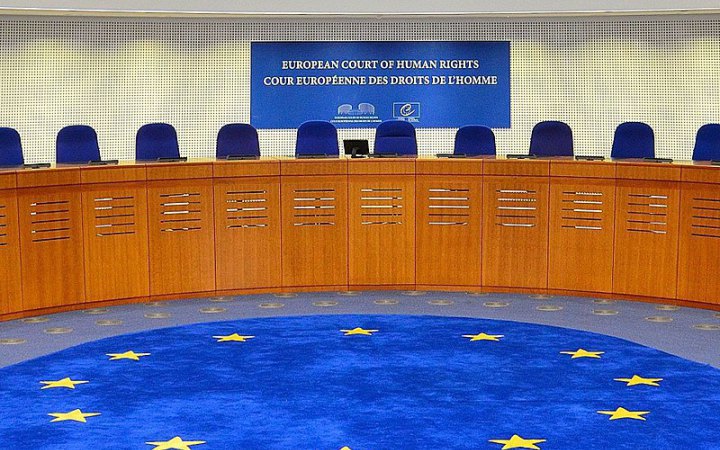
The European Court of Human Rights (ECHR) in Strasbourg has registered and begun examining six cases brought by Ukrainian cash-in-transit guards against Hungary over the unlawful detention and torture of Ukrainian cash-in-transit guards.
According to Oschadbank’s press service, the ECHR Registry has sent confirmation that official application numbers have been assigned to the applications submitted on 5 July this year.
A similar procedure is expected for a seventh cash-in-transit guard whose case is based on the same facts and alleged breaches of the European Convention on Human Rights.
“Receiving official letters from the ECHR Registry confirming the registration of applications and granting access to the eComms electronic communication system is a critically important procedural step. According to the Court’s statistics, the overwhelming majority of applications to the ECHR are filtered out at the initial screening stage due to failure to meet formal requirements, or are declared inadmissible by the Court,” the bank said in a statement.
The fact that the ECHR has accepted the complaint and opened proceedings indicates that there is a well-founded legal position, that the case has legal prospects, and that the Court intends to examine it on the merits, they believe.
The applications concern alleged serious violations of the rights of Ukrainian citizens by Hungary’s competent authorities, in particular:
Article 3 of the Convention (Prohibition of torture and inhuman or degrading treatment);
Article 5 of the Convention (Right to liberty and security of person / unlawful detention).
The case is currently at the initial written stage.
Recently, the FT reported that Hungary’s former prime minister Viktor Orbán may have personally ordered the detention of an Oschadbank vehicle transporting cash and gold from Vienna to Kyiv. The investigation could become the first criminal case in which Orbán is formally charged.
Case details
- On 5 March, Hungarian law enforcement officers detained Ukrainian cash-in-transit guards who were transporting funds (40 million dollars and about 35 million euros) and gold bars in two Oschadbank vehicles under an agreement with Austria’s Raiffeisen Bank. As civil aviation in Ukraine is currently not operating due to the war, delivery of currency from foreign banks is only possible by land.
- There was no contact with the guards — the Hungarians held them for several days and, as later emerged, used force against them.
- Hungarian Foreign Minister Péter Szijjártó said they would determine whether the money belonged to the “Ukrainian mafia”. Even the Austrian bank explained the origin of the funds to them.
- Hungary legalised the seizure of the funds by adopting the relevant law and a decree by the prime minister.
- The country first sent the guards home, then returned the vehicles. The funds and valuables were returned only on 6 May — after Orbán’s election defeat.