





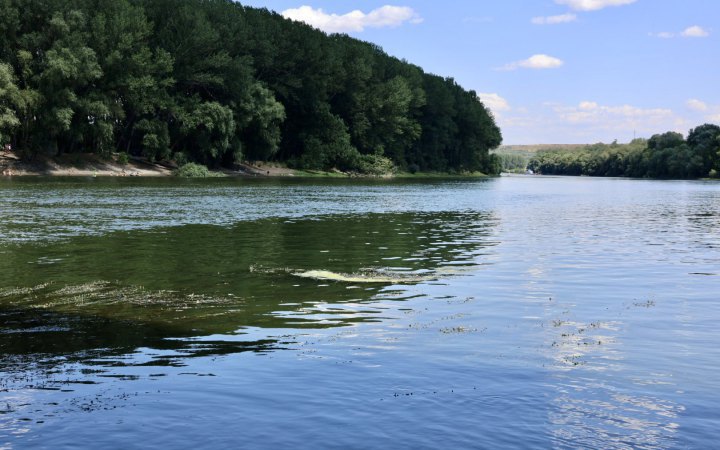
Moldovan authorities, together with international experts, have assessed the country’s financial losses from large-scale pollution of the Dniester River with petroleum products in spring 2026.
As NewsMaker reports, according to calculations by the National Crisis Management Centre, these are the total losses and the costs of dealing with the consequences of a Russian attack on a Ukrainian hydroelectric power plant.
According to the report, the incident did not lead to the destruction of infrastructure or buildings in Moldova, but it still cost the country millions of euros and left around 100,000 people without centralised water supply. At local level, Soroca District and Bălți were hit hardest, where educational institutions had to be temporarily closed.
According to the estimates, €1.8m went on emergency response and risk reduction, €724,000 on environmental protection. A further €329,000 was spent on supplying water to affected settlements, and €97,000 was spent on healthcare.
To address the long-term consequences and prevent similar incidents in the future, experts have developed a programme of measures for 2026–2031. The plan includes completing environmental monitoring and cleaning up contaminated areas, creating back-up water sources for cities in the north of the country, and introducing a water quality monitoring system.
- Pollution of the Dniester became known on 10 March after a video posted on social media, filmed near the village of Naslavcha in northern Moldova. The footage showed oily patches on the river’s surface. According to the authorities, a Russian strike on the Dniester Hydroelectric Power Plant in Ukraine caused a leak of petroleum products.
- To deal with the consequences of the pollution, Moldova asked the European Union for help and brought in the army. Specialists from Romania and Ukraine also joined the work. On 15 March, the Moldovan government introduced an environmental alert regime because of the incident.
- In March, Russia rejected accusations of involvement in the pollution of the Dniester, calling them “hasty and unfounded”. After the Russian ambassador was summoned to the Ministry of Foreign Affairs, the Russian embassy said that a container of water shown at the meeting in the ministry could not be proof of anything.
- In June, Environment Minister Gheorghe Hajder said that Moldova was preparing a lawsuit against Russia in international courts. In May, the country’s Prosecutor General’s Office opened a criminal case over the pollution of the Dniester.