





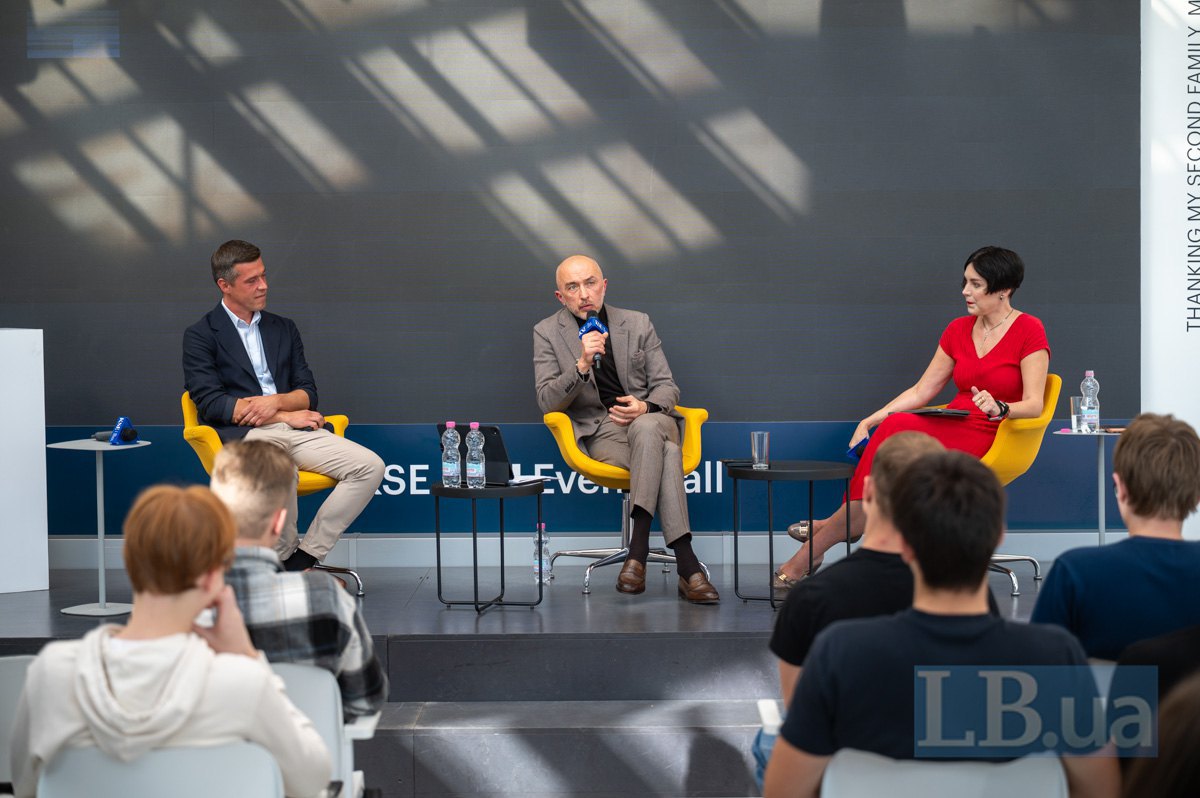
Why This Conference Matters
The 10th Annual Research Conference surpassed, in both the calibre and number of speakers, all events held by the National Bank over the past five years, says NBU Governor Andriy Pyshnyy. It also captured just how unique the Ukrainian financial system’s resilience has been amid extraordinary uncertainty and existential shocks. The National Bank’s experience is now being adopted by foreign partners.
“Why is it important to hold conferences like this right now? We see them as a source of expertise. During this conference, our team not only presents its research, but also hears the views expressed by other colleagues, and that is important to us.
There is no textbook that shows the best way to run a central bank during a full-scale war. By and large, it is being written right now. And it is important for us to be part of the global context, to hear others’ views, not to be cut off. We have learned to live through war and to deliver on our core mandate. But we do not accept that war should define us or, even more so, limit us,” the Governor of the National Bank of Ukraine said.
Conferences of this kind, Andriy Pyshnyy notes, are part of the active diplomacy the National Bank launched four and a half years ago, when Ukraine’s experience became useful to international partners.
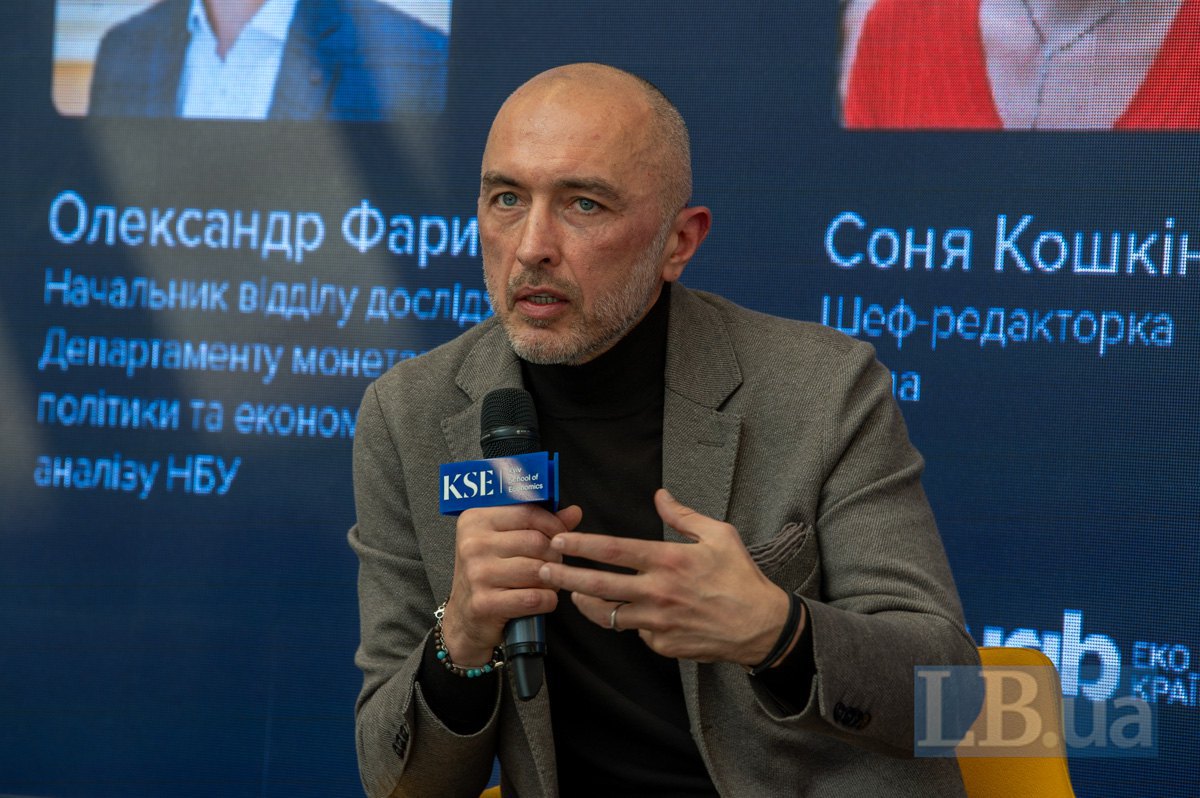
“Many banks could not even imagine the risks they would have to deal with amid extreme uncertainty. The National Bank of Ukraine is like a laboratory — not in the sense of experiments, but in that the time between a decision and confirmation of its outcome is reduced to the absolute minimum.
According to Olaf Sleijpen, Governor of the Central Bank of the Netherlands, the National Bank of Ukraine’s experience, which his team analysed, enabled them to take a critical look at the negative scenarios they had built into their operational resilience analysis — and to see their weaknesses and shortcomings.
The experience the National Bank is gaining will allow our partners to become stronger. To some extent, this is our way of saying thank you for the support Ukraine receives from the donor coalition,” Andriy Pyshnyy also noted.
Ukraine provides technical assistance to everyone who needs it. And the number of such requests has multiplied in recent years.
“The heads of the central banks of Belgium, Sweden, the United Kingdom, the Netherlands, the European Central Bank and others have visited the National Bank of Ukraine,” Andriy Pyshnyy added.
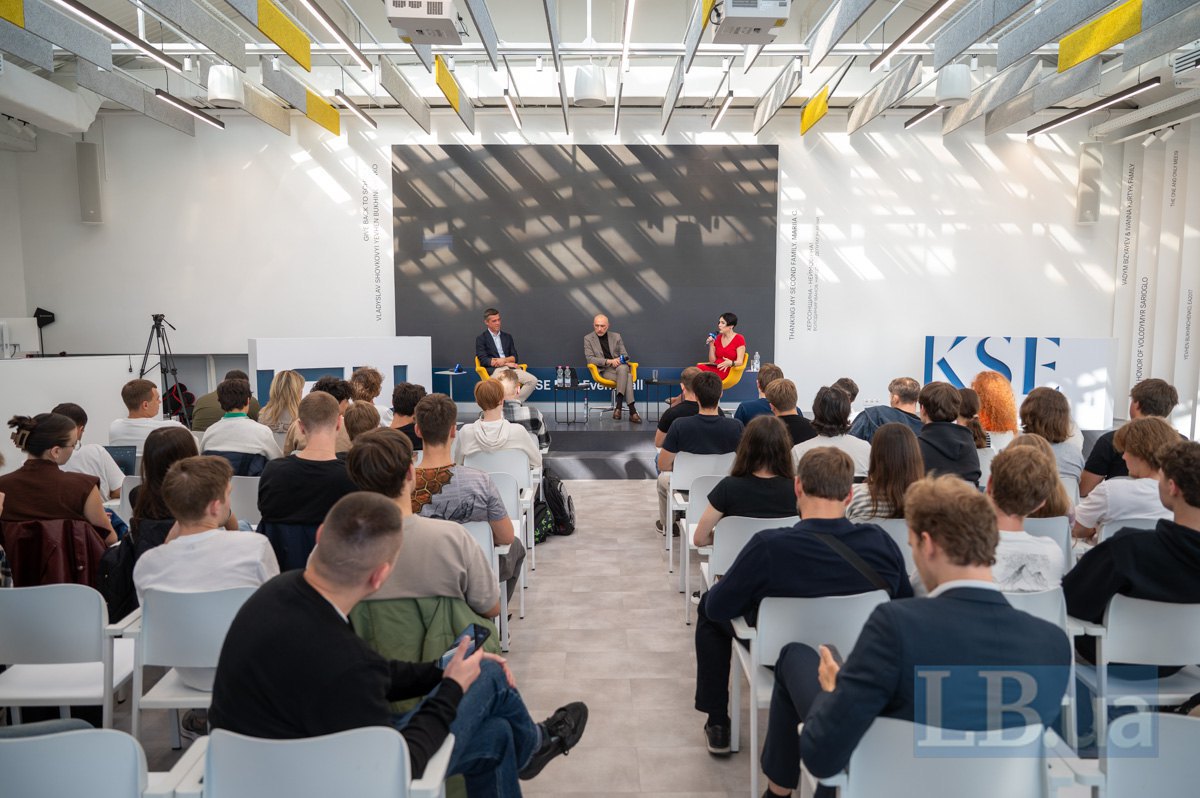
Moreover, the head of the National Bank notes, representatives of central banks — including those who took part in this conference — have a significant say in shaping political decisions that are then built into the overall architecture of international financial support.
“That is why it is very important to keep this channel of communication open. The conference is one such avenue,” Andriy Pyshnyy emphasises.
In addition, the NBU is actively studying partners’ experience and innovations across all possible areas — from artificial intelligence to monetary policy and improving forecasting systems.
Read also“There Is So Much the European Union Can Learn From Ukraine”
How Existential Shocks Differ From Ordinary Crises
The traditional terms central banks are used to employing (demand shocks, supply shocks, financial shocks) and measuring marginally, in tenths of a percentage point, are no longer sufficient, Andriy Pyshnyy explains. An existential shock changes not individual indicators but the entire system. It can take everything away, triggering a cascade effect that will have a critical impact on whole sectors.
In Ukraine, the existential shock was triggered by the full-scale war, cyberattacks and the destruction of critical infrastructure, the Governor of the National Bank of Ukraine stresses. Russia is now trying to put pressure on our partners who, in the fifth year of the major war, have understood how significant a role Ukraine plays in their defence.
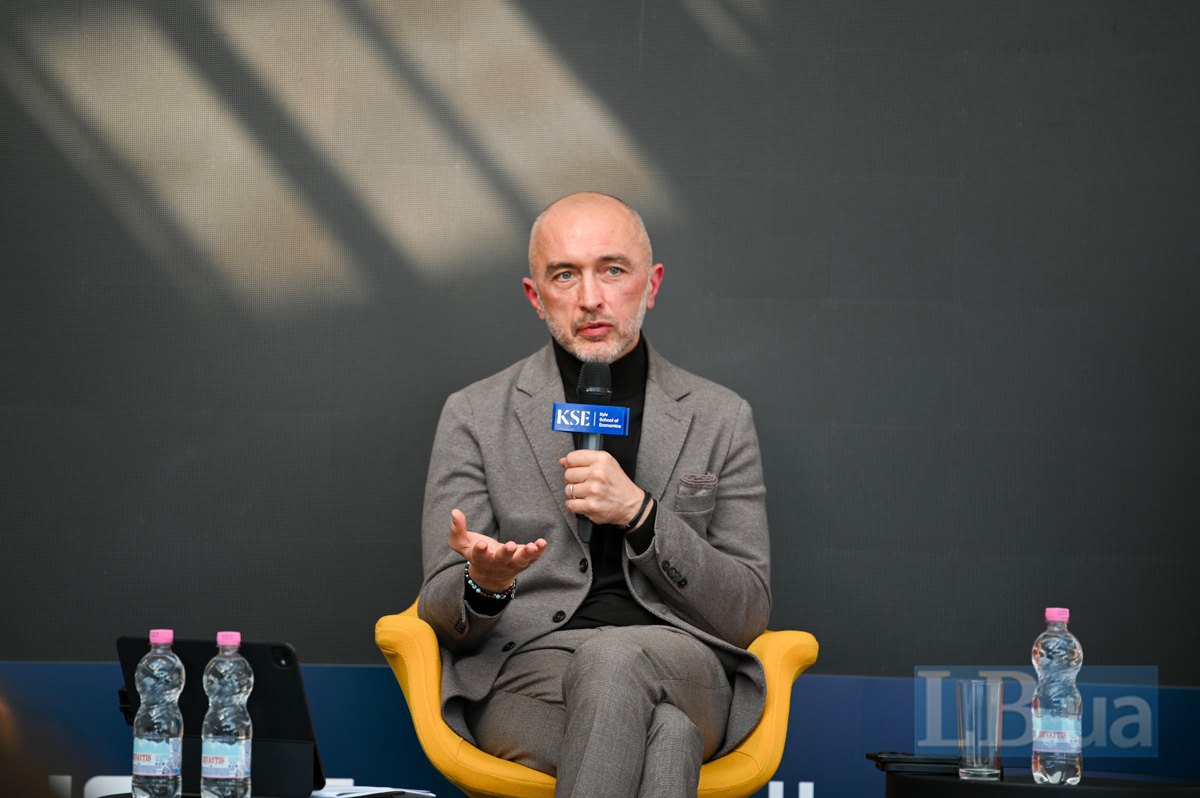
“When we talk about existential shocks, we need to look at them in combination and understand that we cannot prevent them. Sometimes we cannot even foresee them,” Andriy Pyshnyy says. “But such a shock must not deprive us of the ability to deliver on our mandate. For the National Bank, that is ensuring price and financial stability.”
According to Andriy Pyshnyy, after the full-scale invasion Ukraine suffered staggering losses — the economy contracted by almost 30%, which inevitably affected international reserves. The NBU was forced to apply various foreign-exchange restrictions, including on buying currency.
“I often compare this to a medical tourniquet applied in the event of critical bleeding. We did it to preserve the resilience of the financial system and help it absorb the shock associated with existential losses,” the National Bank Governor said.
To explain why central banks must pay attention not only to individual shocks but also to systemic risks, Andriy Pyshnyy uses the image of Yellowstone National Park in the United States.
“Central banks have a wide range of tools that allow us to measure various indicators. But given uncertainty and constant global shocks, there is a sense that we focus too much attention on discussing individual phenomena instead of looking at them systemically. As a result, we may fail to notice that they are manifestations of a larger systemic risk.
Now imagine you are walking through Yellowstone National Park: you see geysers and unique nature. You can describe them and characterise them. At the same time, that is worth little without understanding that these are not isolated phenomena, but part of the caldera of one of the world’s largest volcanoes, and beneath your feet is a magmatic geothermal volcanic system. The same applies to the economy: you must take into account not only individual indicators, but look more broadly when you set your policy and forecast one scenario or another.
Today’s global economy is that same ‘Yellowstone Park’. Starting with Brexit, a significant number of risks have accumulated: Russia’s full-scale invasion of Ukraine, war in the Middle East, trade confrontations. Now events related to artificial intelligence — which is widely discussed — are approaching. And I have a sense that we need to shift our perspective a little to see the whole system.
This, I hope, will make us all more conscious in assessing risks and, most importantly, in searching for answers to the question of what needs to be done so that we can withstand the next shock as well,” Andriy Pyshnyy elaborated.

Can Existential Shocks Be Predicted?
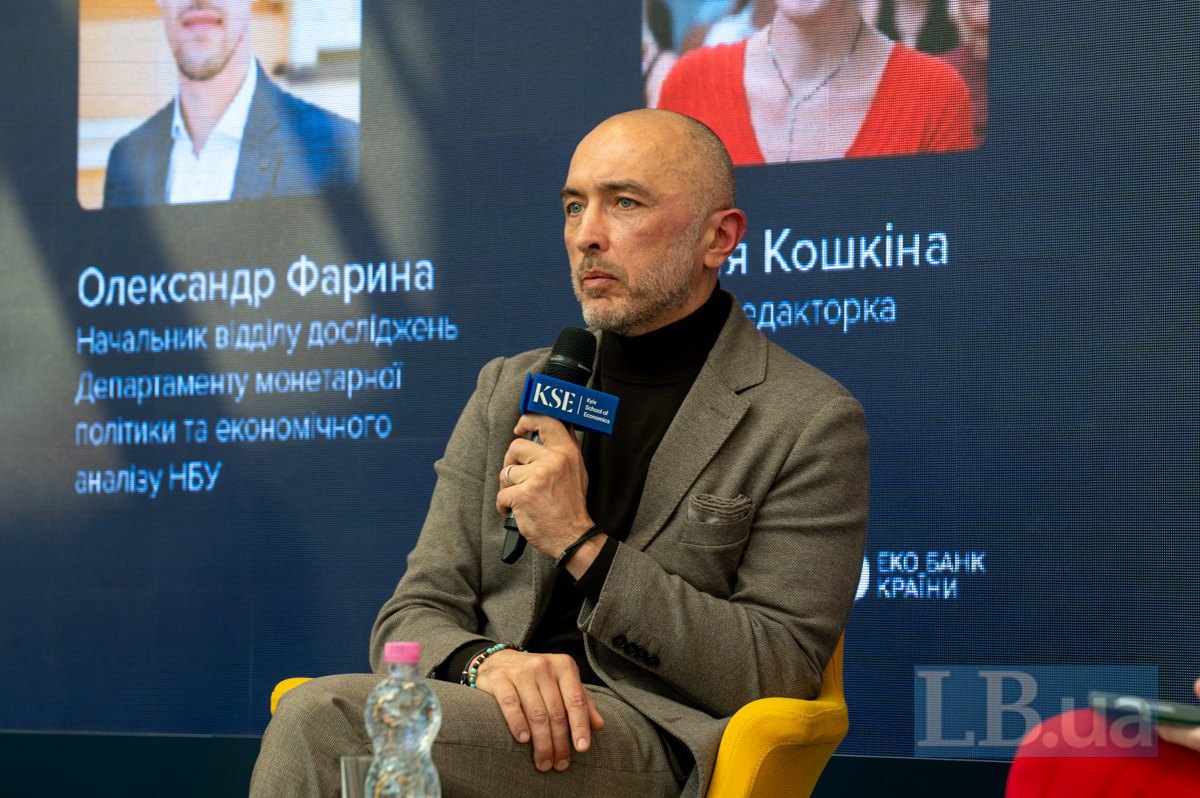
The very nature of a shock is such that it cannot be predicted, says Oleksandr Faryna, Head of the Research Division of the NBU’s Monetary Policy and Economic Analysis Department. But these shocks have become so frequent that it is now possible to look back and assess them — to determine their frequency, intensity and how they affect the economy, he says.
“Interestingly, for a long time in economic science such shocks were considered one-off events — very powerful, but isolated. So, on the contrary, they were cleaned out of the data; people did not look at them and wanted to avoid their influence in order to understand how the system works. But over the past 10 years, shocks have become so frequent that research is now focused on how to measure them,” Oleksandr Faryna noted.
He described an approach used by economists at the US Federal Reserve System, who determine a geopolitical risk index based on news. They take 10 leading English-language newspapers in the United States, the United Kingdom and Canada and study the number of mentions of wars, terrorist attacks and conflicts.
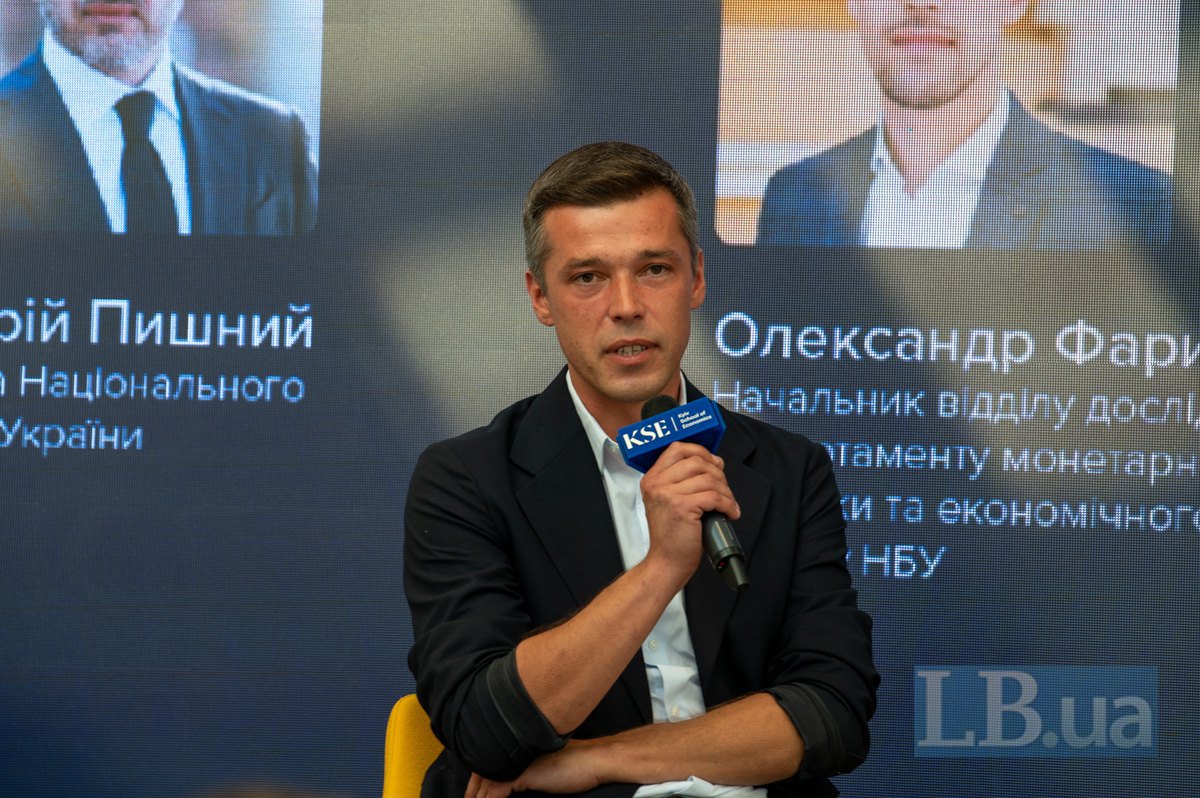
“In this way, there is a certain index that can be used to measure rising geopolitical tension. But it also depends on the angle of view. At the conference, colleagues from the Bundesbank built the same index, but based on news from Europe rather than America. And it turns out that, according to the American index, the impact of geopolitical risks on Europe’s economy is almost imperceptible. But according to European data, Europe has long been in the caldera of a volcano,” Oleksandr Faryna noted.
Of course, this approach has obvious shortcomings, the head of the NBU’s research division stressed. A representative of Tel Aviv University, David Weiss, also presented his work at the conference on the macroeconomics of news and the role of the media as an intermediary between a shock and its impact on the economy. His research shows that the media themselves choose what to write about, and topics compete with each other for attention. And what makes the headlines determines what people think about and what politicians respond to.
Another study related to geopolitical risks in central bank communication was presented at the conference by Valeriia Tishakova of Maastricht University. It showed that, first, in 2022–2023 the National Bank of Ukraine had the highest share of speeches mentioning geopolitics among 131 central banks (more than 30,000 speeches were analysed in total). But most importantly, this analysis demonstrates how open and professional central bank communication about geopolitical risks affects markets, Oleksandr Faryna notes. Markets become more volatile, but they do not collapse. In other words, they take it as information, not as a reason to panic.
Andriy Pyshnyy highlighted another important point — the transformation in attitudes towards the war in Ukraine at the level of European institutions: from ignoring it to, in effect, having a seat at the negotiating table.
“When I first took part as NBU Governor in the Annual Meetings of the International Monetary Fund and the World Bank, where central bank governors and finance ministers gather, the war in Ukraine seemed to be ignored. People did not want to talk about it, or about defence spending.
When we took the floor and drew partners’ attention to defence risks and the need to realise that we are in the caldera of a volcano — and they are there with us — nobody took it on board.
Now uncertainty has essentially become the context of the IMF and World Bank meetings — the same uncertainty in which Ukraine has been operating for four and a half years. Our uncertainty has even received an official name: ‘extraordinarily high uncertainty’. And at the level of the European Union today, nobody doubts that the budget should be formed with the security context in mind,” Andriy Pyshnyy said.
Read alsoThe Hryvnia Is Protected at the Level of the Euro and the US Dollar. Details You Don’t Know About Ukrainian Money
How to Measure the Impact of Geopolitical Shocks on the Economy
Upheavals of this kind do not fit the traditional idea of economic shocks, Oleksandr Faryna notes: on the one hand, they can hit demand; on the other, supply.
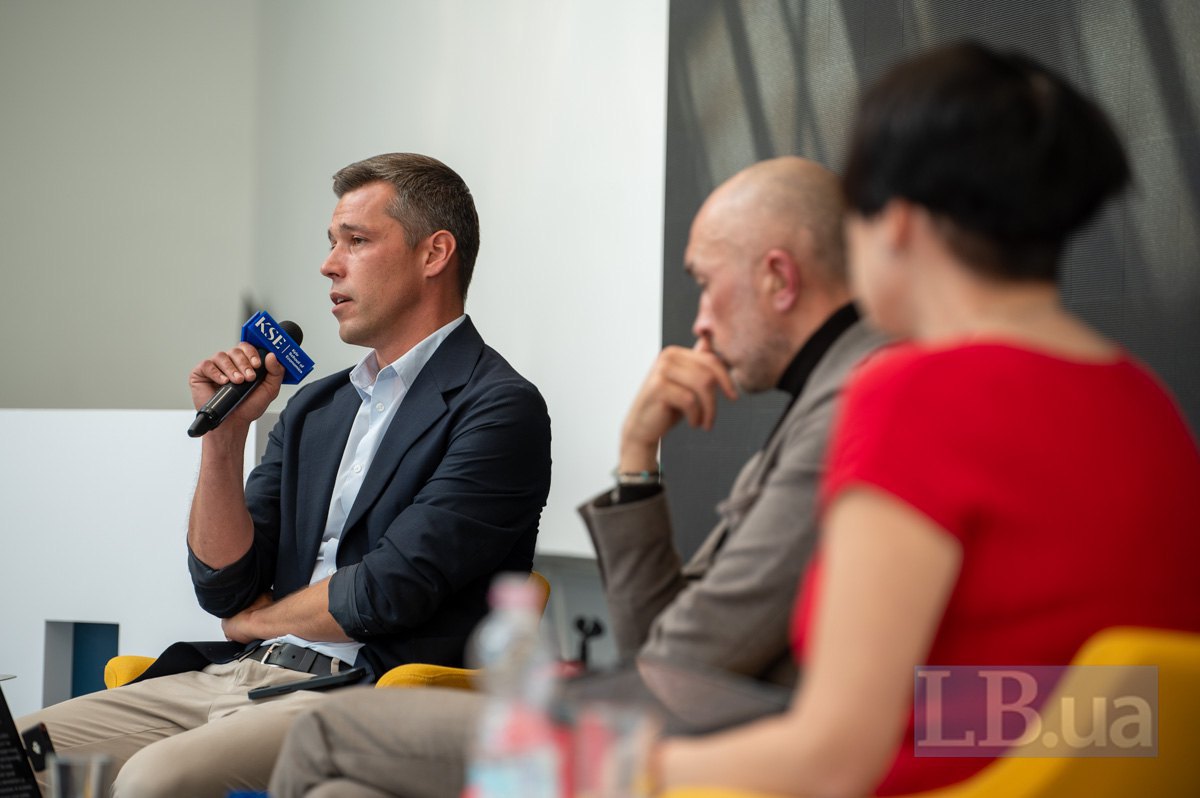
“Many researchers at our conference showed that this effect can differ for different participants. For importers, for example, it is primarily inflationary, while for exporters it is primarily recessionary. Accordingly, to understand how geopolitical shocks affect the economy, we need certain models that discipline us, that bring all channels together, with which we can make forecasts and, accordingly, decisions.
These models exist to give us an answer as to what to do to overcome the consequences of a geopolitical shock. After all, a central bank cannot prevent the shock itself — we work with its consequences and its impact on the economy,” Oleksandr Faryna elaborated.
The National Bank has an extensive system of different models to forecast how events will unfold, Andriy Pyshnyy added. “And this system is a landscape in which, when we make one decision or another, we navigate fairly well — how one mix of instruments and policy decisions or another will produce particular economic effects,” the NBU Governor noted.
What Tools the National Bank Uses
“The National Bank’s toolkit is very well known to you. First, there is the key policy rate. For the key policy rate to function, transmission channels and the operational design must be in place. Second, there are the NBU’s foreign-exchange interventions, restrictions and regulations. This is the policy mix within which we ensure delivery on our key mandate — ensuring price stability.
The National Bank’s mandate consists of three components: price stability; financial stability; and, provided the first and second are ensured, support for the government’s economic policy and economic development,” Andriy Pyshnyy said.
He recalled that at the time of the full-scale invasion, Ukraine operated an inflation-targeting regime and had a floating exchange rate. At that time, Ukraine had implemented one of the most wide-ranging reforms of the banking sector. This allowed the financial system to hold firm at the start of the full-scale invasion.
With the start of the major war, the National Bank was forced to fix the exchange rate, abandon inflation targeting and introduce capital controls. It applied regulations that enabled banks to respond quickly to the defaults brought by the war.
The system held and adapted, and the National Bank then began a gradual return to market mechanisms that had performed well before the major war began.
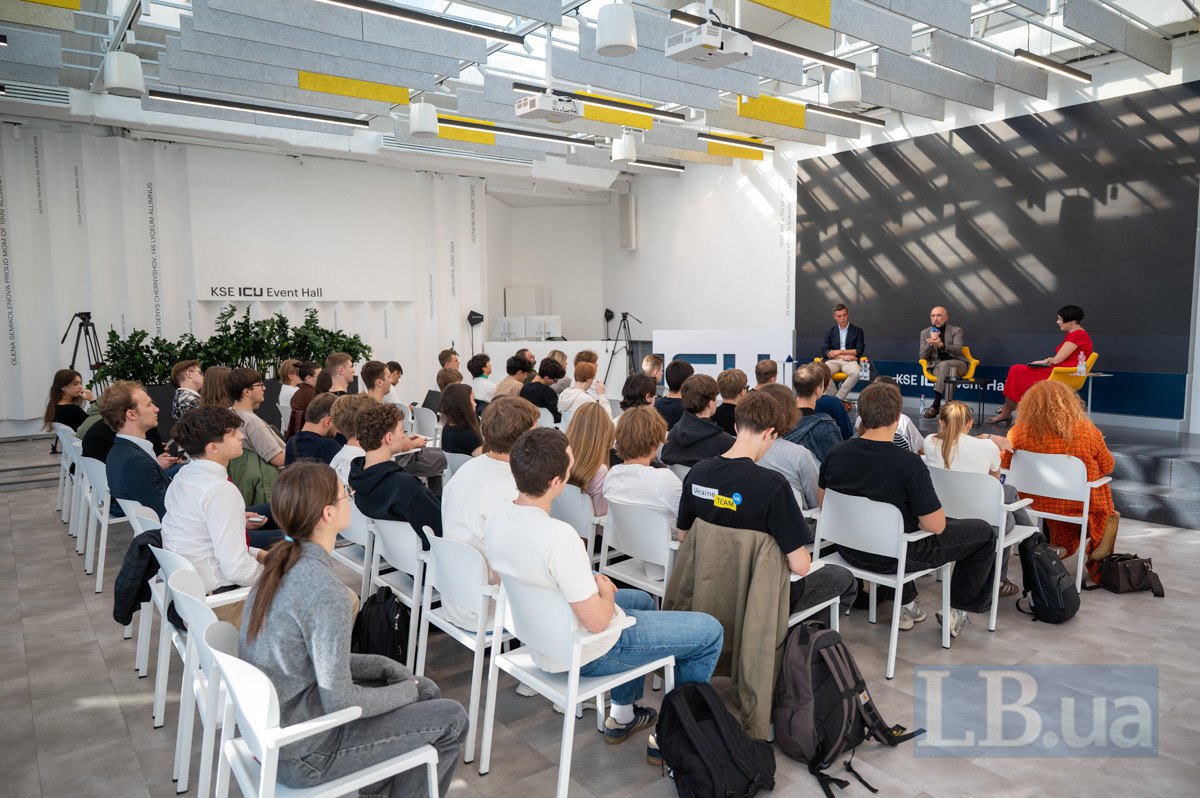
“In October 2023, despite the fact that the war continues, we moved from a fixed exchange rate to flexibility. The International Monetary Fund classifies our exchange-rate regime as effective.
We moved into a flexible inflation-targeting regime. Put very simply, this means we steer our policy towards bringing inflation back to the 5% target over a three-year policy horizon,” Andriy Pyshnyy noted.
In addition, the National Bank Governor stresses, there has been a significant easing of the foreign-exchange restrictions on capital movement introduced at the start of the full-scale invasion.
“In parallel, we are implementing a very ambitious European integration plan. At the time of the full-scale invasion, the equivalence of our banking regulation to European Union requirements was measured at 50%. Now it is almost 82%.
The benchmark remains unchanged: we intend to adapt our regulatory environment as closely as possible to European Union requirements by the end of 2027,” Andriy Pyshnyy noted.
Why Trust in the National Bank Matters
“Trust is one of a central bank’s most valuable assets. It shapes expectations. It affects people’s willingness to keep funds in the national currency and to hold domestic assets.
…As IMF Managing Director Kristalina Georgieva aptly noted, for Ukraine trust has an additional dimension. Macroeconomic stability depends on large-scale international financial support. That is why it is important to maintain trust in Ukraine’s economic institutions, including the National Bank, not only among the public and businesses, but also among international partners,” Andriy Pyshnyy said.

How trust in a central bank affects the economy was clearly demonstrated by research by Carlos Carvalho of Kapitalo Investimentos, details of which Oleksandr Faryna outlined during the discussion.
“Carlos Carvalho took Brazil’s microdata. It is a good example of how trust in a central bank’s regulatory policy has changed. He showed how shocks pass through to inflation under low and high trust. Overall, in the absence of trust, the pass-through from the real exchange rate to prices is three times higher than when trust is present.
An illustrative example in hryvnias: imagine you are eating a burger for 100 hryvnias. The exchange rate rises by 10%. If there is trust in monetary policy and in the central bank, the burger price will rise to 102 hryvnias. If there is no trust, it will be 106 hryvnias. In other words, the absence of trust will cost 4 hryvnias. It may not seem like much, but if you take all consumption and the whole economy, it becomes enormous money,” Faryna explained.
Andriy Pyshnyy’s position is that trust in the National Bank directly depends on its independence.
“The National Bank’s independence allows it to make not the decisions that everyone likes, but those that actually work and deliver a tangible effect. Yes, we are accountable. Yes, we bear very clear responsibility. But at the same time, independence allows us to say ‘no’ when needed.
The ability to make independent decisions makes it possible to build trust. For me, trust is a memory that over time turns into expectations about the National Bank’s policy.
For example, throughout the period of the full-scale invasion, the National Bank and the banking system did not stop transactions for a single second. This is probably the first war during which you can pay via Google Pay and Apple Pay.
Ukraine recently endured the hardest winter in its history. Did you hear a single complaint about the banking system’s operational resilience and functionality? Entire regions were in blackout. The Power Banking system (a network of bank branches in Ukraine that continues to operate during prolonged power outages or blackouts. – Ed.), which was built as our response to Russia’s first attacks on Ukraine’s energy infrastructure, proved effective.
We are doing everything to minimise the risks created by the fact that the war continues, taking on new forms and manifestations,” Andriy Pyshnyy stressed.
The Role of AI in Analysis and Decision-Making: How to Stop It Becoming Another Existential Shock
The National Bank is actively introducing elements into its analytics that help it better understand the economy, the models — those same “geysers” and the “caldera”, Oleksandr Faryna said. With each day, AI enables ever higher-quality analysis, but it will not be able to replace the analyst themselves, Faryna is convinced.
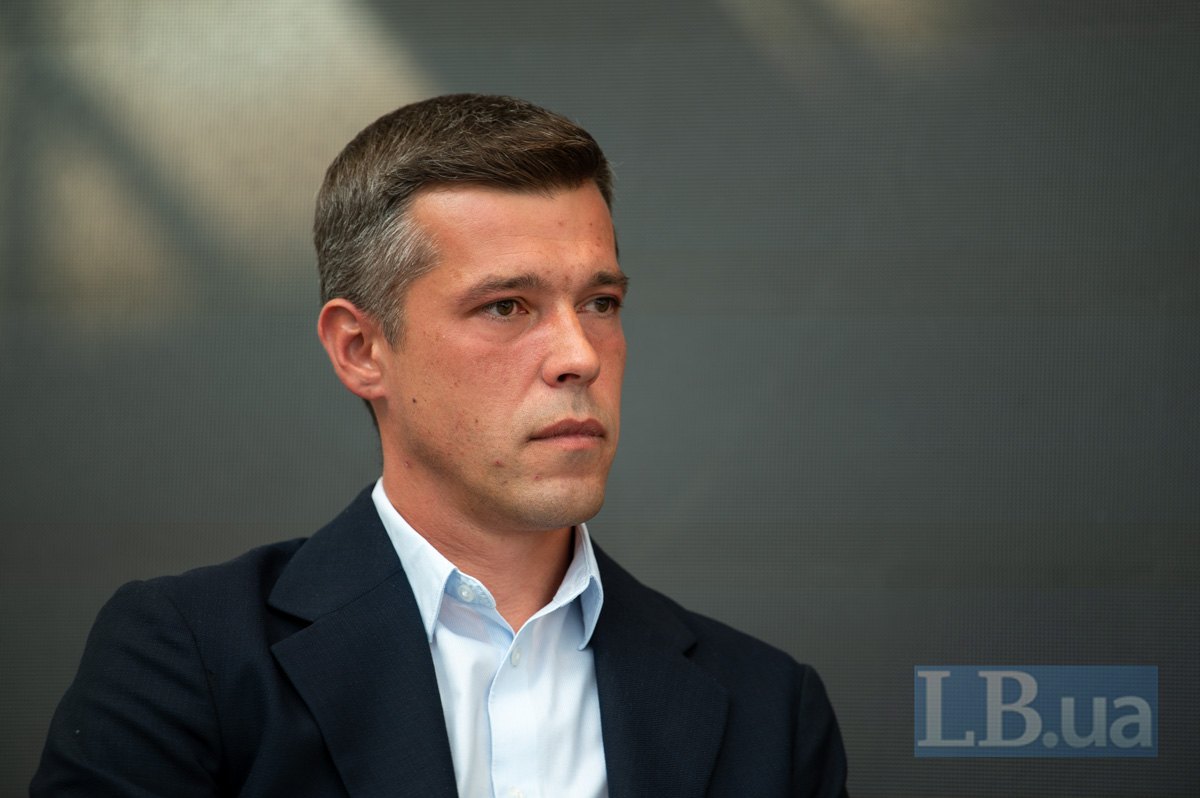
Artificial intelligence can help with calculations, but it does not and should not be responsible for the decisions made on the basis of those calculations, Andriy Pyshnyy said.
“We understand the value of this tool. It is important to have the courage to experiment. At the same time, we are closely following the global discussion on the use of AI and we share the concerns about it,” Andriy Pyshnyy noted. “
The National Bank’s team actively engages with the main developers — global companies that are working on artificial intelligence today. We research, study, draw on expertise, ask questions. This matters to us. I will not go into details, but I can assure you: the relevant channels of communication and interaction have been established.
And this is another manifestation of the diplomacy we spoke about at the beginning.”
He urged people not to ignore the threats generated by artificial intelligence. In the NBU Governor’s view, it is important that regulation — and even the pace at which it develops — should not depend on a handful of companies, but should be a global agreement at the level of public authorities.
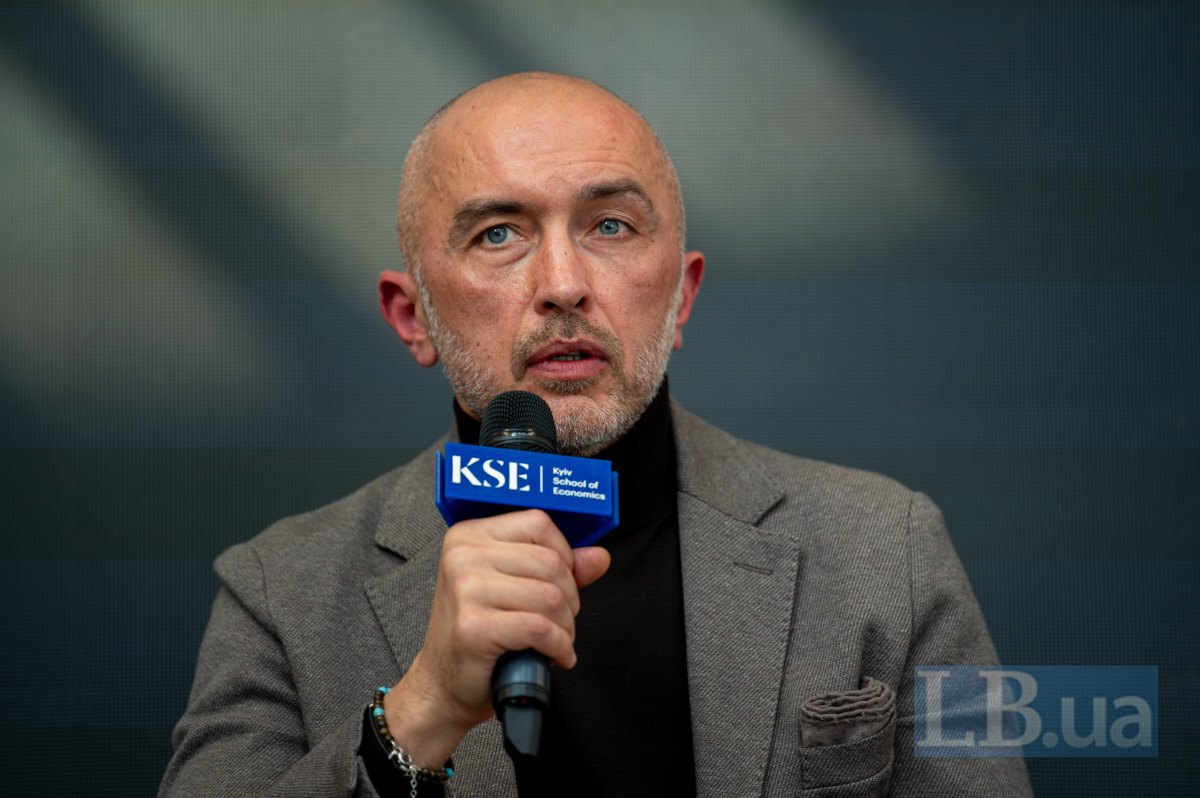
“This agreement must clearly define the boundaries of regulation and levels of responsibility. Otherwise, we may very quickly find ourselves not simply in the caldera of a volcano, but in a situation where all existential shocks materialise at once,” Andriy Pyshnyy noted.
In his view, sooner or later the world will arrive at a kind of symbiotic model in which humans and artificial intelligence will be united not only in knowledge, but also in the level of responsibility.