





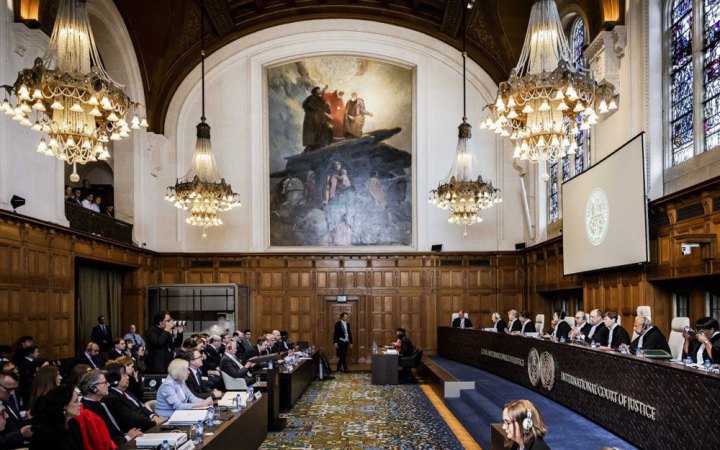
The UN’s International Court of Justice will deliver a ruling on Thursday on whether Myanmar committed genocide against the Rohingya ethnic minority.
This is reported by The Guardian.
This landmark case will serve as an important 21st-century benchmark on the gravest international crimes. The closely watched decision could become one of the most significant developments in international law since the end of the Second World War.
The UN’s International Court of Justice has never yet found any state responsible for genocide — a crime whose definition emerged after the Holocaust committed by the Nazis. The ruling will also have implications for another high-profile genocide case — against Israel.
It has been almost ten years since a military campaign forced hundreds of thousands of Muslim Rohingya to flee across the border. “The International Court’s ruling will be a historic moment for Rohingya survivors and their families around the world,” said Yanghee Lee, a former UN human rights investigator on Myanmar.
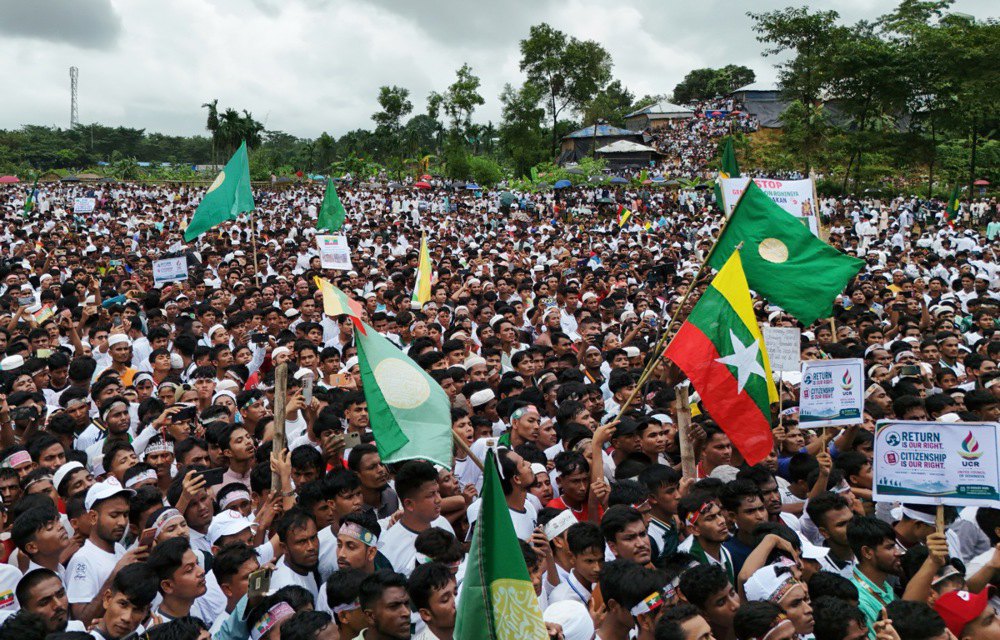
Judges at the UN’s International Court of Justice have spent seven years examining allegations brought by The Gambia — a predominantly Muslim country — which argues that Myanmar’s repression of the Rohingya people breached the 1948 UN Convention on the Prevention and Punishment of the Crime of Genocide.
One of the key issues in previous court cases has been how to prove the presence of “intent” in a crime defined as acts committed with the “intent to destroy, in whole or in part”, a national, ethnic, racial or religious group.
Antonia Mulvey, founder of Legal Action Worldwide (LAW), which represents hundreds of Rohingya — survivors of persecution — said she was “cautiously optimistic” that the court would hold Myanmar fully to account.
She said the government’s actions had demonstrated “a certain pattern of conduct” indicating clear attempts to destroy the group.
- In two other cases heard at the UN’s International Court of Justice concerning atrocities in the Balkans, it proved impossible to establish direct state responsibility for genocide, although Serbia was found legally responsible for failing to prevent the genocide in Srebrenica.