






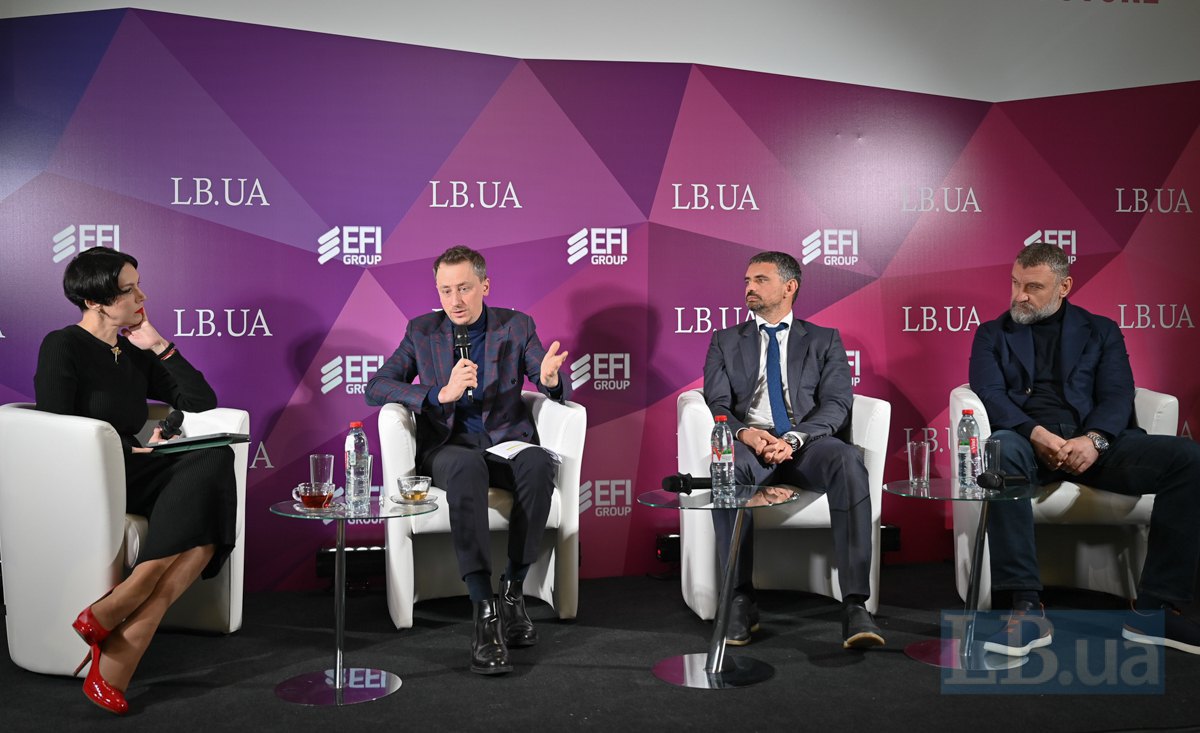
What is driving economic growth?
According to Minister Oleksiy Sobolev, the defence sector expanded significantly in 2025, and he is confident that this growth will intensify in 2026. Alongside defence, the industrial sector also showed growth — last year, according to Sobolev, it generated the largest share of tax revenue.
The second factor is reconstruction. State and local capital expenditures directed at rebuilding what Russia had destroyed, as well as new projects such as the Mykolayiv water pipeline, also stimulated GDP growth.
The third factor is consumer demand. “We are seeing growth in final household spending — people are receiving more money due to wage growth. Last year, wages rose by 7–10% above inflation. Inflation itself slowed to around 8%. This year it will also be in the range of 8–9%,” the minister noted.
In addition, according to him, after two years of poor harvests, the next one looks promising, which will also contribute to GDP growth.
And all this, Sobolev emphasises, is happening against the backdrop of a slowdown in the Russian economy. According to independent analytical centres, it may already decrease in 2026.
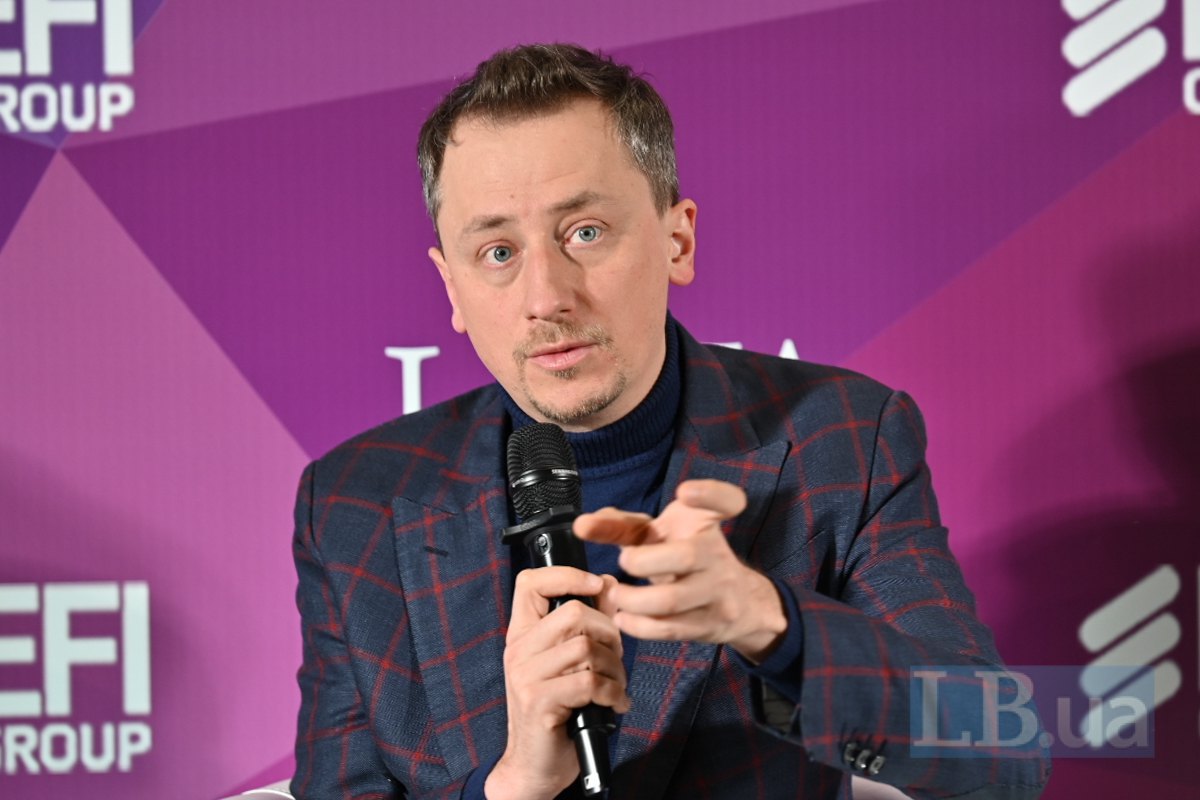
What big business complains about
According to a survey by the Institute for Economic Research and Policy Consulting, the three main problems currently facing Ukrainian business are labour shortages, unsafe working conditions, and interruptions to electricity and water supplies. Can the state help with this? And how are entrepreneurs addressing these challenges?
Electricity supply
“Are there problems with electricity supply? Of course there are,” said Vasyl Danylyak, Chief Executive Officer of Okko. “How much can the state help? Not much. In the short term, this can be addressed through imports and reasonable restrictions, and in the long term through decentralising generating and manoeuvring capacities. But right now, everyone simply has to get through this period.” In practice, his company is covering the shortage of energy capacity with imports.
By contrast, Ihor Liski’s EFI Group plans to make its enterprises fully energy independent, as every power outage results in painful financial losses.
“It is a combination of gas-piston generation, solar power, batteries, and a range of other solutions,” said Ihor Liski.
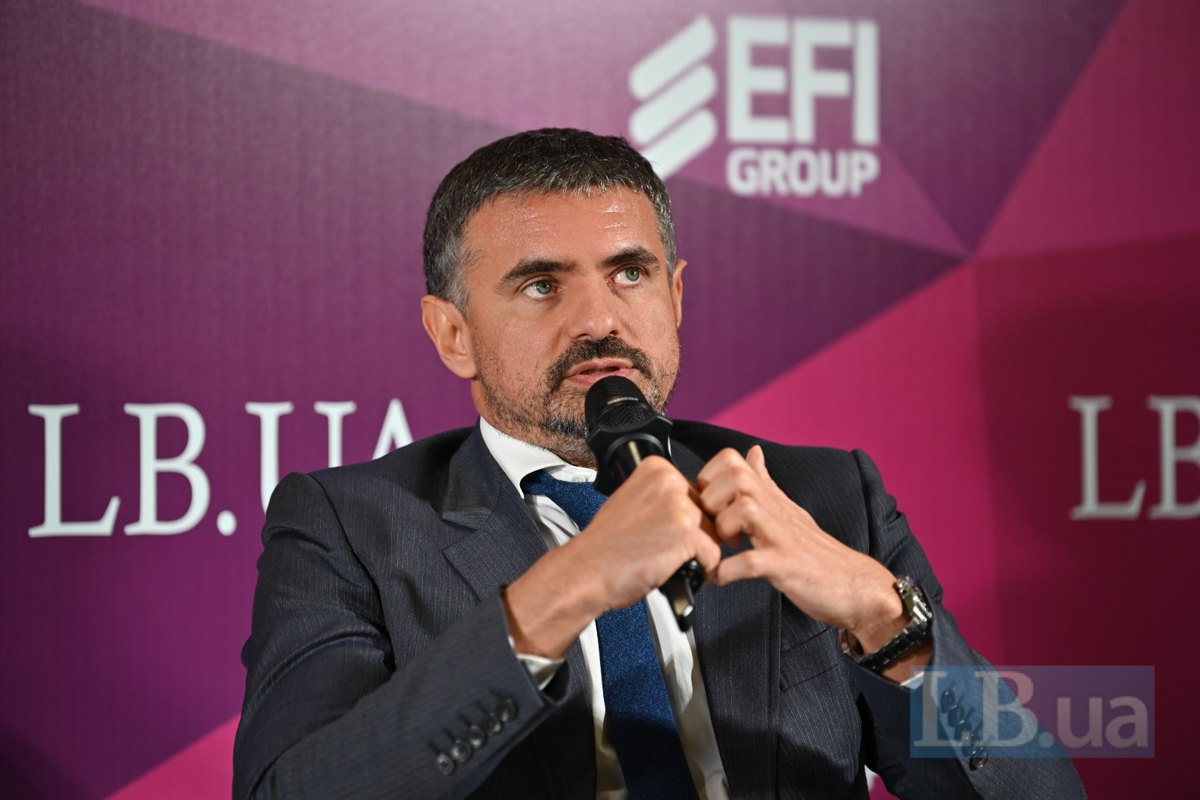
Labour shortage
Negative trends persist in the labour market, with a shortage of men of conscription age and skilled workers in particular, according to the chief executive officer of OKKO.
"If you are not a critical infrastructure company and are unable to hire enough staff, you will not be able to ensure stability," Vasyl Danylyak reminded us.
However, he emphasises that this problem has not affected his company greatly, as OKKO began to employ women to a significant extent even before the start of the full-scale war. And it continues this policy.
"But the problem of labour shortage exists, and in the short term, this problem is difficult to solve. We need to adapt the legislation, allow workers to be brought in from abroad, simplify the mechanisms for their employment and stay in Ukraine, taxation, and so on," Vasyl Danylyak believes. "Can the state quickly resolve this issue through regulation? Yes, it can. We just need to sit down and decide.”
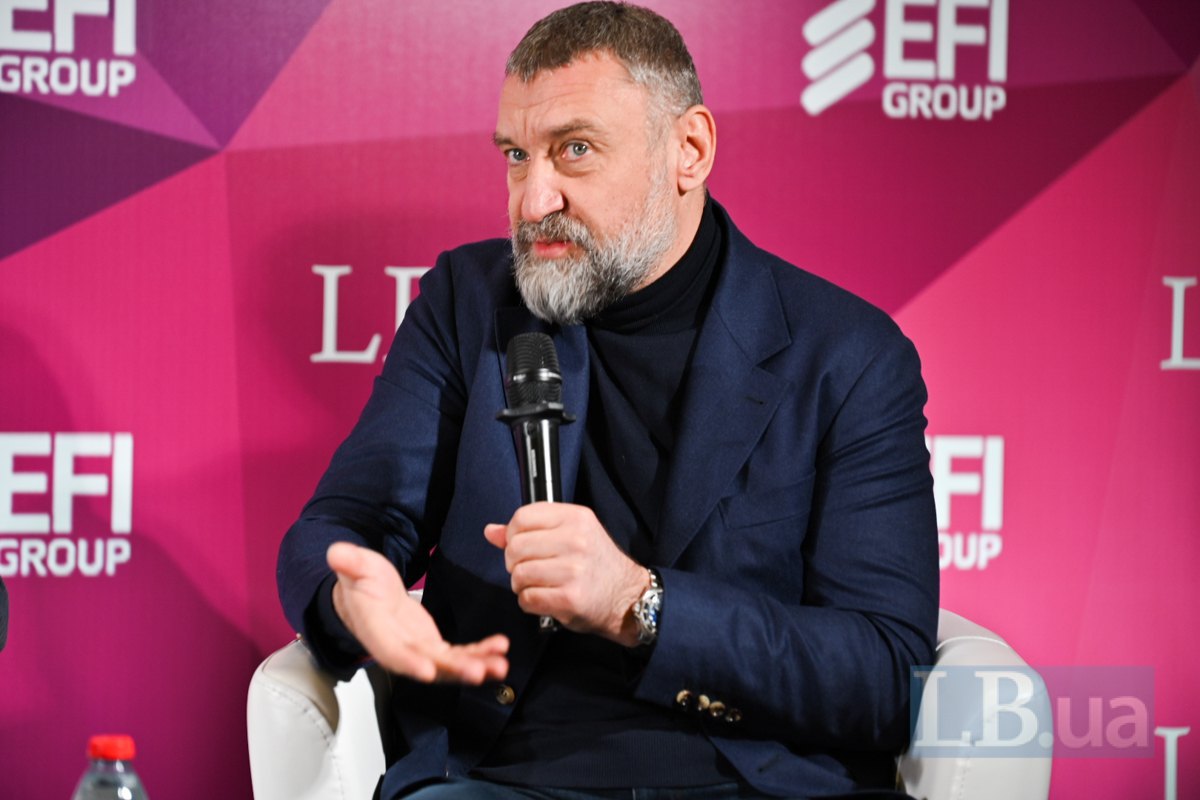
Direct communication between government officials and the Federation of Employers, which is effectively the mouthpiece for these issues, should quickly resolve them, Danylyak believes.
Military reservations
Despite certain reservations, the military reservation system worked much better last year, according to businessman Ihor Liski. The disappearance of corruption is noticeable.
At the same time, according to Minister of Economy, Environment and Agriculture Oleksiy Sobolev, the number of people reserved in Ukraine has increased over the year. On the one hand, this gives a positive boost to the economy, he says: people who are reserved leave the grey markets and go into official employment; the average salary (as one of the requirements for military reservation) has increased, which has freed up tens of billions of hryvnyas; tax revenues have increased accordingly.
On the other hand, the minister emphasises that a balance must be maintained, because reservation has a direct impact on the army and mobilisation.
According to Ihor Liski, it is time for the state to decide that reserved people should still undergo some military training for a week or two so as not to drop out of the security system altogether, as is currently the case. And that this should also be a condition of reservation.
Uncertainty
Ihor Liski, head of the EFI Group, considers uncertainty to be a separate obstacle to doing business during the war.
"When you talk to colleagues, they plan strategies and budgets for three to four years. But for us, with our complex production systems, planning anything is a real challenge. Because you simply don't know if there will be electricity tomorrow. And whether it will simply be limited or cut off in an emergency," notes the businessman. "But given the situation in the country, we accept this uncertainty as a given and are already building all our systems around it. In other words, the management of factories, enterprises, financial flows and budgeting must be very flexible and adaptive. I hope this will be our advantage in this fast-paced, uncertain world, and that Ukrainian directors, CEOs and government officials will give lectures abroad on how to manage large systems in this uncertainty.”
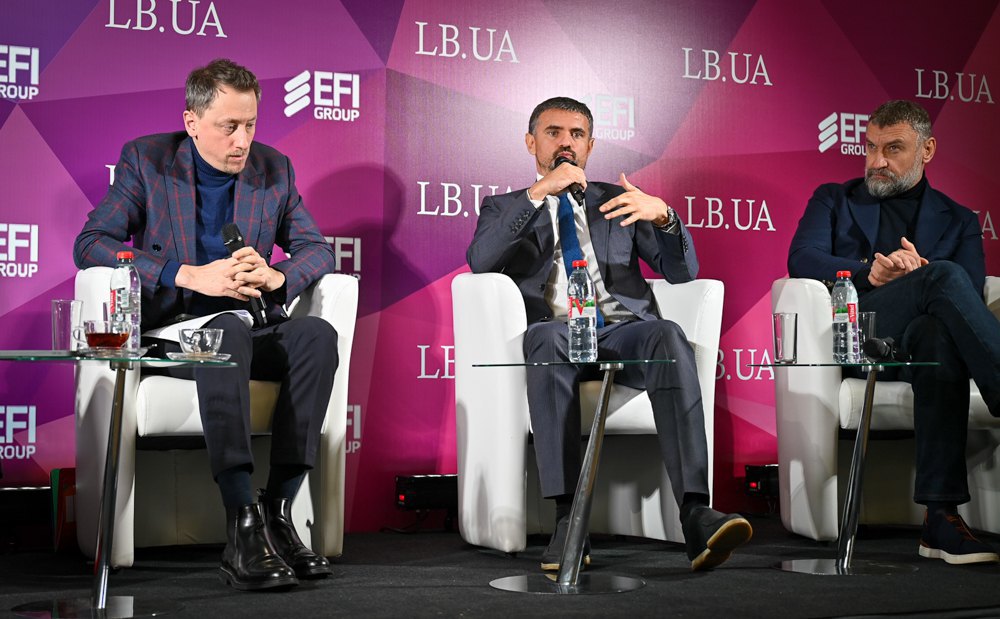
Despite the uncertainty, we have 2.2% economic growth, Oleksiy Sobolev reminded us. We are talking in Davos about the scale and criticality of the damage, and at the same time we are launching two funds worth hundreds of millions of dollars in investments.
The first contributions were made right there. Over the past year, six new venture capital and direct investment funds have announced their launch. We expect several more this year. We launched the website of the American-Ukrainian fund, and in less than a month, 50 projects have already been submitted. In other words, Ukraine is doing everything at once: crisis management, reconstruction, stability, development, and additional investments.
People in Europe cannot understand how it is possible to work in such uncertainty, but we are working. The ministry dreams that people will not travel abroad to give lectures on resilience, but to sell their experience in building diversified generation: how to make the transition to green energy and protect themselves from the aggression of their neighbours. This will also be an added value for Ukrainian business," the minister believes.
How the government works with business requests
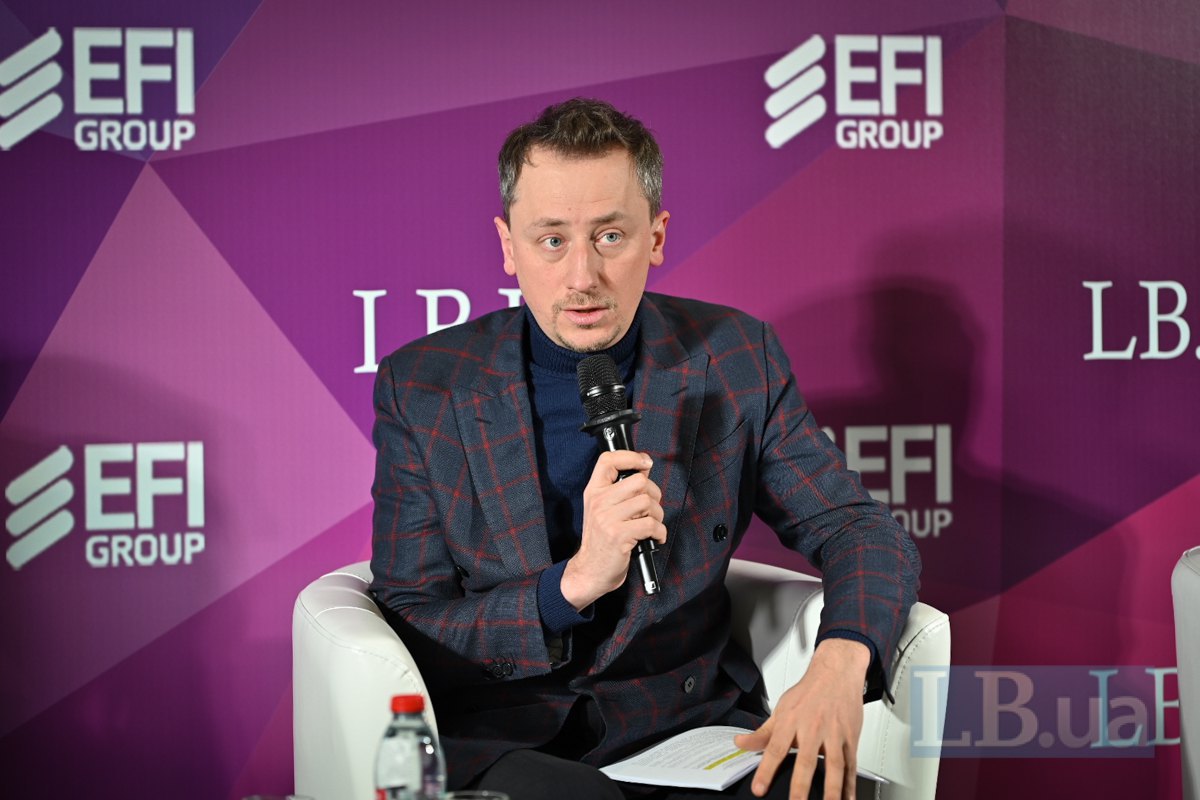
Through the Pulse digital system, the government collects complaints from entrepreneurs from all regions, AI aggregates them into specific tasks, and then these problems are solved in partnership with various ministries, said Oleksiy Sobolev.
"Often, this involves the digitisation of permits, with several hundred permits already cancelled. Sometimes, it involves specific business issues and the provision of tax clarifications. A total of 400 problems have been received, 50 of which have already been resolved. The main requests regarding regulation are tax administration, as well as permits, licences and, of course, reservations," the minister outlined the range of appeals.
According to him, there are also complaints about inspections. He added that a law on shifting inspections to a risk-based approach is ready for its second reading. "So that inspections are carried out at companies where the registers show that something is wrong. And if everything is in order and there is civil liability insurance, you would never see any inspections," Sobolev said.
The Cabinet of Ministers is also working to simplify the import of various energy equipment, with the latest deregulation concerning lithium-ion batteries.
What the state is doing to mitigate the impact of shelling on business
Economy Minister Oleksiy Sobolev says that the state has deregulated everything it could. In particular, the government is helping with the connection of cogeneration plants — it has simplified the issuance of licences, permits for land use, and so on. The government's task, he notes, is to ensure that the connection of imported cogeneration plants takes no more than a few weeks. Therefore, work on this is ongoing.
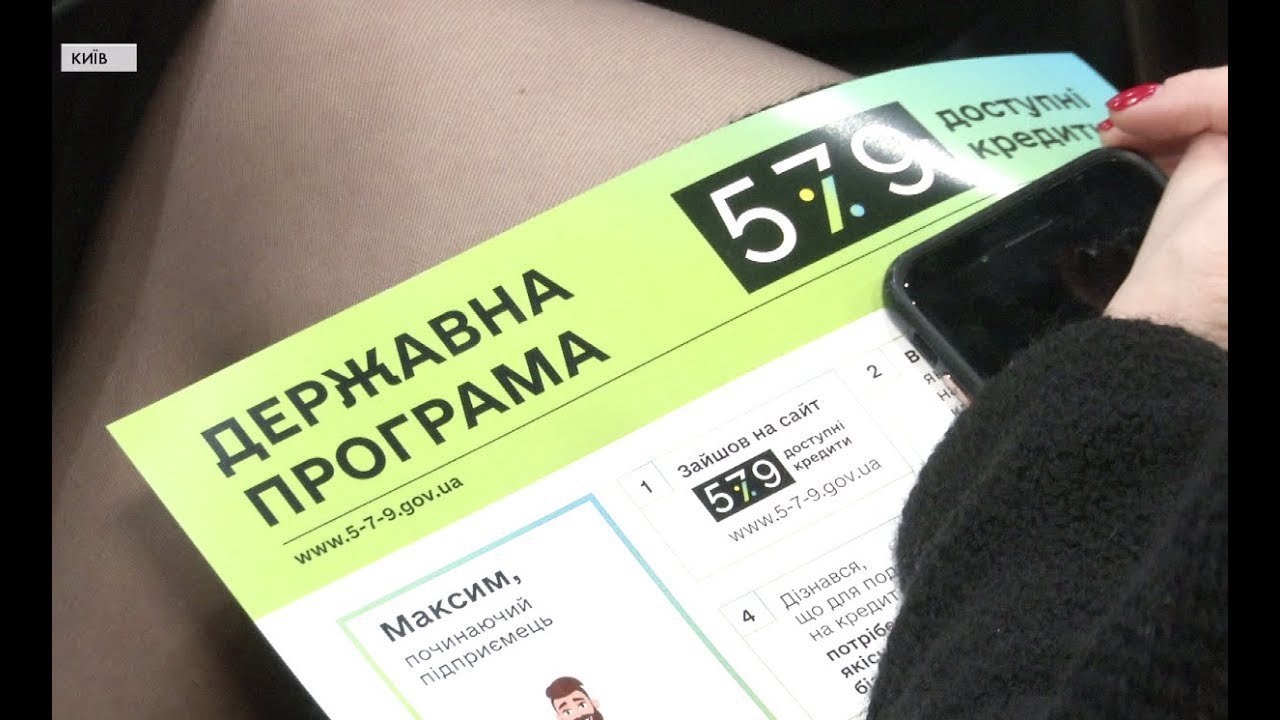
In order to access financing, the government official also said that the 5-7-9 programme had opened up preferential interest-free loans for sole proprietors and medium-sized businesses to purchase generators and the necessary equipment to operate during power outages. This programme has also been extended to cogeneration plants, generators and transformers. At the request of businesses, the credit limit has been increased from 150 million hryvnya to 250 million.
In addition, the state is issuing grants of between 7,500 and 15,000 hryvnya for the purchase of energy equipment.
"Separately, with European partners, and with the whole world through the Energy Fund, which has already raised $1.6 billion and is administered by the Energy Community, we are also importing energy equipment.
They provide guarantees, sometimes grants, from European funds to reduce rates for large energy projects. For example, through the EBRD, IFC, and other similar international financial organisations. We see a large number of projects in the pipeline. There will be a separate mechanism for reducing risks.
Businesses have complained that energy prices can be unpredictable, and the state should compensate for the minimum ones. The state does not have the money, but now, with the EBRD, we are raising a fund of international grant money that will compensate and insure this cost, so there will be more solar and wind projects in Ukraine," the minister explained.
War risk insurance
Since 1 January, when the direct compensation mechanism came into effect, three applications have already been approved, said Oleksiy Sobolev. Two of them are from the Kharkiv and Zaporizhzhya Regions. Entrepreneurs will be able to receive the money as early as next month.
"What is it? It is insurance against military risks from Ukrainian insurance companies, where the state reduces the insurance rate to 1%. And for companies located in frontline regions where there is no coverage from insurance companies, the state compensates for business losses of up to UAH 10 million per policy," the government official said.
Separately, according to Sobolev, the government is preparing a programme for damaged businesses to simplify the mechanisms for verification, assessment of destroyed property, demining, etc.
"And separately, through 5-7-9, we will provide loans or loan guarantees for restoration. That is, if a company's fixed assets have been destroyed, it needs to buy equipment. The state will provide a guarantee that the company will buy it, because the bank needs collateral, which is sometimes unavailable.
We see that businesses that have been damaged have customers. They need help purchasing equipment, and they will immediately start exporting and selling as before. But without state intervention, it is difficult for banks. This will work this year," the minister said.
The programme will work for all businesses that have suffered since the start of the full-scale invasion, with a focus on frontline territories, but will be available to everyone.
However, according to Ihor Liski, chairman of the supervisory board of EFI Group, insurance should be provided to new enterprises and those with foreign capital through work with "investment nannies".
"This limited insurance resource should be directed in such a way that we can compete with other countries in the world for new capital so that we can build new enterprises
Let's be honest and as pragmatic as possible: Vasyl and I, like other entrepreneurs in Ukraine, will survive, but we will not move our enterprises anywhere. And new ones are cynical: why go to Ukraine if a missile might strike tomorrow, even though there is a market and potential. And this kind of insurance will be an effective targeted investment by the state. Because it is simply impossible to insure everyone," the businessman explained his position.
Government initiatives do not reach big business. It wants full-fledged bank lending.
The problem, emphasises Vasyl Danylyak, executive director of OKKO, is that all government programmes and figures do not apply to big business.
"No 5-7-9 will save you when an oil depot is destroyed, 5,000 or 7,000 tonnes of fuel are burned, or some facility is hit. It will not cover the losses. These programmes do not work.
The same goes for military risk insurance programmes — insurers simply do not have such funds at their disposal. Their capital does not allow them to cover large risks. Compensation for military risks is limited, if I am not mistaken, to 20 million hryvnya ($2.5 million, according to the Minister of Economy — Ed.), so this applies more to small and medium-sized facilities. Does it solve, even minimally, the problem of big business? No. Other mechanisms need to be sought here," said Vasyl Danylyak.
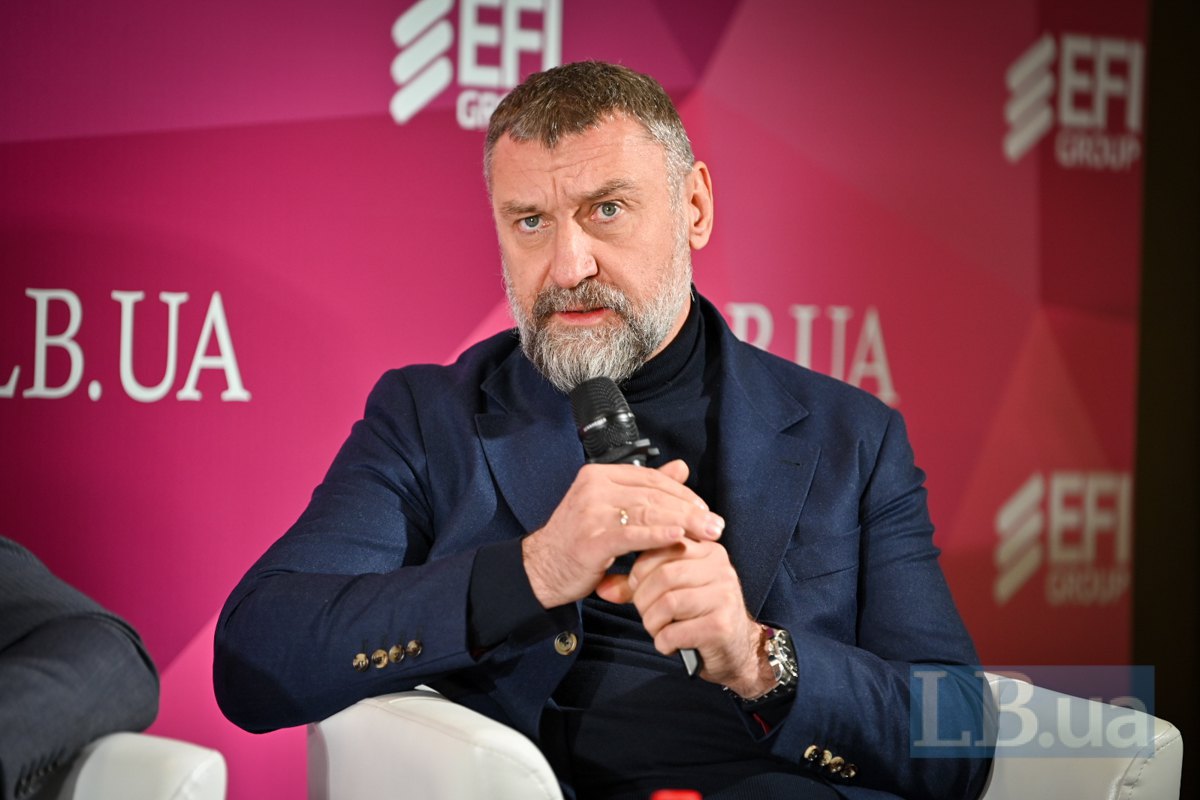
Commercial banks cannot lend to large players either, due to credit limits, complains the executive director of OKKO.
"Large enterprises did not appear yesterday; they have been working with banks, suppliers, and consumers. And when a force majeure situation arises, additional financing is needed or, conversely, to quickly multiply some useful story and do good for both themselves and the state. But, unfortunately, due to regulations, banks — small and large — cannot lend to this enterprise because they have reached their capital limits, even though they have the money," Danylyak explains the problem.
"The paradox is that banks have money, they have liquidity, even excess liquidity, but they cannot give it to you due to regulatory restrictions imposed by the National Bank.
We always raise this issue at meetings with bankers: we ask them to put pressure on the government and to work with the National Bank to raise awareness. Let the government provide some kind of guarantee in cases where a bank exceeds its possible limit on a borrower, but the client provides collateral, has a great project and will do good for the state, the bank and the company.
Because of such idiotic mechanisms, banks back down and start lending this money to the government instead of multiplying it in a normal way — through the credit system — into the economy to create jobs," said Vasyl Danylyak.
Ihor Liski supported Danylyak. In his opinion, banks should have a more entrepreneurial approach; currently, their policy is too conservative.
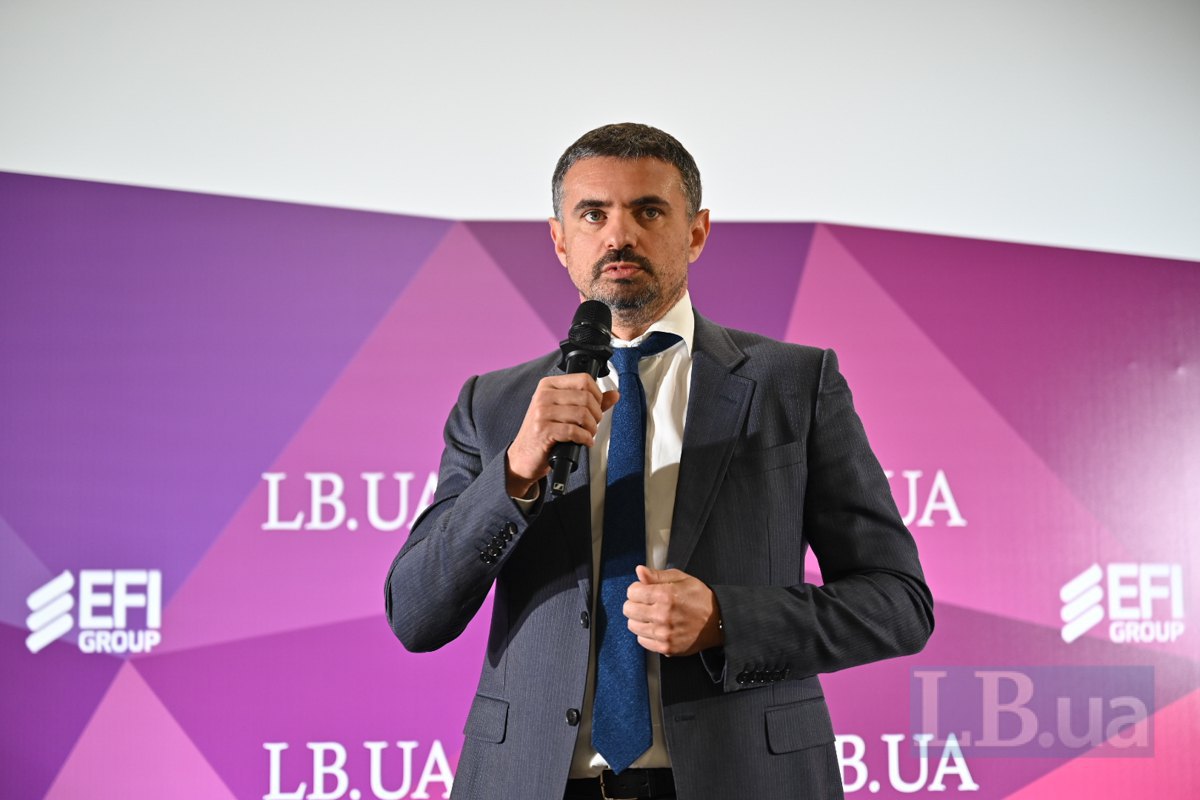
"Right now, all banks have good liquidity, so we need to give them more opportunities to lend to real businesses. Good bankers and good entrepreneurs will generate much more added value from this money than they would by buying government bonds," Liski noted.
The minister agreed with the businessmen. He noted that he had already had a meeting at the National Bank of Ukraine to discuss banks stopping buying deposit certificates and starting to take risks by lending to Ukrainian businesses.
"Business has already proven that it can operate during wartime. What more do you need? We looked at the frontline territories, where banks are, in principle, afraid to lend. The default rate there is less than 2%. This means that people who have received loans in the frontline areas will never abandon the bank because it helped them in a difficult situation, and this is no longer just business, it is something personal," says Oleksiy Sobolev.
"We see no other way than for the state to compensate for credit risk. Such a mechanism exists in 5-7-9, but this programme is only for small and medium-sized businesses. These funds do not even need to be used, but they must be budgeted for. Perhaps some part of it will be covered by European guarantees.
We are currently trying to calculate the need. A National Development Institution is being created — the relevant law was passed last year. This is a second-tier institution, a quasi-bank, which will provide banks with this additional guarantee. But we need to understand how much resources we need. We will take part of it from the budget, and we will work with partners on the rest," said the Minister of Economy.
Also, according to him, a bill has been submitted to parliament on compensation for capital investments through taxes — that is, part of the capital investments will be compensated through taxes.
"We are discussing with the IMF that this is a great idea. We believe that this is what businesses need in order to invest more, and it will lead to additional growth.
Industrial parks are also working well. There are large projects worth hundreds of millions of dollars, bringing together many medium-sized businesses that will share infrastructure, the connection of which will be compensated by the state," says Sobolev.
"In other words, we are approaching medium-sized businesses, but not yet large ones," the minister stated.
Points of economic growth "here and now"
What else, besides defence and reconstruction, could become points of growth for the Ukrainian economy?
Oleksiy Sobolev says: everything that Ukrainian businesses invest in. First and foremost, energy, especially green energy.
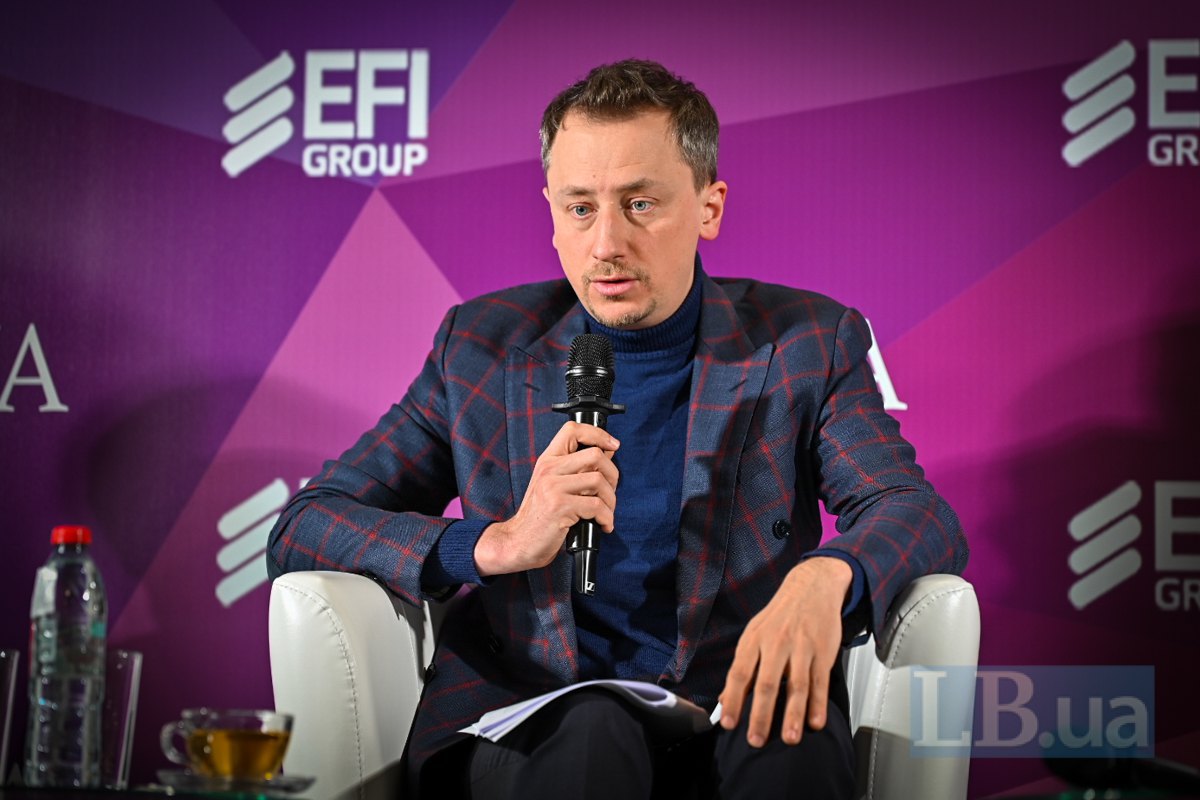
Vasyl Danylyak also mentioned energy efficiency projects, such as ESCO contracts, which involve investments in energy efficiency projects to modernise old buildings (upgrading heating systems, lighting, insulation, etc.). In his opinion, this is a growth area for the state worth tens of billions of dollars.
In the defence sector, Sobolev added, there are now start-ups selling hundreds of millions and billions of dollars worth of military and dual-use equipment. "These are technologies that can also be used in civilian life. And now there is a real boom in investment in these start-ups. And when exports open up, there will be a lot of Ukrainian products all over the world," the minister is confident.
Again, in his opinion, everything related to reconstruction — infrastructure and housing construction — will grow.
In the agricultural sector, processing will grow — the business is already ready for this, the minister says.
"Well, we see a high demand for everything related to AI — data centres, energy, infrastructure for AI. Ukraine can provide Europe with computing capabilities relatively easily. Therefore, there will definitely be large investments here," Oleksiy Sobolev concluded.