






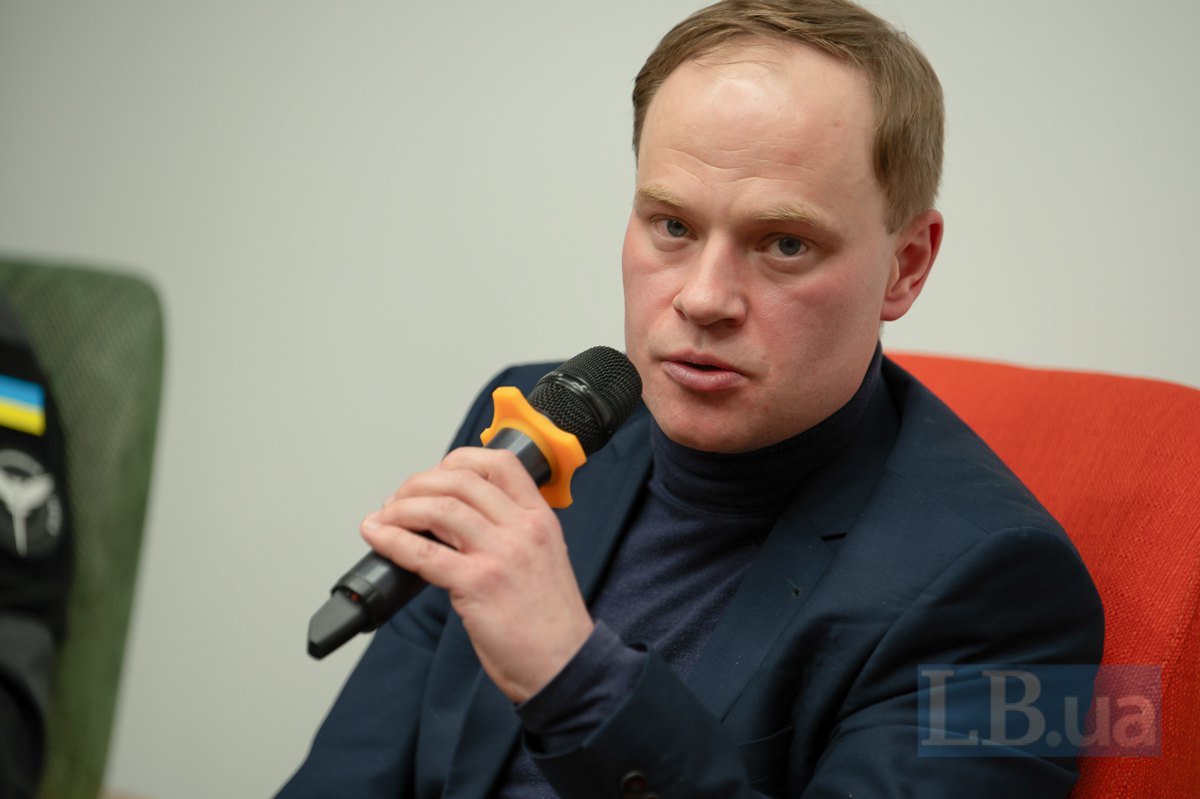
“There are real viruses that can destroy our bodies. There are viruses we more or less manage to cope with and that, theoretically, can be brought under control with some kind of treatment. And there are vitamins that will help us win this war.
Telegram belongs to the first category. It is not a social network; it is a recruitment network. When investigations look into how contacts are established and which platforms handlers use, they trace them back to this very network. Why? Because it offers total, legalised anonymity,” Yaroslav Yurchyshyn said during the discussion.
In his view, the problem concerns all countries that use totalitarian networks. Today, he argues, Russia and China are building a two-tier information system in which TikTok and Telegram remain platforms exclusively for external audiences.
“In China, TikTok does not operate — you know that. They have a domestic platform, Douyin. TikTok is purely for external users. Now Russia is building the same system. Telegram is for external users, while from April Russians themselves are moving to Max, a full equivalent of China’s Douyin, intended solely for domestic use. And this is where fairly tough steps are required,” the Chair of the Verkhovna Rada Committee on Freedom of Speech believes.
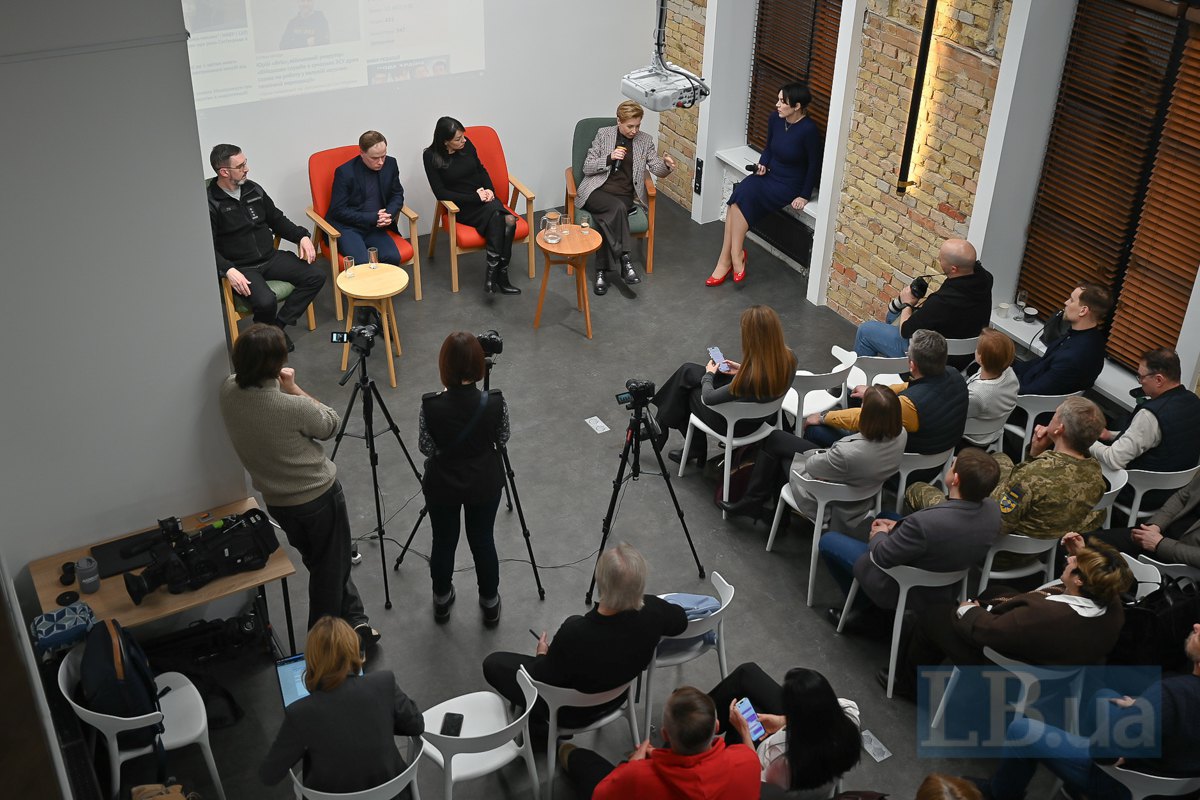
He also said, citing the head of Romania’s Digital Bureau, that on voting day Romanian Telegram users received a message from Pavel Durov aimed at influencing the election outcome.
“So is this a platform? No — it is a weapon, plain and simple. That is why stricter limits are needed. I am grateful to the Main Intelligence Directorate and the Security Service of Ukraine for taking a clear position that we do not need it — just as we did not need VKontakte or Odnoklassniki,” Yurchyshyn stressed.
However, such a step would require a decision by the National Security and Defence Council of Ukraine and a corresponding presidential decree, the MP added.
Yurchyshyn also recalled that Telegram does not pay taxes in Ukraine. Foreign non-resident companies providing electronic services to Ukrainians are required to pay the so-called “Google tax” — 20% of revenue from the sale of software, games, films, advertising, cloud storage and other digital services — to the state budget. In addition, he argued, Telegram has effectively turned into a legalised black market, providing access to illicit drug trafficking, weapons trade and similar activities.
How about other social networks?
Yaroslav Yurchyshyn considers them “viruses that can be normalised and even used to our benefit.”
“Instagram and other Meta platforms are platforms that, at the very least, cooperate with democratic societies and comply with European Union regulations, namely the DSA (Digital Services Act). Once the DSA is adapted in Ukraine — which we will do sooner or later, because it’s our duty — we will be able to work with them in some way.
Telegram, by the way, is not covered by the DSA and does everything to avoid it, because maintaining anonymity and avoiding contact with the state is crucial for them. When our security services or the Ministry of Digital Transformation reach out and say: ‘Look, these are manipulations,’ Telegram responds: ‘We can’t do anything. It’s the internet — a space of freedom.’ Only through the platforms Telegram operates on can pressure be applied or blocks enforced. The catch is that in response, they then delete our official chatbots. By the way, it’s strange that in a country that created Diia, official chatbots exist on a Russian network,” Yurchyshyn added.
“Vitamins” for society
The Committee Chair calls verified media the “vitamins” that protect society from false or manipulative information.
“These are media outlets with a name and a balanced editorial policy. They are one of the main supports we can rely on, at least when working with the older generation. Children’s habits often form by imitating the example of adults. I can say clearly: if adults at home use Telegram, children will use it too.
If adults watch Suspilne, Unified Marathon, or Channel Five, children will watch and trust those sources as well. Why do the Swedes, when faced with emotionally charged information, turn to their public broadcaster? Because that habit has been ingrained for years. My older children, when they encounter strange information online, know to check, for example, Left Bank, and see if the story is reported there. If it isn’t — don’t share it. It’s a habit, and it really helps prevent consuming disinformation,” Yaroslav Yurchyshyn said.
He noted that the Finns cultivate media literacy in children from six months old — starting with work with parents. “So this is a complex issue. We need to fight evil without pretending it’s not evil. Everything Russian is evil,” the MP concluded.